As the international industrial ecosystem shifts towards a carbon-neutral and circular economy, copper wire scrap recycling has evolved from a simple waste-handling task into a highly strategic commodity transaction. Known as the "red gold of metallurgy," copper’s infinite recyclability makes it one of the most cost-effective and energy-efficient metals on the global market. Recycling scrap copper uses only about 15% of the energy required to extract raw virgin copper from mined ore. This translates to a direct reduction in CO2 emissions, a key driver for multinational enterprises trying to meet stringent environmental, social, and governance (ESG) targets.
In global manufacturing, identifying wholesale where to sell copper wire scrap manufacturers & suppliers with high reliability is crucial. Heavy industries, electronics producers, automotive wiring loom assemblers, and municipal grid operators generate hundreds of thousands of tons of high-grade copper scrap annually. The commercial value of this scrap is tied directly to index prices from the London Metal Exchange (LME) and COMEX, but actual spot market rates depend heavily on purity grade, physical configuration, processing efficiency, and shipping logistics.
Understanding the pricing structures of international copper scrap buyers requires deep knowledge of classification systems. Scrap is typically sorted into three primary grades: 1. Bare Bright Copper Wire: The highest-paying grade. It consists of clean, unalloyed, uncoated, and untinned copper wire or cable, not smaller than 16 gauge. It must be free of insulation and external contaminants. 2. #1 Copper Scrap: Clean, unalloyed copper wire, tubing, and bus bars, which can show slight oxidation or paint residues but must be free of solder, insulation, or other brass fittings. 3. #2 Copper Scrap: Unalloyed copper wire or pipe showing heavy oxidation, shellac, solder joints, or paint coatings. It still maintains high recycling value but requires more extensive refining at the smelter level.
Maximizing revenue when selling large-scale commercial copper wire scrap requires a structured metallurgical evaluation. Here is the operational framework and roadmap used by top-tier suppliers to optimize material recovery before delivery to primary processing centers.
For high-volume insulated wire, utilizing heavy-duty mechanical stripping equipment is much more efficient than selling insulated wire wholesale. Separating the high-density polyethylene (HDPE) or PVC jacket from the inner conductor raises the material's market classification from low-yield insulated wire to highly sought-after Bare Bright or #1 Copper.
Advanced Chinese processing centers deploy automated eddy current separators and high-speed optical sorting systems to separate non-ferrous copper from secondary contaminants like aluminum sheath, steel reinforcement wire, and lead coatings. This ensures a consistent purity profile that smelters can accept without penalty deductions.
Handheld or inline X-ray Fluorescence (XRF) analyzers are used to verify the exact chemical signature of copper shipments. This provides indisputable proof of chemical composition (often verifying 99.9% Cu content), eliminating the buyer discount margins typically applied when dealing with unverified alloy batches.
The sorted and compressed copper scrap is briquetted or melted down in induction furnaces. It then undergoes electrolytic refining, where anodes of impure copper are dissolved electrochemically to deposit pure cathode copper (99.99% purity). This is then processed back into wire rods, coils, or sheets.
The geographic destination and industrial application of recycled copper vary by region. Identifying where to sell copper wire scrap involves analyzing localized industrial clusters:
Municipal power authorities and regional utility providers generate substantial amounts of retired power cable. These materials are processed and sold back to large wire drawing factories to produce new medium-voltage distribution cables.
An electric vehicle uses up to four times more copper than a traditional internal combustion engine (ICE) car. High-grade recycled copper is critical to feed the supply chains producing battery busbars, stator windings, and charging connector cables.
Copper tubing from air conditioning coils and plumbing pipes is stripped of braze joints and resold. This material is recycled to manufacture thermal exchangers and structural copper wiring for green certified residential developments.
Shandong Tezhong Materials Co., Ltd. is a leading supply chain company integrating carbon steel, coated steel, stainless steel, and other metal products. With a registered capital of 100 million yuan and total assets of 1.2 billion yuan, the company spans an area of approximately 15,000 square meters. Our workforce exceeds 900 employees, including over 100 senior managers and technical experts holding senior professional titles. Together, they combine a strong theoretical foundation with extensive practical experience in global metallurgy and industrial logistics.
We operate complete production lines and testing systems—including coking, sintering, steelmaking, and rolling—alongside advanced energy management systems. This complete integration ensures we can maintain the strict quality controls required for modern metal processing. In the field of metal recycling and processing, our deep supply chain connections and vast distribution networks allow us to manage large volumes of non-ferrous and ferrous metals with high reliability.
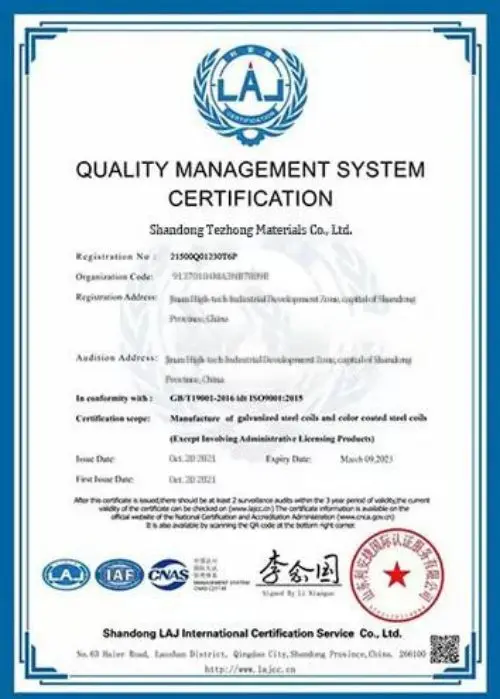
Established in 1997, our company has navigated global metal market cycles for over a quarter of a century. We were one of the first in our sector to achieve ISO9001 quality system certification, ensuring consistent performance and quality control.
We maintain comprehensive distribution outlets and inventory centers in Wuxi, Tianjin, Binzhou, and Liaocheng. These hubs keep inventory on hand year-round to ensure prompt shipment to the Middle East, Europe, America, and Asia.
Our corporate technology center ranks 2nd among 575 national enterprise technology centers. This research capability supports our market-leading position across 21 metal product categories, including railways, coinage, and industrial pure iron.
Working with major Chinese metal processors offers clear advantages for global buyers and sellers looking for where to sell copper wire scrap or source metal products. The efficiency of China's industrial supply chain is built on several key pillars:
1. Unmatched Port and Intermodal Logistics: Our distribution hubs in Wuxi and Tianjin sit near major deepwater ports. This allows us to load, customs-clear, and ship bulk containers of metal products quickly, reducing port dwell times and ocean freight costs.
2. Advanced Metallurgical Clustering: Chinese industrial centers concentrate refining, alloying, extrusion, and wire drawing operations within tight geographic zones. This reduces transit times between processing stages, lowers energy use, and limits exposure to commodity price swings during transit.
3. Strict Quality Assurance Teams: Every shipment undergoes rigorous testing by our Quality Control division. From raw material sorting to finished coils or bars, we use calibrated spectrometers, mechanical tension tests, and ultrasonic flaw detection to ensure all materials meet international ASTM, EN, and JIS standards.
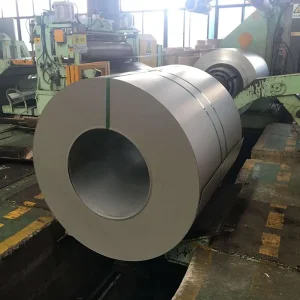
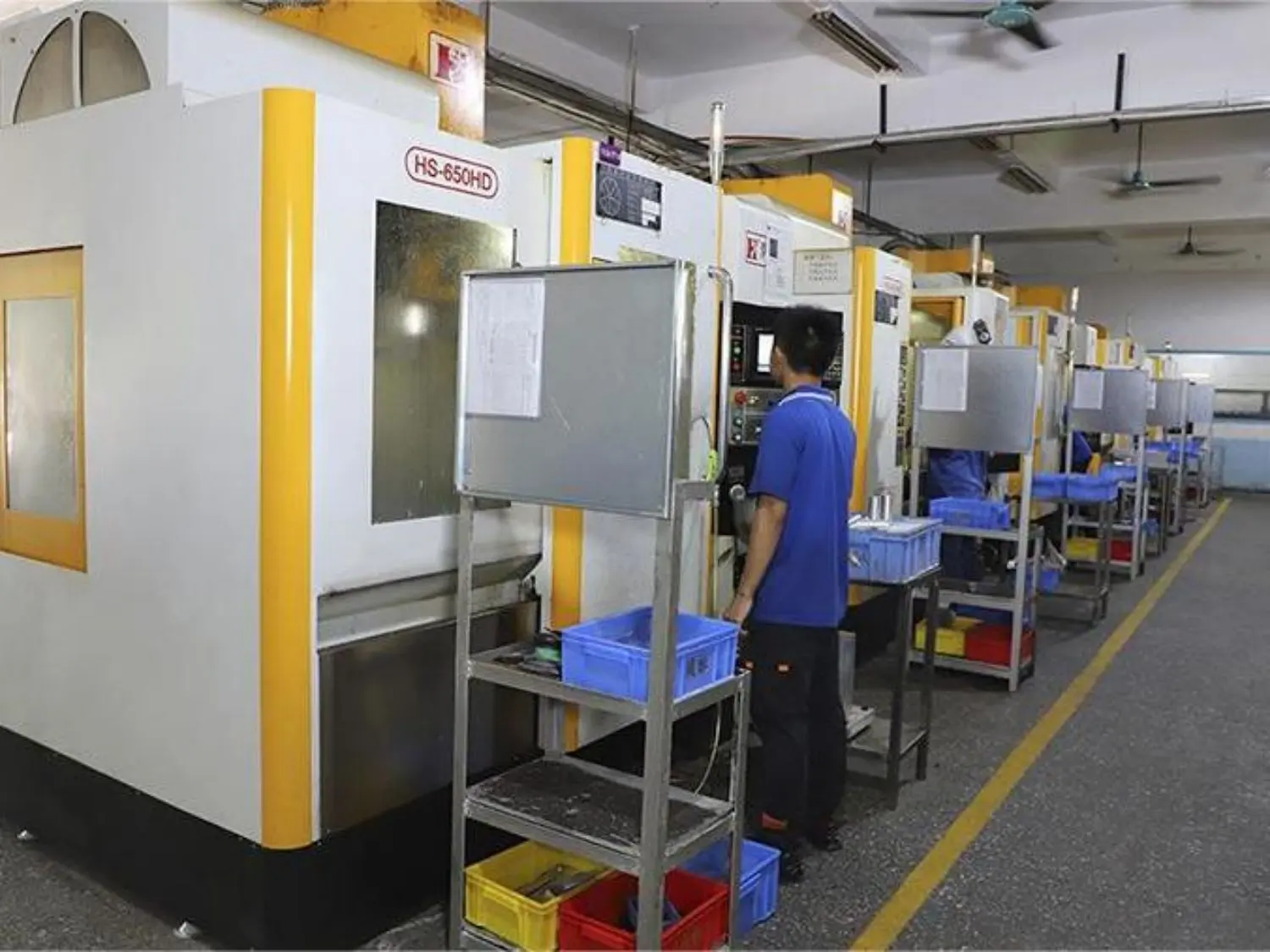
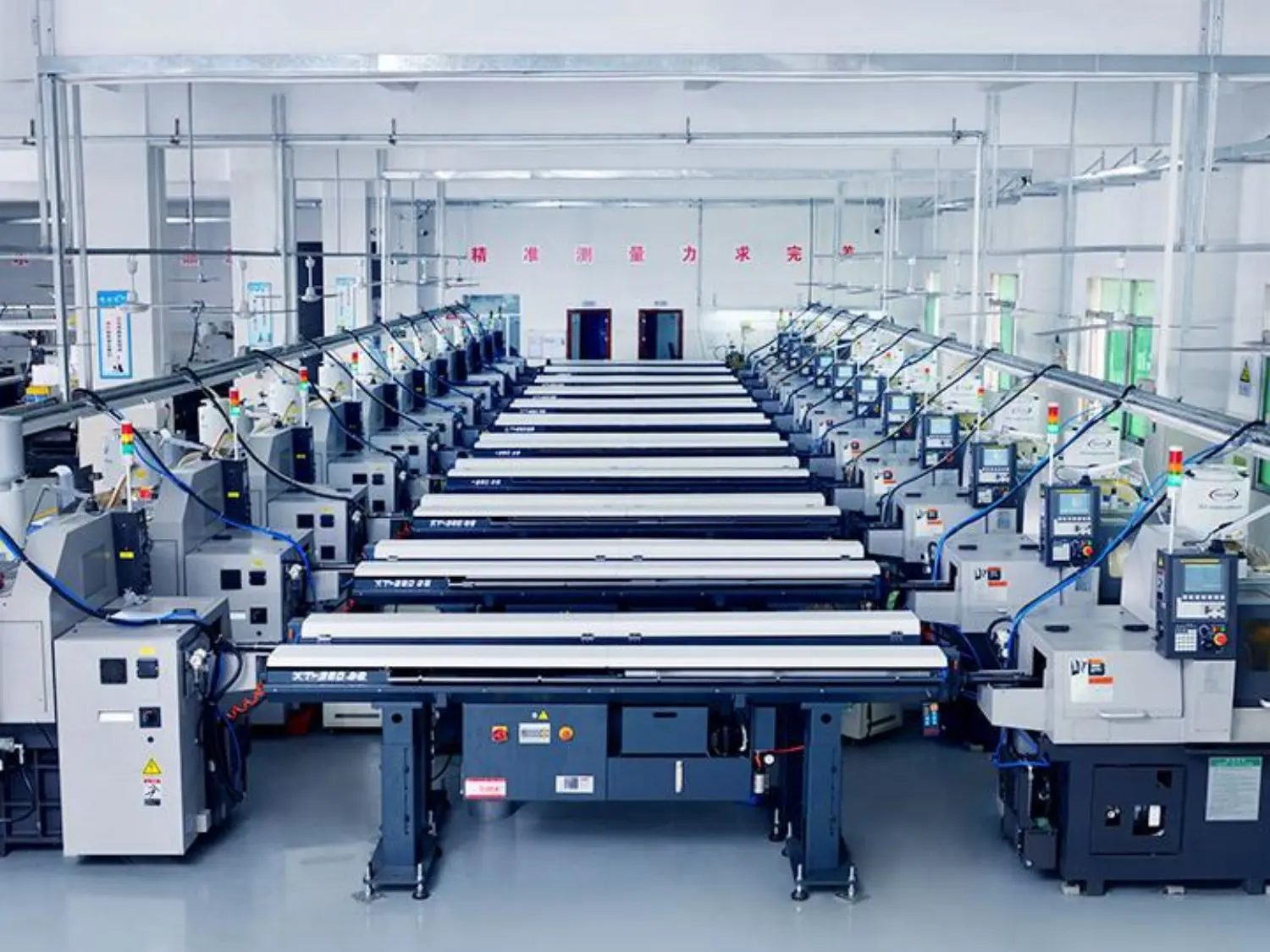
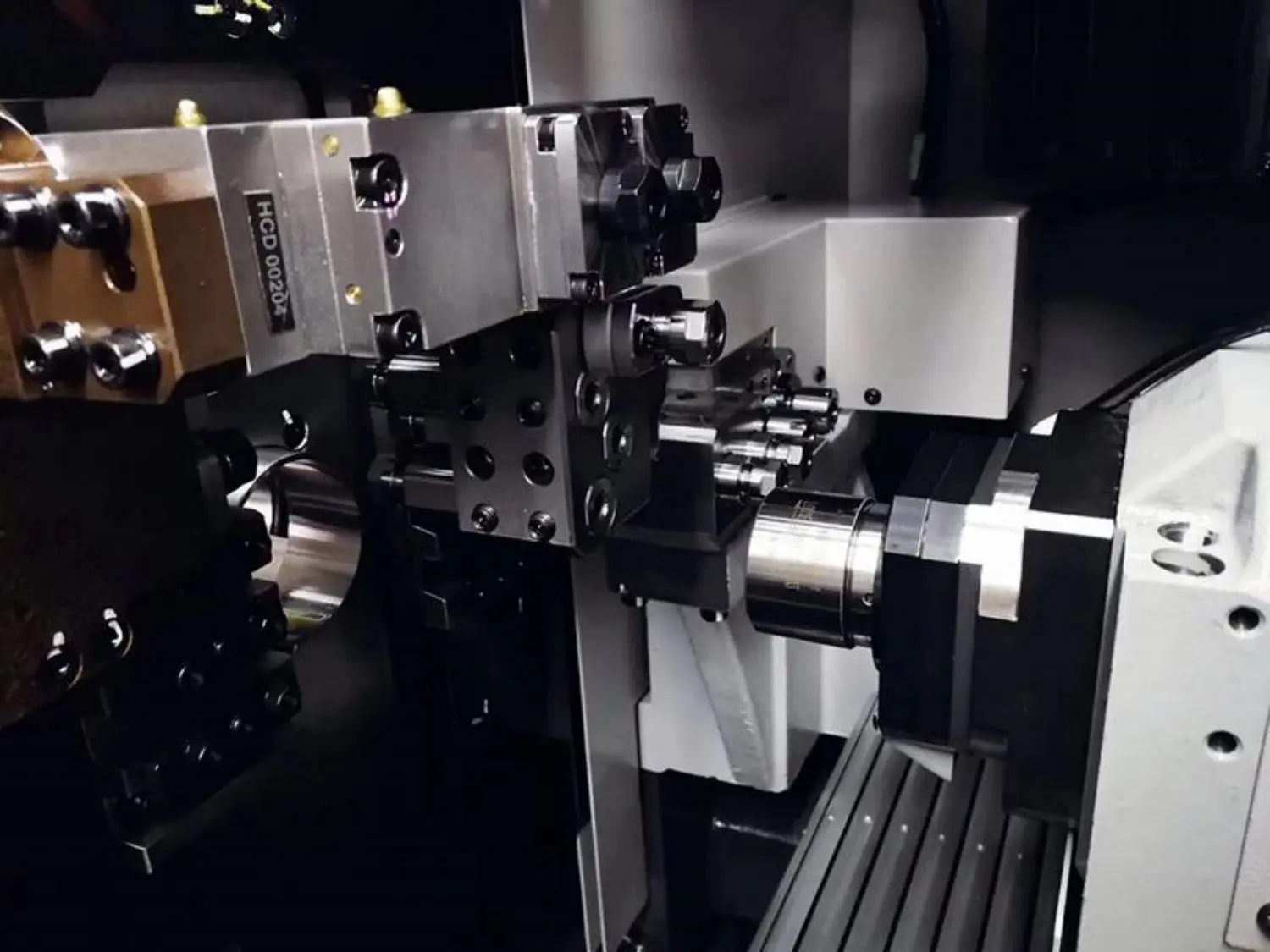
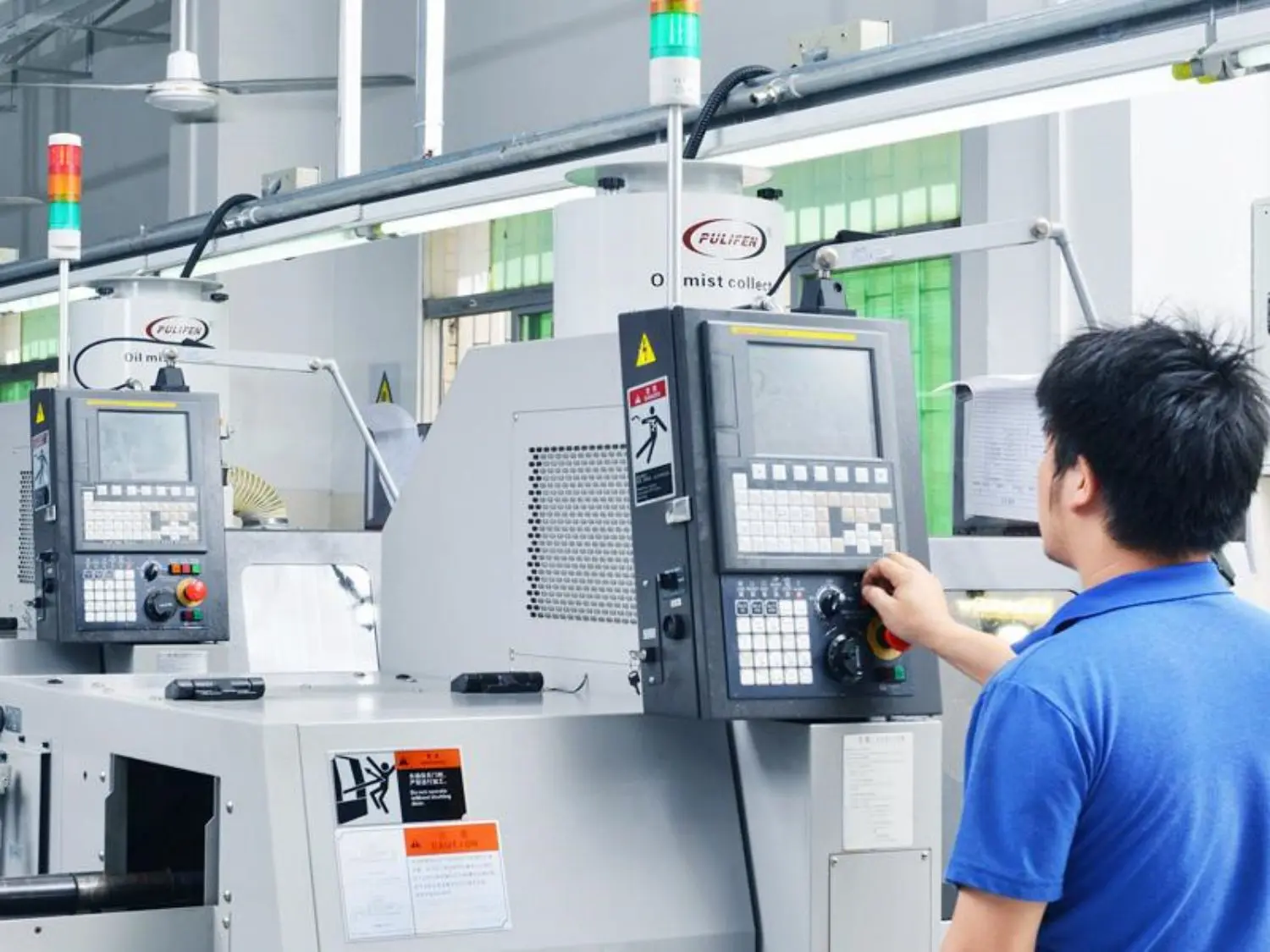
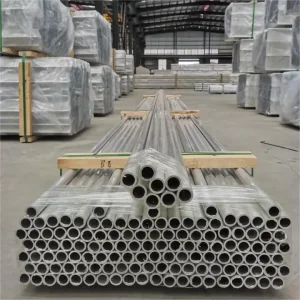
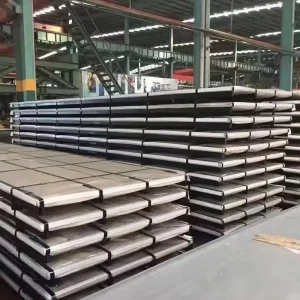
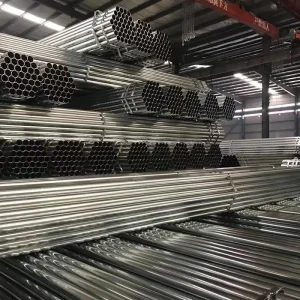
Our production facilities are equipped with heavy manufacturing machinery. Below is a look inside our operations, demonstrating the scale of our metallurgical processing and manufacturing facilities:
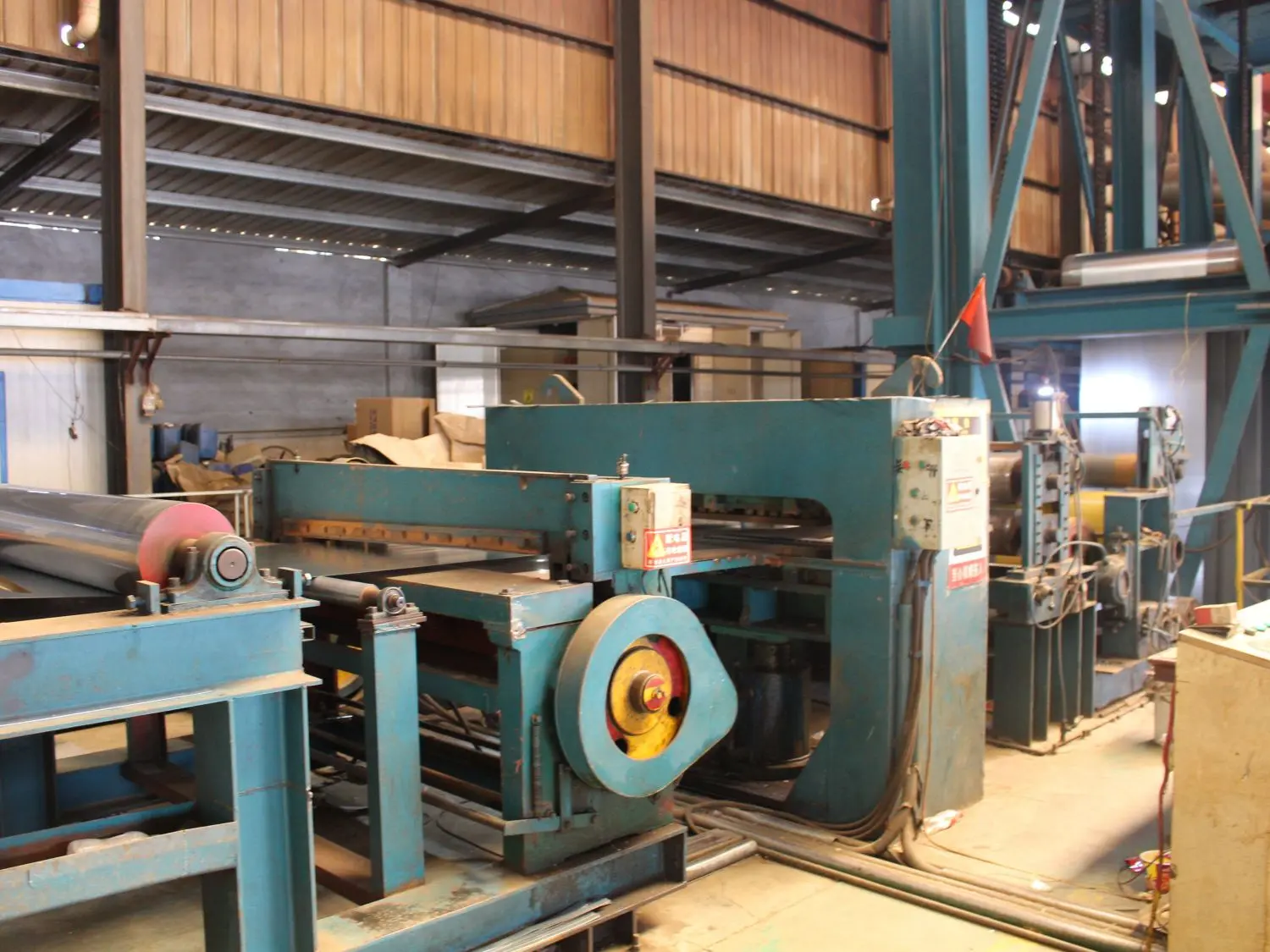
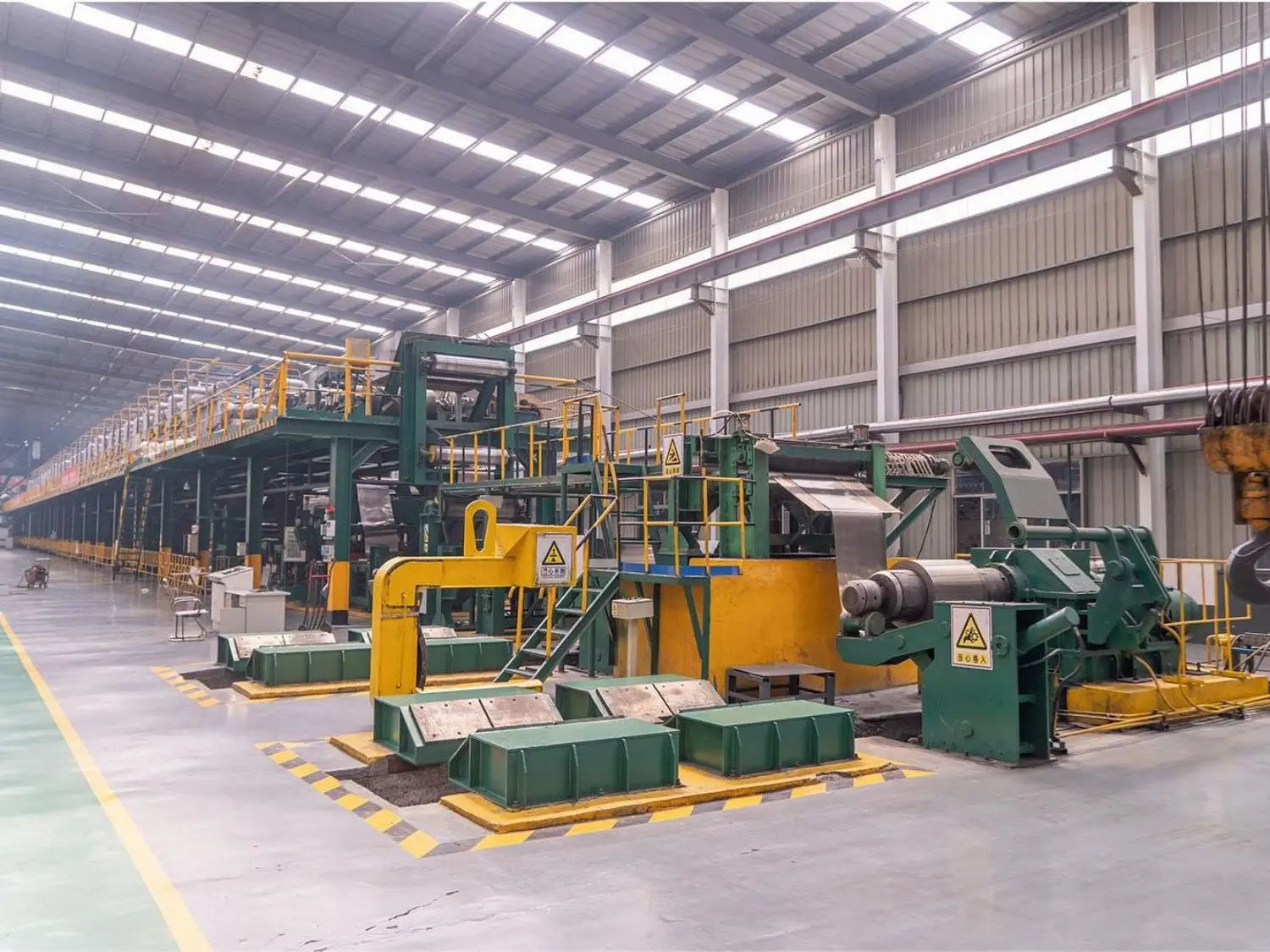
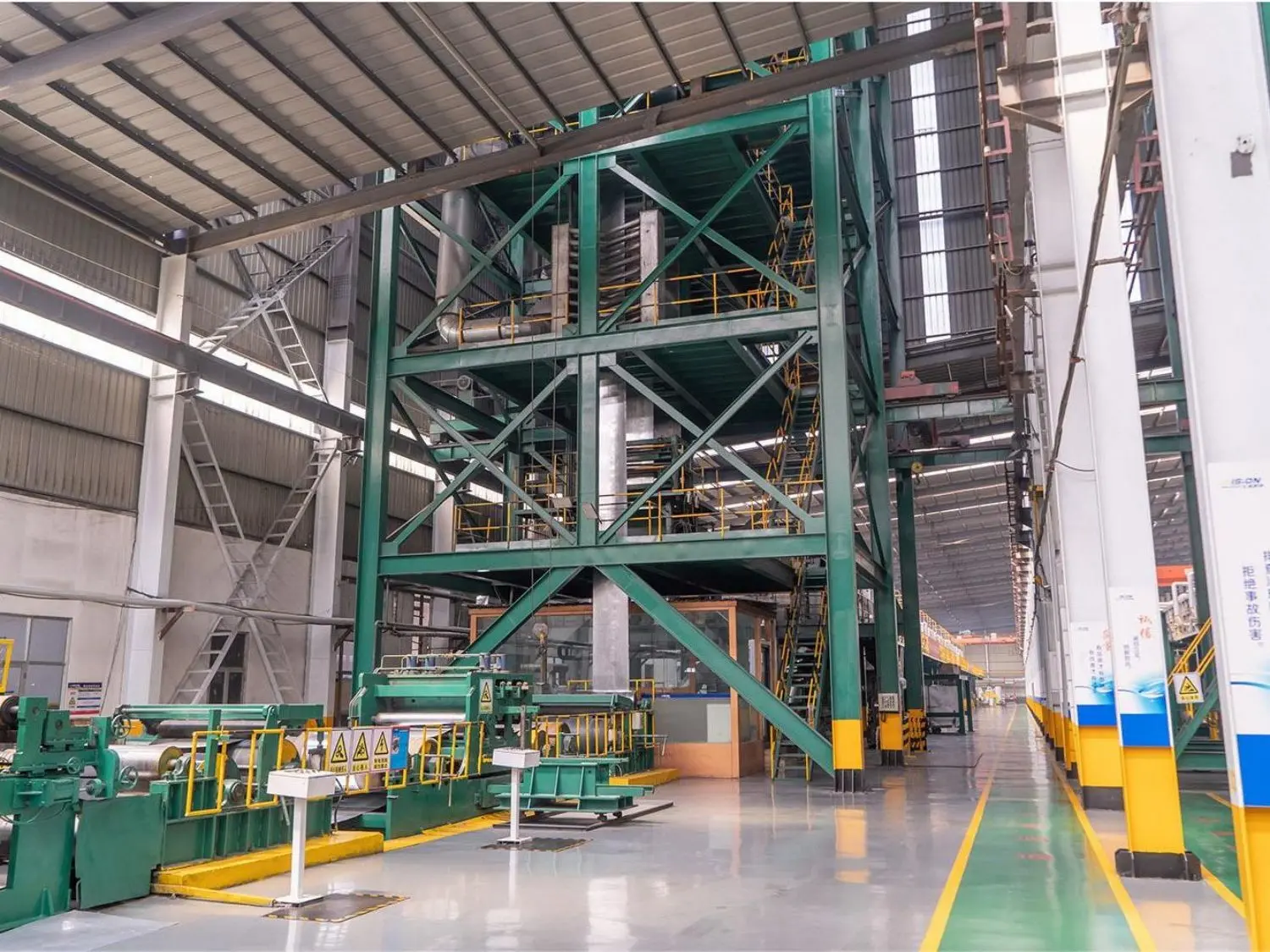
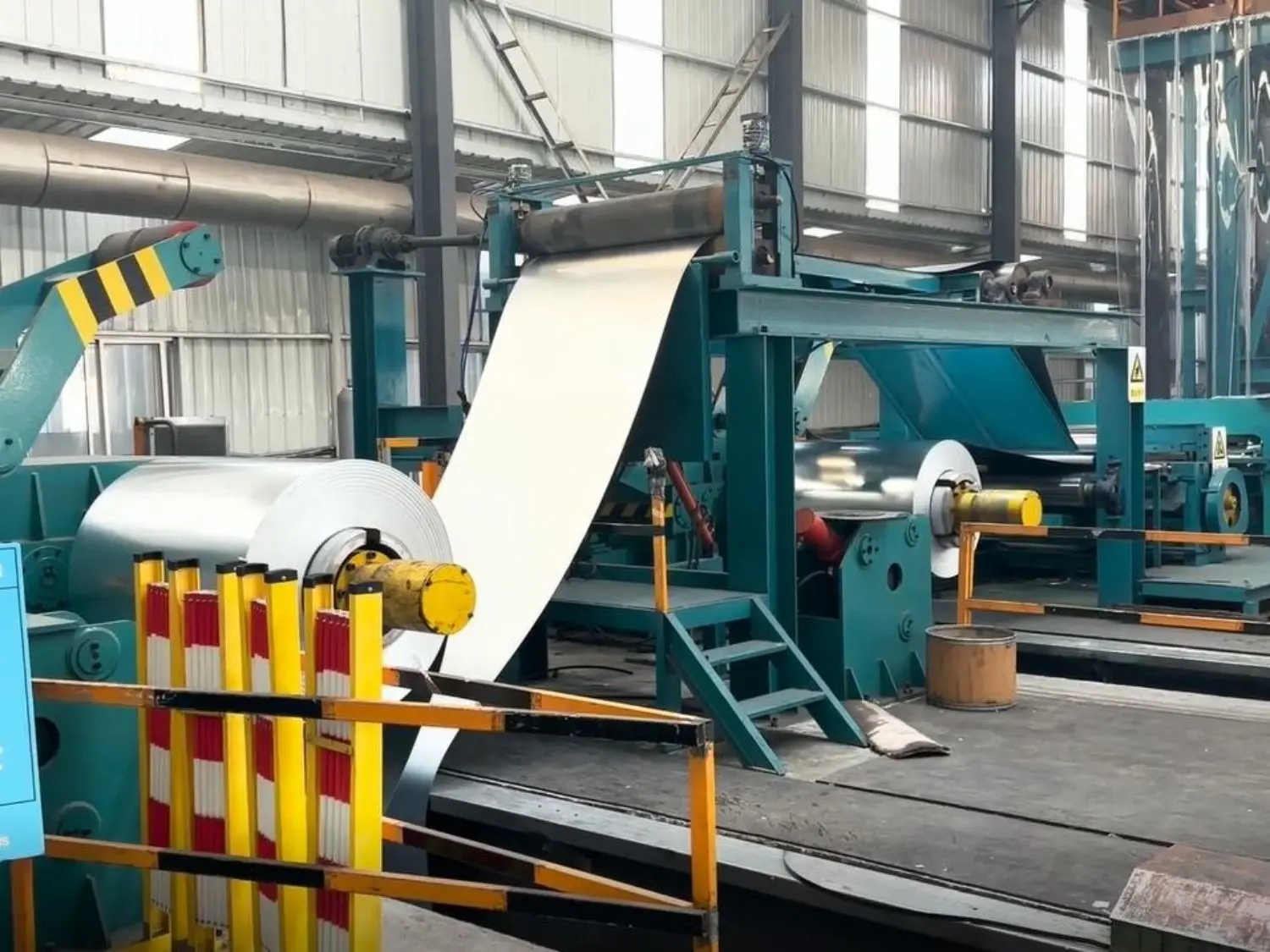
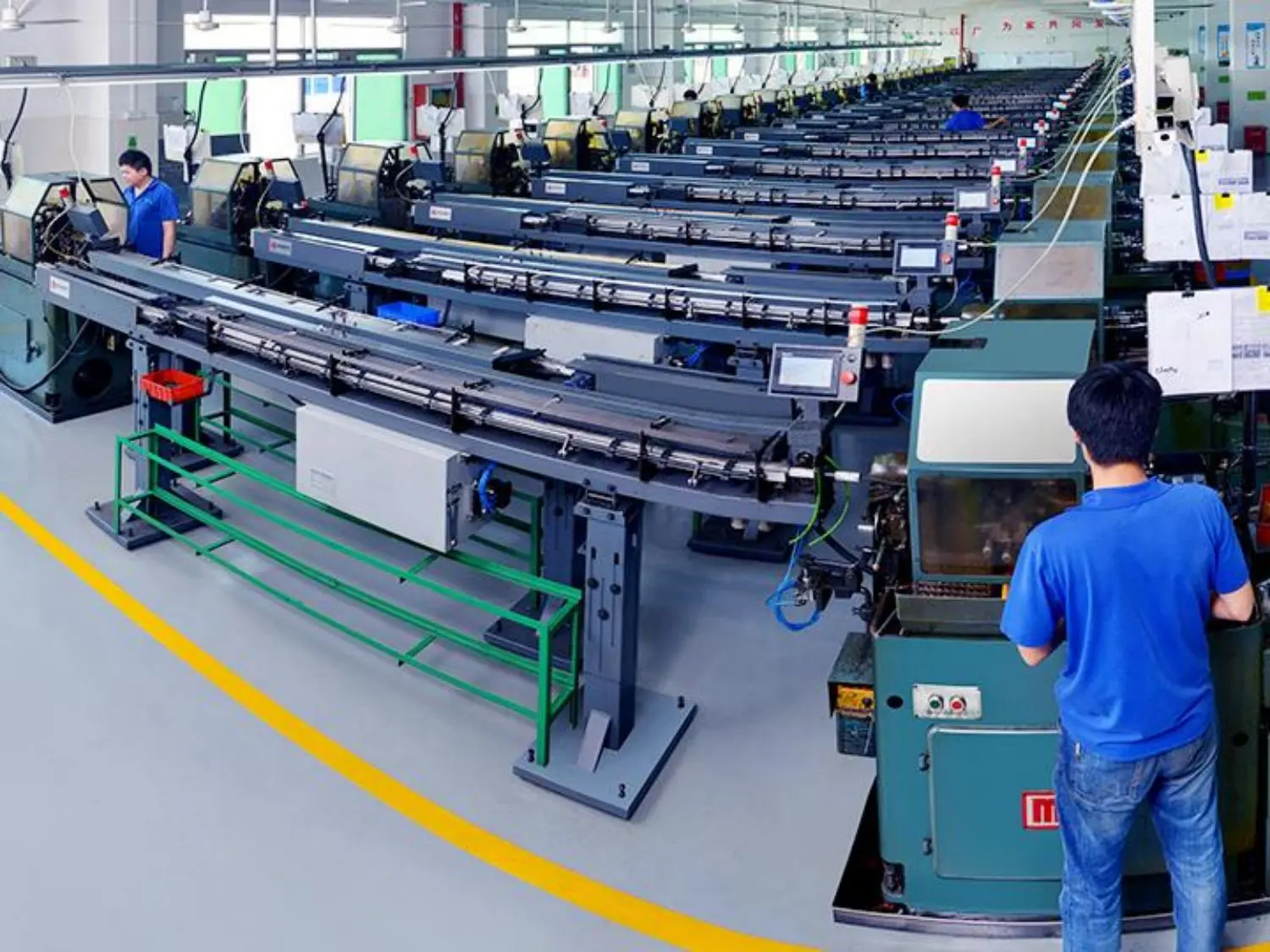
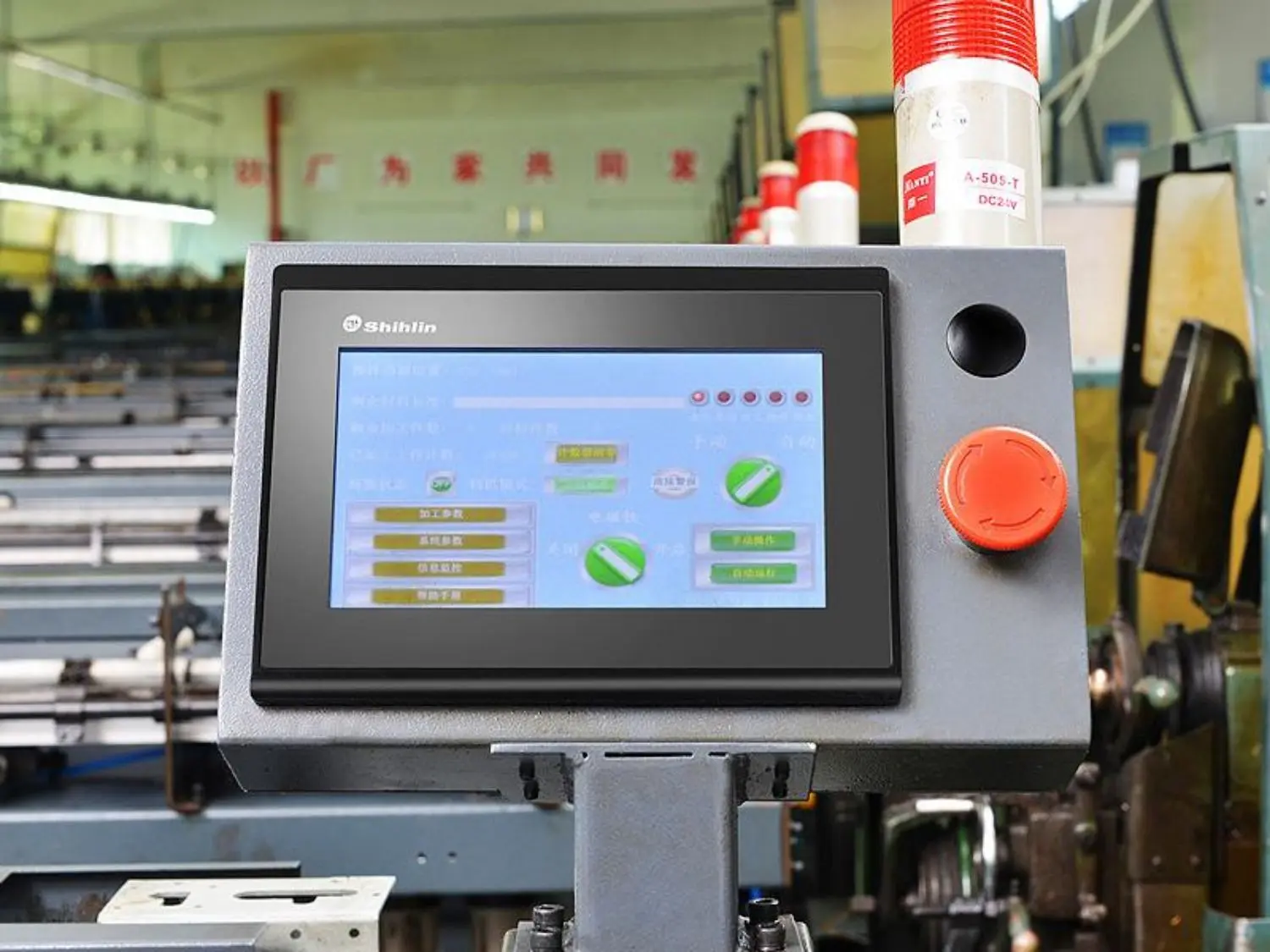
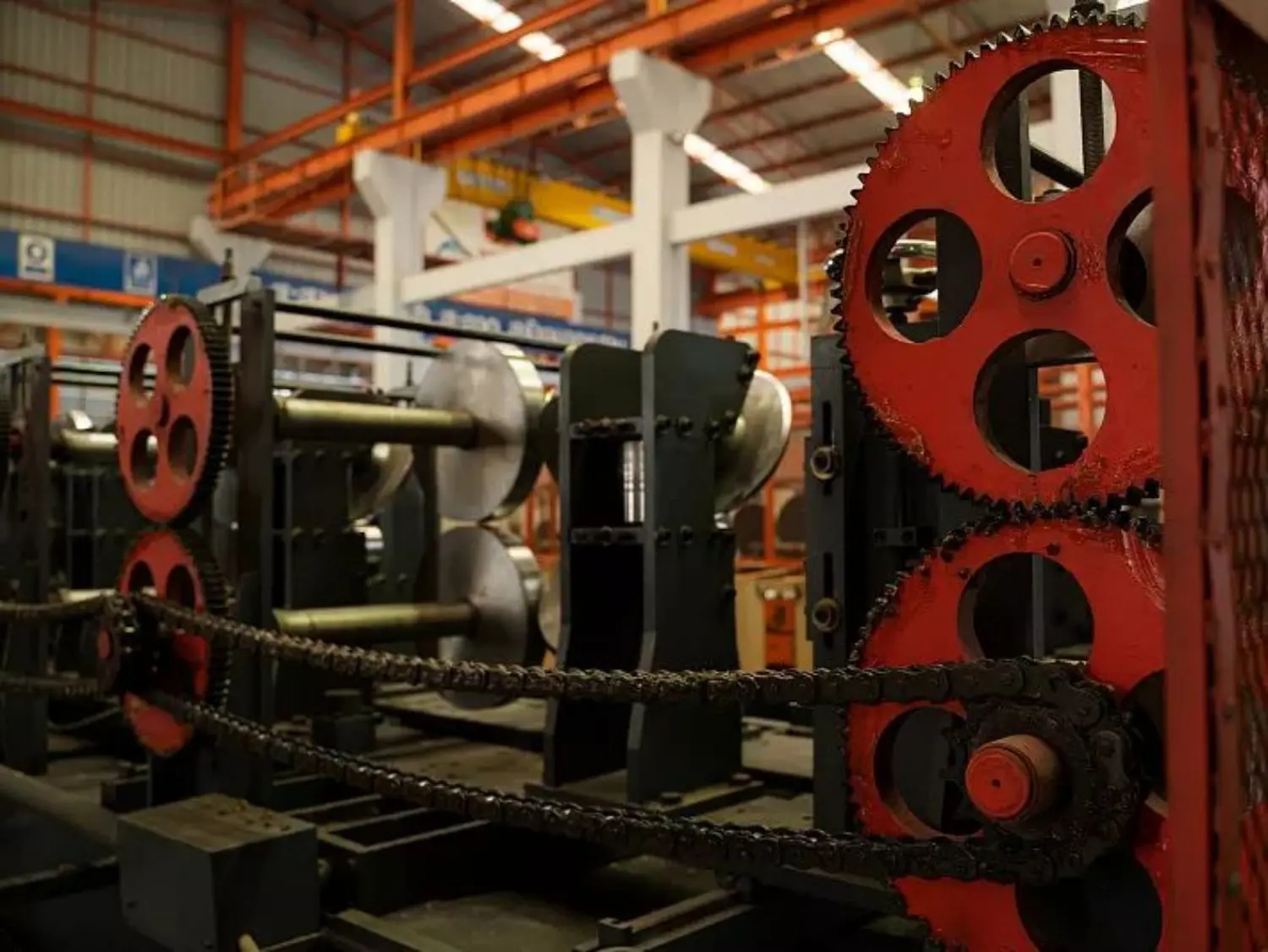
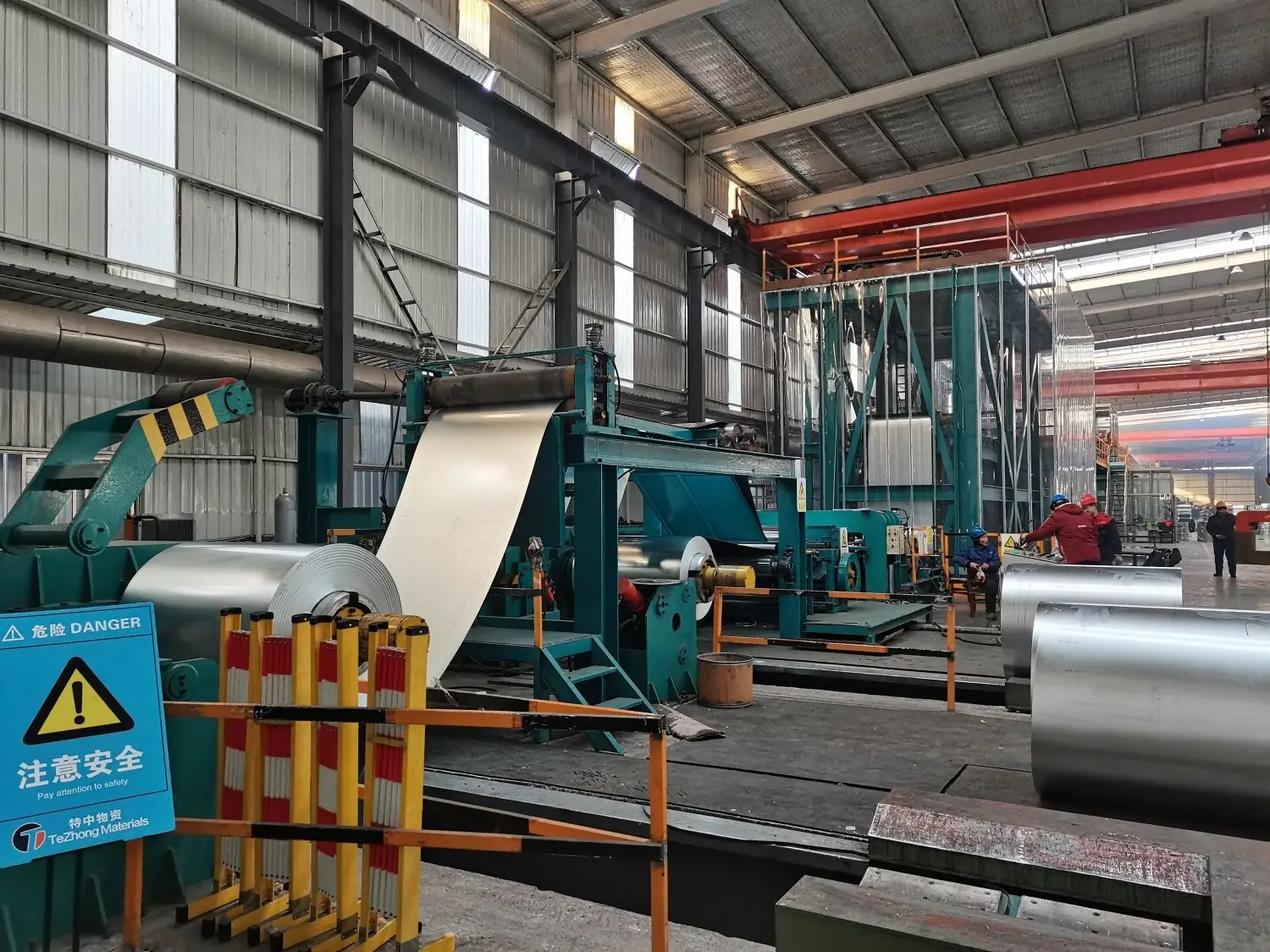
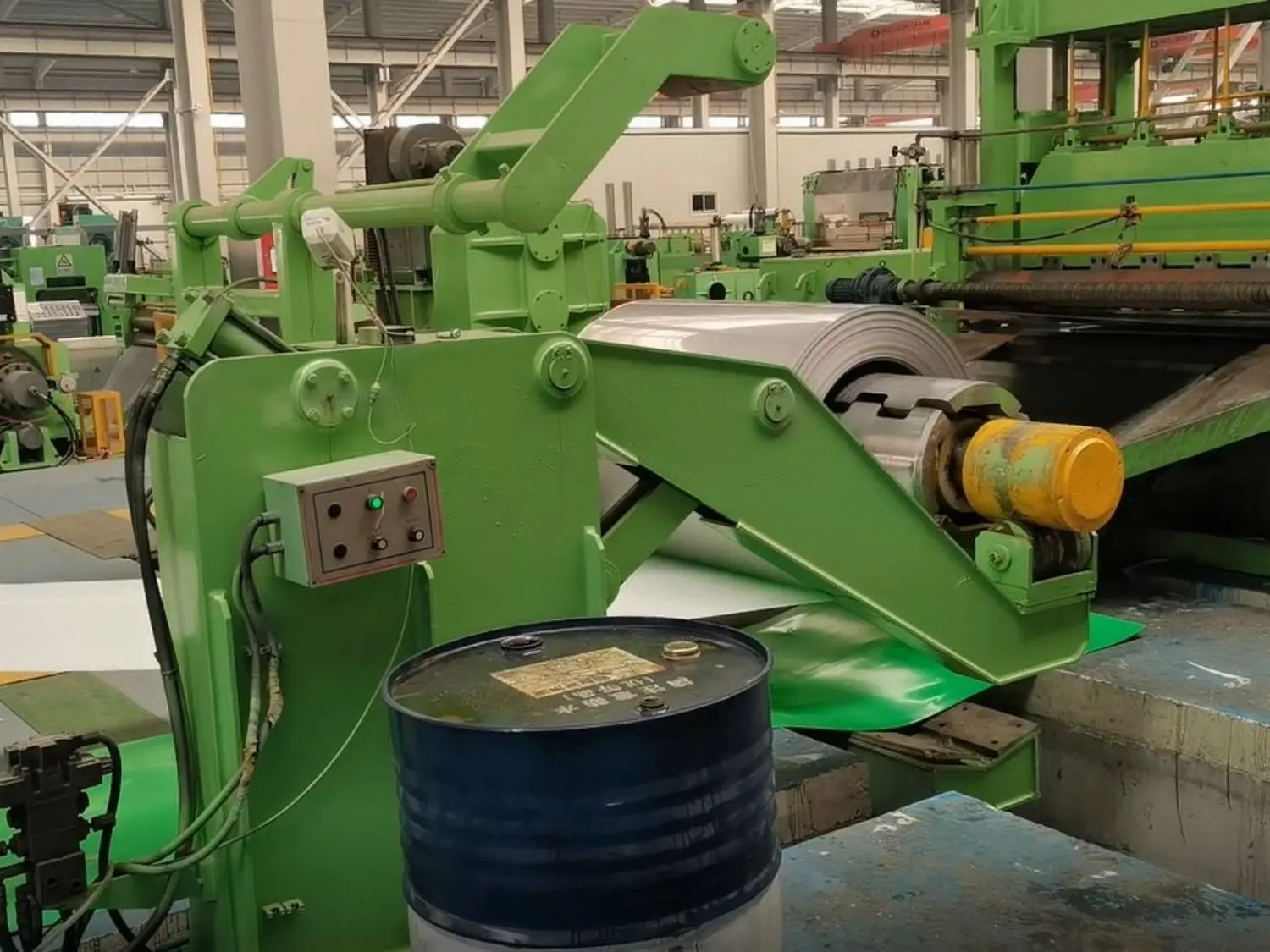
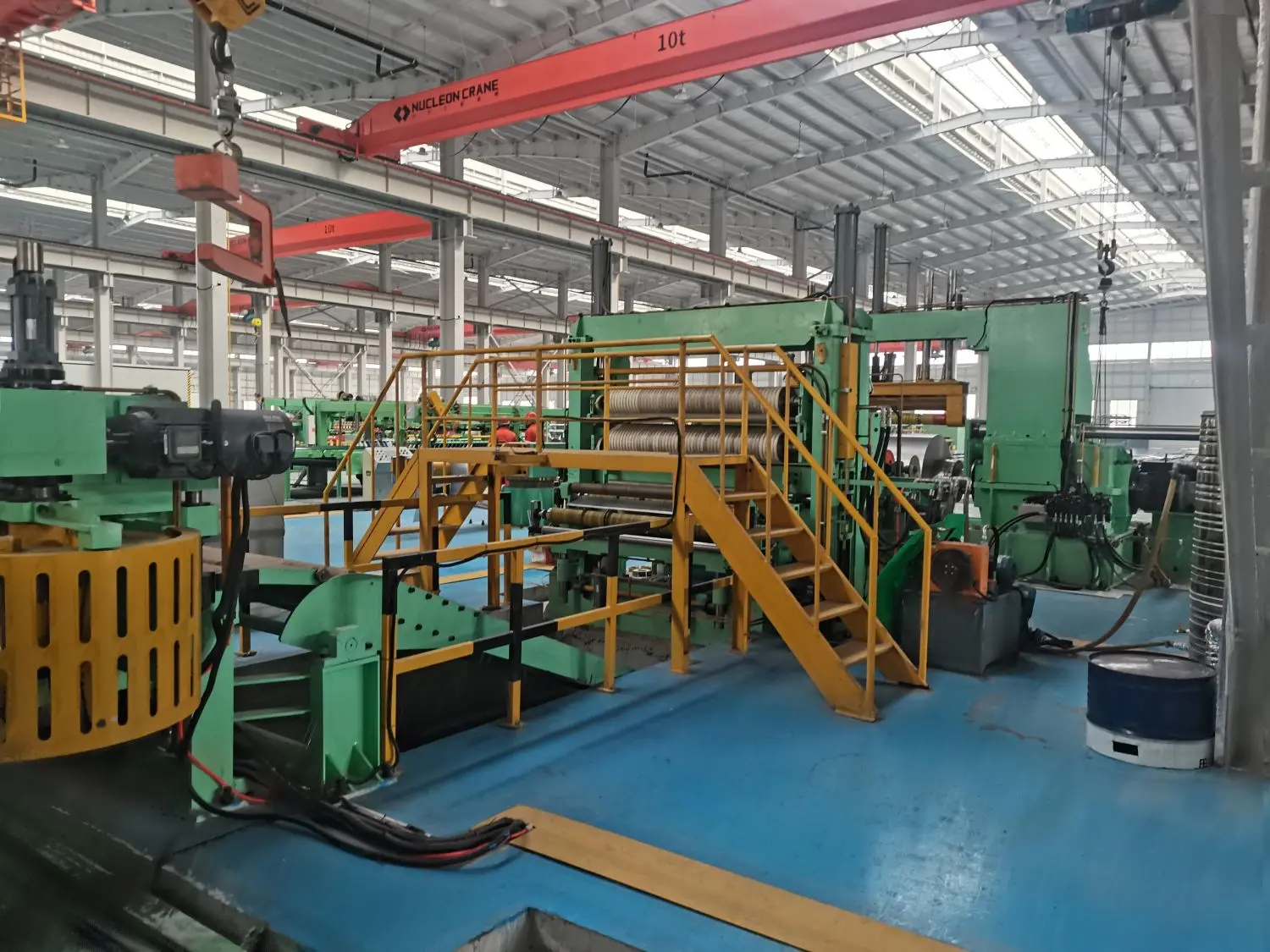
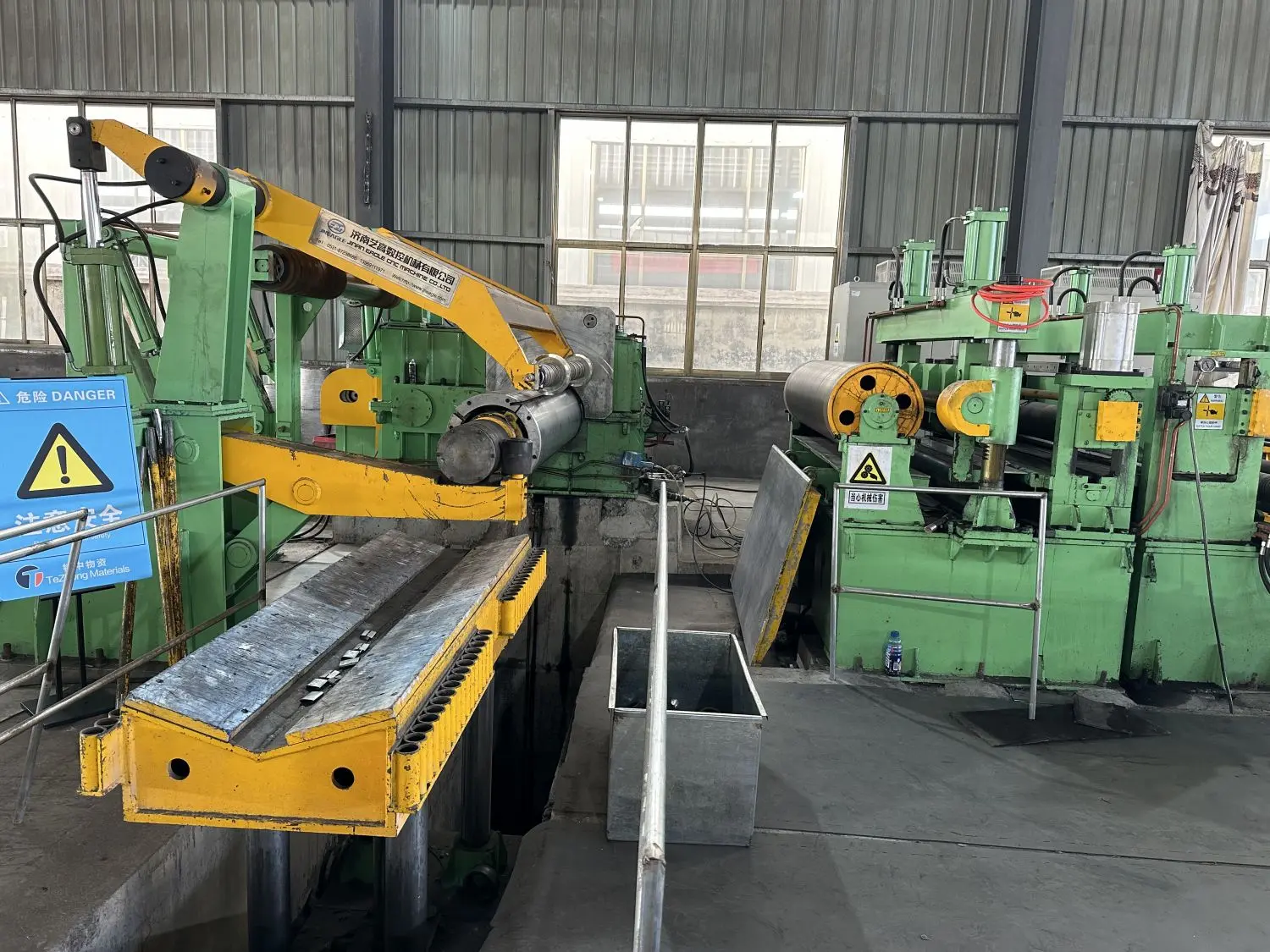
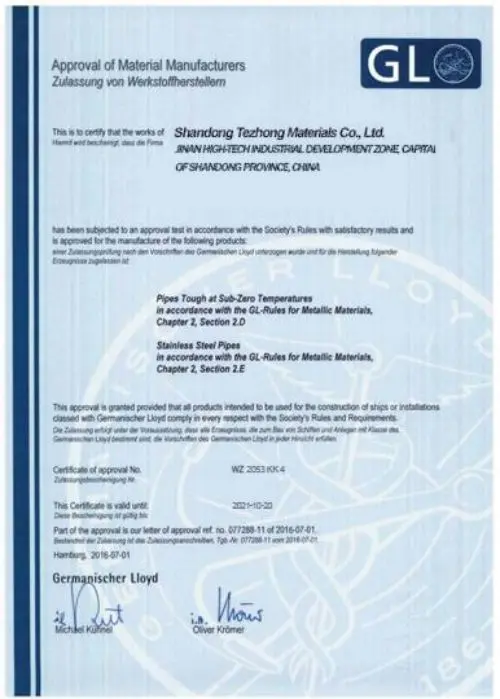
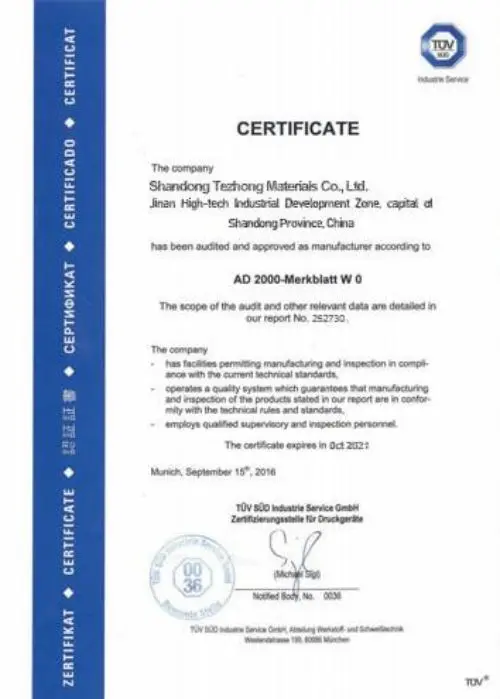
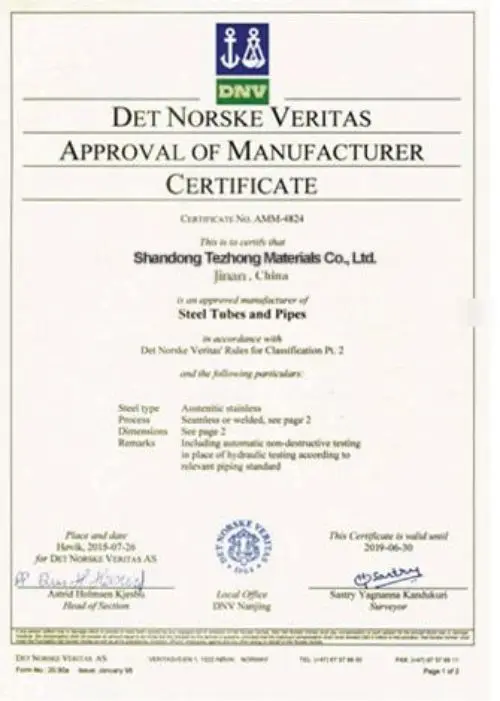
We maintain certified quality control systems. Below are our official certifications, demonstrating our compliance with international quality management standards:
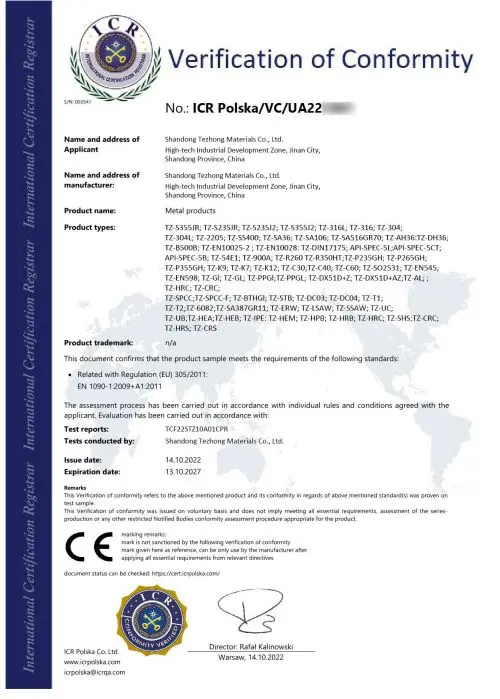
Moving scrap metal and secondary materials across international borders is subject to strict regulatory oversight. To keep transactions running smoothly, Shandong Tezhong Materials Co., Ltd. works closely with suppliers to manage cross-border compliance:
Basel Convention & Transboundary Regulations: The movement of waste materials is governed by international law. We help suppliers classify and document their metal scrap to meet Basel Convention requirements, avoiding unexpected delays or port impoundments.
Customs and Tariff Optimization: Working with our customs brokers in Tianjin and Wuxi, we help partners structure bills of lading and classification codes. This ensures shipments meet local tax laws and tariff regulations in destination ports across Europe, Southeast Asia, and North America.
Secure Financial Settlements: To protect both parties, we offer structured payment methods, including irrevocable Letters of Credit (L/C) and wire transfers (T/T), tied to independent inspection reports from agencies like SGS or CCIC.
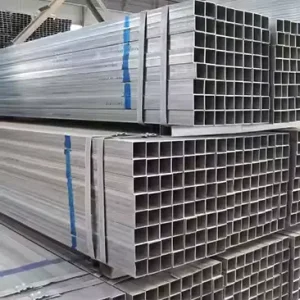
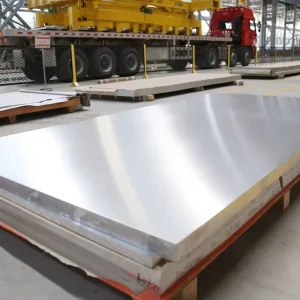
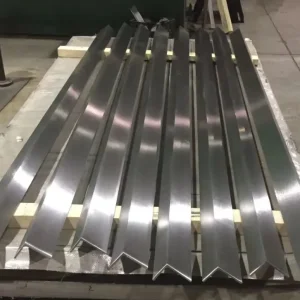

 Tezhong