In modern industrial manufacturing, copper-based alloy wires are critical elements driving electromechanical innovation, telecommunications systems, renewable energy matrices, and microelectronic integration. As industrial systems demand higher reliability under harsh environmental parameters, procurement directors are shifting towards strategic partnerships that offer optimized price-to-performance ratios.
The pricing paradigm of copper alloy wires has historically been dominated by high overhead costs in Western manufacturing hubs. Today, advanced Chinese metallurgical clusters have reorganized the cost structure. Through scale aggregation, direct access to raw cathode materials, and vertical production integration, China-based manufacturers supply copper alloy wires that meet stringent global standards—such as ASTM, EN, DIN, and JIS—at a significantly reduced unit price. This commercial shift allows global OEMs to maintain healthy margins while engineering advanced automotive components, spring elements, connectors, and EDM (Electrical Discharge Machining) systems.
High-conductivity and high-fatigue brass and bronze wires are widely used in EV wire harnesses, sensor systems, charging connector pins, and control terminals where mechanical stability and corrosion resistance are non-negotiable.
Micro-fine copper-based alloy wires are critical for RF connectors, micro-switches, and semiconductor lead frames. Exceptional electrical conductivity and high elongation parameters ensure durability in ultra-miniature architectures.
Precision EDM brass wires offer high tensile strength and fast cutting speeds, enabling complex mold designs and aerospace components with clean dimensional control.
Copper based alloy wires are categorized based on their alloying elements, which dictate their electrical, thermal, and mechanical responses. Shandong Tezhong Materials Co., Ltd. customizes the chemical formulations and temper values of copper alloys to match critical operating conditions, including high thermal fatigue, extreme electrical load, and corrosive environments.
| Alloy Class | Common Grade | Composition Profile | Key Properties | Primary Industrial Use |
|---|---|---|---|---|
| Brass Wire | C2600, C2700, C2720 | Cu-Zn (60/40 to 70/30) | Excellent ductility, weldability, corrosion resistance | Rivets, fasteners, electrical contacts, EDM wire |
| Phosphor Bronze | C5100, C5191, C5210 | Cu-Sn-P (4-9% Sn, <0.35% P) | High fatigue limit, superior wear resistance | Precision springs, bellows, diaphragms, sensor pins |
| Copper-Nickel (Cupronickel) | C7100, C7521, C7700 | Cu-Ni-Zn (Nickel Silver) | Deep silver luster, bio-fouling resistance | Marine fittings, resistor elements, zip wires |
| Silicon Bronze | C65100, C65500 | Cu-Si-Mn (1.5-3.5% Si) | High strength, gas-shielded arc welding properties | Aviation fasteners, marine structures, structural joints |
Managing the balance between mechanical tensile strength and electrical conductivity (% IACS) is the hallmark of advanced metallurgy. By employing controlled cold drawing and continuous annealing cycles, we can customize the grain structure of our wire products, ensuring they operate seamlessly in automated high-speed wire winding or stamping machines without breakage or micro-cracking.
Years of Metallurgical History (Since 1997)
Total Capital Assets (RMB Yuan)
Annual Production Capacity (Tons)
Dedicated Engineering & Tech Staff
The manufacturing integrity of copper-based alloy wire is defined by the purity of raw materials and the precision of thermal-mechanical processes. The following technical roadmap highlights how we maintain zero-defect standards while keeping our production costs highly competitive.
We source cathode copper of >99.95% purity. Smelting is executed under protective atmospheres to prevent gas absorption (oxygen, hydrogen, nitrogen) which causes structural porosity and brittleness in fine wires.
Heavy rods are drawn through successive tungsten carbide dies. This stage reduces the diameter while aligning the crystalline grain structure of the alloy, strengthening the wire through work-hardening.
To restore ductility, the cold-worked wire is processed in hydrogen/nitrogen atmosphere annealing furnaces. This prevents oxidation and ensures a bright, clean, oil-free surface finish.
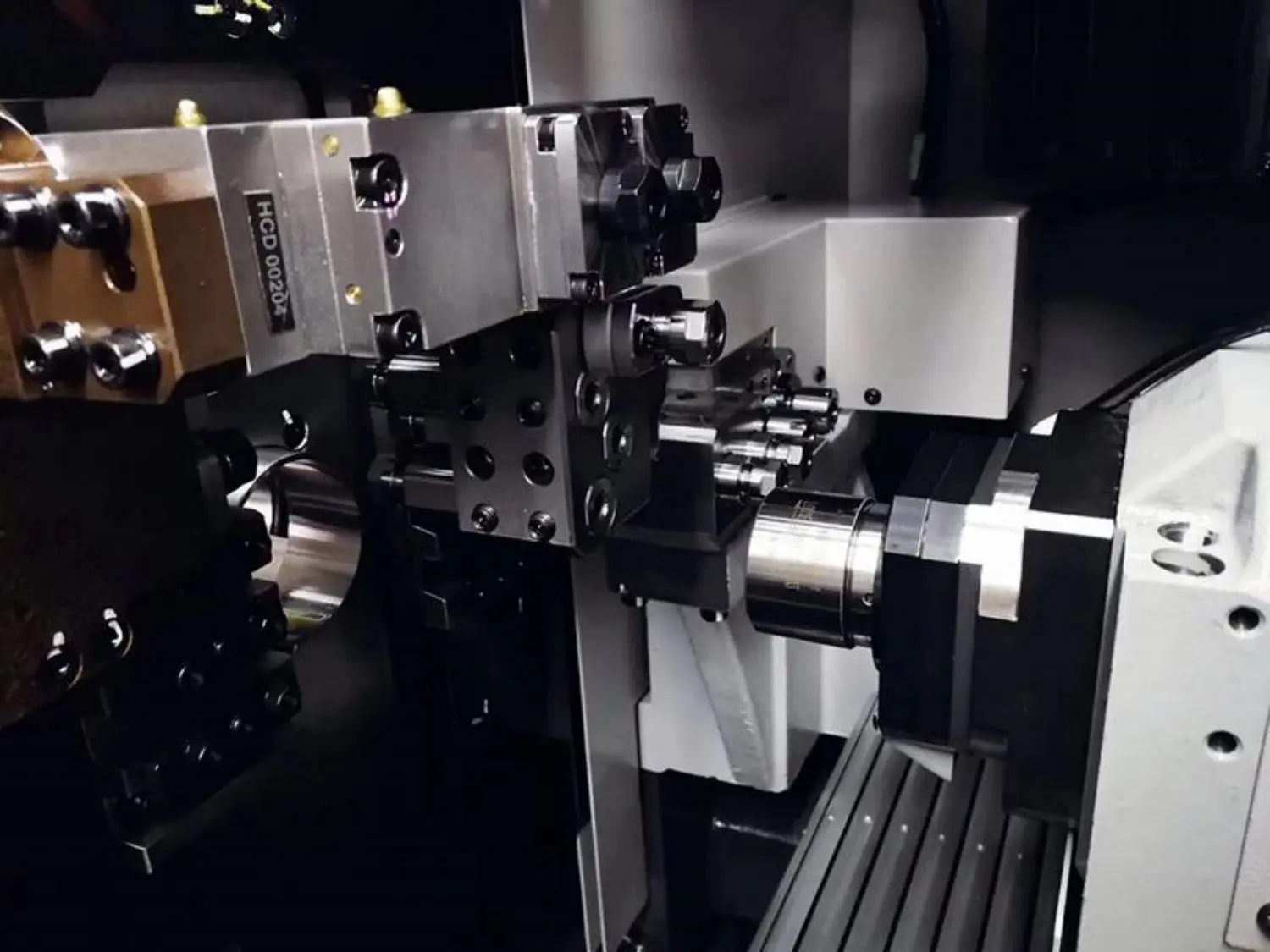
For micro-electronics and EDM applications, wires are drawn through natural or synthetic diamond dies. Lubricants are thermally regulated to ensure uniform roundness, tight tolerances (up to ±0.001mm), and custom coatings (tin, nickel, silver, or zinc).
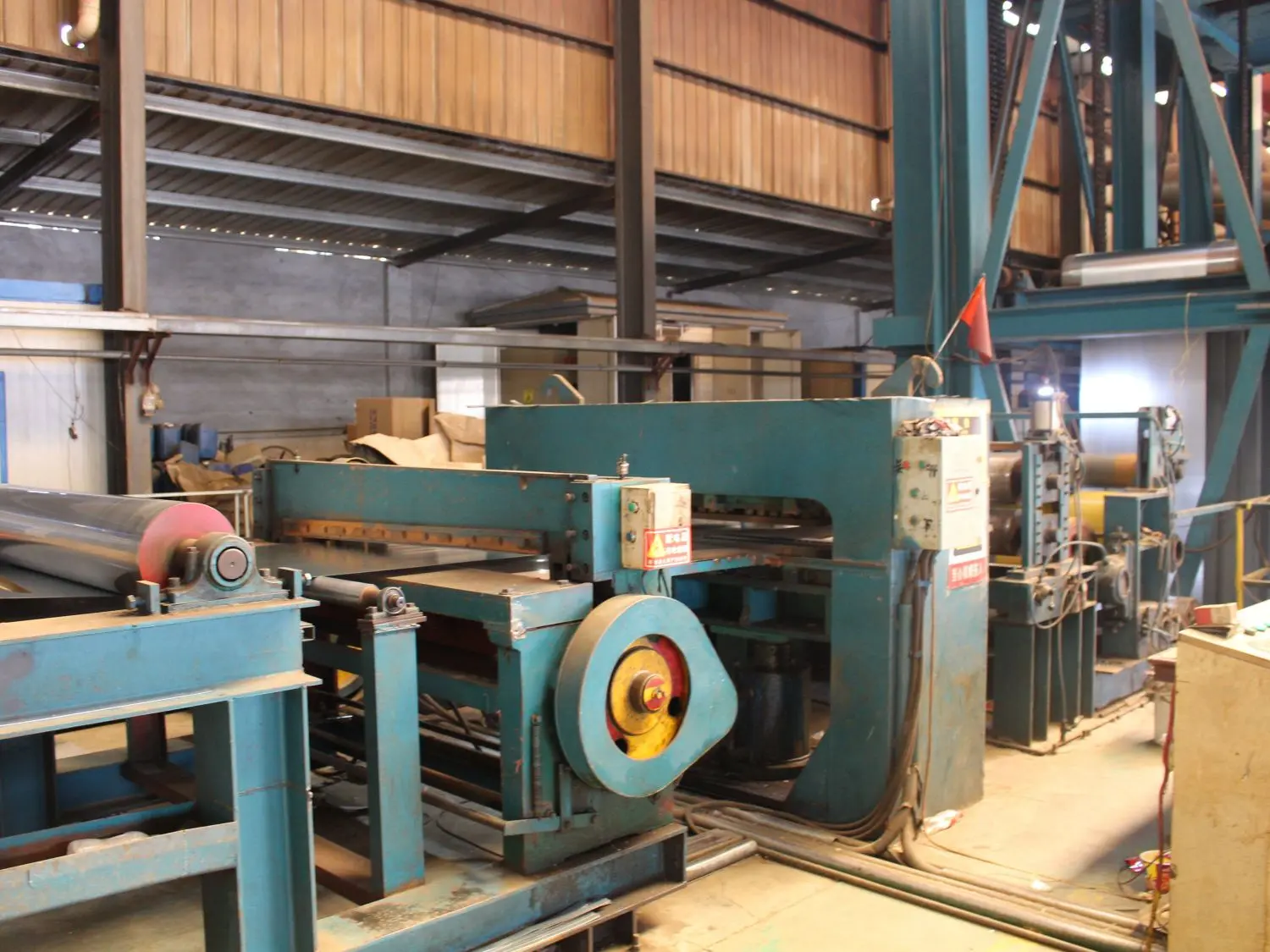
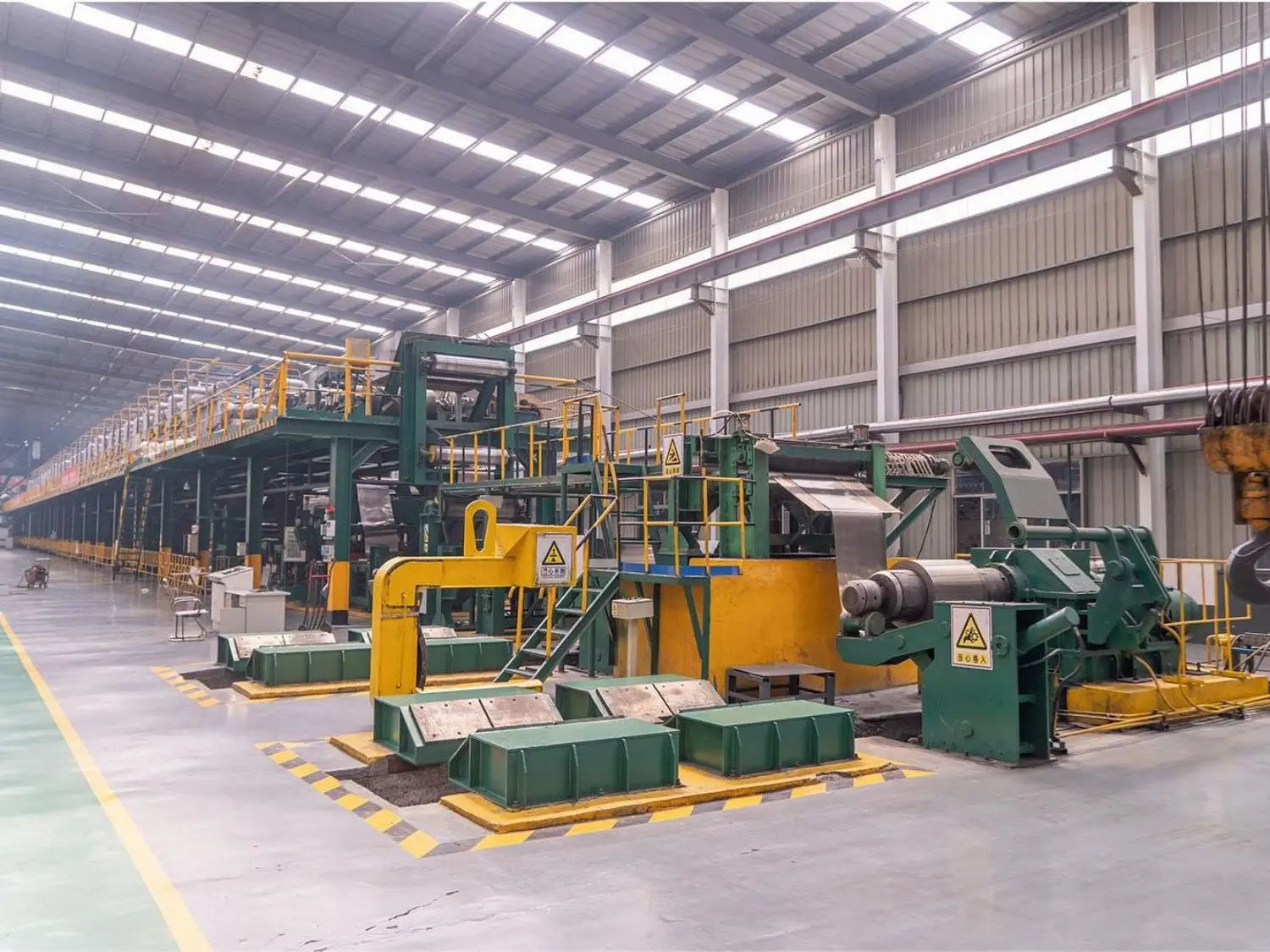
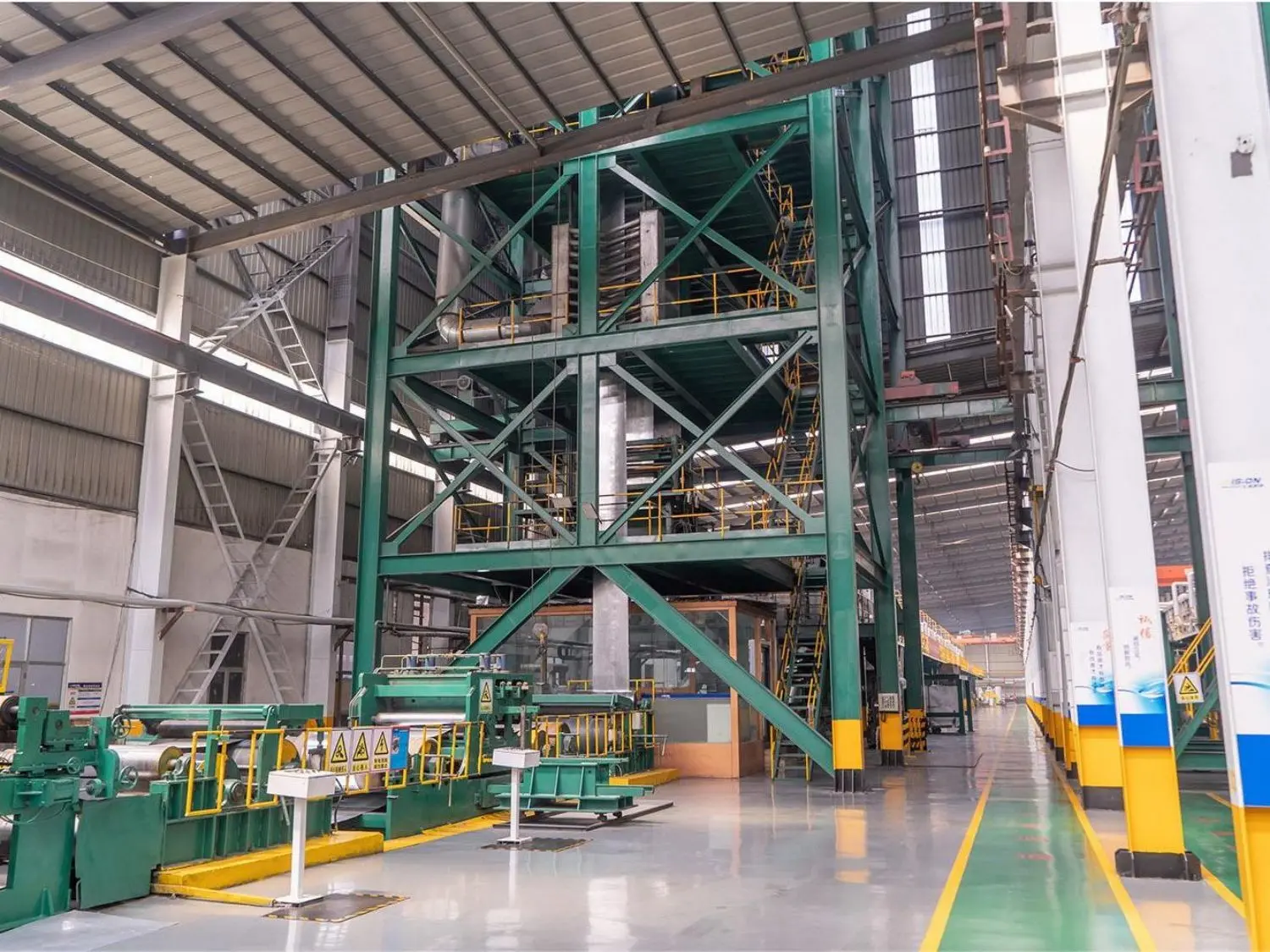
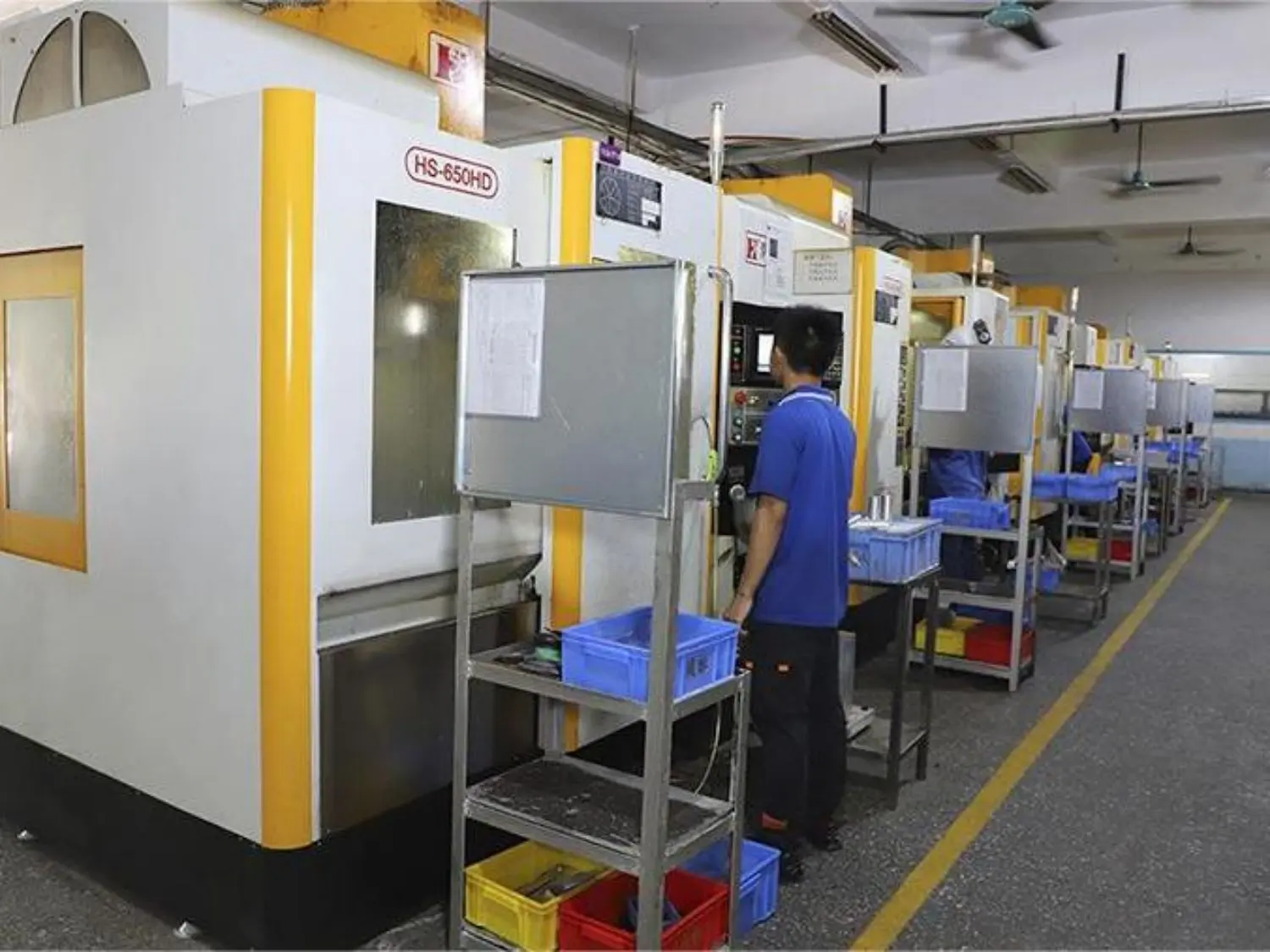
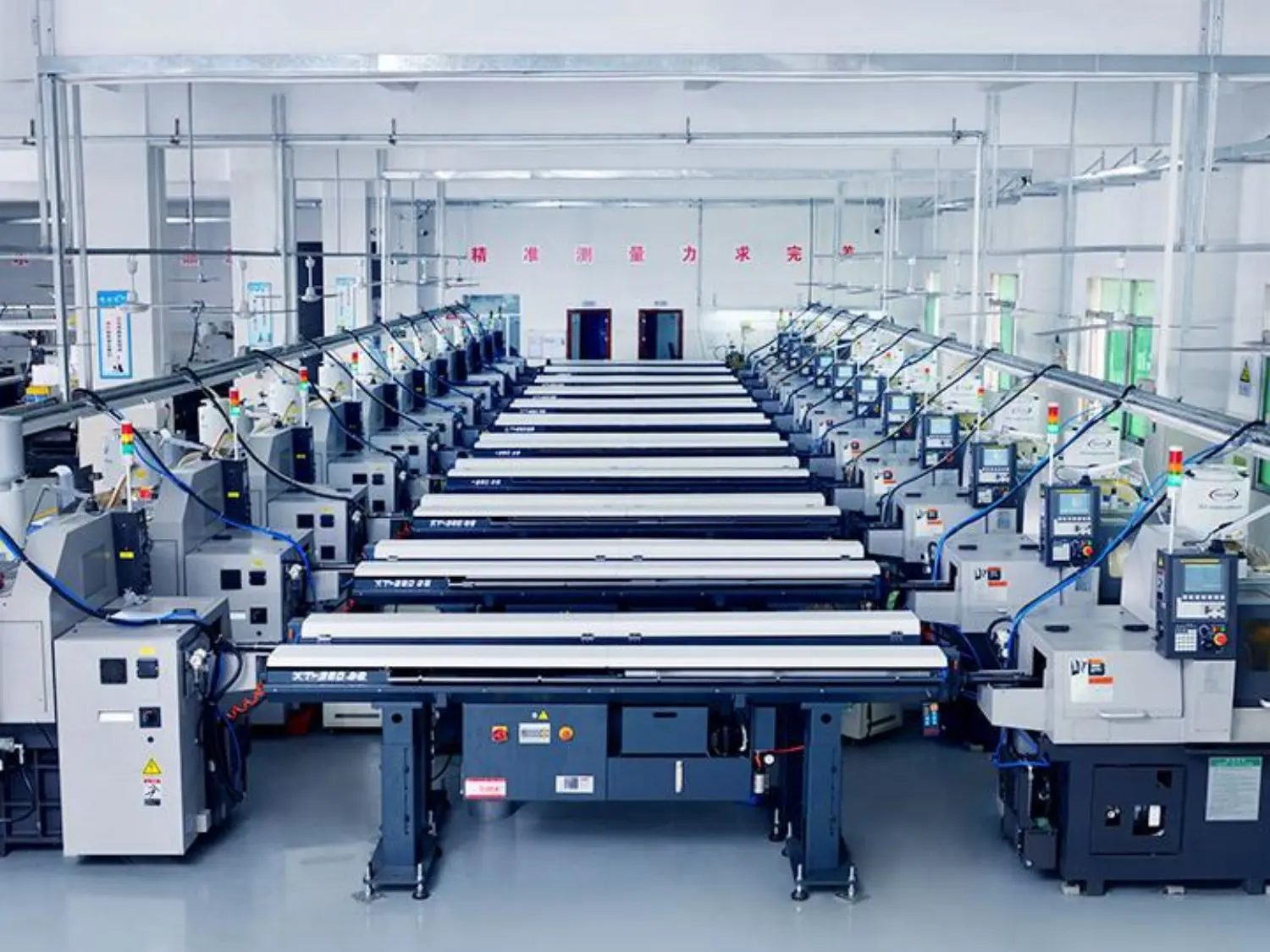
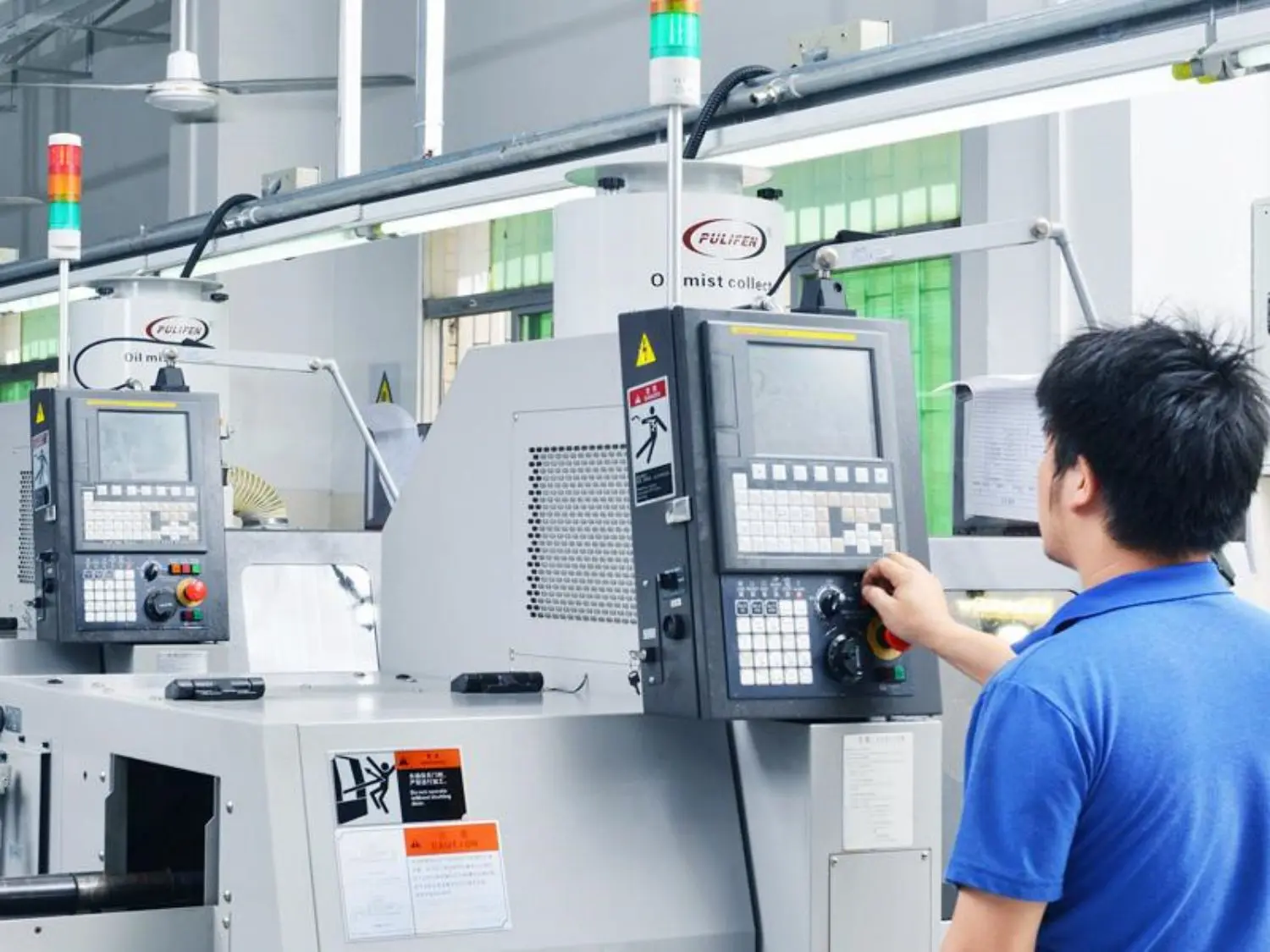
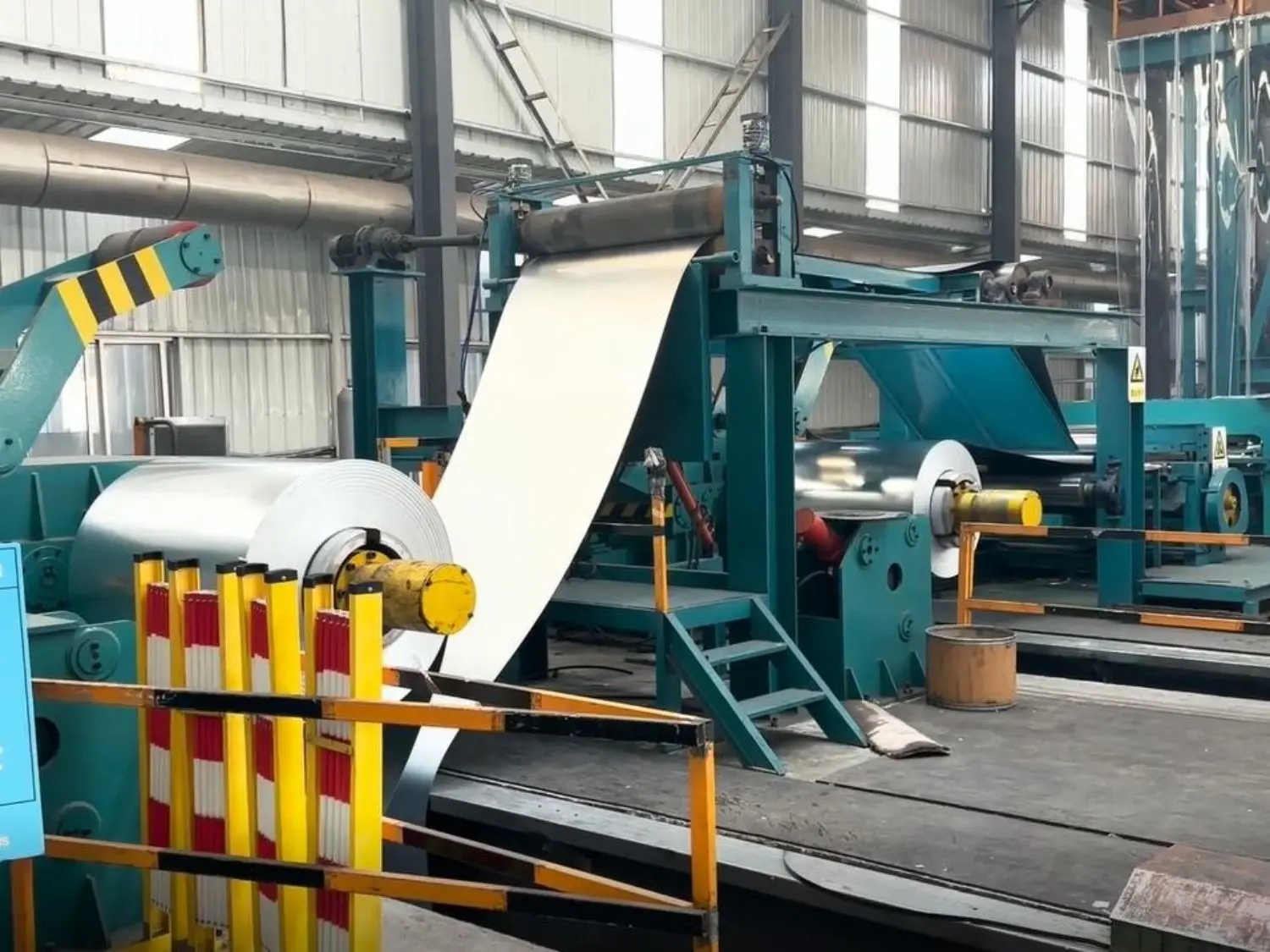
As a leading global supply chain partner, Shandong Tezhong Materials Co., Ltd. integrates metallurgy, fabrication, and international logistics. With a registered capital of 100 million yuan, a modern industrial park covering 15,000 square meters, and total assets of 1.2 billion yuan, we are structured to support industrial demands at any scale. Our manufacturing setup features highly optimized energy, power, and environmental filtration systems, demonstrating our commitment to sustainable metallurgy.
Our technology center ranks second among 575 national enterprise technology centers. This allows us to rapidly prototype, formulate, and test custom alloys for specialized client requests.
With four large service outlets located in Tianjin, Wuxi, Binzhou, and Liaocheng, we ensure consistent inventories and efficient port access for fast transit to Europe, the Americas, Asia, and the Middle East.
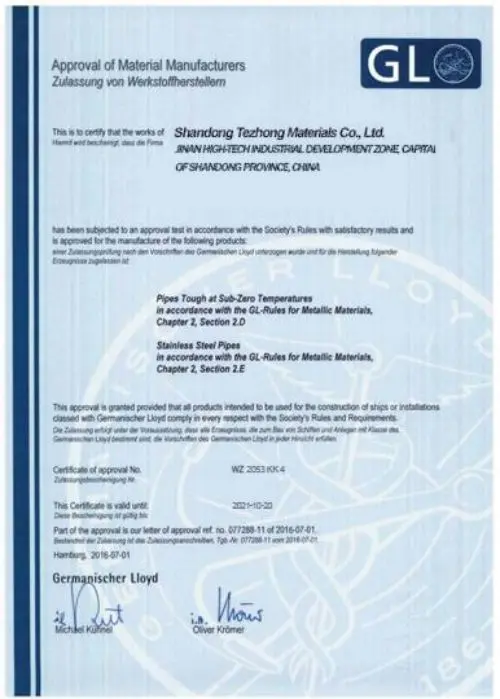
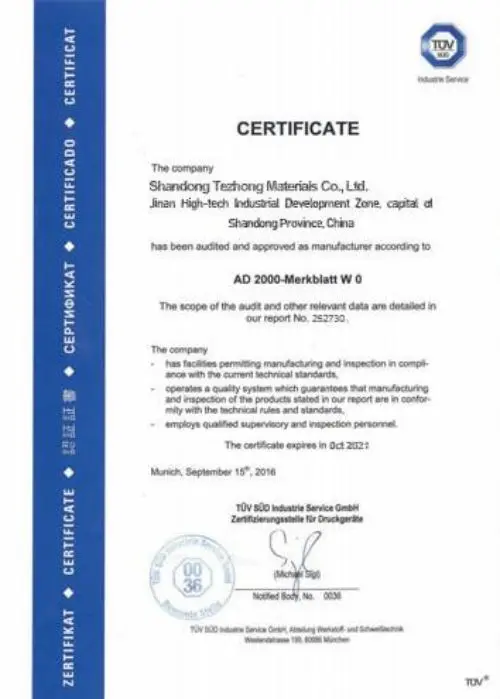
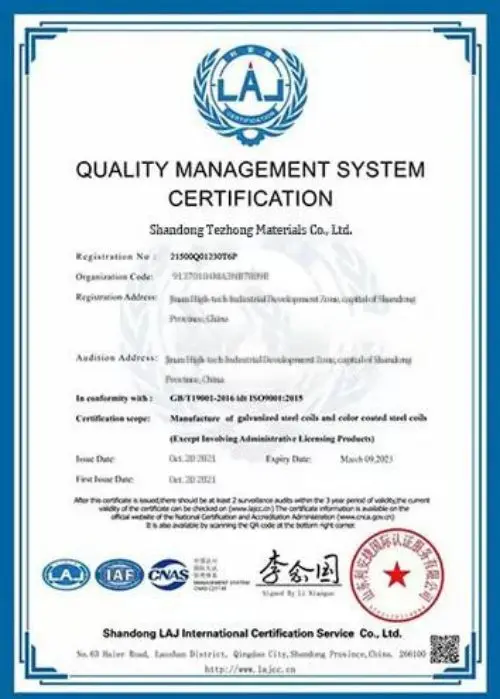
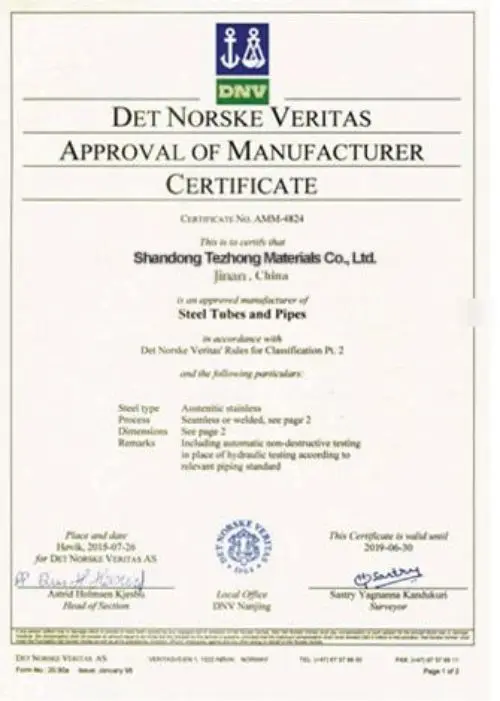
We were among the early adopters in our region to secure ISO9001 quality system certification. We perform trace spectral analysis and mechanical property testing on every batch of metal shipped.
Metallurgists with decades of experience who oversee structural innovations and provide strategic engineering support.
Responsible for process control, ensuring consistent thermal treatments and stable wire-drawing metrics.
Focus on green metallurgy, developing copper-based alloys that comply with RoHS and REACH regulations.
Manage dimensional tolerances, surface defect testing, and mechanical validation from raw inputs to shipment.
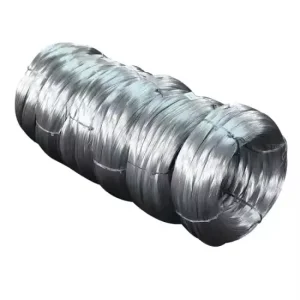
As a global exporter, we understand that physical delivery is just as critical as material quality. Copper and its alloys are highly sensitive to surface oxidation and humidity. To safeguard the structural integrity of our wires during maritime transit, we employ multi-layered protective packaging protocols:
Every spool or coil is wrapped with Volatile Corrosion Inhibitor (VCI) films that neutralize acidic atmospheric agents, preventing oxidation during sea transit.
We provide multiple carrier options including plastic DIN spools (DIN 125, DIN 160, DIN 200, DIN 250), steel reels, and customized coils for automated payout systems.
Seaworthy wooden cases with internal steel frames are used for ocean freight. This prevents shifting or deformation under high stacking pressures.
We ensure our materials comply with international regulations such as RoHS (Restriction of Hazardous Substances) and REACH, which are mandatory for electronic applications in European and North American markets. Mill Test Certificates (MTC) detailing chemical composition, yield strength, tensile strength, and electrical conductivity parameters are issued for every shipment.
 Tezhong