The global enameled copper wire market is undergoing a fundamental shift. As the world pivots toward net-zero emissions, the demand for high-efficiency magnet wire has reached an all-time high. Enameled copper wire, often referred to as "magnet wire," is the backbone of the modern electrical world, converting electrical energy into mechanical energy and vice versa within motors, transformers, and generators.
Wholesale prices are dictated by the London Metal Exchange (LME) copper prices combined with fabrication premiums. Current trends show a 4.5% CAGR, driven by the EV revolution and smart grid upgrades in North America and Asia-Pacific.
Manufacturers are now focusing on vertical integration—from copper cathode sourcing to ultra-fine drawing—to mitigate price volatility and ensure a stable supply for industrial giants.
The "Green Copper" initiative is gaining traction. Leading factories are implementing carbon-neutral production lines, utilizing recycled high-purity copper to reduce the environmental footprint of heavy electrical machinery.
For procurement directors, understanding the enameled copper wire price requires a deep dive into metallurgical grades (Grade 1 vs. Grade 2 insulation), thermal classes (130°C to 240°C), and the technical nuances of the enameling resins (Polyurethane, Polyesterimide, or Polyamide-imide).
To provide true Information Gain, we must look beyond the surface. The quality of enameled wire is defined by its ability to withstand electrical stress, thermal overload, and mechanical abrasion.
Our facility utilizes multi-die continuous drawing machines that reduce 8mm copper rods down to micro-diameters (0.02mm) while maintaining a surface roughness of less than 0.1μm. This ensures that the enamel coating adheres uniformly, preventing dielectric breakdown at high voltages.
Different applications demand specific chemical compositions:
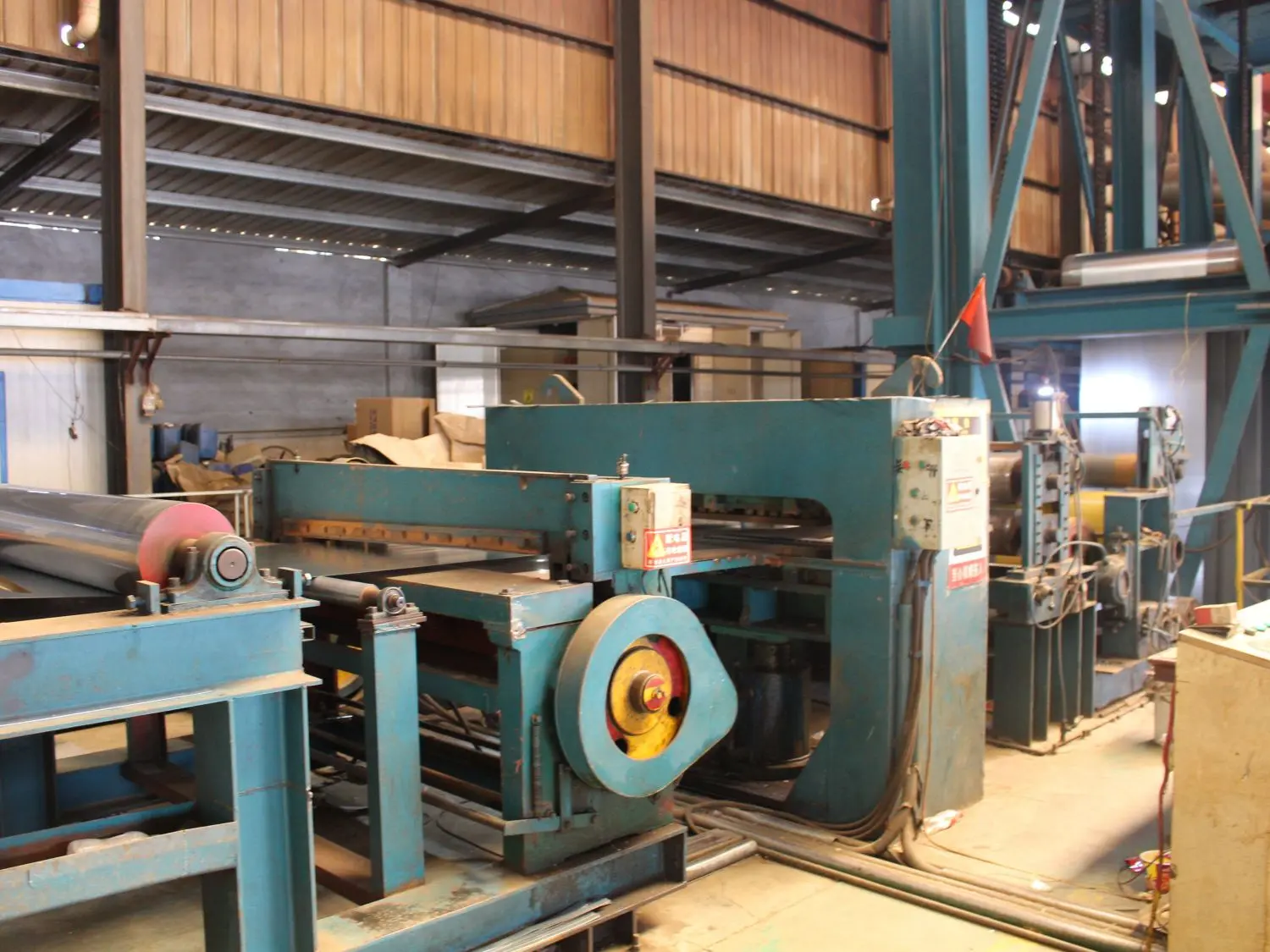
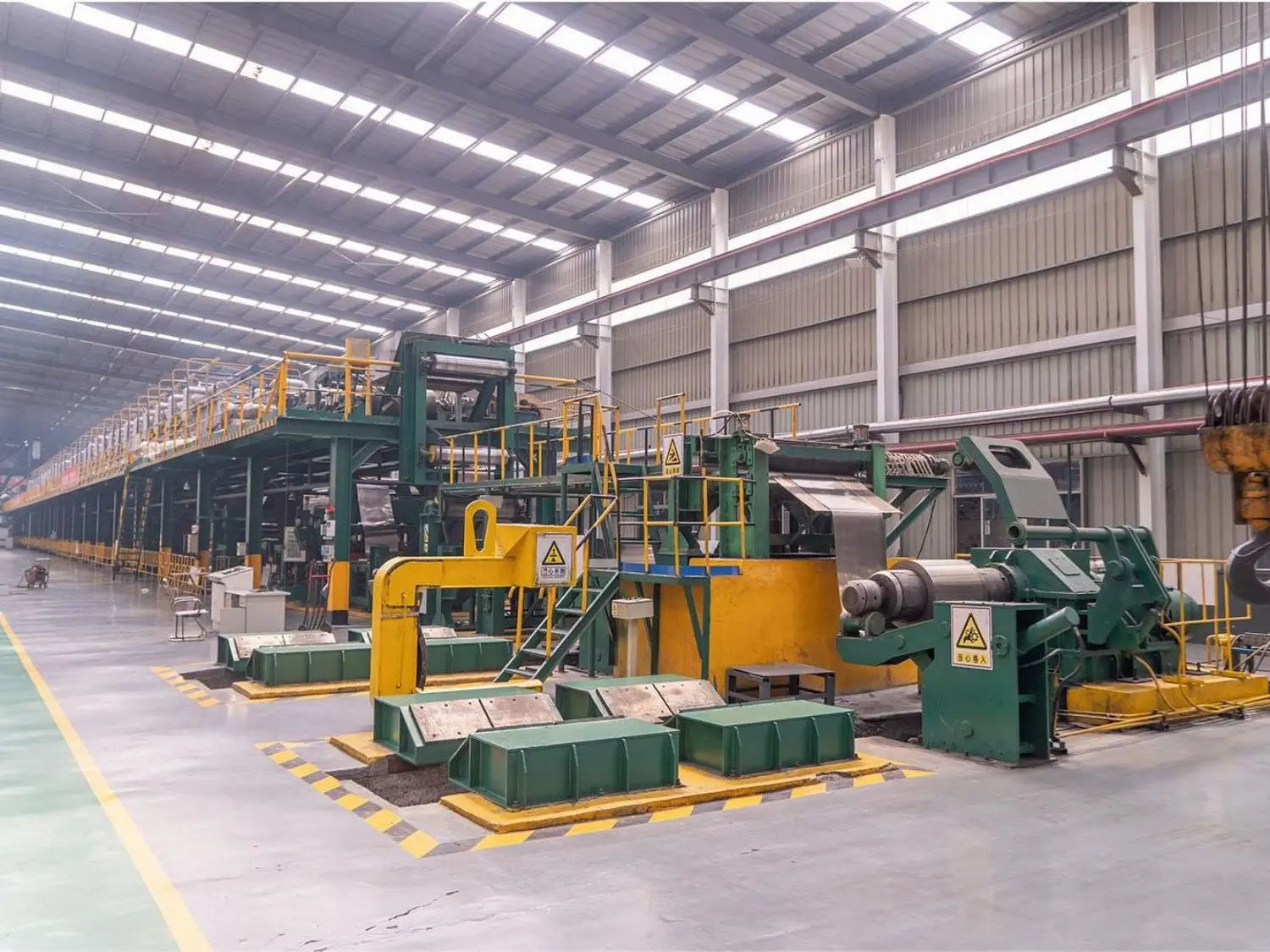
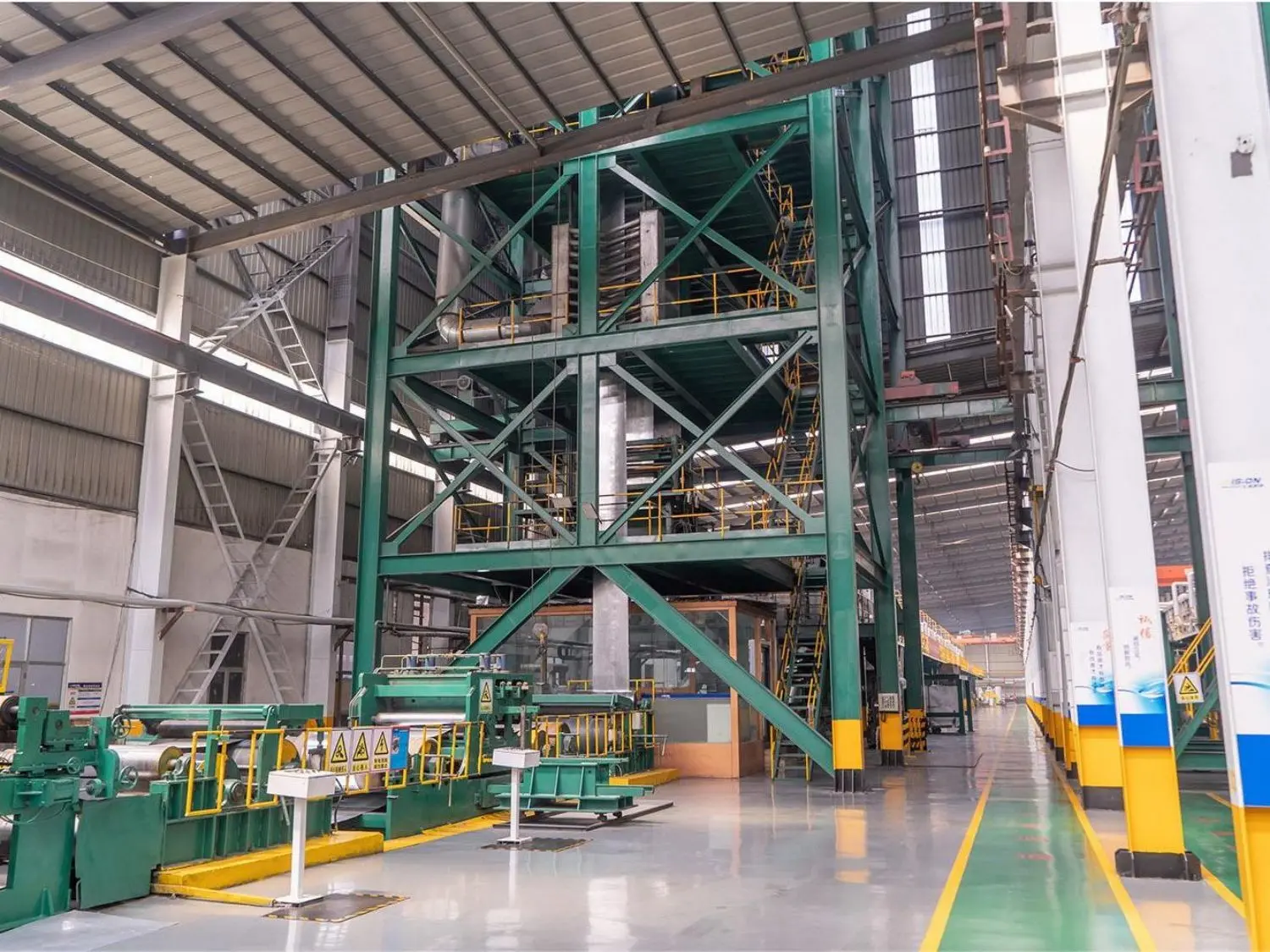
Shandong Tezhong Materials Co., Ltd. is a premier supply chain leader integrating carbon steel, coated steel, and high-performance alloy products. With a registered capital of 100 million yuan and assets totaling 1.2 billion yuan, we represent the pinnacle of industrial reliability.
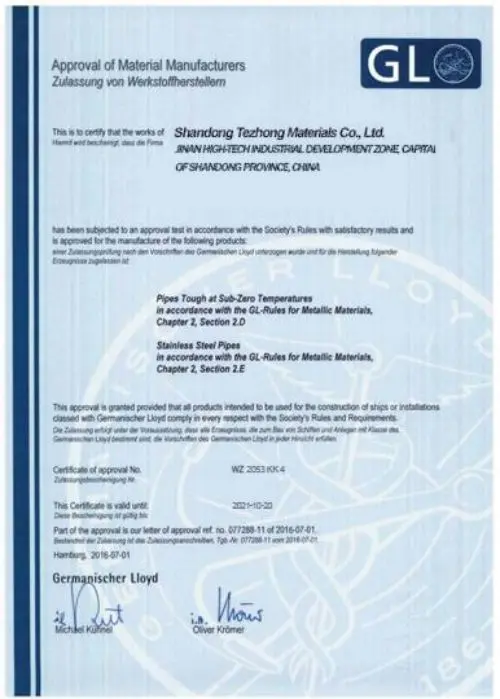
Engaged in the metal industry since 1997, we were among the first to achieve ISO9001 certification. Our technical monitoring spans every batch of material produced.
With 4 major outlets in Tianjin, Wuxi, Binzhou, and Liaocheng, we export to Europe, America, and Asia, serving sectors like Aerospace, Marine Engineering, and Nuclear Power.
Our enterprise technology center ranks 2nd among 575 national centers, dominating market shares in axle steel, coinage, and railway construction materials.
Enameled copper wire is not a "one-size-fits-all" product. Localization requires adhering to regional standards such as NEMA MW 1000 (North America), IEC 60317 (International), and JIS C 3202 (Japan).
Drive motors in EVs require enameled wire with superior corona resistance to withstand the high-frequency voltage surges from inverters.
Wind turbine generators utilize high-thermal-class wire to handle extreme temperatures and vibration in offshore environments.
From smartphone haptic motors to high-fidelity audio coils, ultra-fine wire ensures miniaturization without losing power efficiency.
Our localized support includes providing Mill Test Certificates (MTC), RoHS and REACH compliance documentation, and DDP (Delivered Duty Paid) logistics solutions. We understand the import regulations of major industrial hubs, ensuring seamless customs clearance for our international partners.
The price is a composite of the LME Copper Base Price + Fabrication Charge + Enamel Resin Cost + Packaging/Spooling. Large-scale wholesale orders benefit from lower fabrication premiums due to economies of scale.
These grades refer to the thickness of the enamel coating. Grade 2 is thicker than Grade 1, providing higher dielectric strength (breakdown voltage) but resulting in a slightly larger outer diameter.
Yes. For high-frequency needs (like wireless charging or RF transformers), we recommend Litz wire or enameled wire with specific PAI overcoats to minimize skin effect losses.
We use laser-based diameter monitoring and continuous high-voltage spark testers on the production line to detect insulation pinholes in real-time.
The future of magnet wire lies in Material Hybridization and AI-Driven Manufacturing. We are currently researching Carbon Nanotube (CNT) enhanced copper for super-conductivity and bio-based enamel resins to replace petroleum-derived chemicals.
As 800V EV architectures become the standard, our roadmap includes the mass production of PEEK-insulated wire, offering unprecedented resistance to partial discharge and chemical solvents. By integrating AI monitoring in our drawing mills, we aim to reduce scrap rates by 15%, passing those savings directly to our wholesale clients.
 Tezhong