High-performance industrial metals, structural steel, and precision-coated materials manufactured for global motor, transformer, and infrastructure projects.
In the transition toward global electrification, the efficiency demands placed upon electric motor systems have intensified. Modern rotating electric machines, ranging from sub-kilowatt servo motors to multi-megawatt industrial drivetrains and electric vehicle (EV) traction units, depend heavily on the structural and electrical properties of their core materials. Among these, copper winding wire represents the vital circulatory system of the electromagnetic circuit. The physical efficiency of a motor is directly proportional to the conductivity and slot fill factor of its winding configuration.
This comprehensive technical whitepaper explores the supply-side dynamics, material sciences, pricing benchmarks, and global logistics systems that support high-efficiency motor production. Backed by the robust supply chain capacity of Shandong Tezhong Materials Co., Ltd., we deliver the analytical insights required by industrial procurement managers, engineering designers, and global distributors to mitigate pricing volatility while securing aerospace and military-grade metallic substrates.
A reliable motor does not rely solely on its internal winding layout; it demands a synergy of outer protection, structural framing, and superior conducting materials. By aligning high-conductivity magnet wire with structural components like heavy hot-rolled steel H-beams, high-strength corrosion-resistant aluminum rods for rotor cages, and precise stainless steel sheets for component housings, manufacturers can achieve optimal structural integrity and thermal management.
Achieving a high slot fill factor using precision-extruded copper or specialized flat wires reduces copper loss (I²R) and increases maximum torque output.
High-temperature class (such as Class H, N, or R) enameled wire insulation paired with PVDF-coated heat shields protects motor internal structures from thermal degradation.
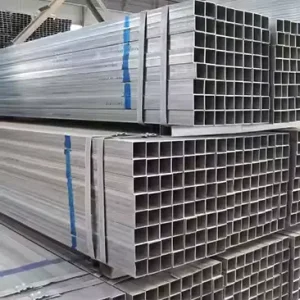
From the casing framework (utilizing structural H-beams and structural tubes) to the rotor shafts (utilizing SUS630 17-4PH bars), mechanical resilience prevents physical deformation under high stress.
Shandong Tezhong Materials Co., Ltd. is a premier, integrated supply chain enterprise specialized in carbon steel, coated steel, stainless steel, and high-performance metal products. Operating with a registered capital of 100 million Yuan, our infrastructure covers approximately 15,000 square meters with total corporate assets valued at 1.2 billion Yuan.
Our operation currently employs more than 900 dedicated personnel, which includes a core brain-trust of over 100 senior managers, holders of senior professional titles, and specialized technical engineers. These experts possess solid theoretical foundations alongside vast, practical metallurgical experience. By integrating advanced production lines spanning coking, sintering, steelmaking, and high-precision steel rolling (accompanied by custom energy and power facilities), we have established a highly systematized, modern manufacturing operation.
Established in 1997, our organization was among the pioneering batch of Chinese metal supply enterprises to secure the prestigious ISO9001 Quality System Certification. With advanced production management protocols and real-time laboratory inspection capabilities, we enforce rigorous quality monitoring protocols on every batch of material leaving our facility. To facilitate rapid global delivery, we operate four large-scale logistic outlets situated at Tianjin, Wuxi, Binzhou, and Liaocheng. These hubs maintain high stock volumes year-round, ensuring an uninterrupted supply to customers worldwide.
Our metals and structural products are extensively integrated into critical sectors including aerospace engineering, marine offshore equipment, medical instruments, oil exploration, military defense systems, chemical processing, and nuclear power generation. According to national evaluations, our enterprise technology center ranks 2nd among 575 certified national technology centers, while securing the top domestic market share across 21 structural and metallurgical product categories.
The manufacturing cost of electric motors is highly sensitive to the cost of raw inputs, with copper winding wire representing a significant percentage of the active materials bill (BOM). Analyzing the pricing of copper winding wires requires an understanding of a multi-tiered cost structure:
| Insulation Class | Temperature Rating (°C) | Primary Polymer Material | Common Motor Applications |
|---|---|---|---|
| Class F | 155°C | Polyurethane / Polyester | Standard industrial motors, domestic appliances |
| Class H | 180°C | Polyesterimide (PEI) | Heavy-duty industrial motors, automotive components |
| Class C / K | 220°C - 240°C | Polyamide-imide (PAI) / Polyimide (PI) | EV traction motors, aerospace alternators, military-grade actuators |
For international motor manufacturers, purchasing copper winding wire and associated structural components involves managing currency fluctuations, logistics times, and commodity price volatility. Utilizing long-term supply agreements backed by large-scale manufacturers like Shandong Tezhong Materials Co., Ltd. allows buyers to lock in base metal prices and utilize reliable freight systems out of our Wuxi and Tianjin hubs. This strategic approach minimizes production stops caused by material shortages.
In modern industrial design, electric motors are treated as holistic thermodynamic and electromagnetic units. Optimizing the conductor is insufficient if the structural framing, shaft mechanical properties, or thermal casing design fails. We provide complete material portfolios for motor developers:
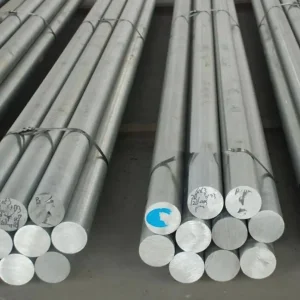
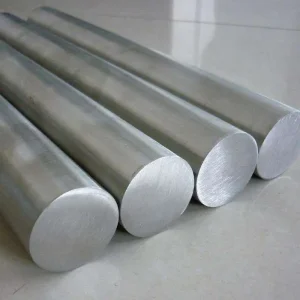
Modern high-speed motors subject rotor shafts to massive torsional loads. Using precision alloys such as SUS630 / 17-4PH precipitation hardening stainless steel ensures these shafts withstand rotational velocities exceeding 20,000 RPM. This material combines high tensile strength, fatigue resistance, and excellent corrosion resistance, preventing shaft deflection under load.
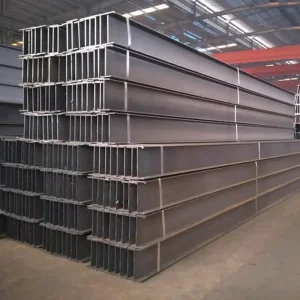
Large industrial motor installations (such as in mining, steel mills, and maritime propulsion) require rugged foundation supports. Structural H-beams (like ASTM A36 / SS400) form the rigid chassis needed to handle operational torque and vibrations, maintaining long-term motor-to-gearbox alignment.
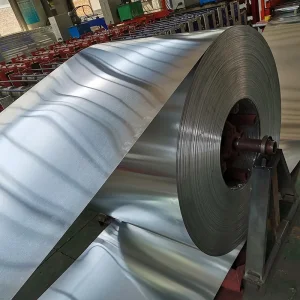
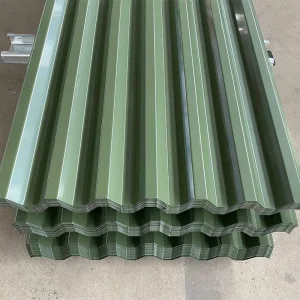
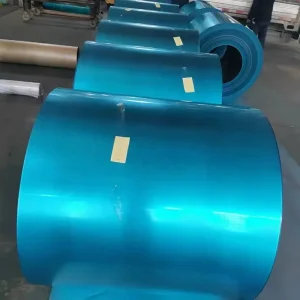
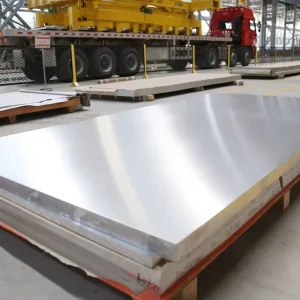
Thermal dissipation is key to motor efficiency. Using lightweight aluminum alloys (such as 3003/5052) for motor housing fins and cooling jackets maximizes thermal conductivity. PVDF or PE coated prepainted aluminum coils provide external weather protection for outdoor pumping stations and offshore installations.
Integrating enameled copper wire with flat rectangular cross-sections (hairpin technology) increases the copper slot fill factor to over 70%, improving torque density in electric vehicle drivetrains.
Industrial pumps and compressor motors require durable, chemical-resistant windings along with corrosion-resistant carbon steel piping and structural frameworks to ensure operational longevity in harsh environments.
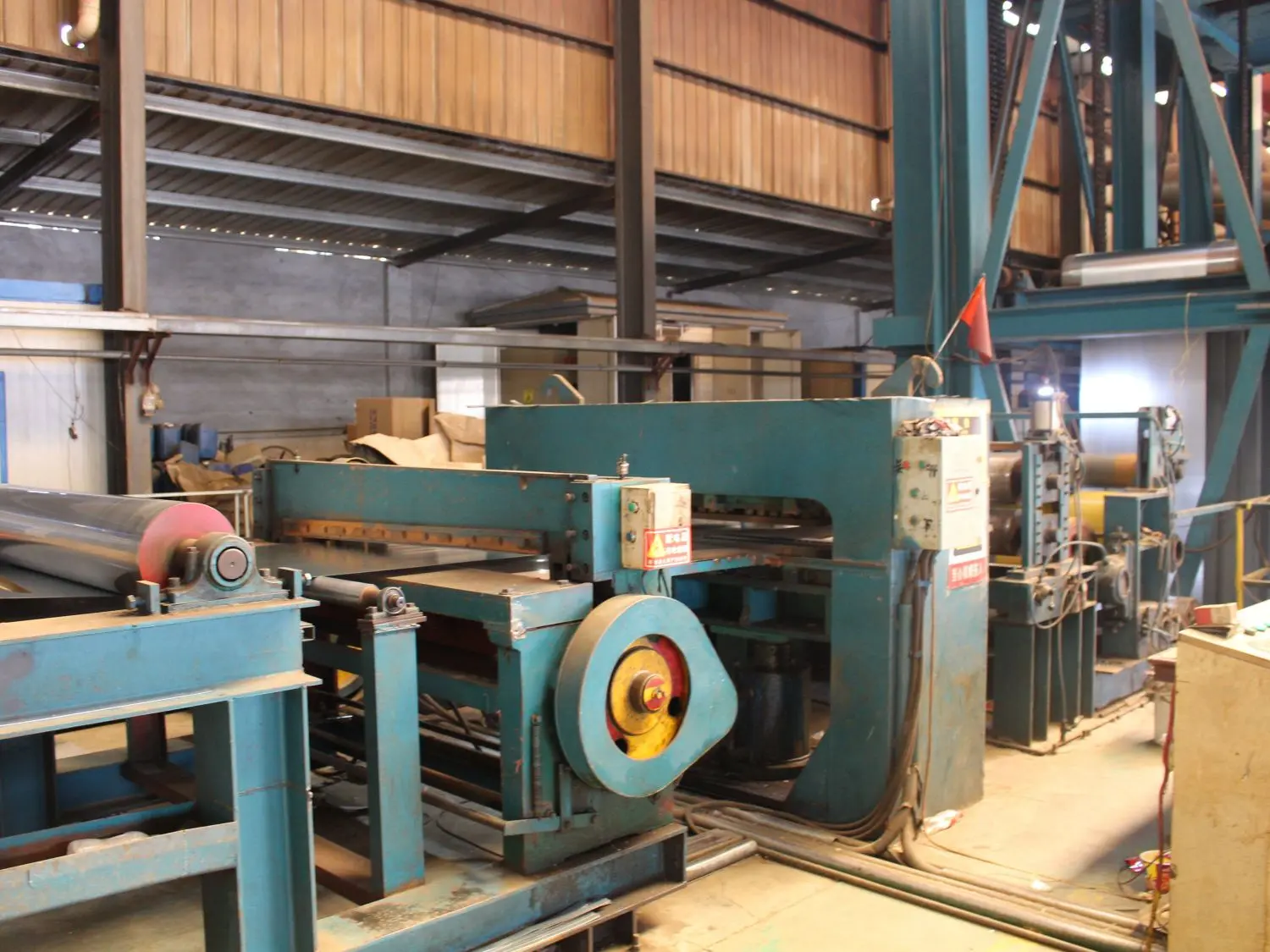
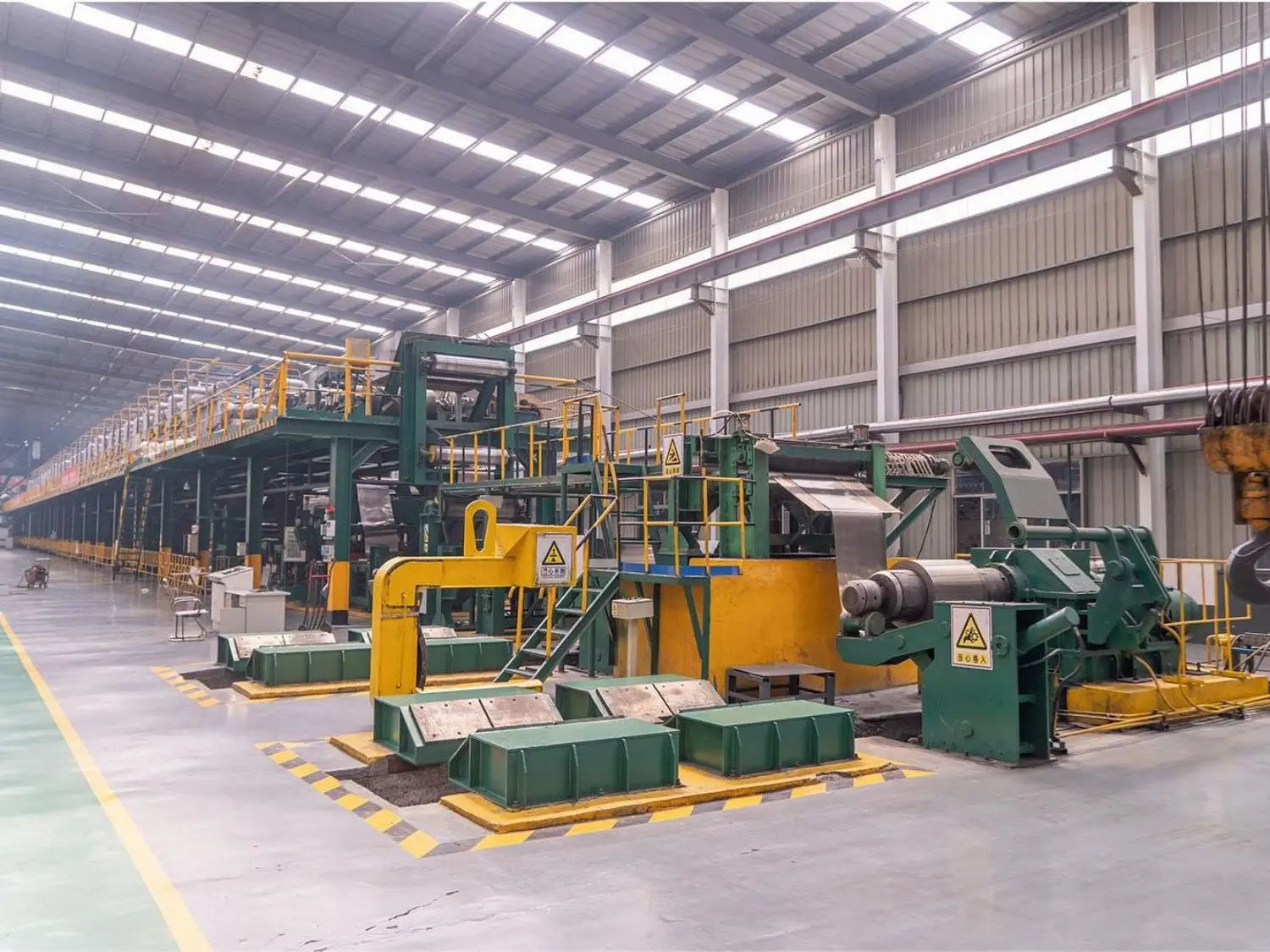
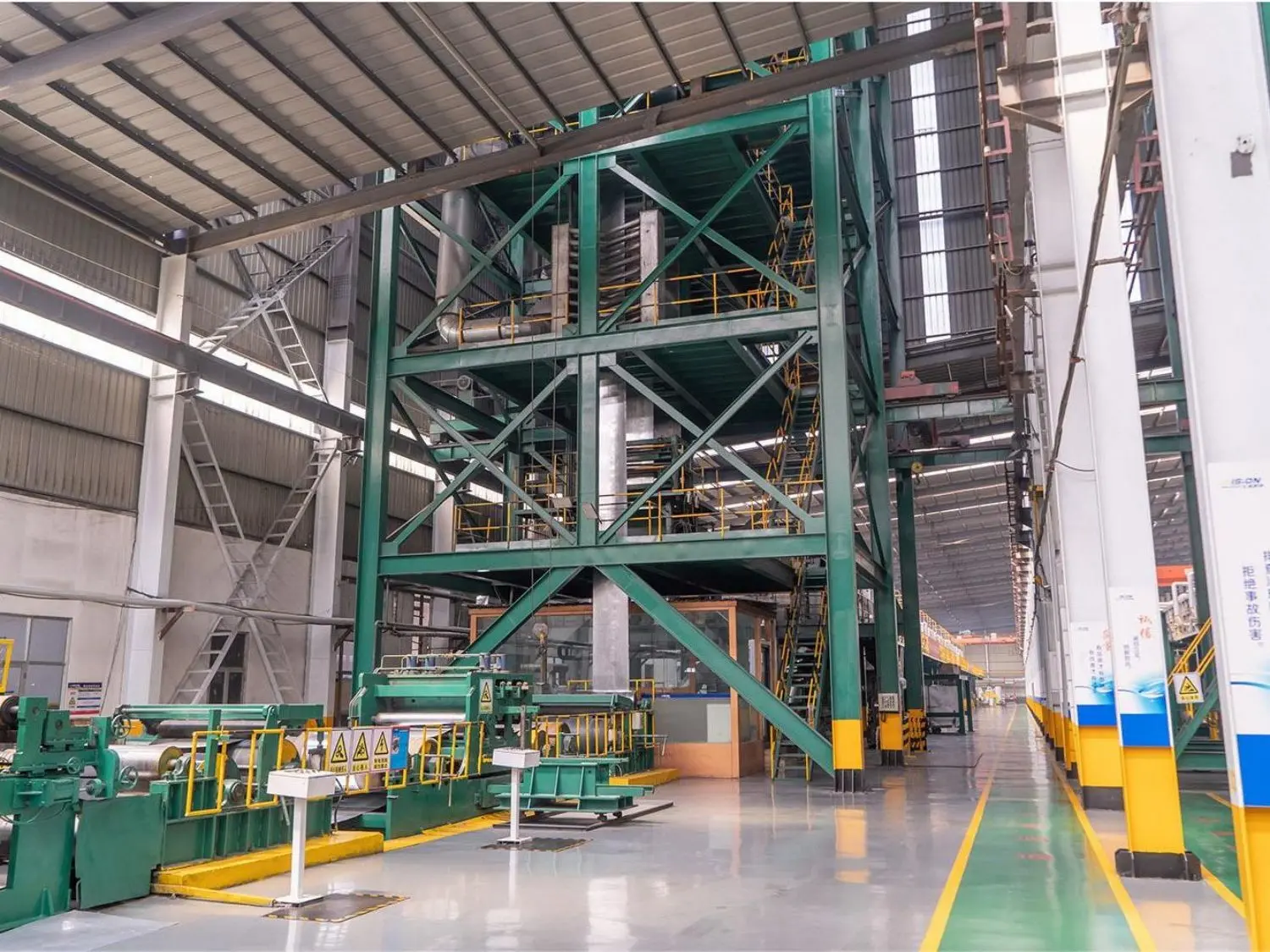
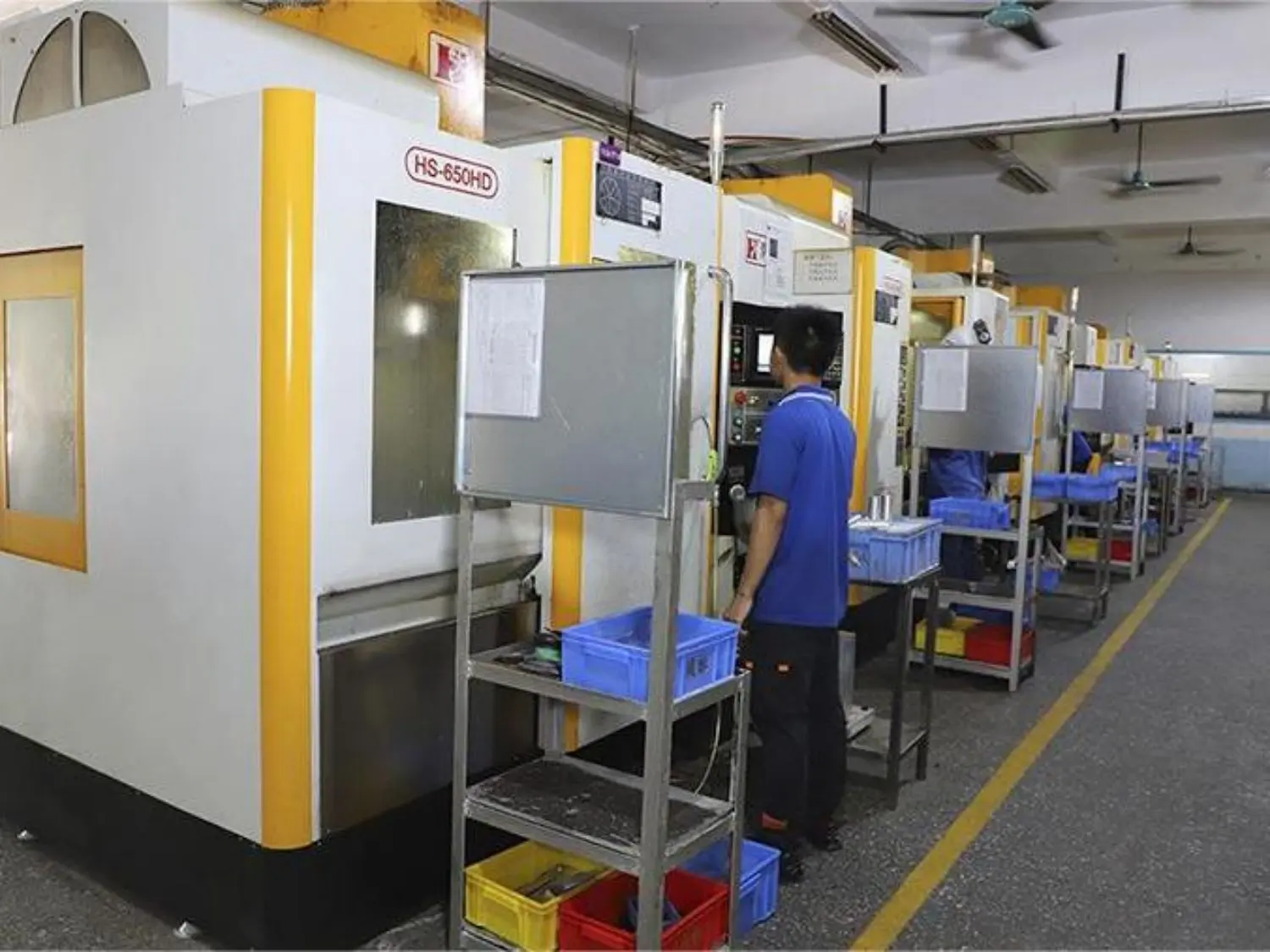
A glimpse inside our modern 15,000 m² metallurgical processing plants, testing laboratories, and logistics hubs.
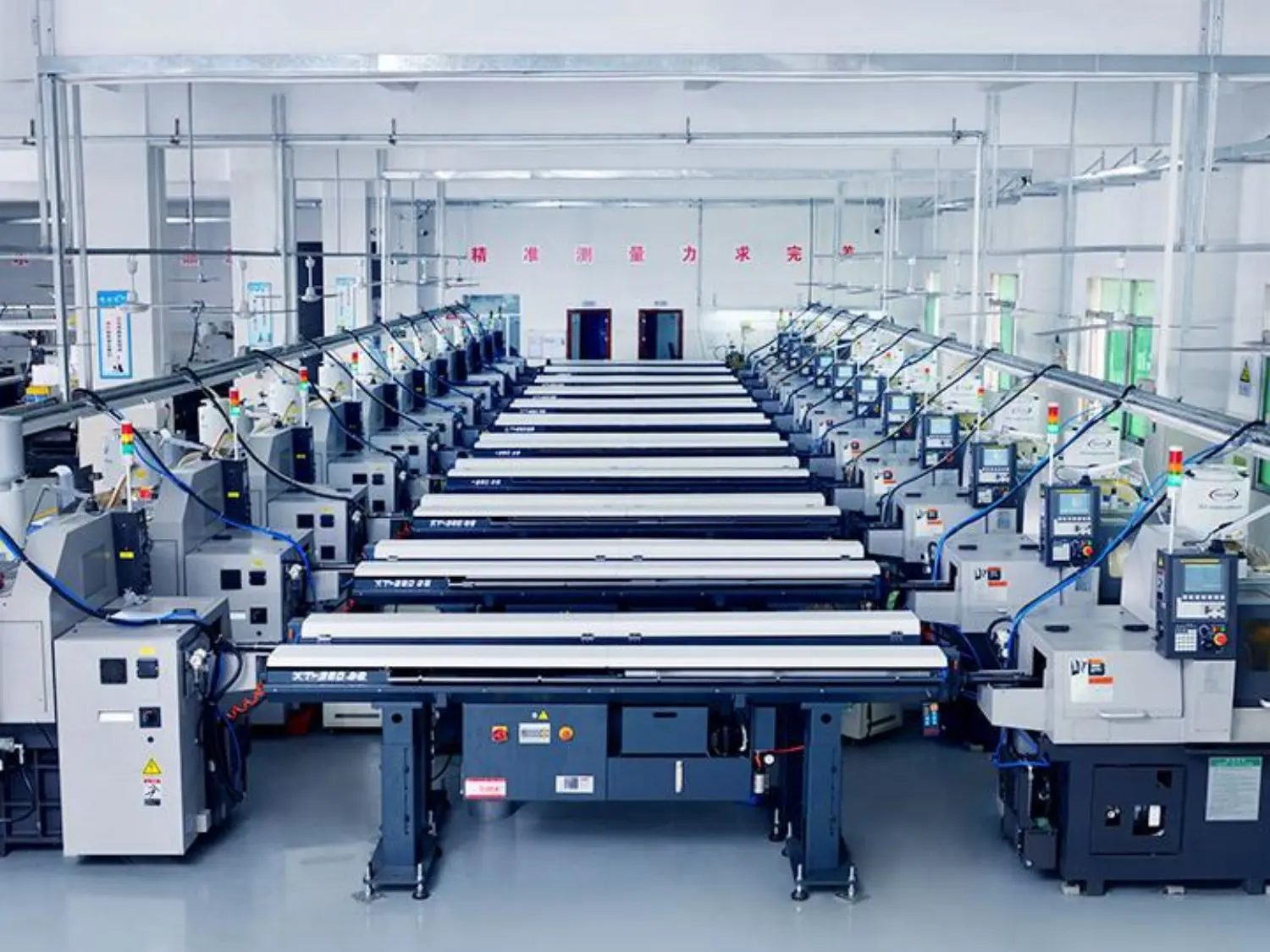
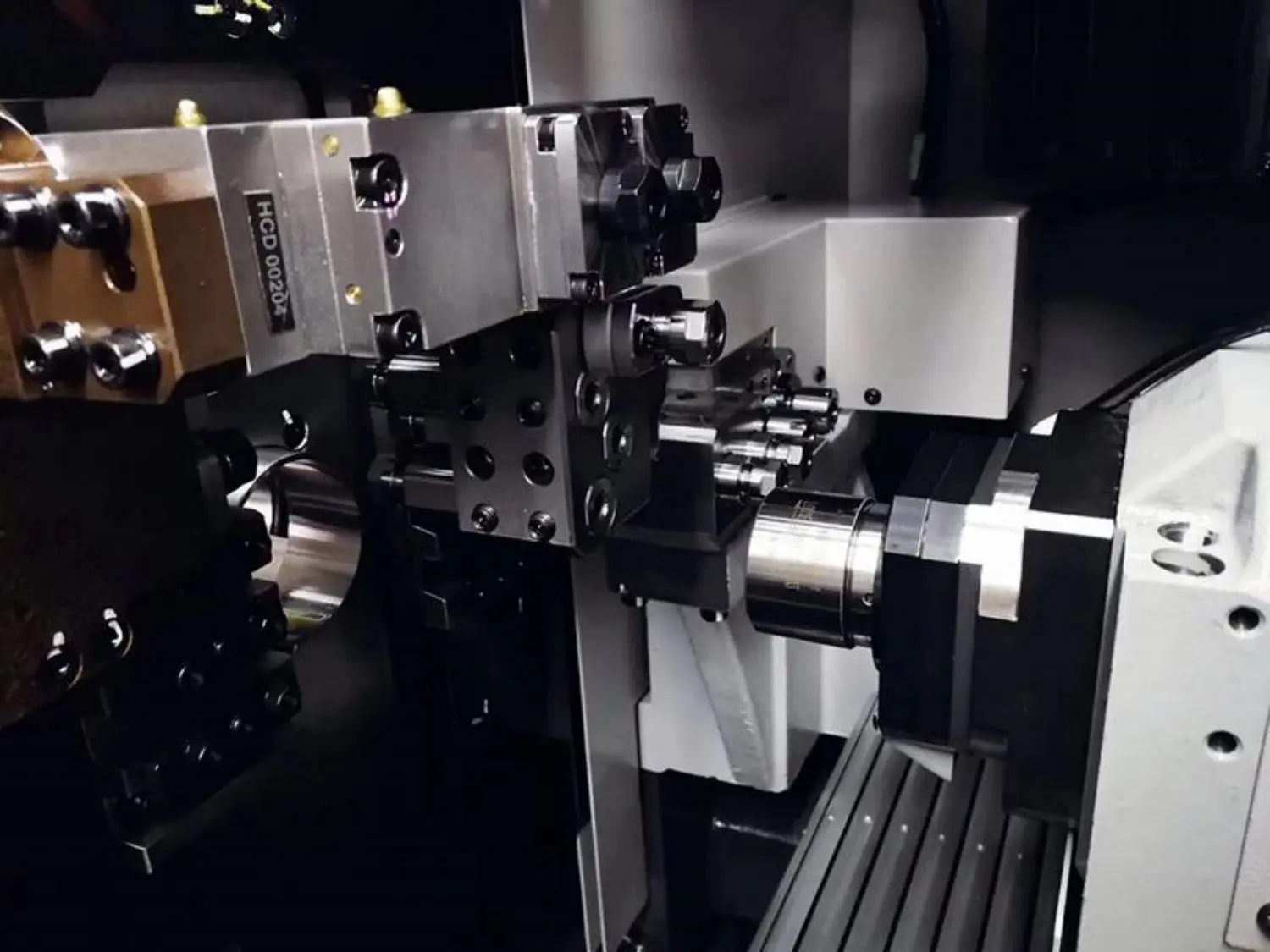
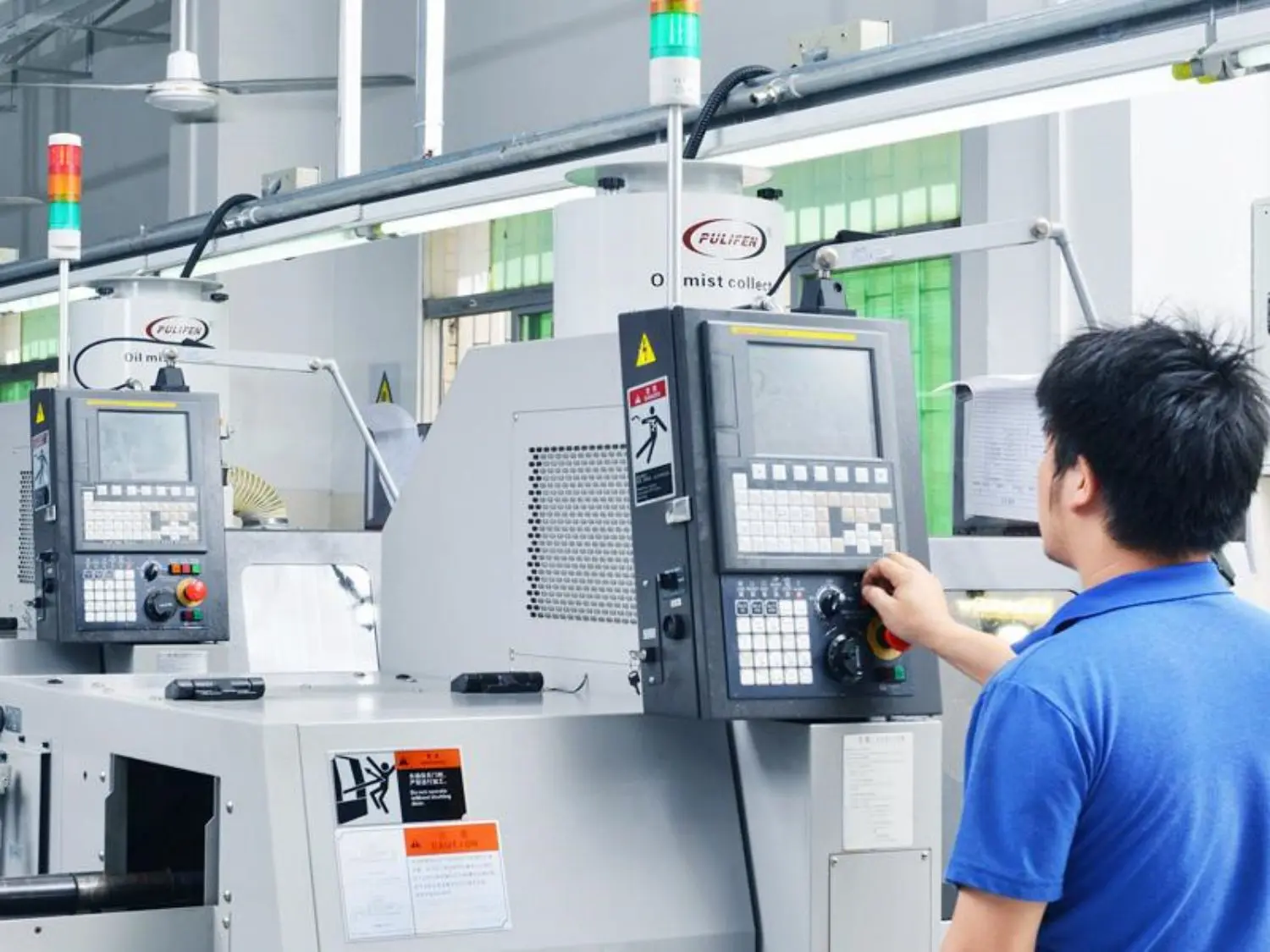
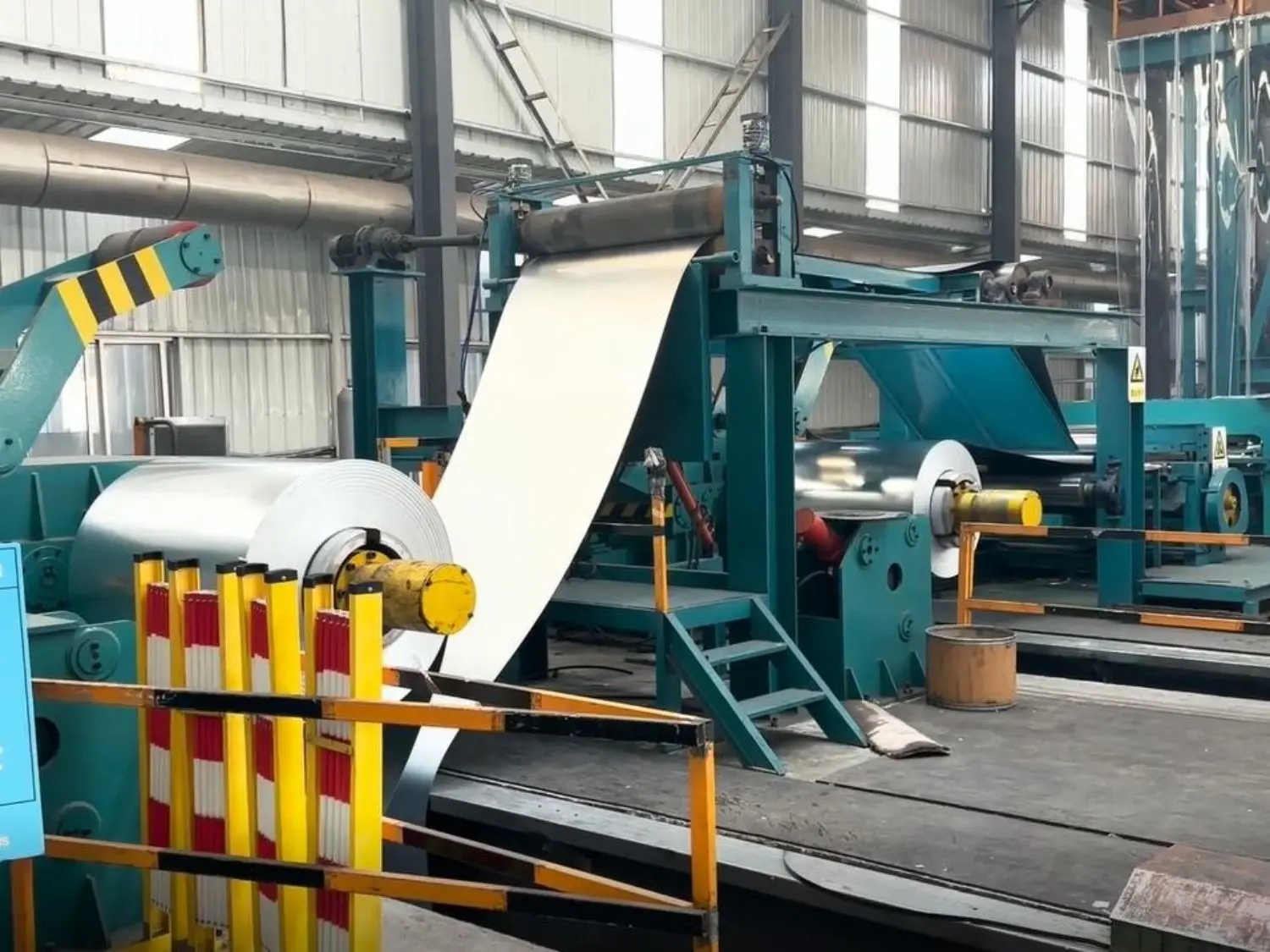
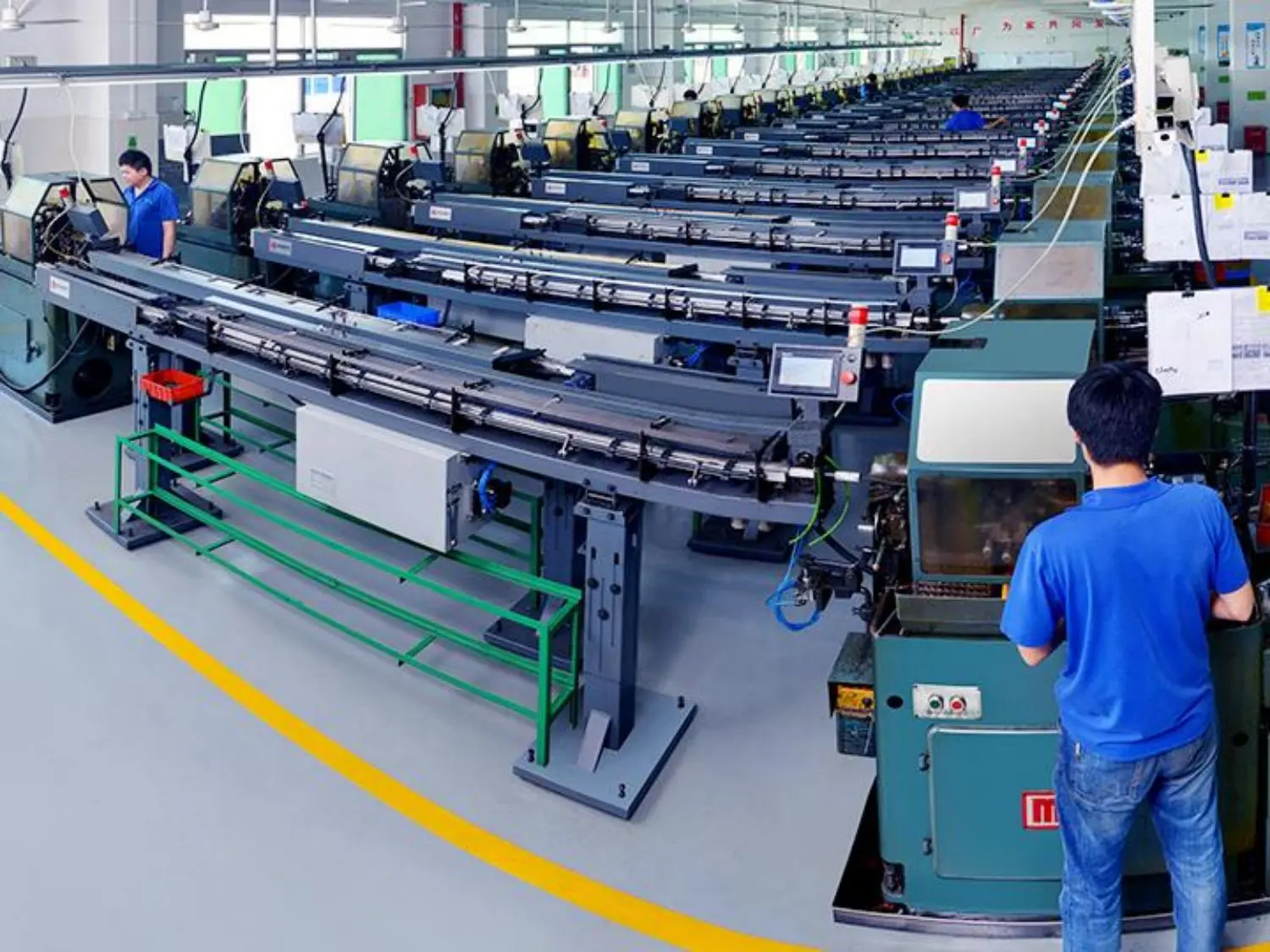
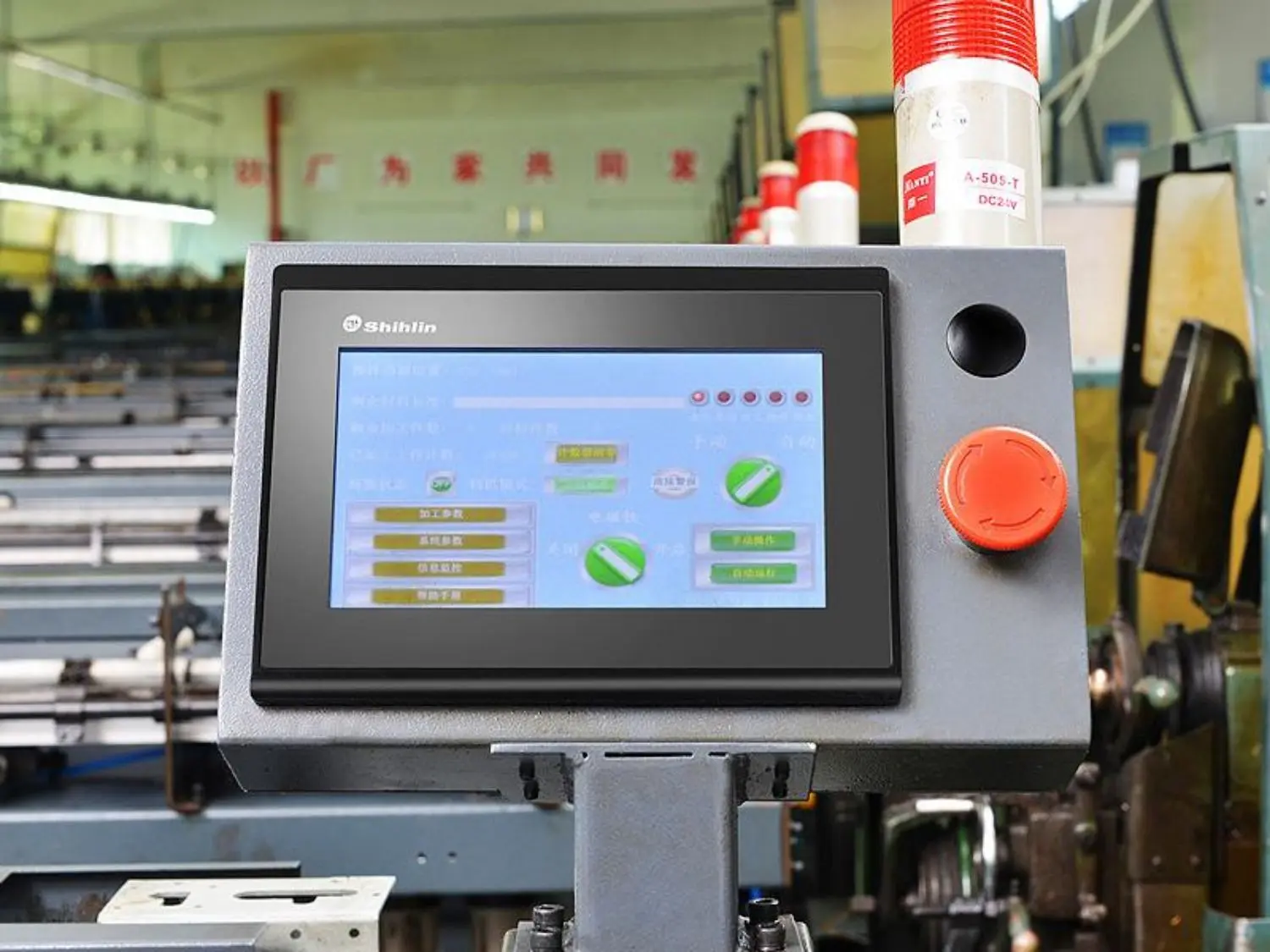
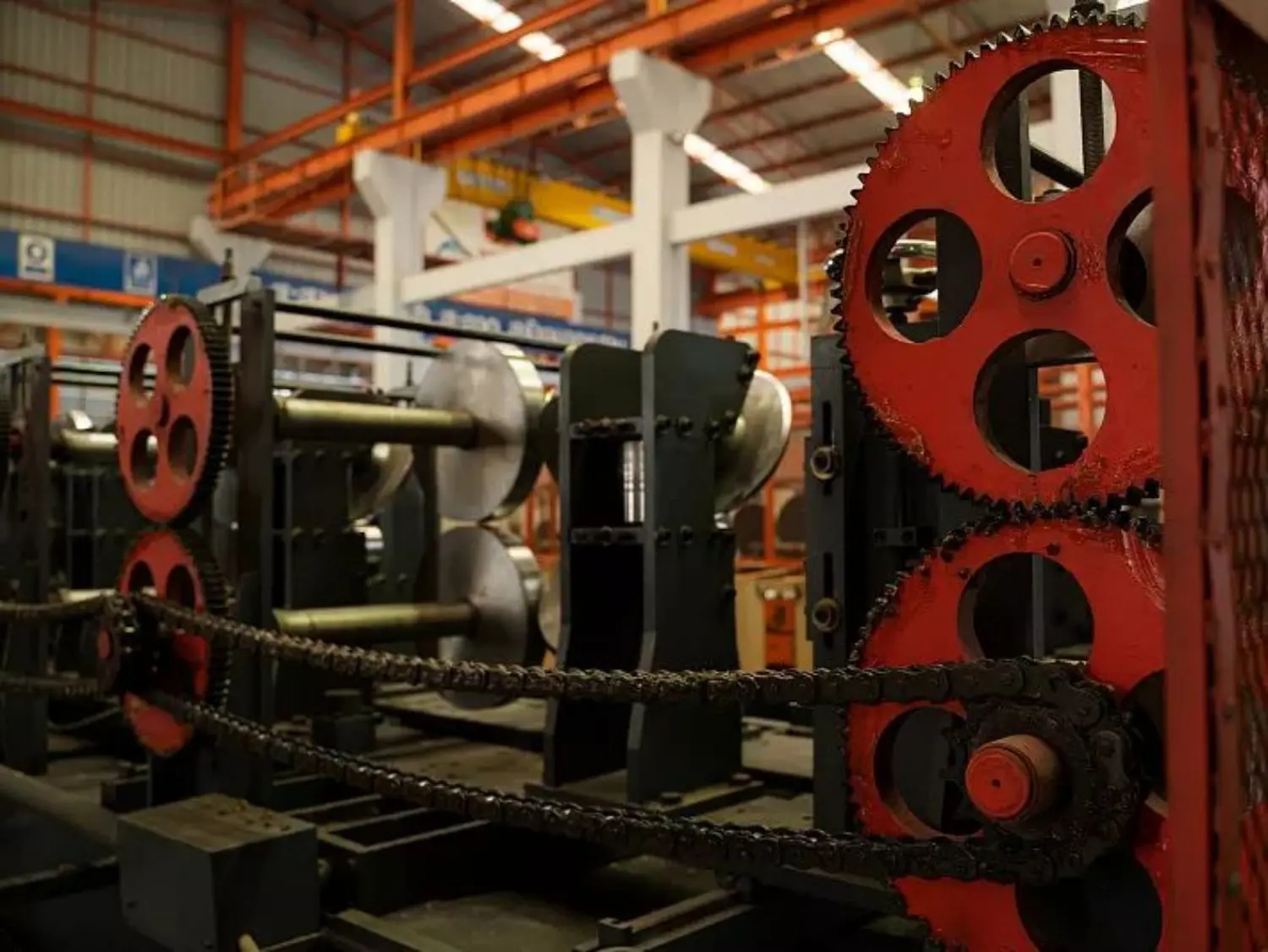
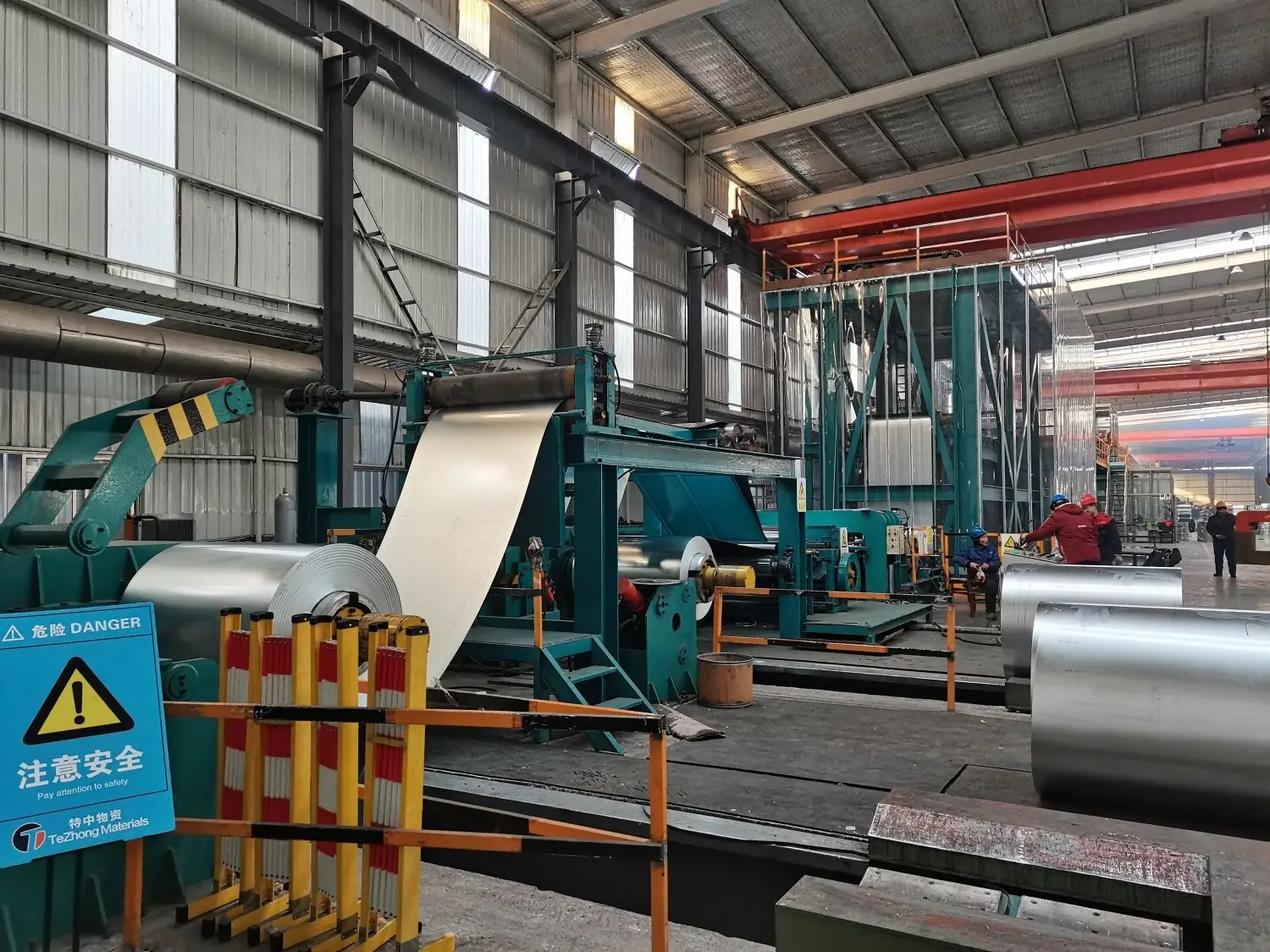
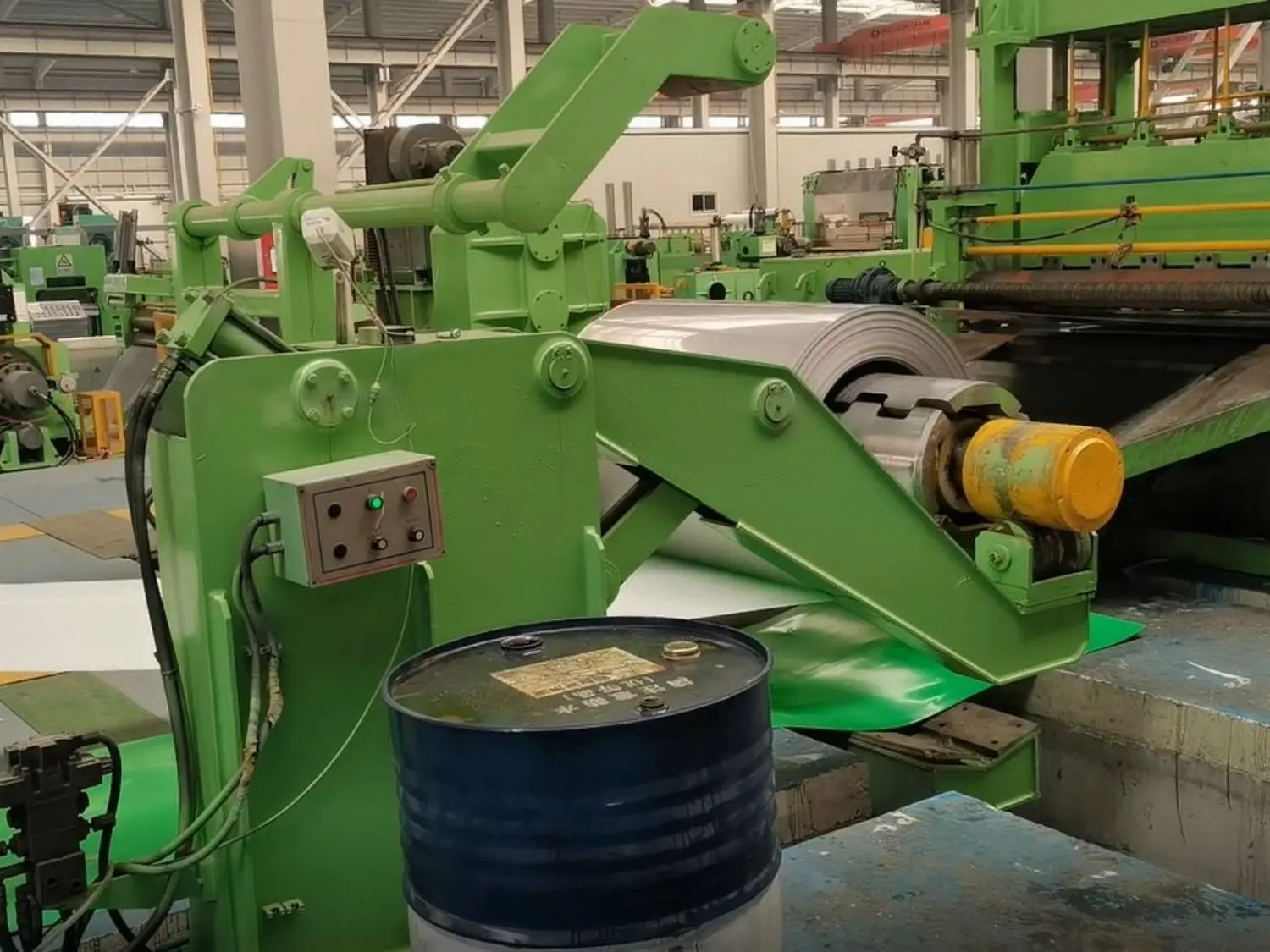
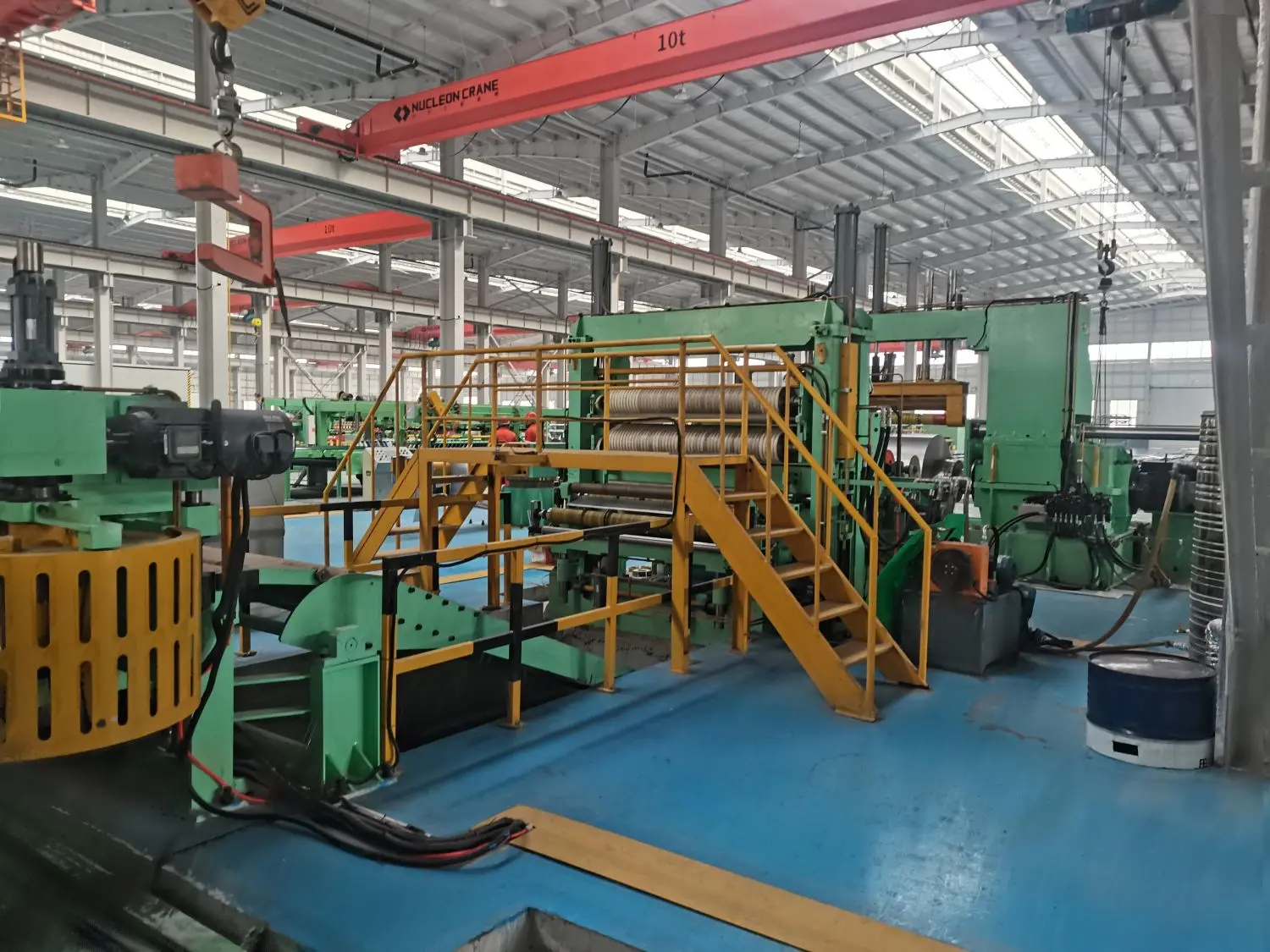
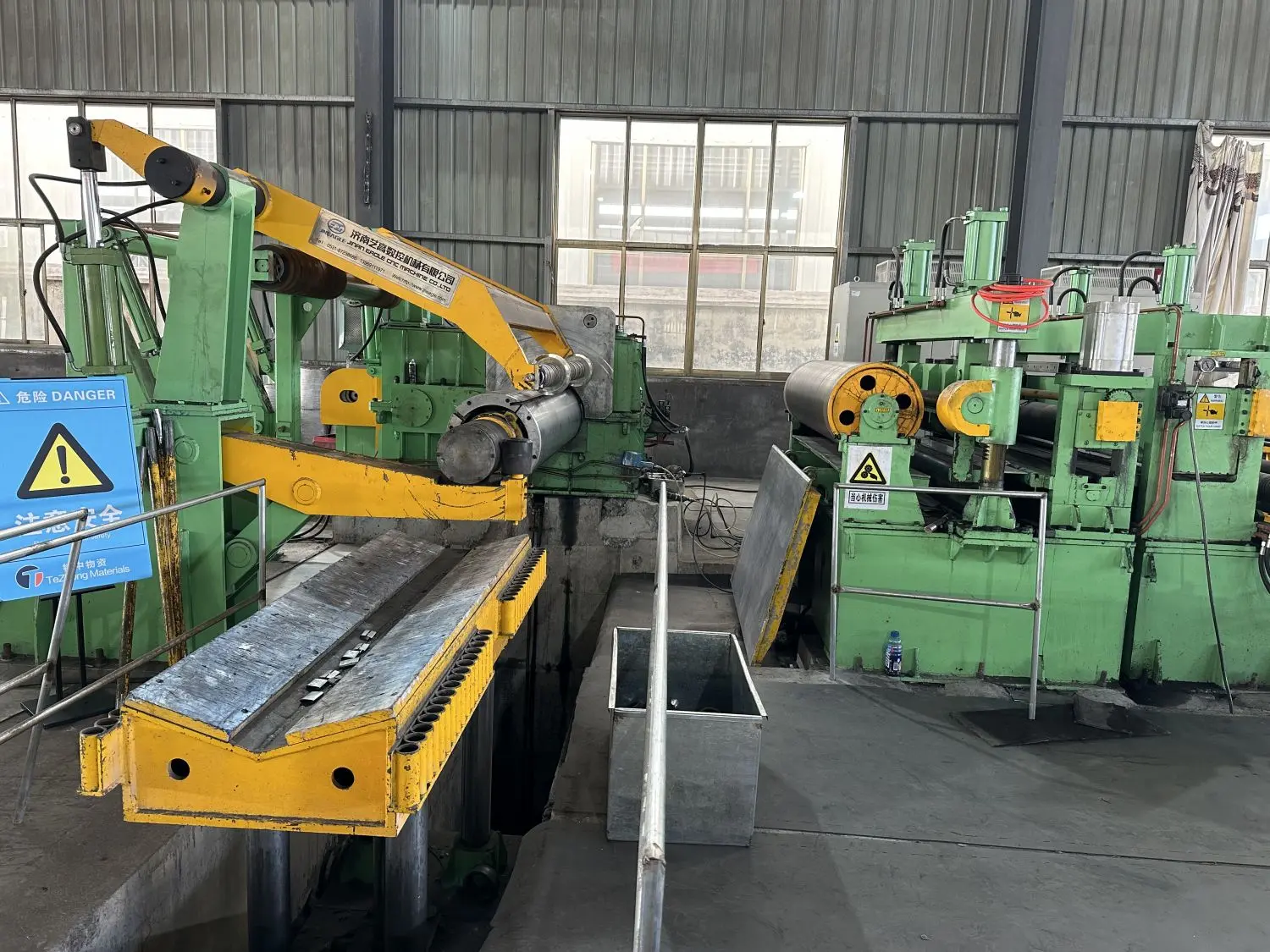
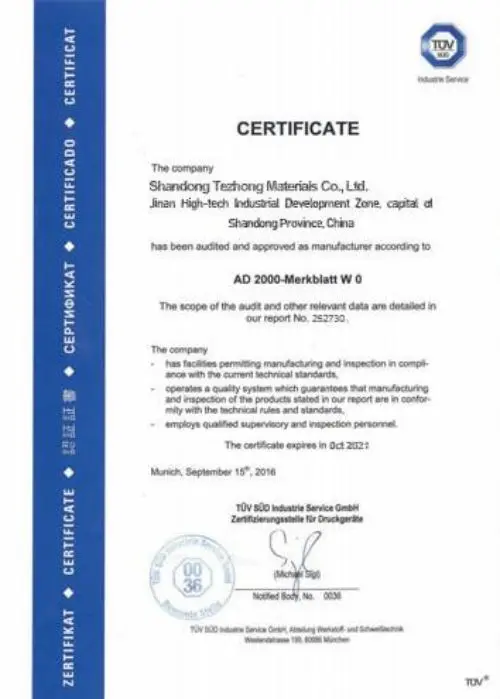
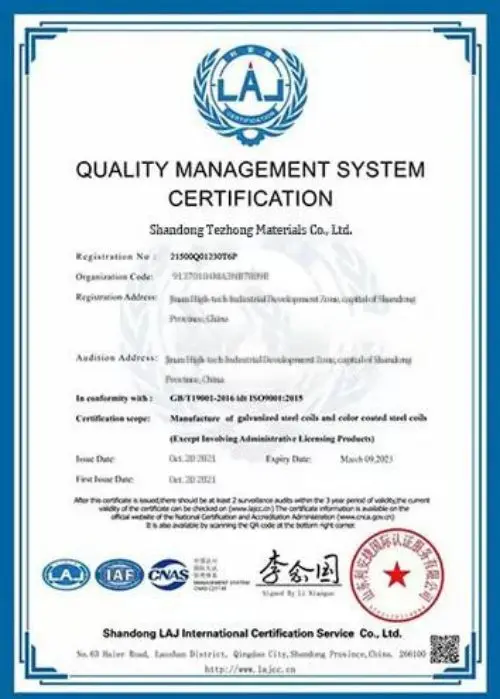
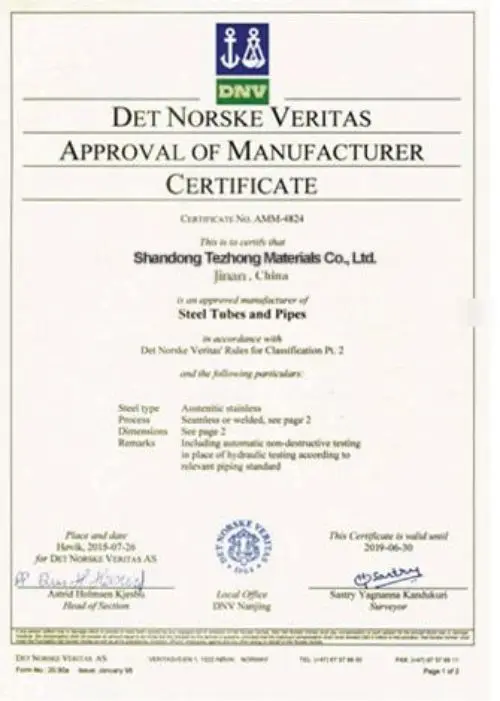
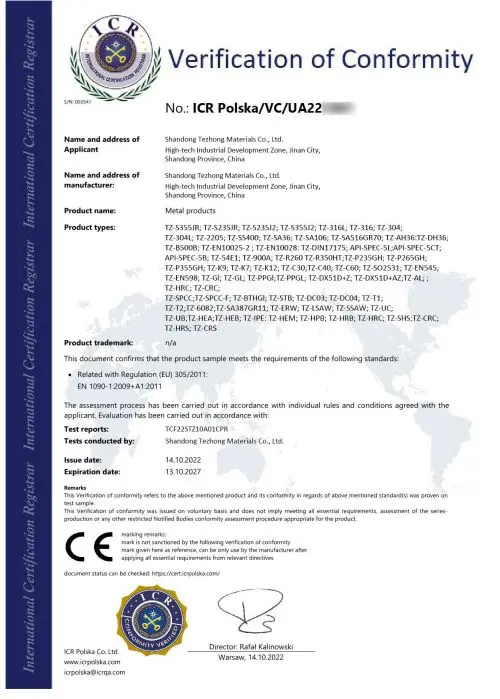
Authorized quality standards validating our rigorous production controls and adherence to international metallurgical criteria.
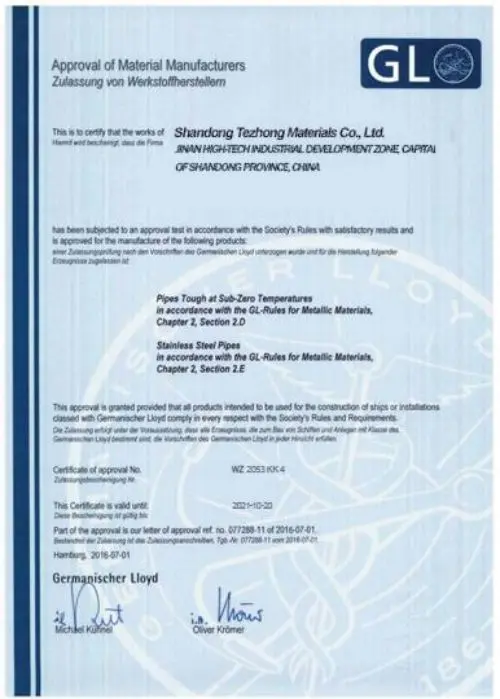
Collaborative divisions operating at Shandong Tezhong Materials Co., Ltd. that maintain our industry-leading position.
Seasoned professionals with deep expertise in the metallurgy and wire drawing industry, providing strategic guidance for product development.
Comprising metallurgical, mechanical, and electrical engineers who manage production lines to ensure stability and output consistency.
Focuses on developing new products and refining existing formulas, enforcing inspections from raw materials to final shipment.
The electric motor manufacturing sector is undergoing rapid technological updates. As efficiency standards transition from IE3 to IE4 and IE5 levels, material sciences must adapt. Our engineering and metallurgical teams focus on these development priorities:
Modern Variable Frequency Drives (VFDs) generate high-frequency voltage spikes that can degrade standard wire insulation over time. Implementing corona-resistant enameled wires containing metal oxide nano-particles protects motor windings in VFD-controlled applications.
In weight-sensitive applications (such as aviation and lightweight transit), the industry is evaluating copper-clad aluminum (CCA) winding options. This hybrid material offers a compromise between the conductivity of copper and the low density of aluminum, reducing overall motor mass.
Global procurement metrics increasingly prioritize the environmental impact of materials. Our production facilities are systematically adopting low-carbon manufacturing practices. This includes optimizing raw material recycling, utilizing clean energy in steelmaking, and selecting low-emission chemical solvents for enamel coatings.
Expert technical insights regarding copper winding wire, material standards, and global purchasing procedures.
The pricing is determined by the daily spot price of copper cathode on major metal exchanges (such as LME or SHFE), combined with a fabrication premium. The fabrication premium varies based on the wire diameter (thinner wires require more drawing steps), the insulation coating material (e.g., Polyesterimide vs. Polyamide-imide), and the order volume. Large-scale purchase agreements can help stabilize these processing fees.
The insulation class determines the maximum safe operating temperature of the motor windings. Selecting Class H (180°C) or Class K (220°C) insulation allows the motor to run hotter without insulation breakdown, protecting the electrical circuit during high-load conditions and allowing for more compact motor designs.
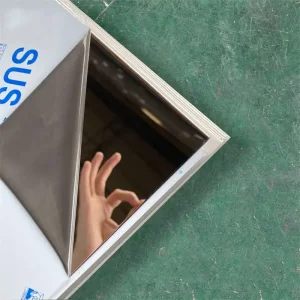
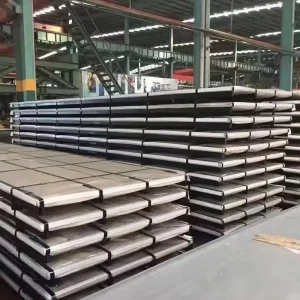
Yes. As a comprehensive supply chain partner, we supply both the copper/aluminum conductor substrates and the structural components, including hot-rolled steel H-beams, carbon steel plates, and stainless steel rods (such as SUS630). This allows buyers to consolidate their bills of materials under a unified quality control system.
All shipments are accompanied by comprehensive Mill Test Certificates (MTC) and quality reports, demonstrating compliance with ISO9001, RoHS, REACH, and specific ASTM or DIN standards. We perform rigorous mechanical, chemical, and electrical testing before dispatch.
Explore our diverse industrial metal lines, engineered to support major electrical, construction, and manufacturing operations globally.
 Tezhong