Copper scrap insulated wire serves as one of the primary pillars for secondary copper smelting and refining operations. As global industries emphasize decarbonization and ESG benchmarks, utilizing recycled copper provides up to an 85% energy saving compared to processing virgin ore. For international industrial manufacturers and wire recyclers, secure access to high-grade insulated copper wire (ICW) scrap is critical for price protection and supply continuity.
The scrap insulated copper wire exported from major manufacturing hubs is rigorously sorted according to ISRI standards. The target of high-performance recycling processes is to extract the core copper element at a recovery rate exceeding 99.9% purity (equivalent to Cu-ETP or Cu-OF). Our processes ensure that outer PVC, XLPE, or rubber insulation wraps are cleanly separated to prevent halogen and heavy metal cross-contamination during smelting.
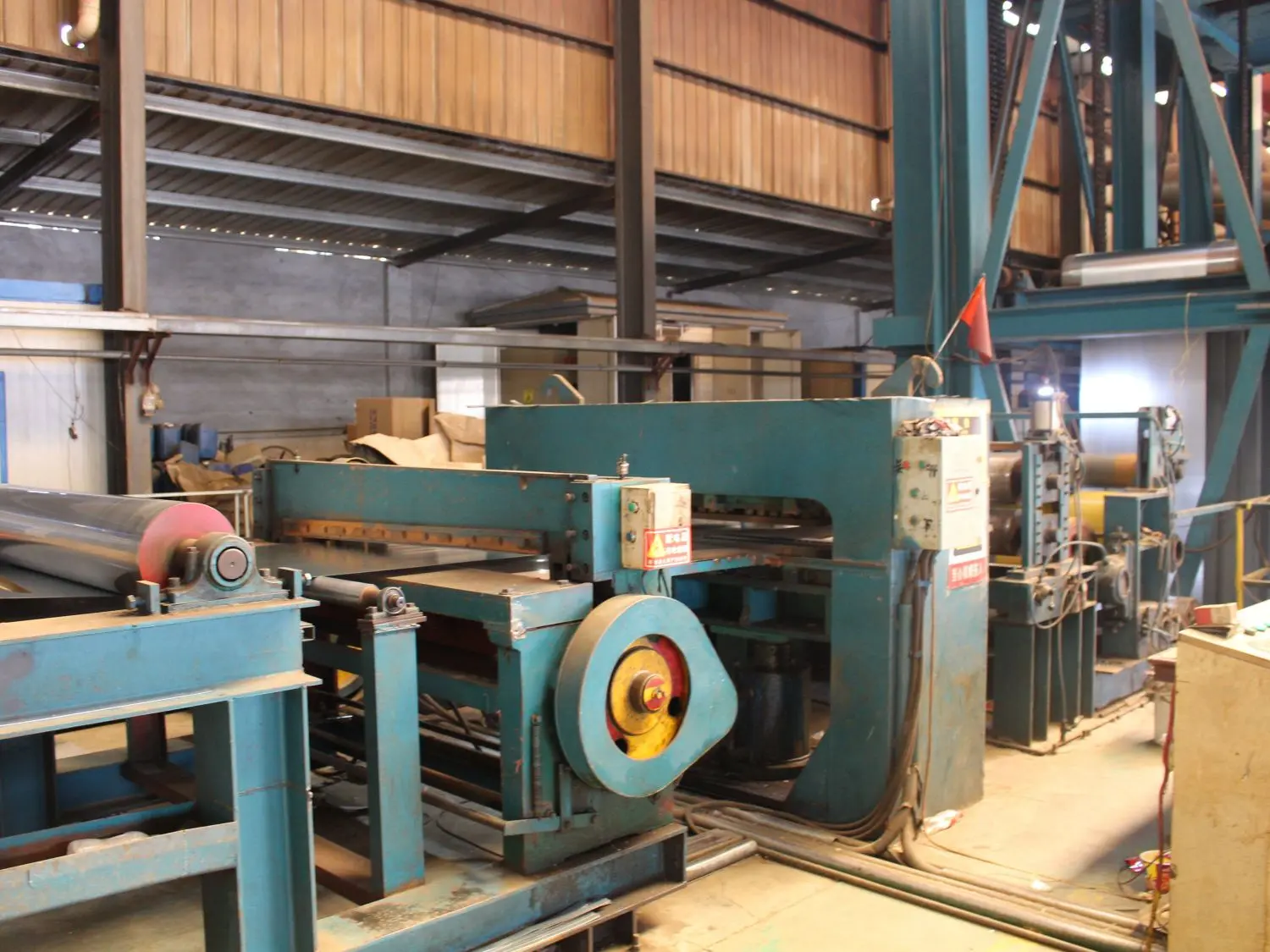
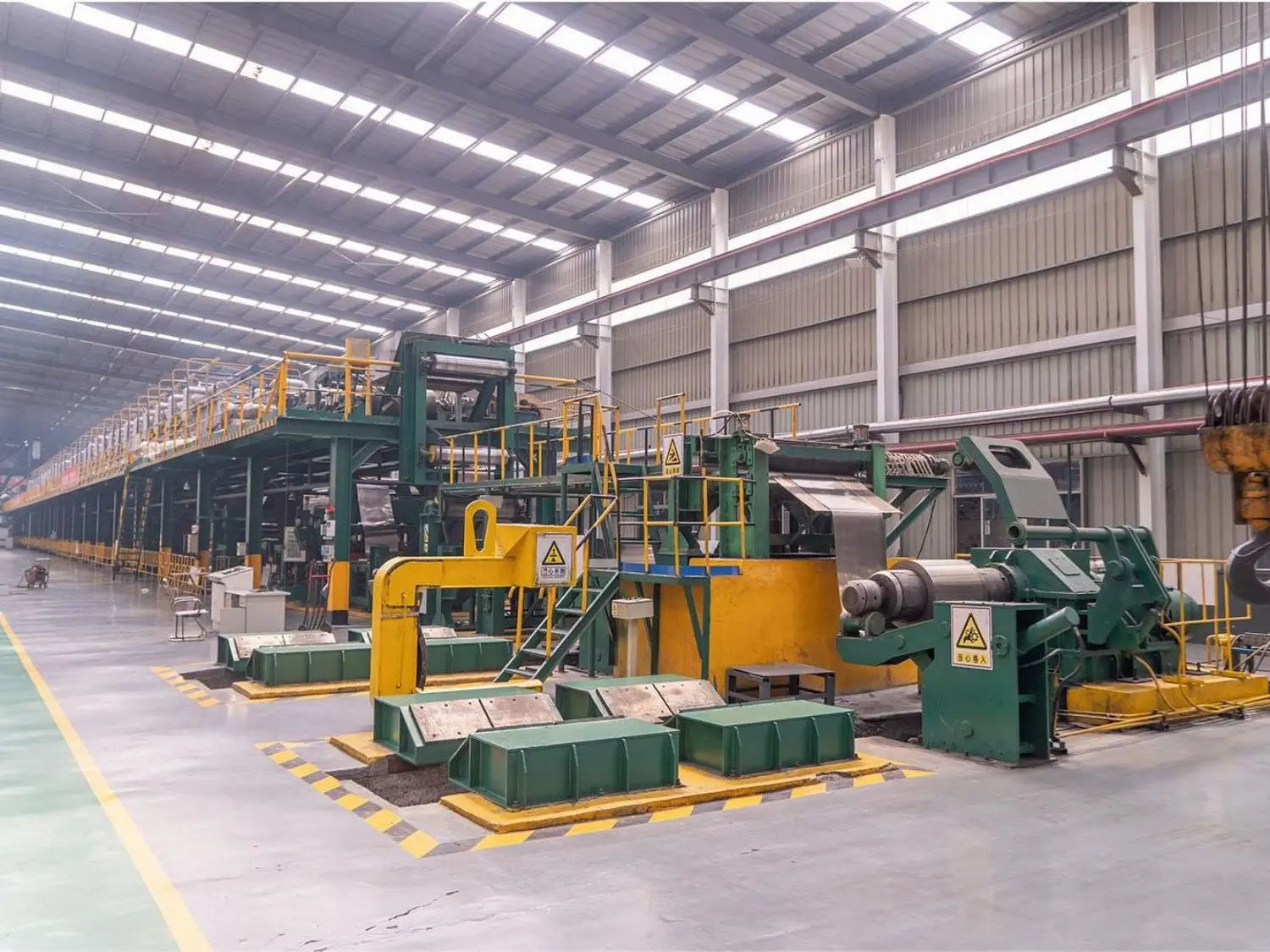
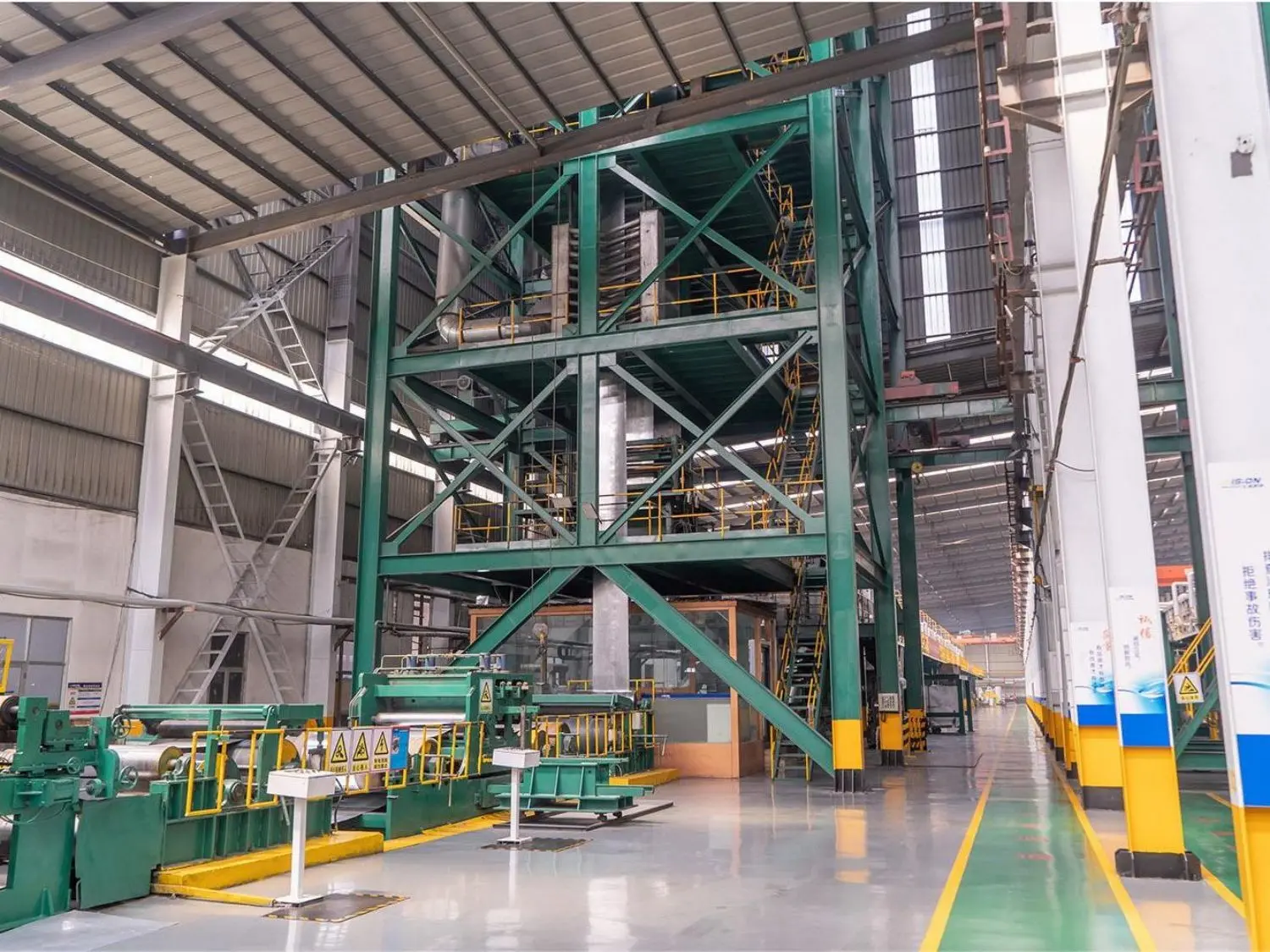
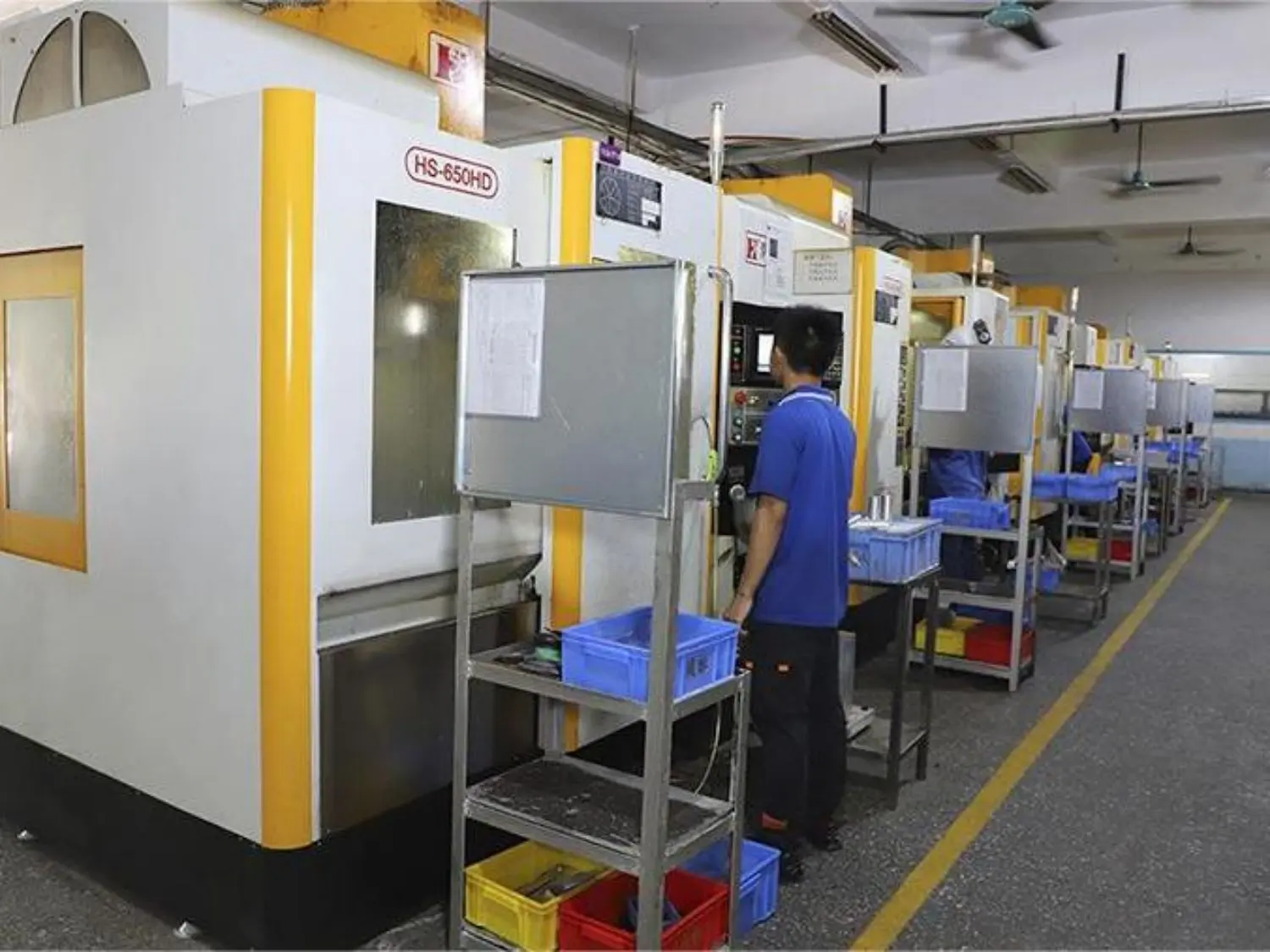
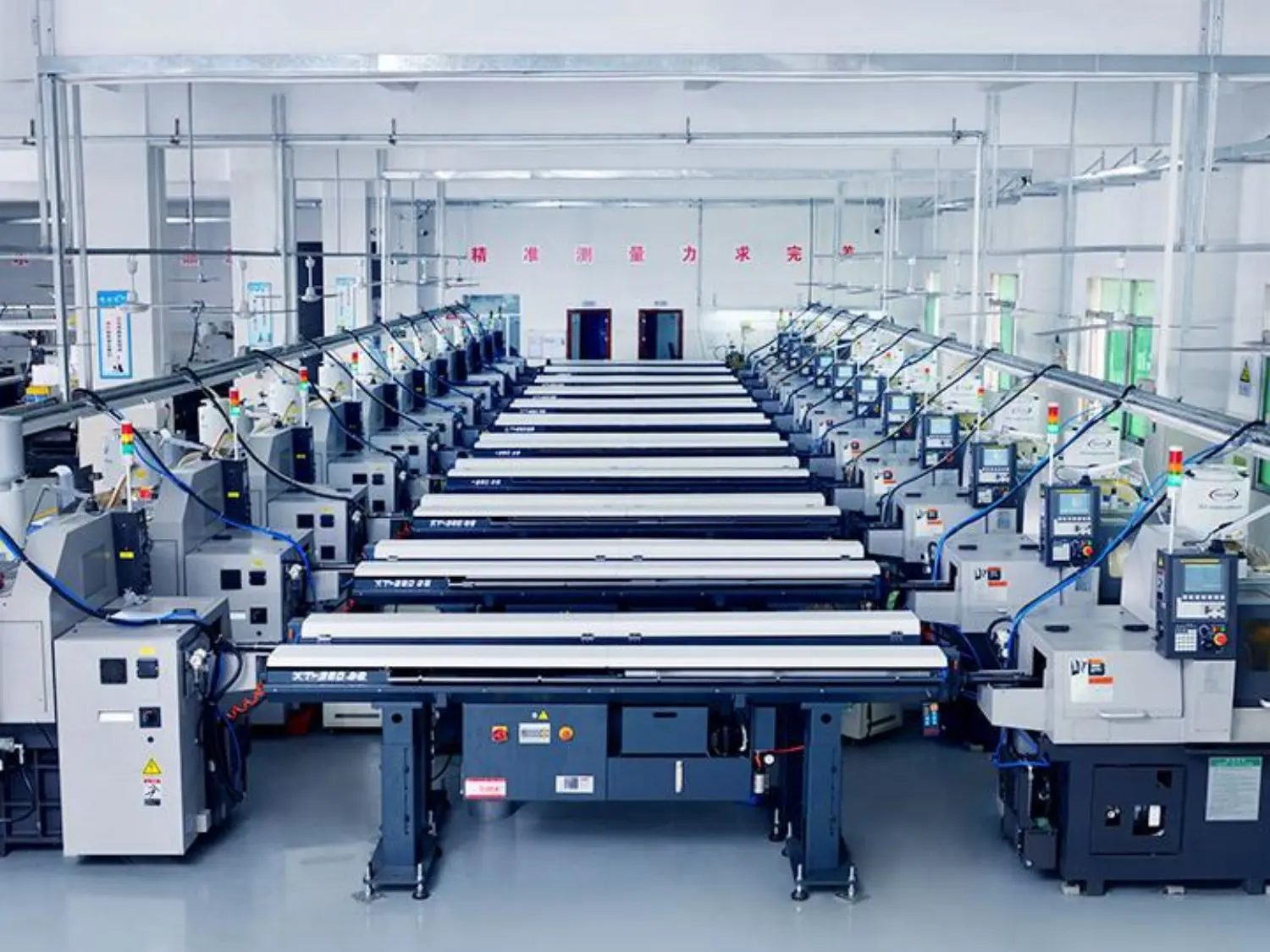
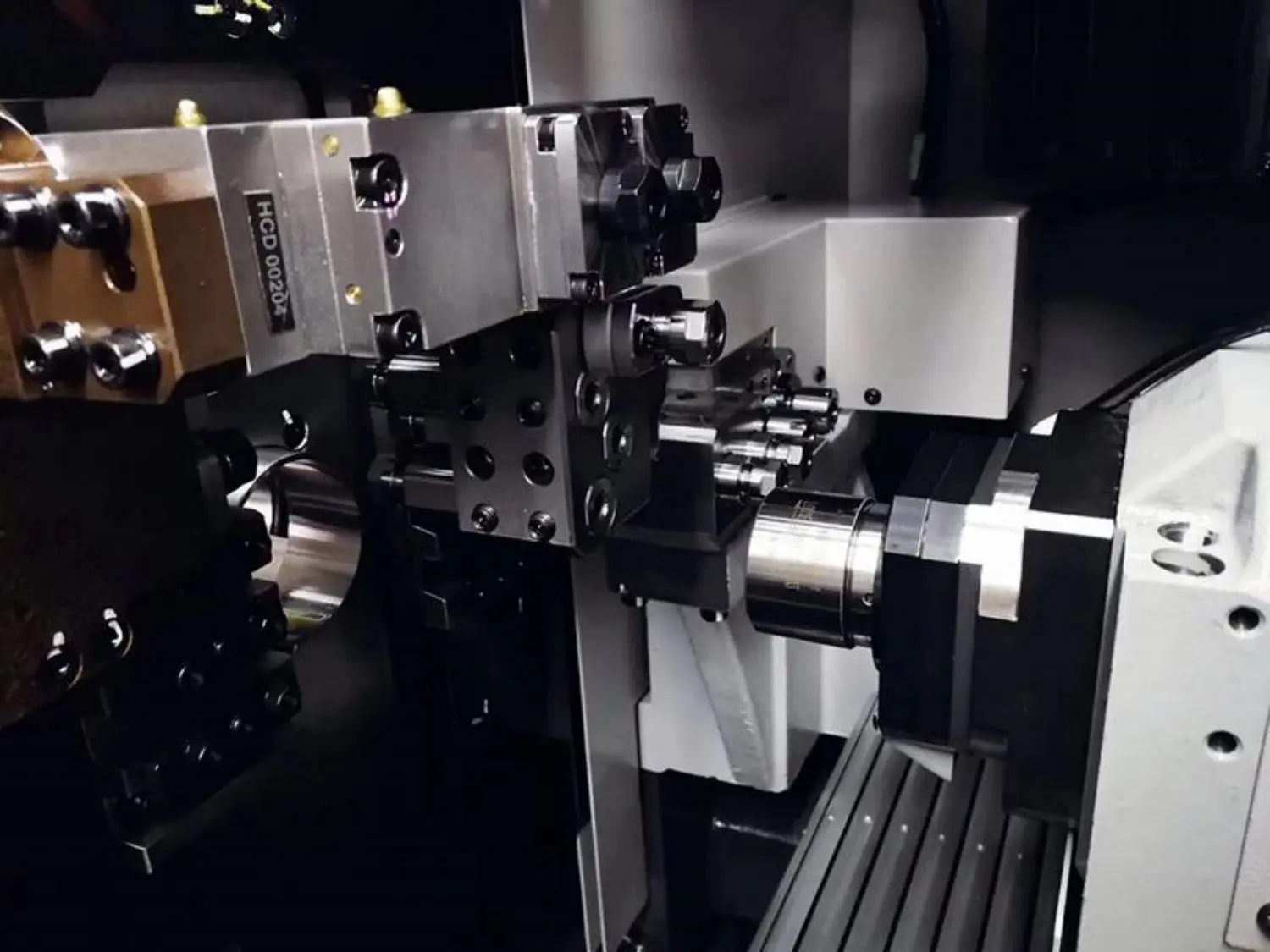
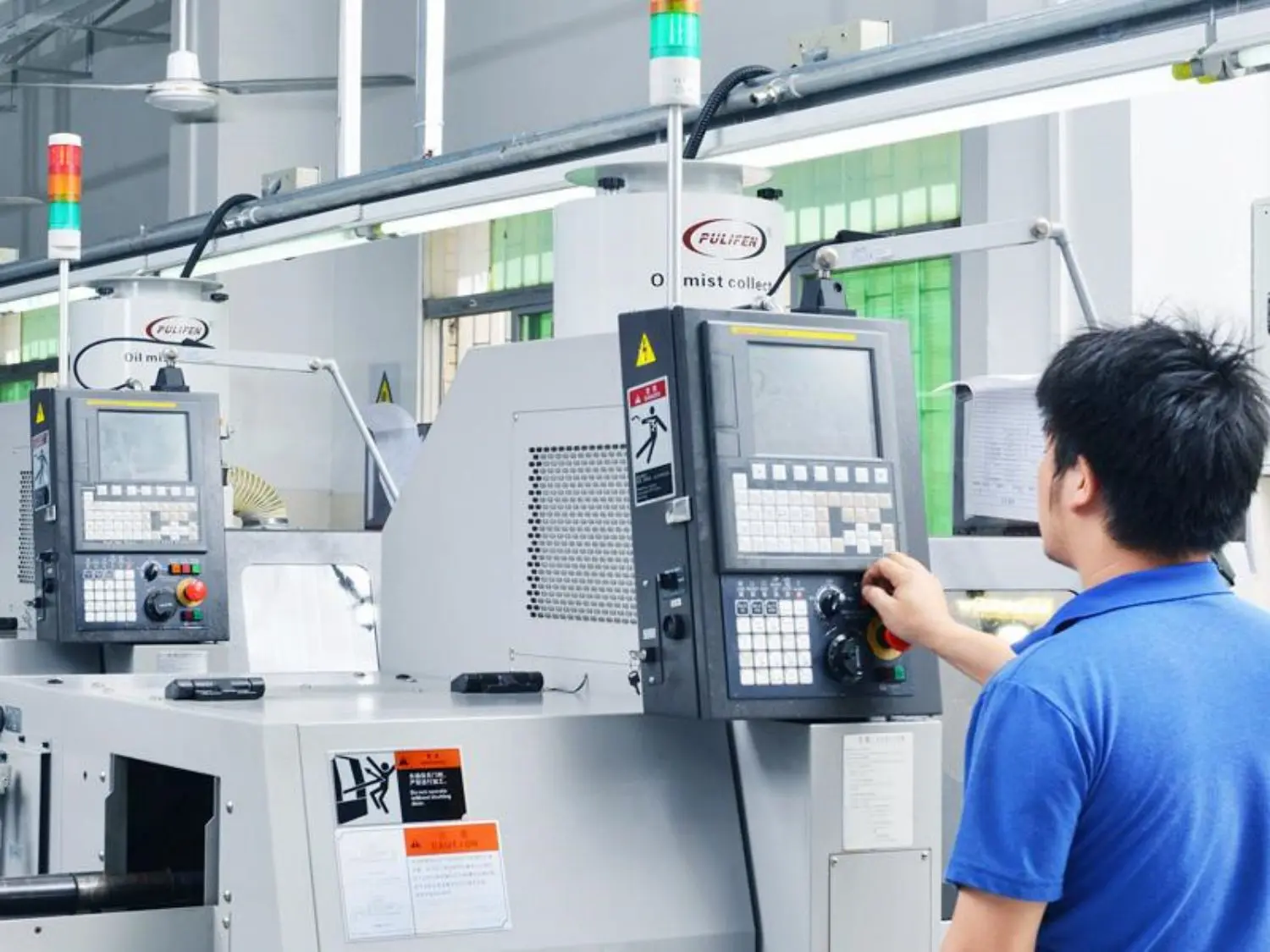
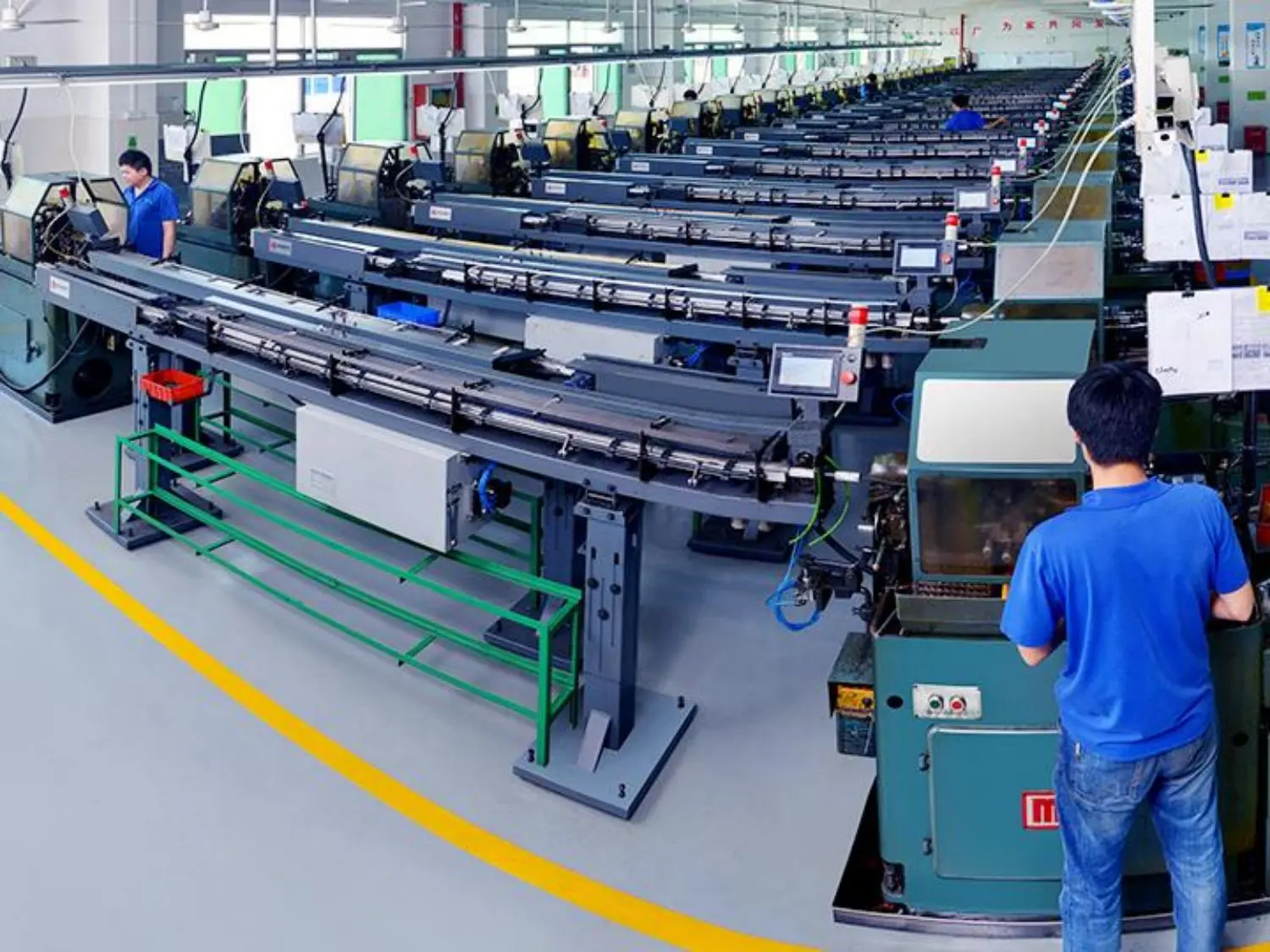
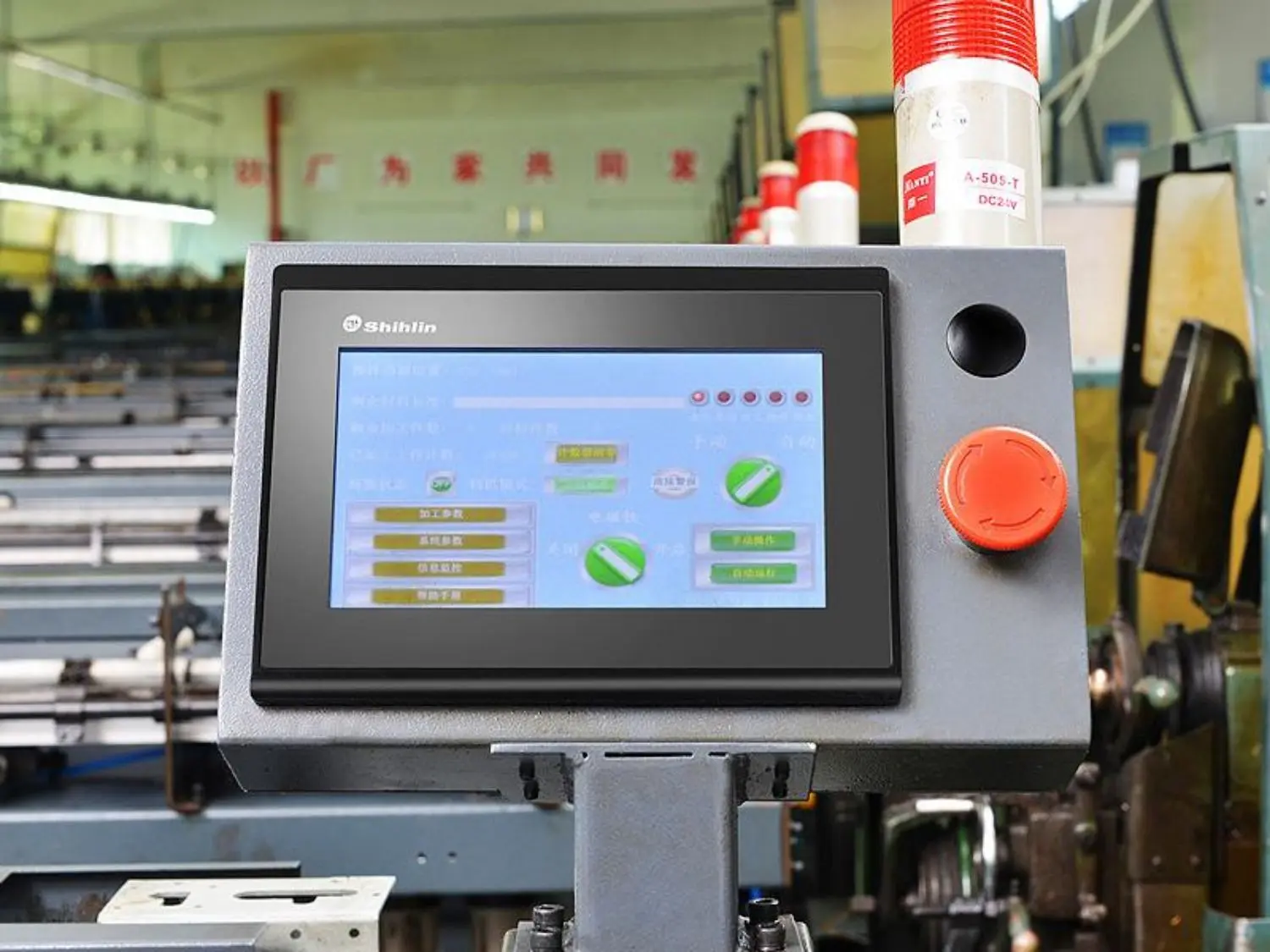
Leveraging China's world-leading scrap classification ecosystems, we provide global bulk buyers with premium grade insulated wire scraps. With rapid mechanical stripping lines and electrostatic separation technology, we provide customized wire shred options designed for optimal furnace charging or granulating processors. This infrastructure reduces yield loss and minimizes freight costs per ton of recovered metal.
Different industrial inputs require distinct ICW scrap grades. The table below represents our standard output classifications based on the Institute of Scrap Recycling Industries (ISRI) codifications and typical recovery ratios.
| ISRI Code / Grade | Wire Type Description | Average Copper Content (%) | Insulation / Sheathing Material | Ideal Application / Processing Method |
|---|---|---|---|---|
| Barley / No. 1 Copper Scrap | Unalloyed, uncoated copper wire, size No. 16 B&S wire gauge or larger | ≥ 99% | None (Stripped Clean) | Direct furnace smelting / Continuous rod casting |
| Druid / No. 1 ICW | Plastic or rubber insulated No. 1 copper wire. Plastic jacket thickness minor. | 75% - 85% | PVC, XLPE, Teflon sheathing | Mechanical stripping or premium granulating |
| Droid / No. 2 ICW | Assorted tin or nickel-plated No. 2 wire, small gauge communication wires | 55% - 65% | Double PVC, Mylar, heavy rubber insulation | Granulating systems with air gravity separation |
| Cobra / Joint Harnesses | Automotive and industrial wire harness scrap, multi-pin connections | 35% - 48% | Complex plastic wraps, tape, terminal clips | Heavy-duty shredding followed by electrostatic sorting |
The economic value of insulated copper wire lies in its net metallurgical yield. We run automated laboratory sampling for each lot using lab-scale wire granulators. This ensures that when we quote a pricing structure indexed to the London Metal Exchange (LME) copper price, the buyer receives an accurate, verifiable dry copper yield estimate, minimizing variance in furnace recovery rates.
Our supply network utilizes both dry sorting and wet gravity density separation techniques. For delicate fine-wire gauges (such as telephone or network cables), wet density tables are avoided to prevent water pollution, instead using modern electrostatic separation units that achieve a 99.5% separation accuracy of copper dust from pulverized PVC compound particles.
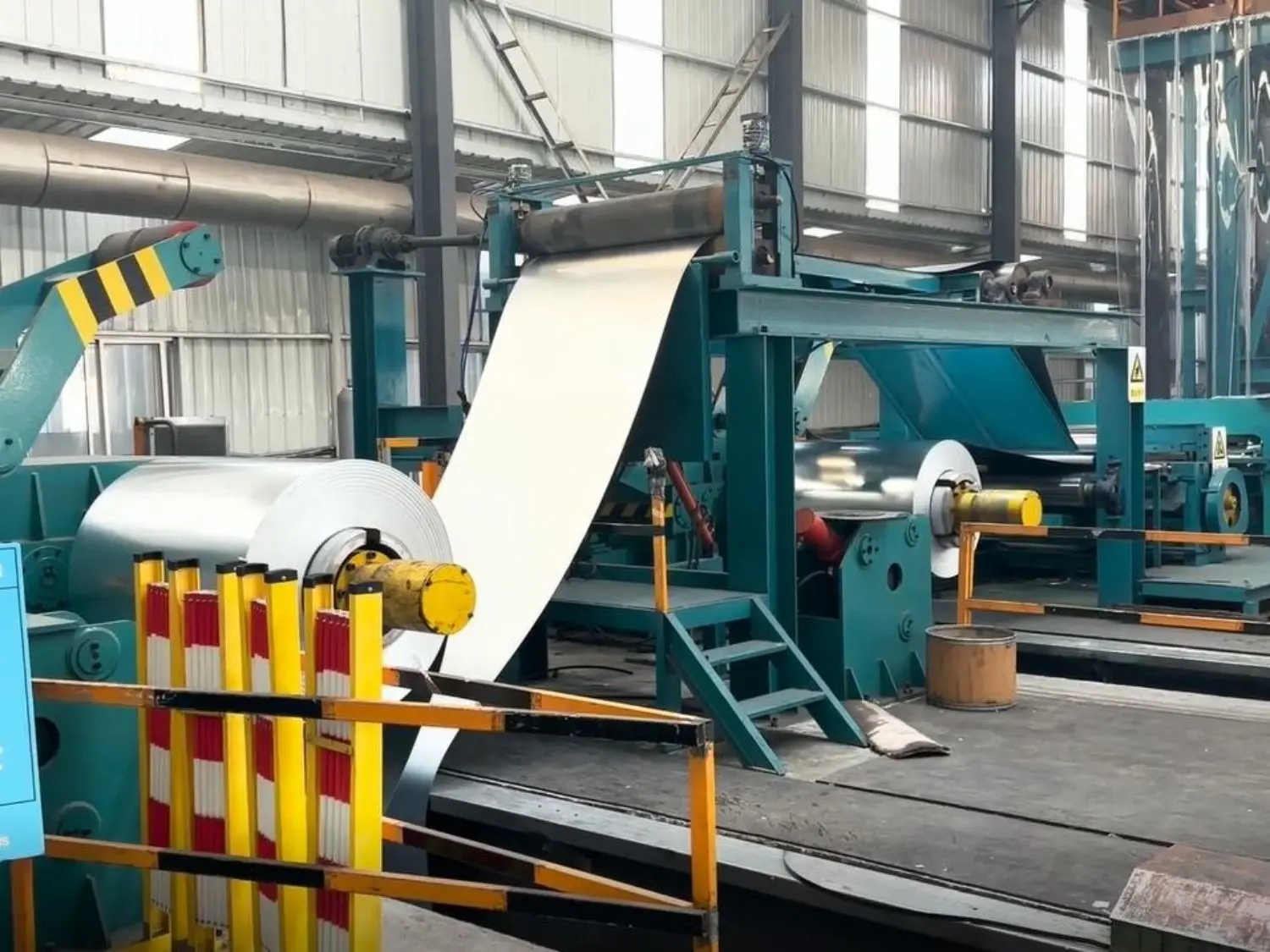
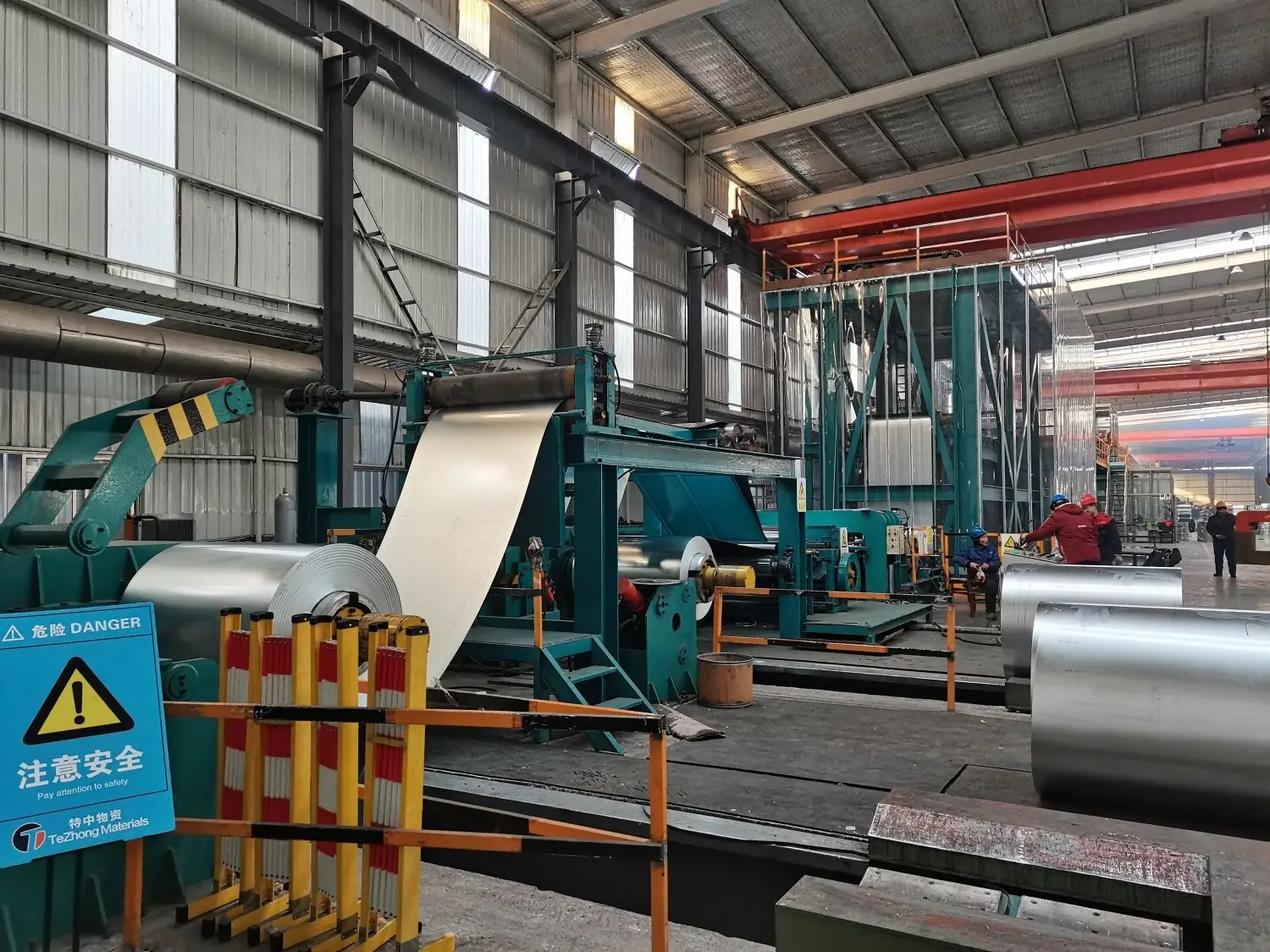
Shandong Tezhong Materials Co., Ltd. operates with a registered capital of 100 million yuan and total assets exceeding 1.2 billion yuan. Our physical facilities cover approximately 15,000 square meters. Operating as an industrial metal supply chain integrator, we control production systems that link metallurgical sourcing, steel processing, and non-ferrous secondary metals processing. Our enterprise employs over 900 staff, including 100+ senior managers and specialized metallurgical technicians.
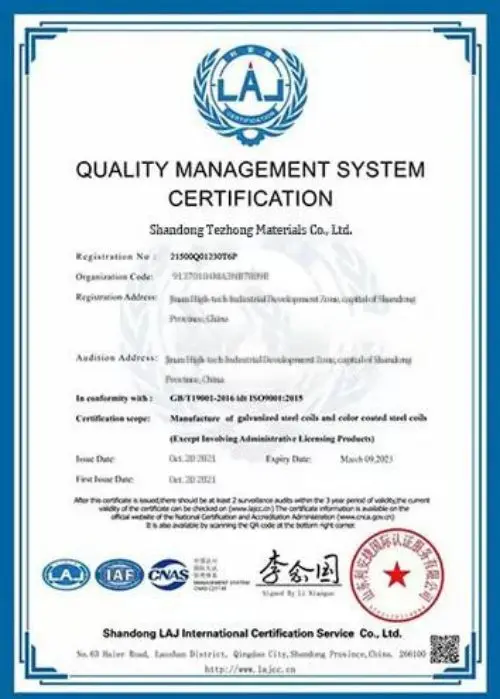
Established in 1997, our company has evolved alongside China's metal processing sector. We were early adopters of international quality management frameworks, securing ISO9001 certification. Through our four primary distribution hubs located in Wuxi, Tianjin, Binzhou, and Liaocheng, we maintain stable domestic inventories. This logistic setup supports an annual metal throughput capacity of 1,500,000 tons, serving sectors from aerospace to municipal infrastructure.
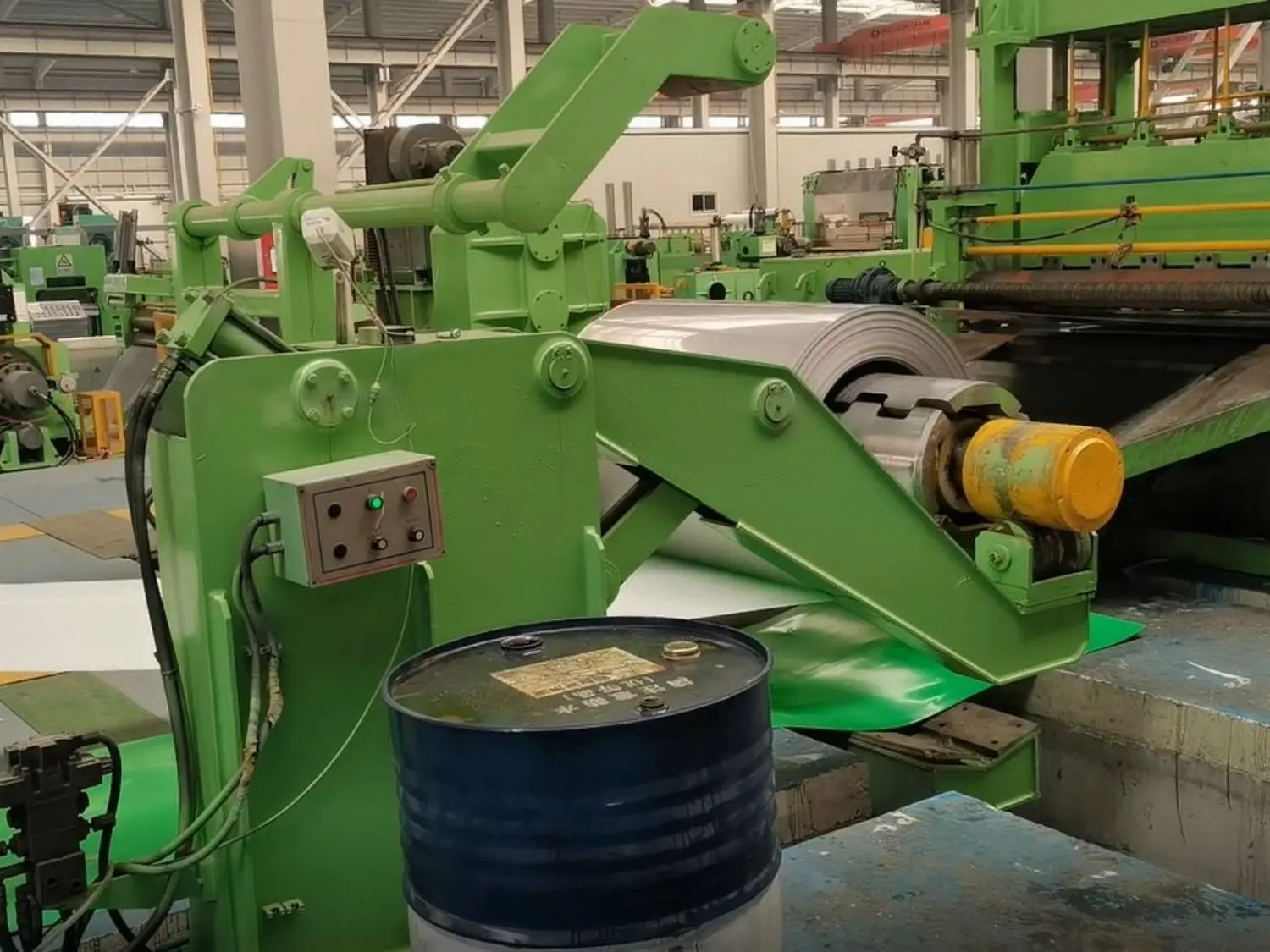
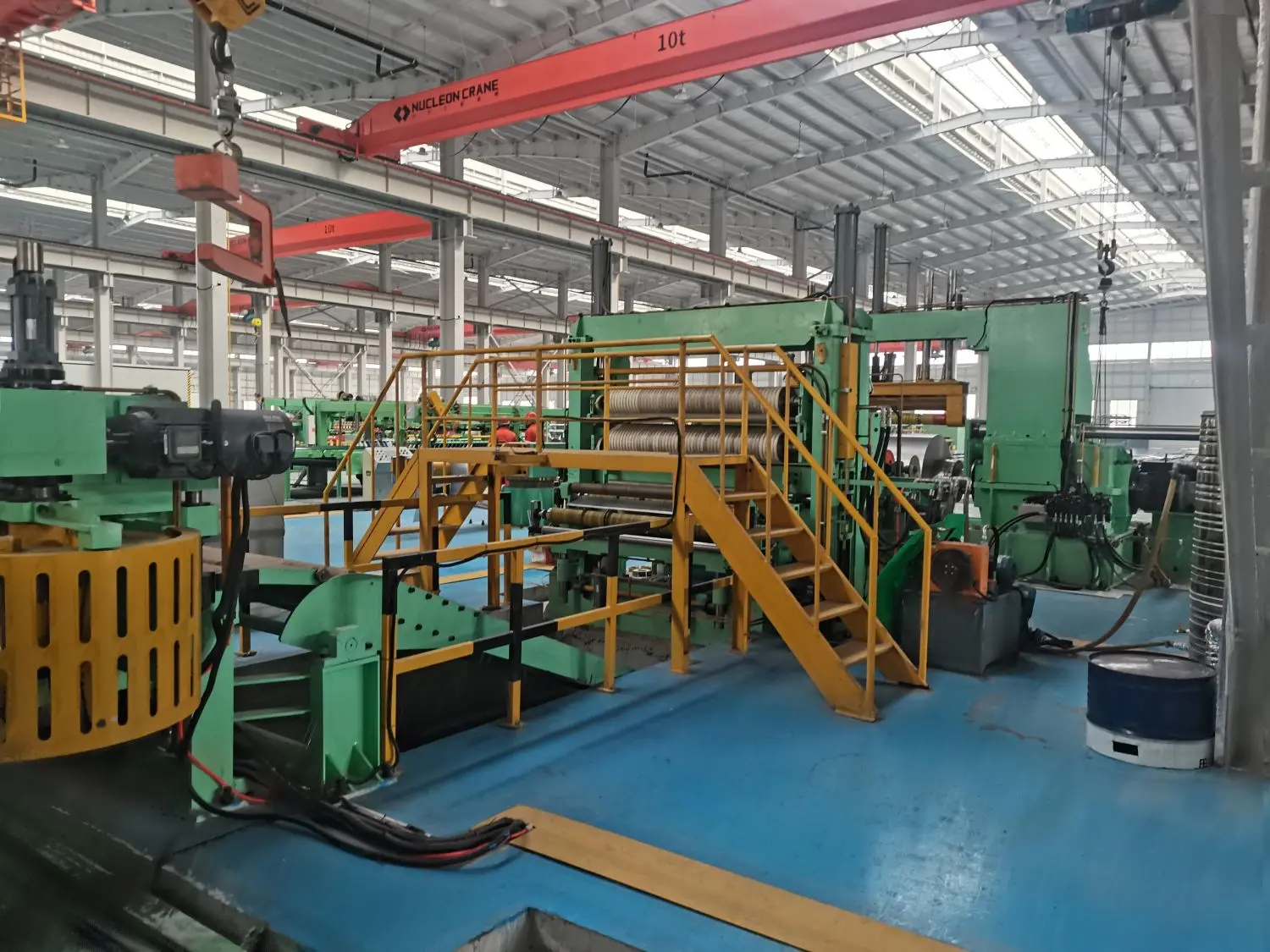
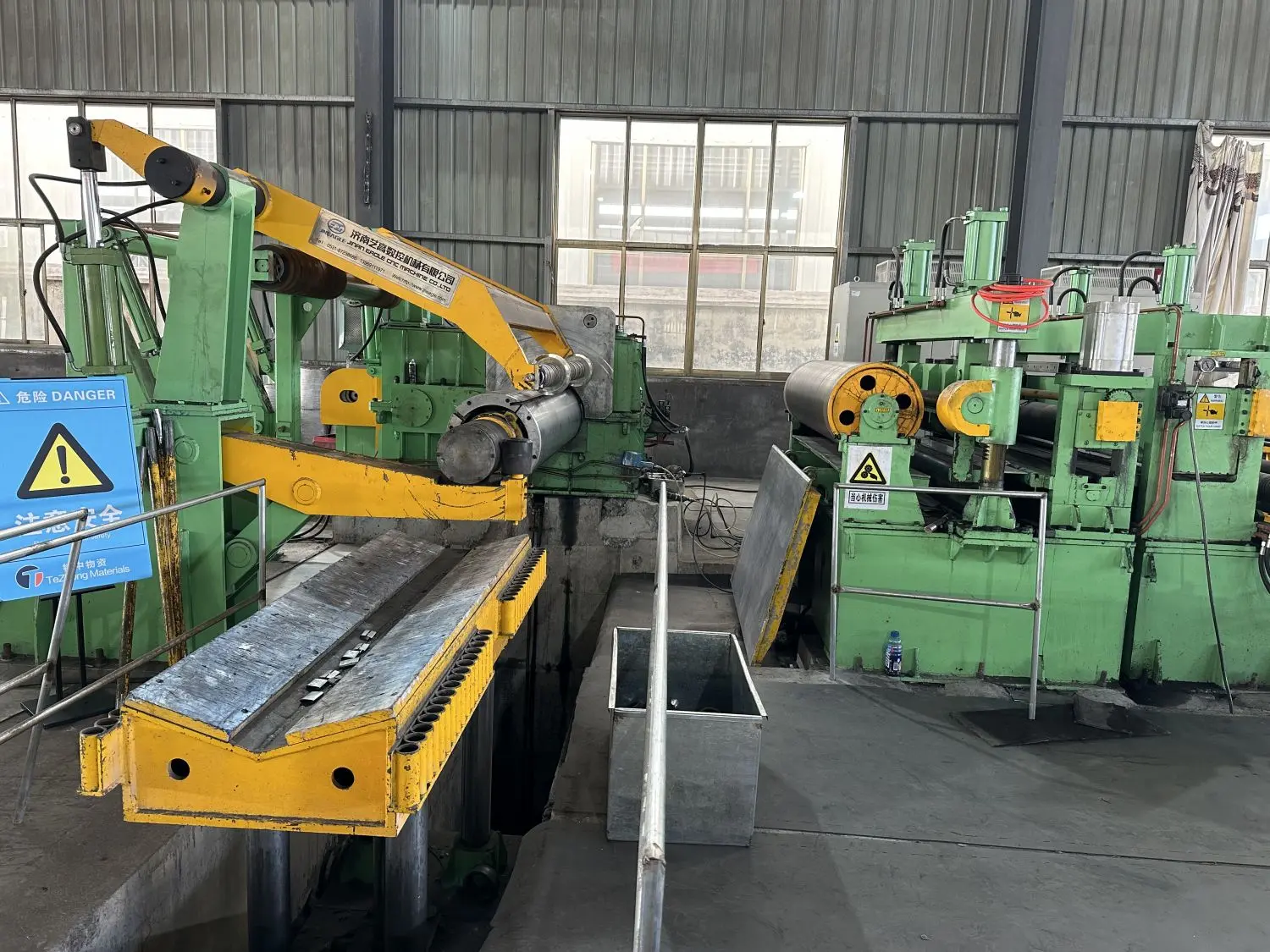
Scope 3 emissions continue to drive strategy for tier-1 automotive and electrical appliance brands. By sourcing certified recycled copper instead of primary mined copper cathodes, companies cut millions of tons of indirect CO2 equivalents. The supply chains we construct prioritize tracking the lineage of copper scrap insulated wire, offering transparent batch documentation to support customer carbon auditing.
Copper scrap insulations are traded under strict pricing models closely tied to global copper exchanges (LME, COMEX, SHFE). Procurement models utilize a standard formula:
Price per Ton = (LME Copper Cash Seller Price × Recoverable Copper % × Discount Factor) - Processing Cost. Our export desk offers transparent price indexing, enabling structured hedge options and forward contract commitments.
Electric vehicles (EVs), renewable energy farms, and high-frequency power grids require significant amounts of copper. As global primary copper production faces declining ore grades and rising extraction challenges, secondary scrap processing has moved from a cost-saving option to an essential raw material source. Shandong Tezhong keeps operations ahead of this transition by adopting clean, highly efficient sorting equipment.
When old coaxial, jelly-filled telephone networks, and optical fiber backbones are upgraded to modern networks, millions of tons of communication cable scrap are generated. Our processing setups handle the separation of high-oil content insulating jellies and protective steel sheaths from the core multi-pair copper cores, yielding high-grade recycled copper feedstock.
End-of-Life Vehicles (ELVs) yield highly complex wire harnesses wrapped in PVC outer sleeves and fitted with brass, copper, and aluminum terminals. We specialize in processing high-density automotive harness scrap. Using advanced air separation systems, we recover clean copper granules that match the technical specifications required by secondary smelting plants.
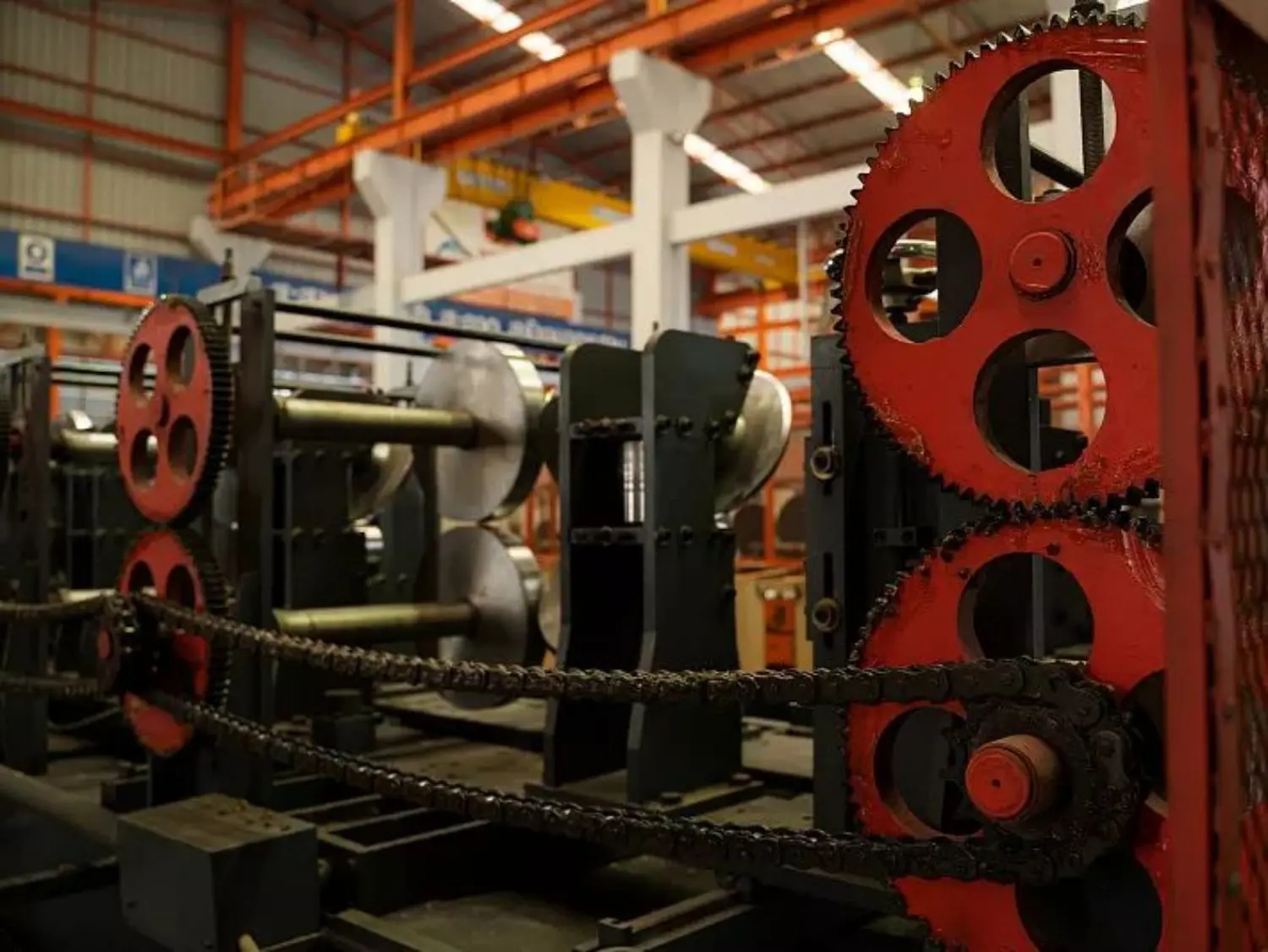
High-voltage transmission systems and heavy industrial machinery use thick, multi-core copper cables wrapped in vulcanized rubber or cross-linked polyethylene (XLPE). Our heavy-duty wire stripping machines process large-diameter industrial wire scrap, extracting dense, high-purity copper rods directly without requiring smelting energy.
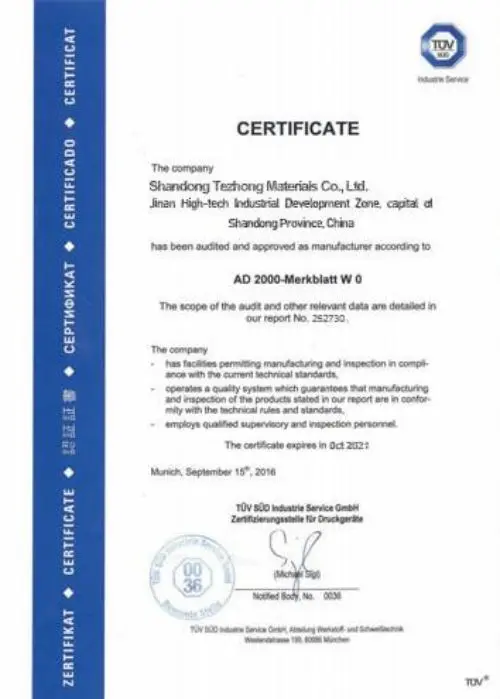
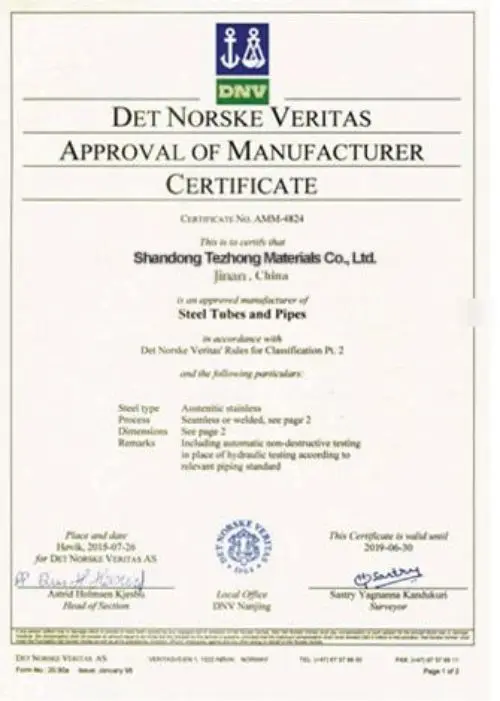
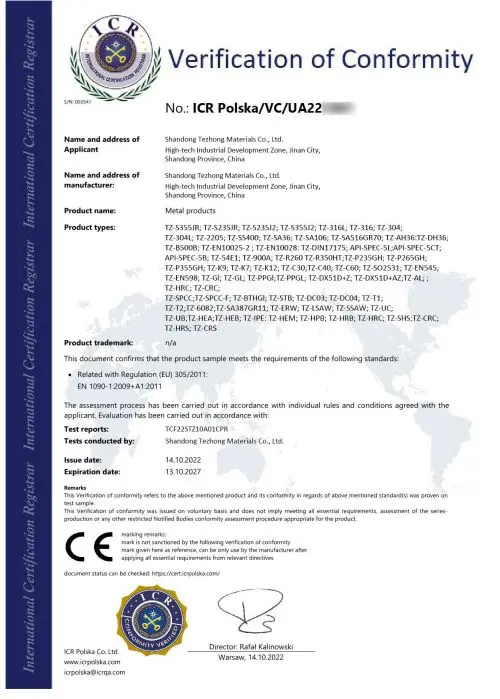
Cross-border scrap trading requires compliance with international environmental standards. Shandong Tezhong ensures all scrap insulated wire exports meet relevant regulatory requirements.
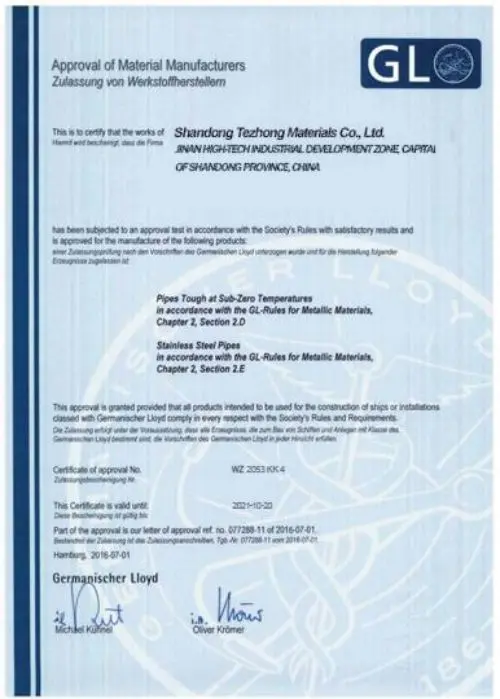
Highly experienced specialists offering strategic guidance for metallurgical processing and alloy separation technology.
Overseeing raw material processing, quality checks, and machinery optimization to maintain consistent output.
Focused on improving extraction efficiencies and processing complex composite metal materials.
Ensuring compliance from raw materials to final shipping loads with zero-tolerance quality testing.
 Tezhong