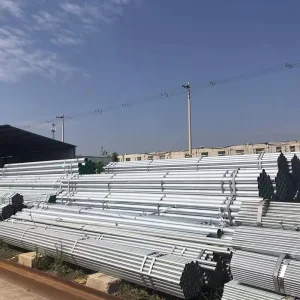
Direct from the Factory Warehouse — Quality Guaranteed through 27 Years of Manufacturing Excellence
An Analytical Guide on Cost Optimization, Metallurgical Integrity, and Global Supply Chain Performance for Industrial Conductor Materials.
In modern electrical engineering and infrastructure design, optimizing the ratio of material cost to power transfer efficiency is a core priority. High copper prices are prompting industries to evaluate alternative metallurgical solutions that reduce weight and cost without sacrificing performance. Copper Clad Aluminum (CCA) and related bimetallic copper-aluminum wires have emerged as crucial options, offering a composite material configuration that balances copper's conductivity with aluminum's weight and cost advantages.
This whitepaper addresses key sourcing metrics, structural properties, and standard practices surrounding high-volume distribution of aluminum copper wire products. We examine how advanced metallurgical interfaces allow global procurement officers, electrical engineers, and manufacturers to design systems that maximize cost-efficiency while meeting regulatory standards.
The shift toward electrification, renewable energy integration (such as photovoltaic and wind power farms), and electric vehicle manufacturing has significantly increased the global demand for conductive metals. Copper remains a premium, volatile commodity. CCA wire provides an alternative that addresses pricing volatility. By utilizing a core comprised of electrical-grade aluminum (often 1000 or 8000 series alloys) bonded to a cladding layer of oxygen-free copper, manufacturers can reduce raw material expenses by up to 50% compared to solid copper equivalents.
Logistical efficiency is another important consideration. Aluminum is approximately 60% lighter than copper. Shipping large quantities of lightweight bimetallic conductors reduces transport emissions and overall distribution costs, providing a notable benefit for international projects.
| Property Parameter | Solid Copper (Cu) | Copper Clad Aluminum (15% Vol) | Electrical Grade Pure Aluminum (Al) |
|---|---|---|---|
| Density (g/cm³) | 8.89 | 3.63 | 2.70 |
| DC Conductivity (% IACS) | 100% | 62.5% - 65% | 61% |
| Tensile Strength (MPa) | 200 - 250 | 120 - 160 | 80 - 120 |
| Weight Ratio (Relative) | 100% | 40.8% | 30.4% |
| Cost Index (Est. Average) | Base (High) | 35% - 50% Lower | Lowest |
To ensure reliable performance in industrial environments, bimetallic conductors require precise manufacturing processes. Shandong Tezhong Materials Co., Ltd. utilizes specialized solid-state metallurgically bonded cladding processes, which prevent the formation of brittle intermetallic phases at the aluminum-copper boundary. This approach ensures consistent mechanical and electrical performance during wire-drawing, bending, and long-term thermal cycling.
Key operational guidelines for integration include:
Years Since 1997
Annual Tons Capacity
Total Assets (RMB)
Expert Staff Members
A leading supply chain enterprise specializing in carbon steel, coated steel, stainless steel, and composite metal materials.
Shandong Tezhong Materials Co., Ltd. operates a registered capital of 100 million yuan and covers a facility area of approximately 15,000 square meters. With total assets of 1.2 billion yuan and a dedicated workforce of over 900 employees, the company manages integrated production lines for coking, sintering, steelmaking, and rolling, as well as associated energy and power systems.
Since passing ISO9001 certification, we have established continuous quality control processes. Our distribution network includes major outlets in Wuxi, Liaocheng, Tianjin, and Binzhou, maintaining inventory year-round to support prompt global delivery.
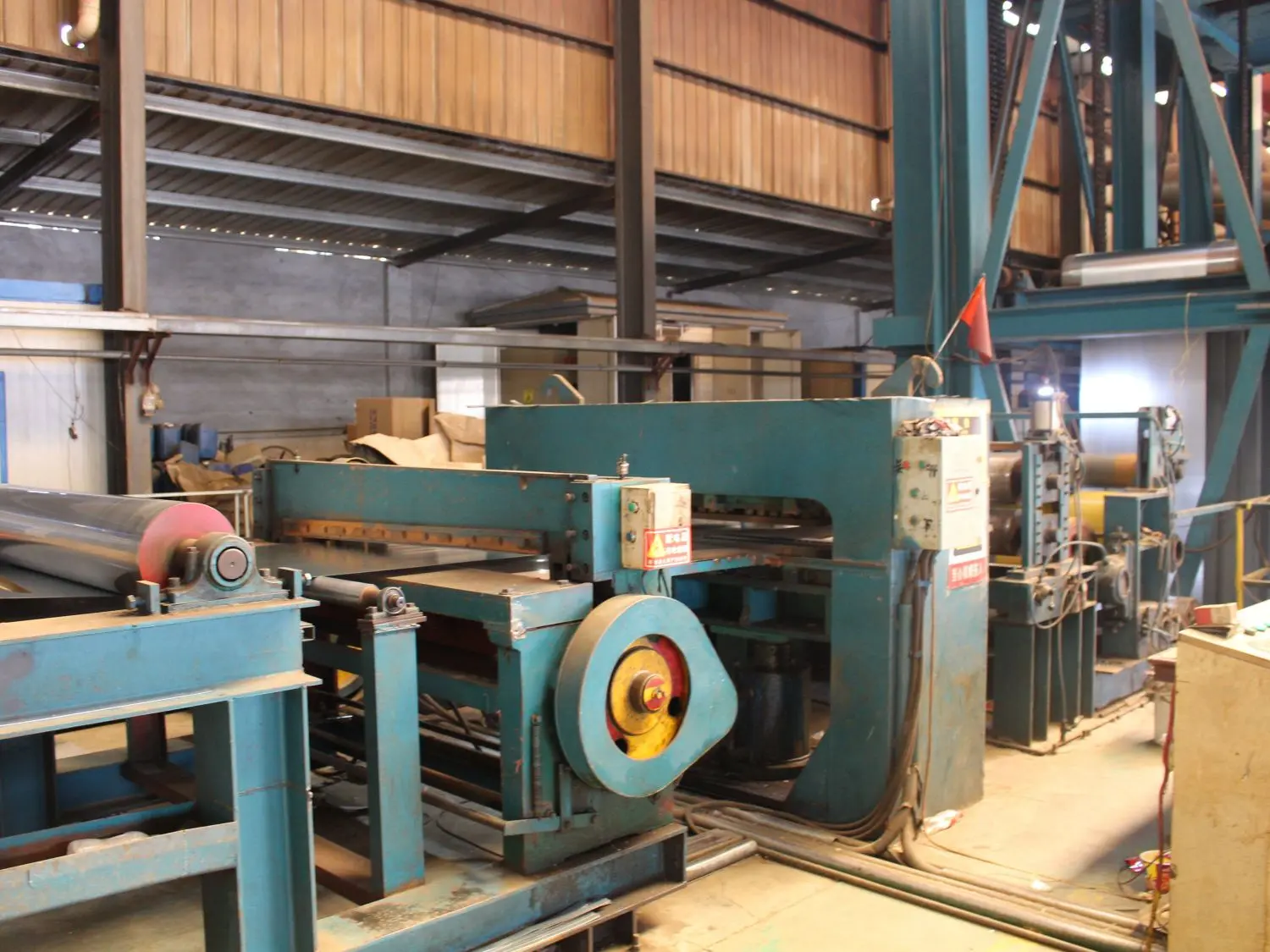
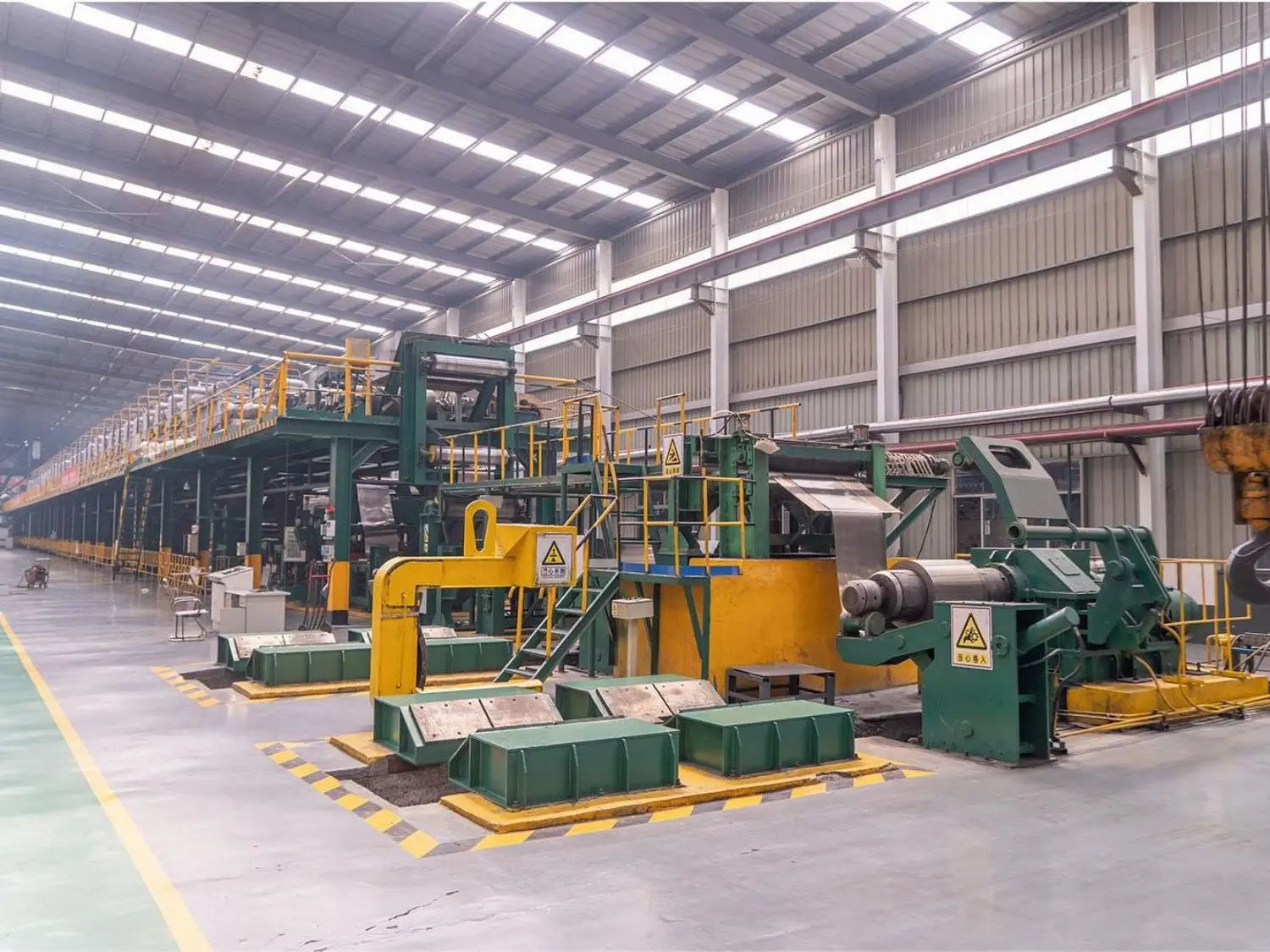
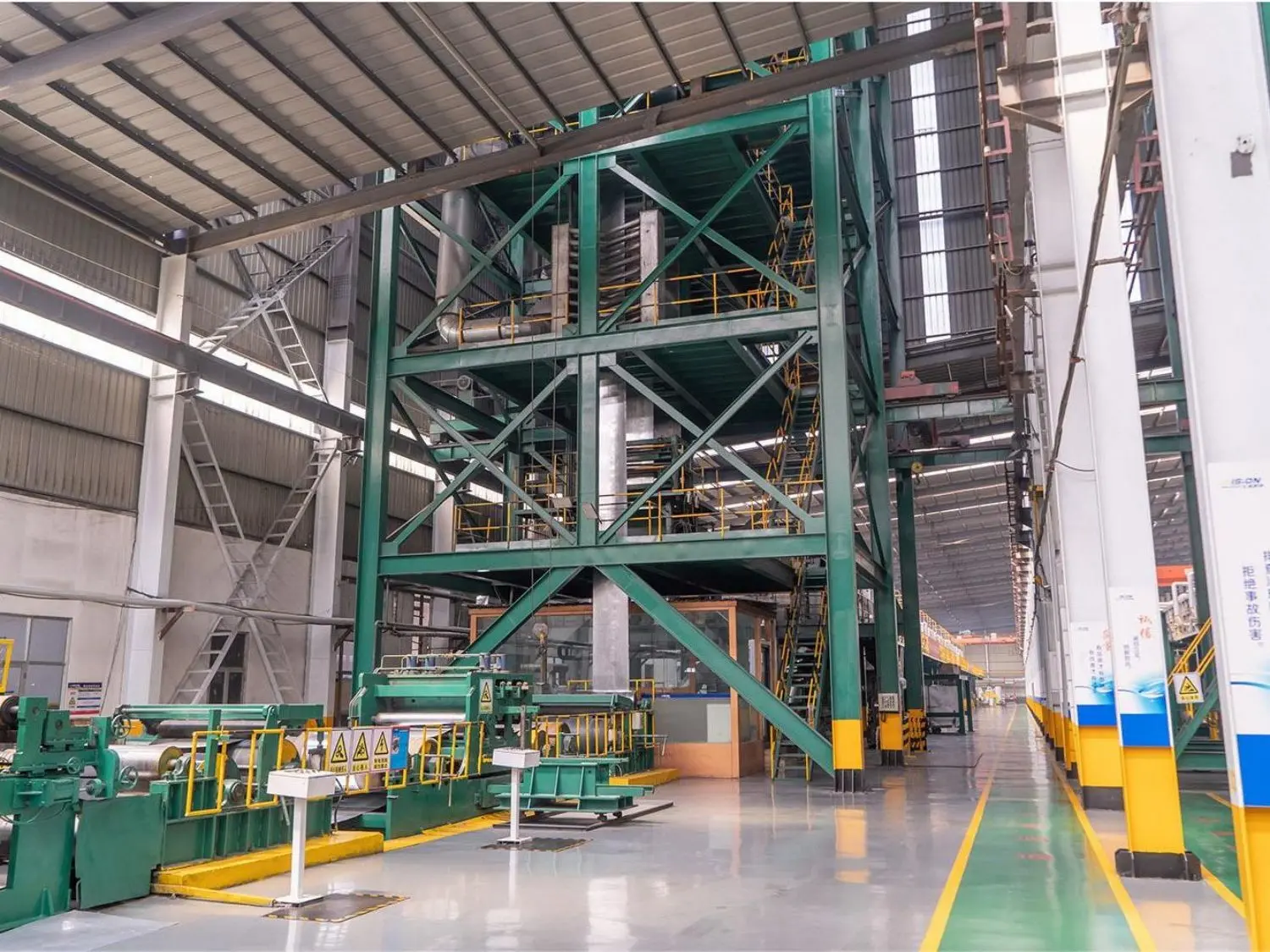
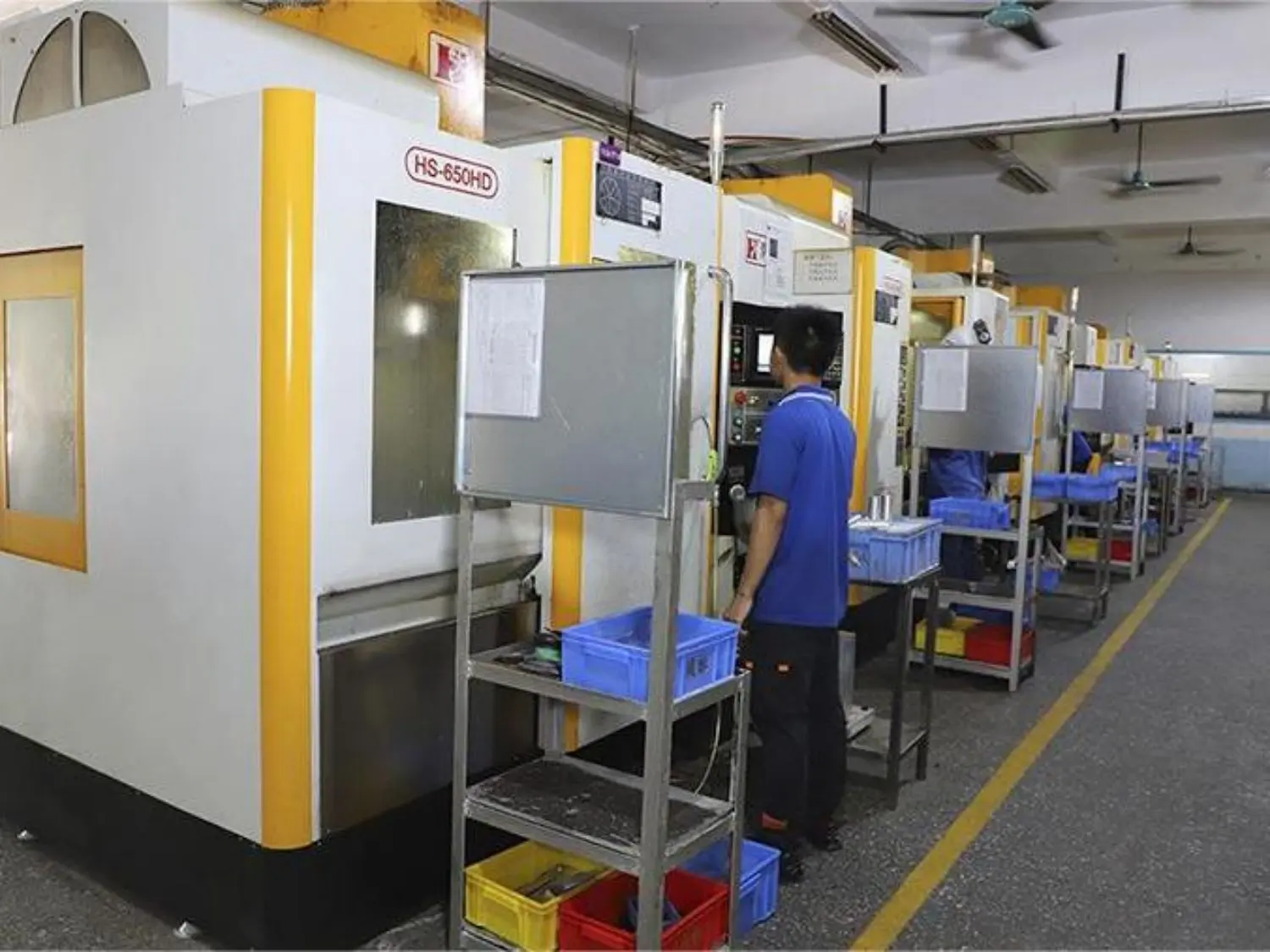
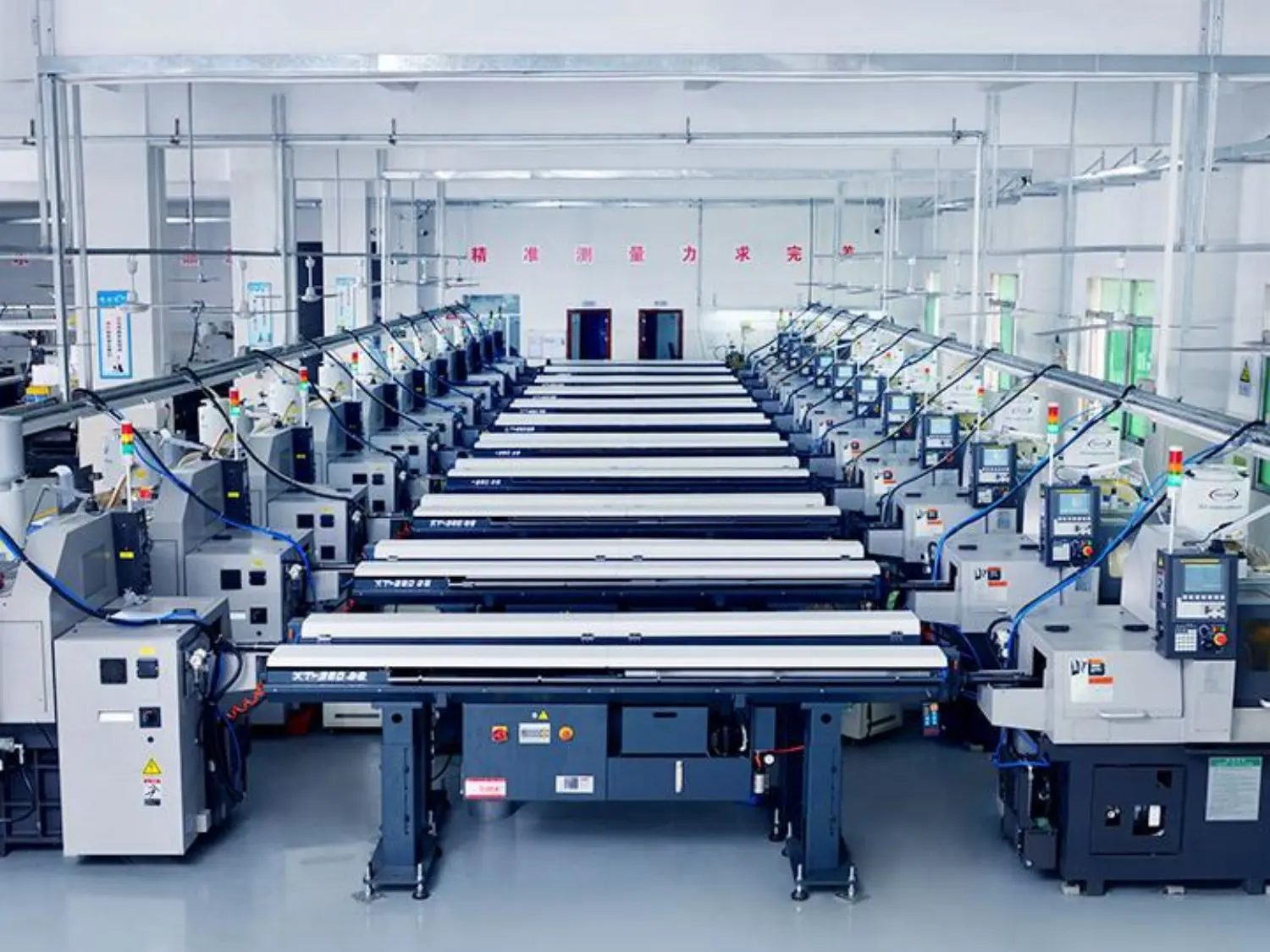
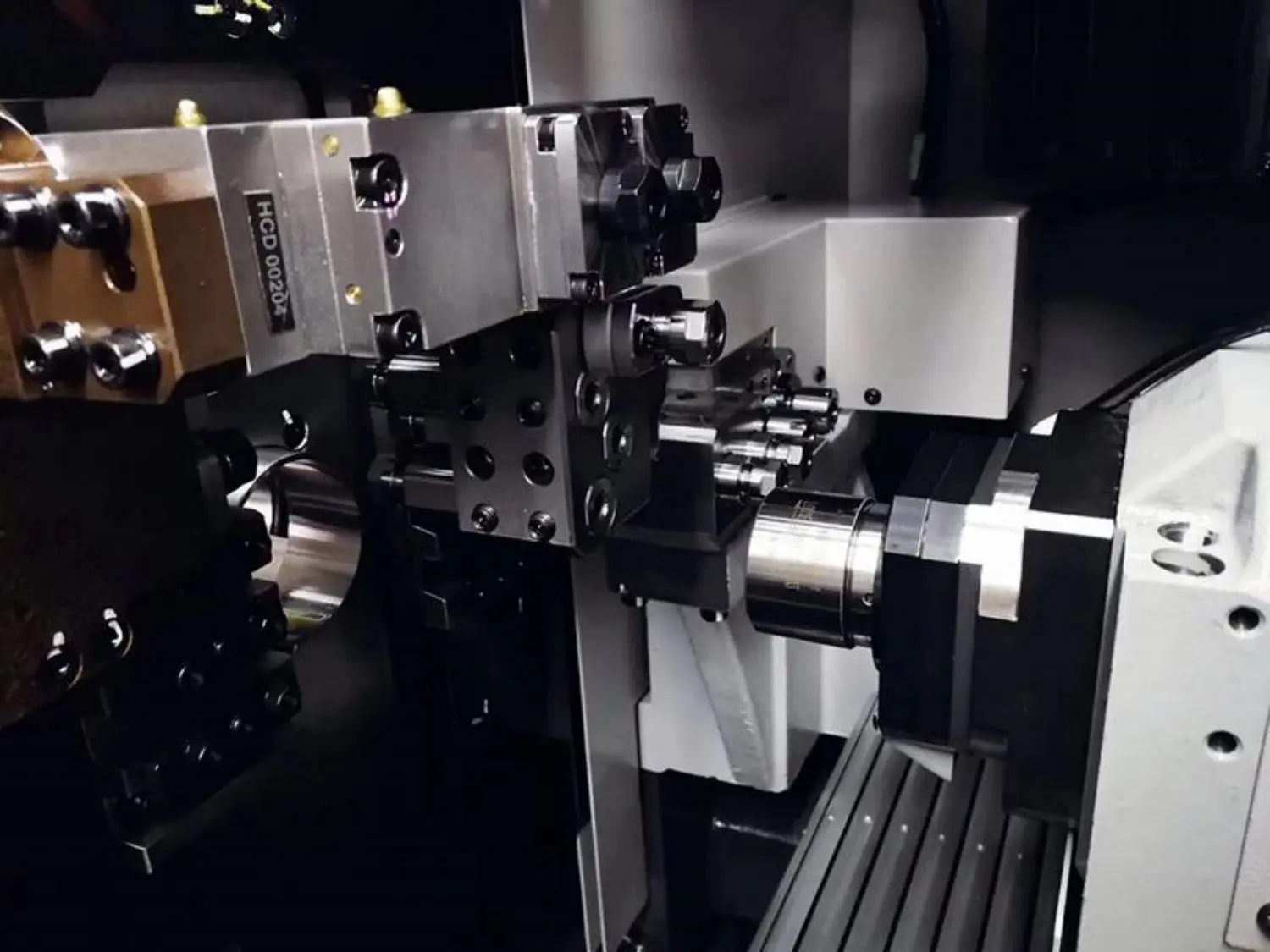
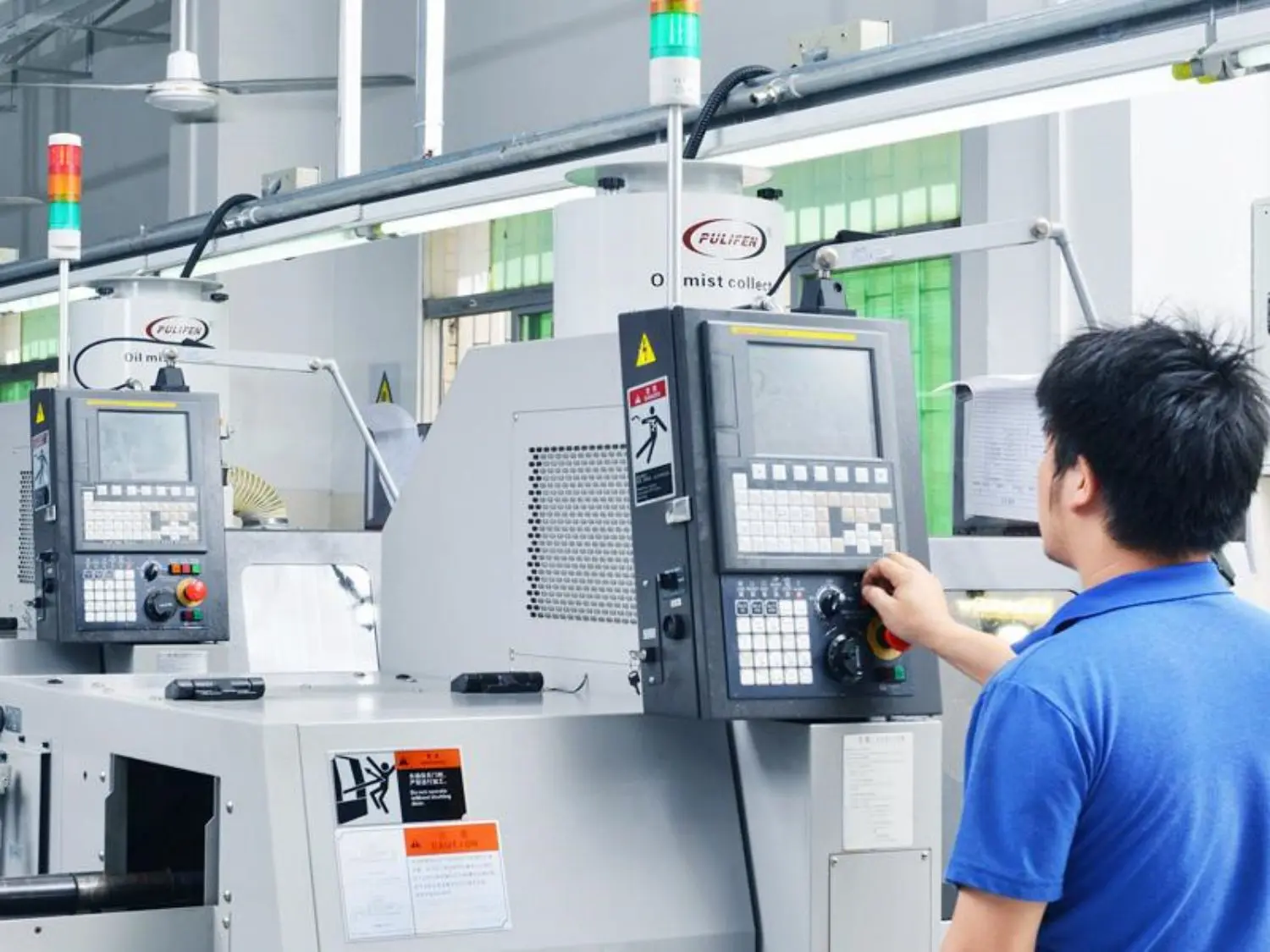
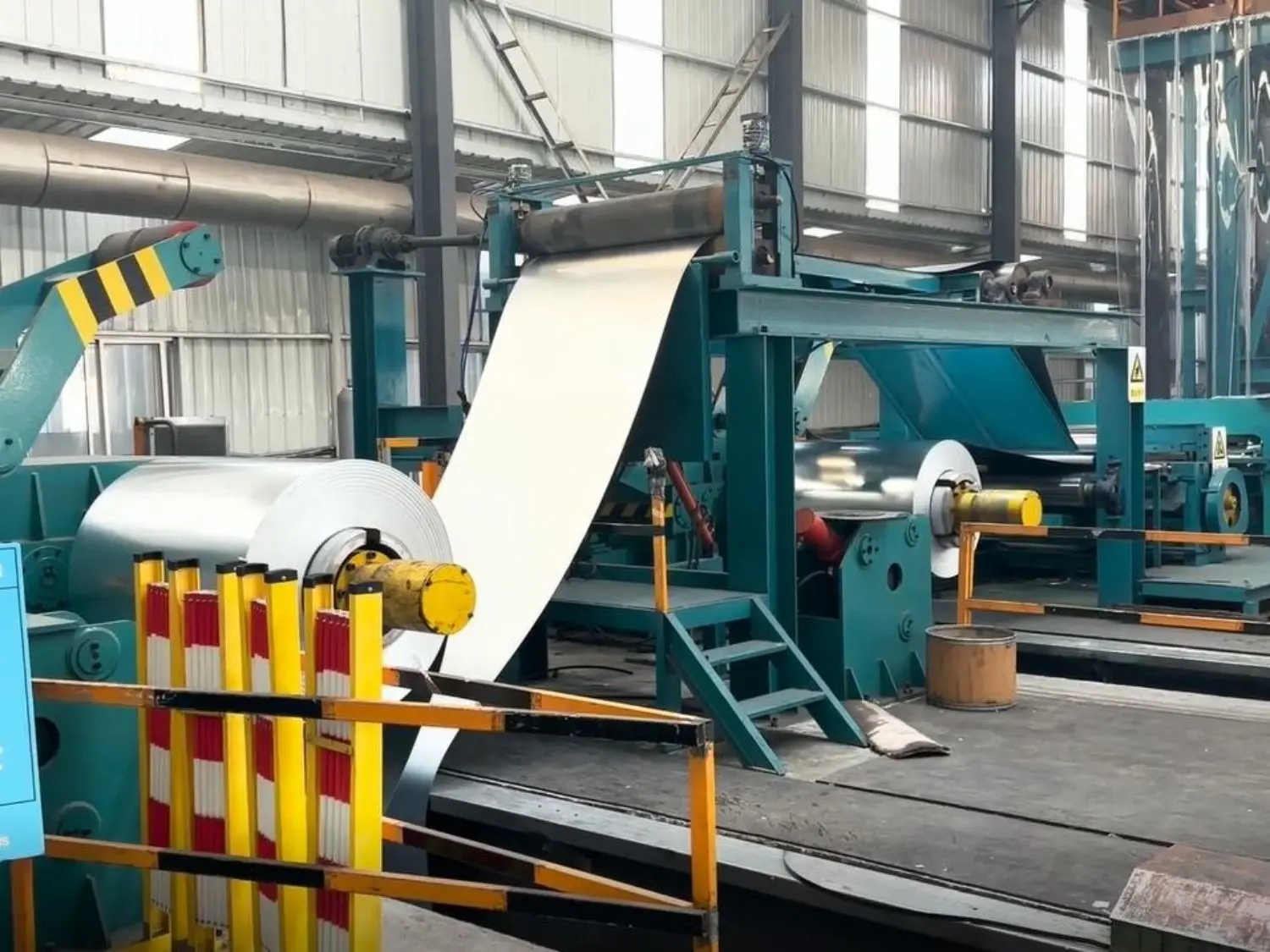
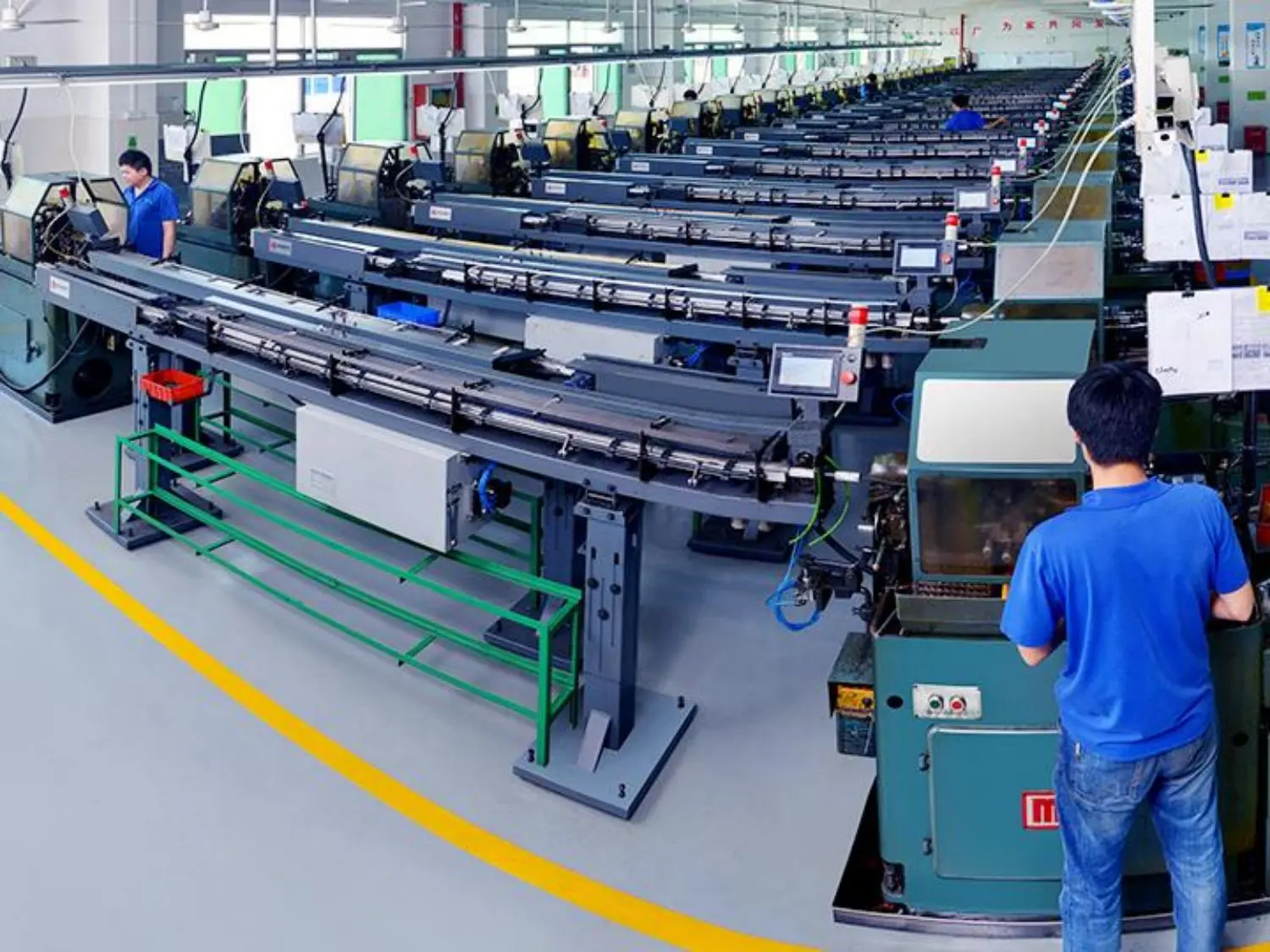
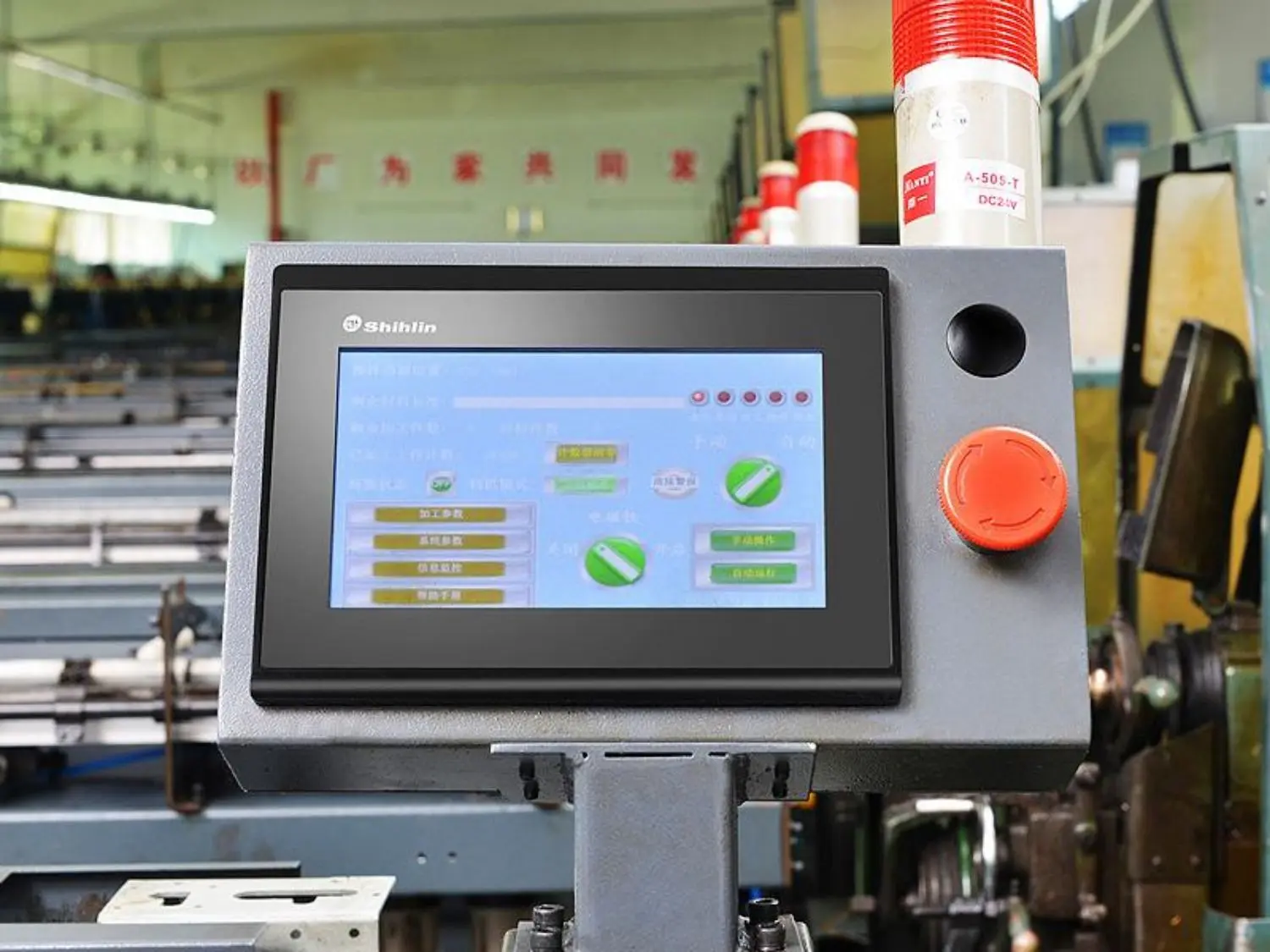
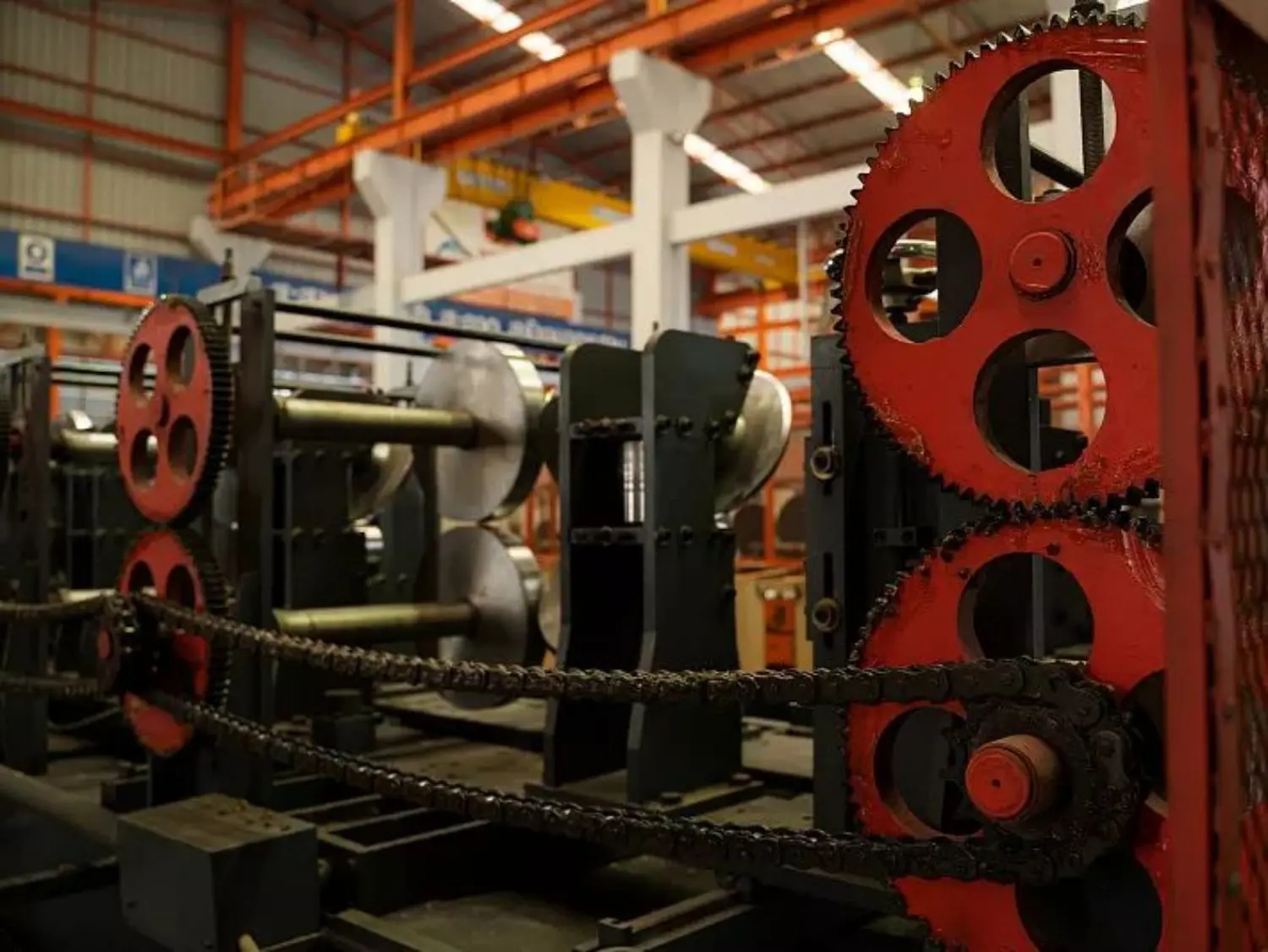
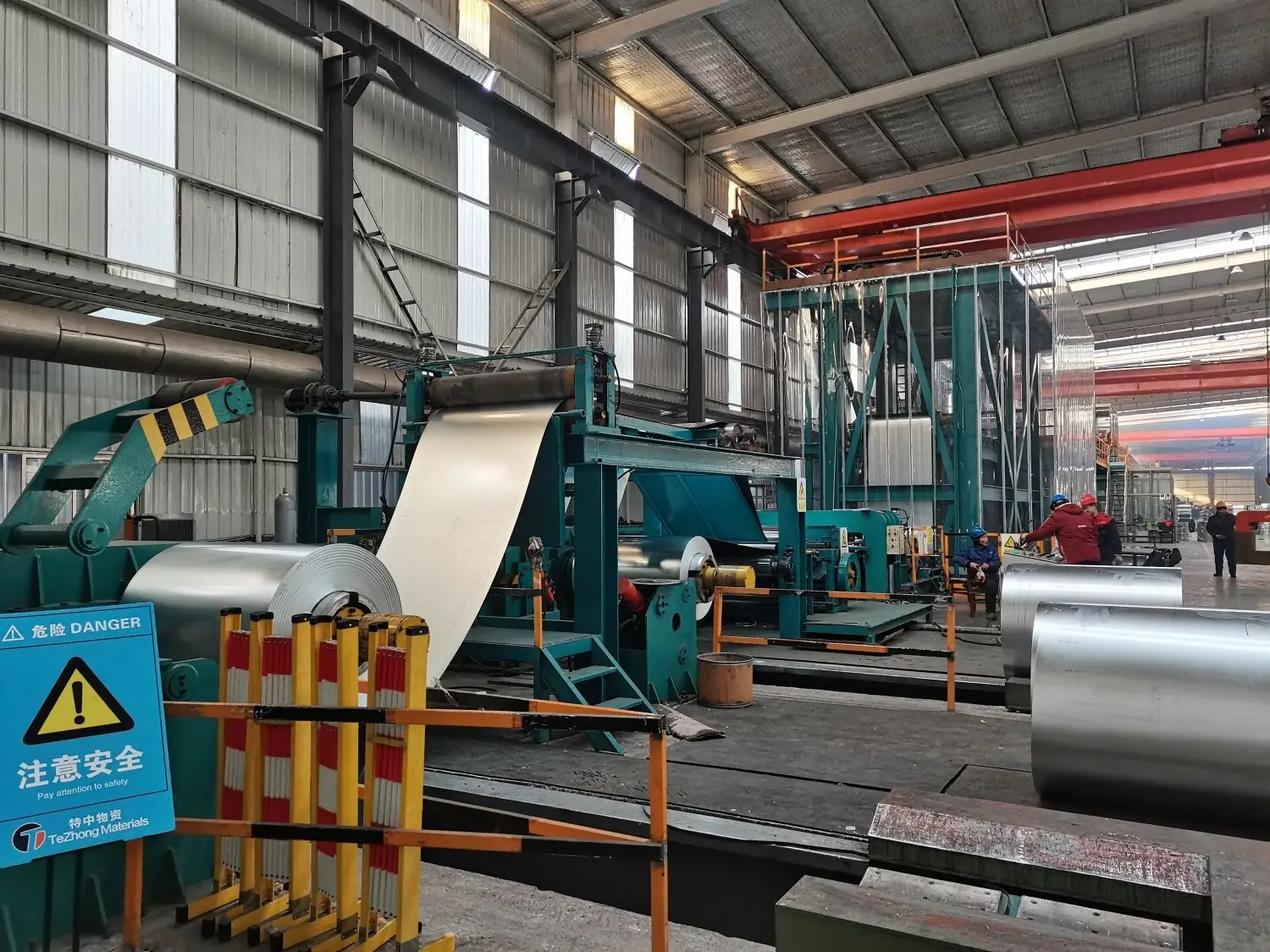
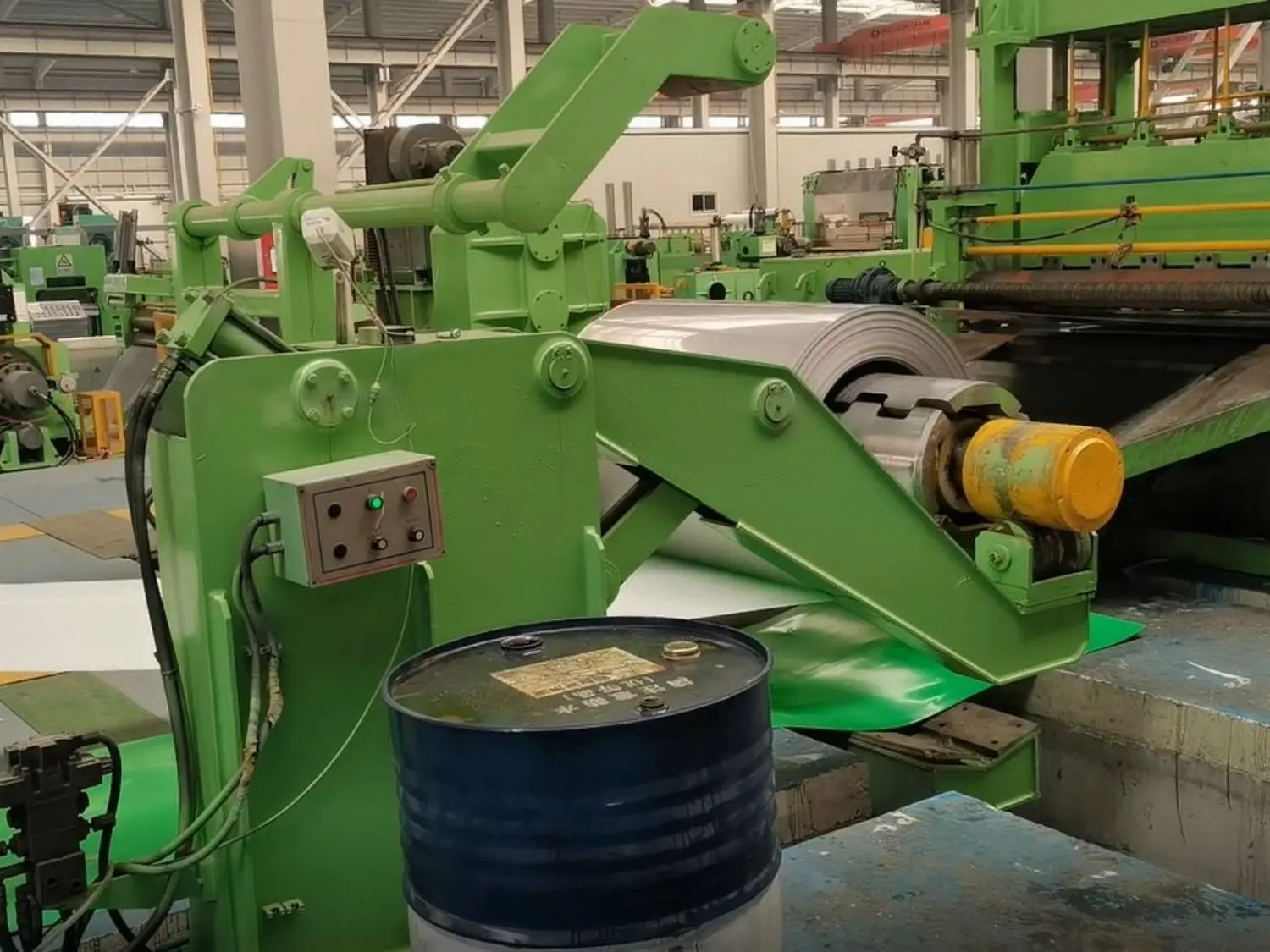
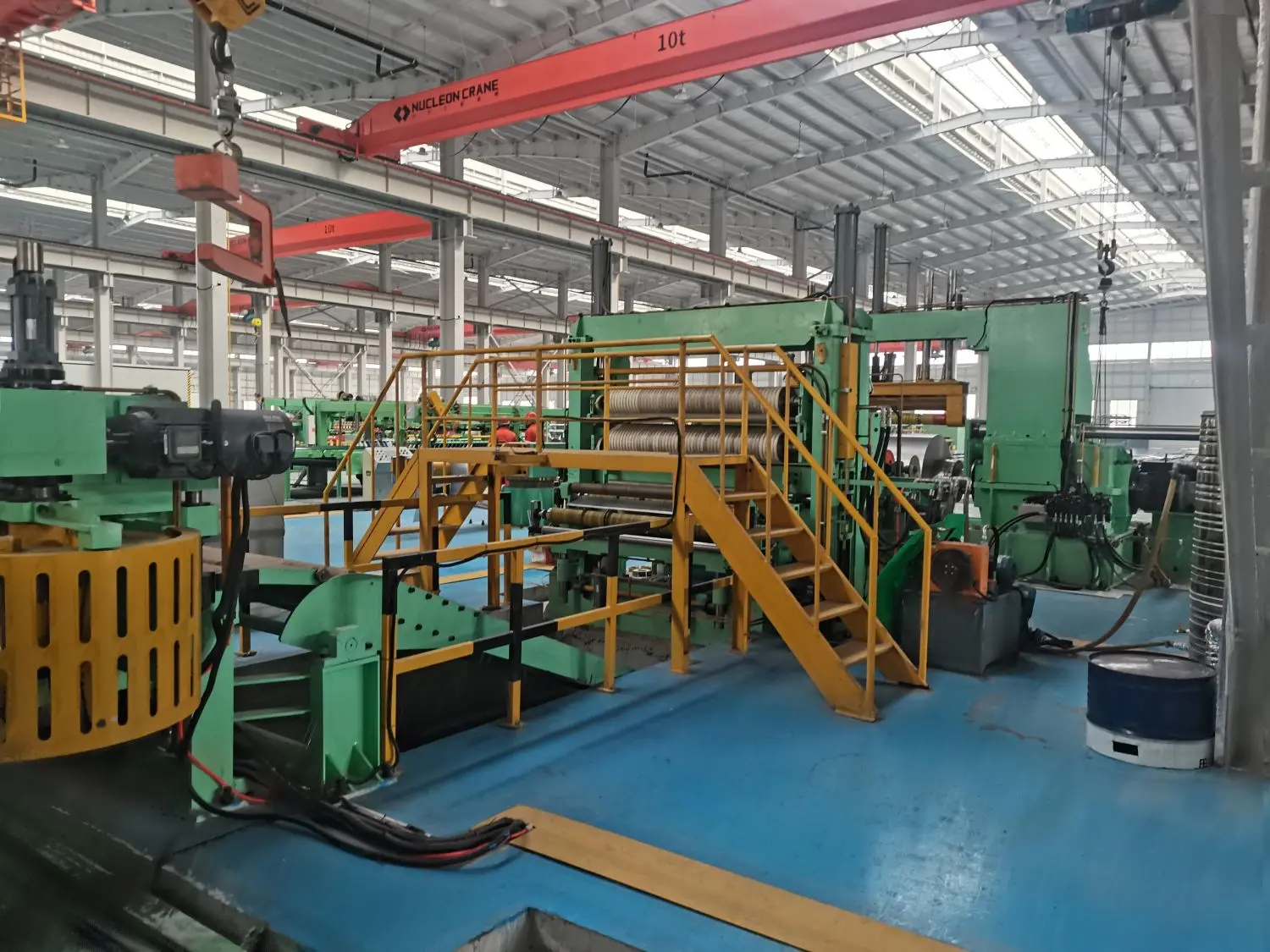
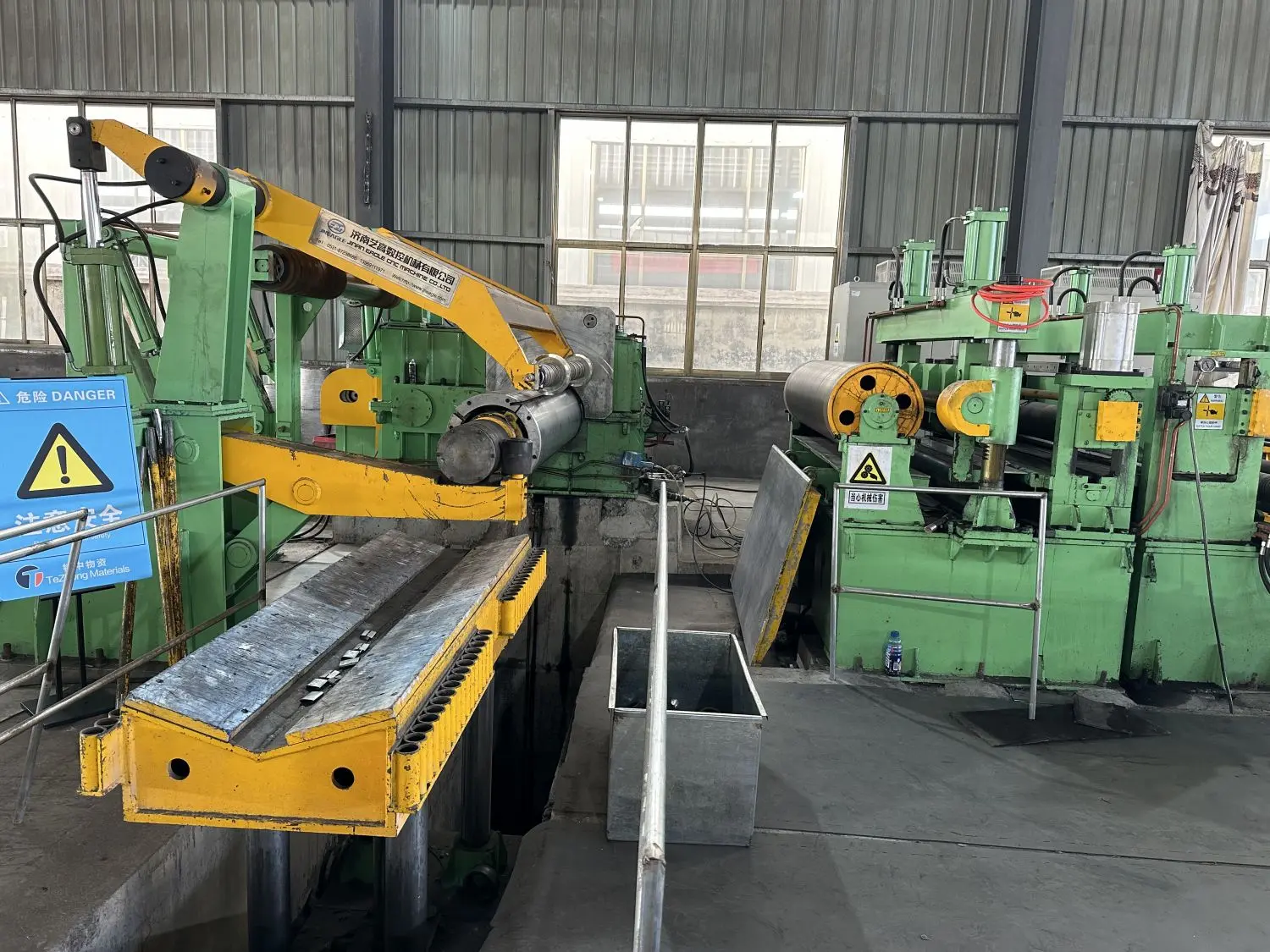
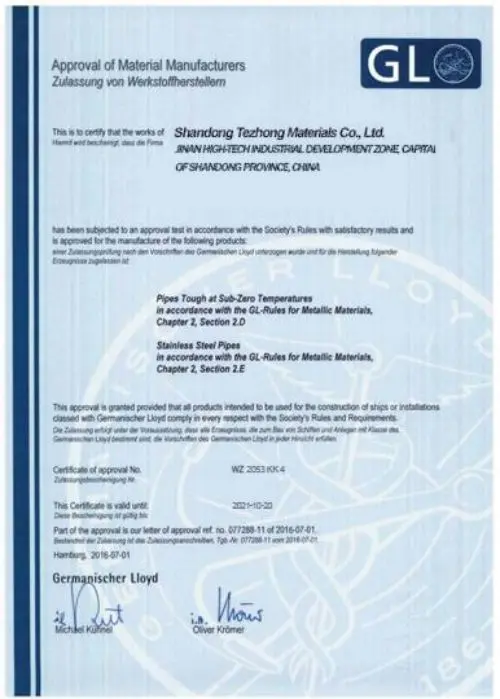
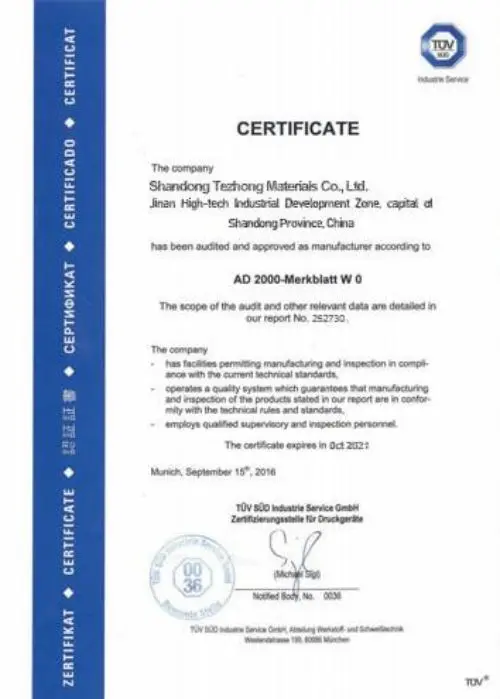
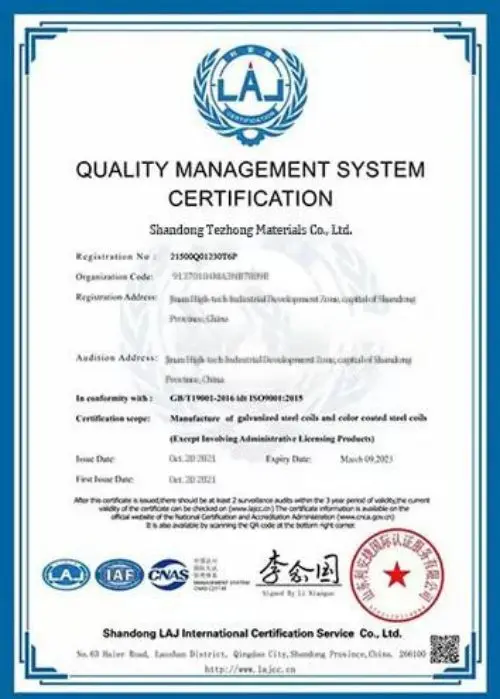
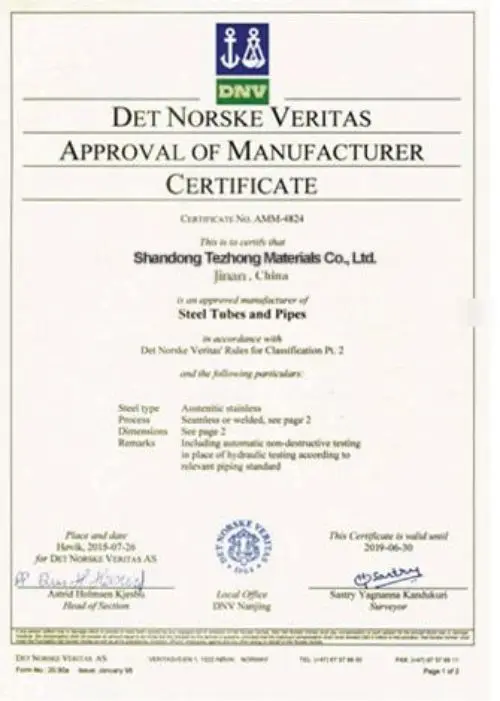
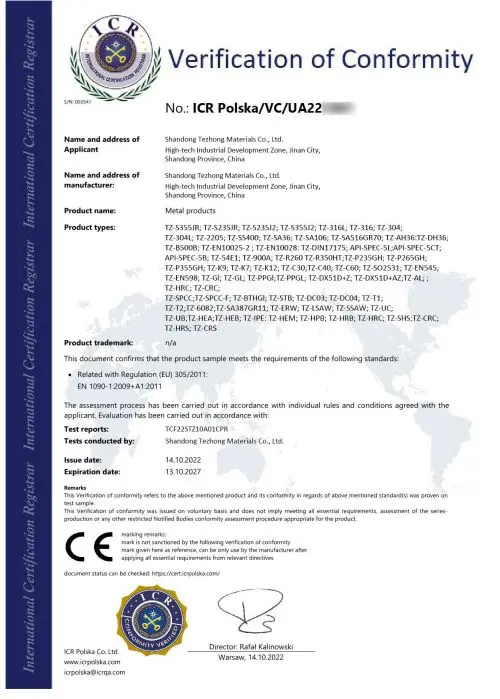
Our specialists leverage extensive industry experience to direct product formulation, alloy chemistry, and manufacturing methods, helping ensure products align with international requirements.
Metallurgical, mechanical, and process engineers monitor and maintain our manufacturing lines to support consistent quality at each stage of production.
Focused on material performance and processing efficiency, our researchers work to adapt our catalog to match evolving industrial specifications.
Inspectors carry out testing from raw metal supply checks through to final coil and wire analysis, ensuring compliant shipments reach our clients.
Expert insights addressing key inquiries from design engineers, procurement specialists, and quality control professionals.
Secure direct-from-factory sourcing across our full range of structural and conductive materials.

 Tezhong