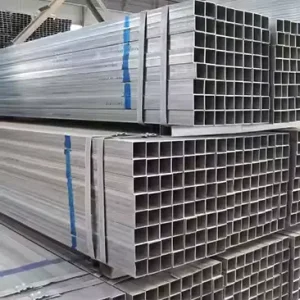
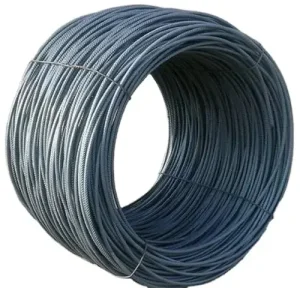
Explore our factory-direct bulk materials inventory. Shandong Tezhong Materials Co., Ltd. delivers global-standard heavy metal, electrical, and structural materials directly from our integrated facilities.
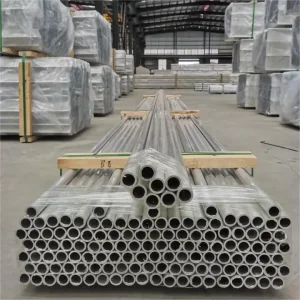
The global industrial sectors are transitioning towards high-efficiency transmission systems and electrified infrastructures. At the heart of this expansion lies the 2/0 AWG (pronounced "two-ought") copper wire, designated by the American Wire Gauge standard as a critical cross-sectional class (approximately 67.4 mm² or 133,100 circular mils). Serving as a foundational component for electrical services, sub-panels, structural grounding grid schemes, and battery banks, obtaining reliable 2/0 copper wire factory pricing is a major priority for EPC (Engineering, Procurement, and Construction) companies and industrial wholesalers.
Navigating the wholesale 2/0 copper wire pricing matrix requires a deep understanding of copper metallurgy, manufacturing overheads, insulation raw materials (such as THHN, THWN-2, XHHW-2, and welding-cable EPR/Neoprene), and the geopolitical supply lines that stabilize factory-direct delivery schedules. Under the strategic banner of Shandong Tezhong Materials Co., Ltd., we utilize integrated metal smelting and high-conductivity wire-drawing machinery to provide heavy-duty electrical conductors with unmatched structural integrity and cost efficiency.
Ensure your electrical supplier is providing 99.99% ETP (Electrolytic Tough Pitch) copper. Lower grades contain oxygen and lead impurities, reducing conductivity below standard IACS benchmarks, resulting in safety hazards and long-term energy waste.
A deep dive into our advanced manufacturing systems, massive domestic footprint, and global supply chain advantages.
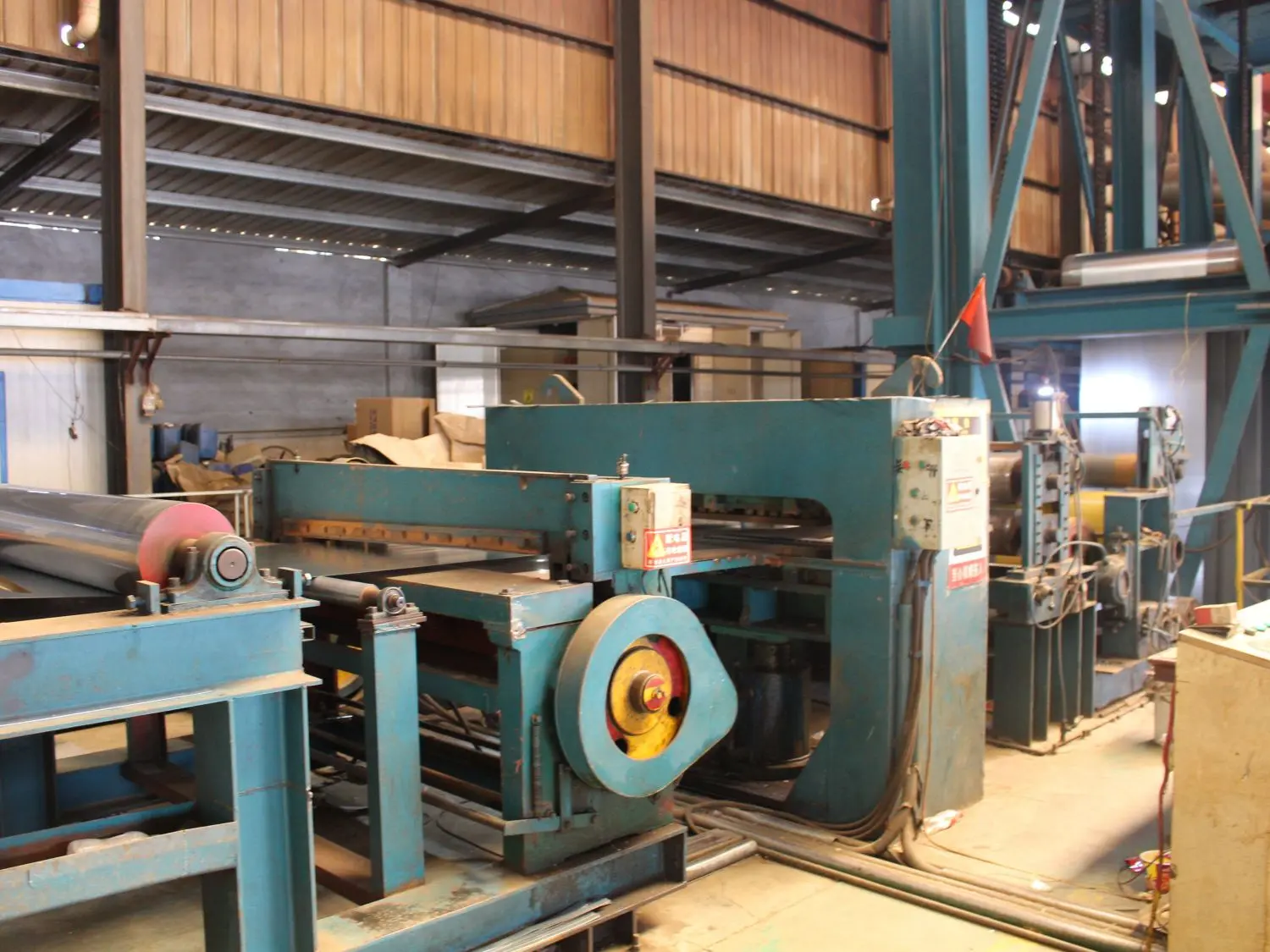
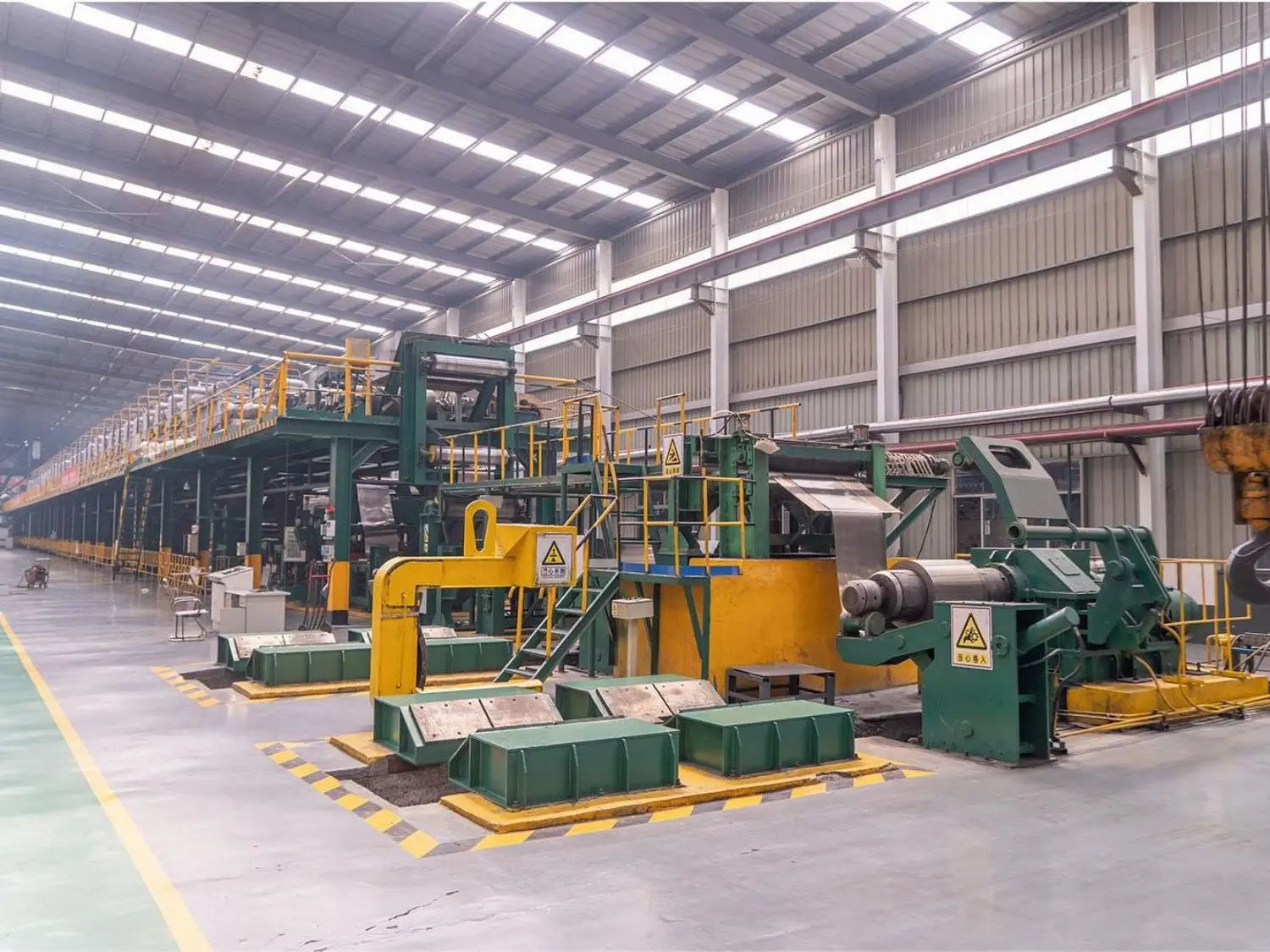
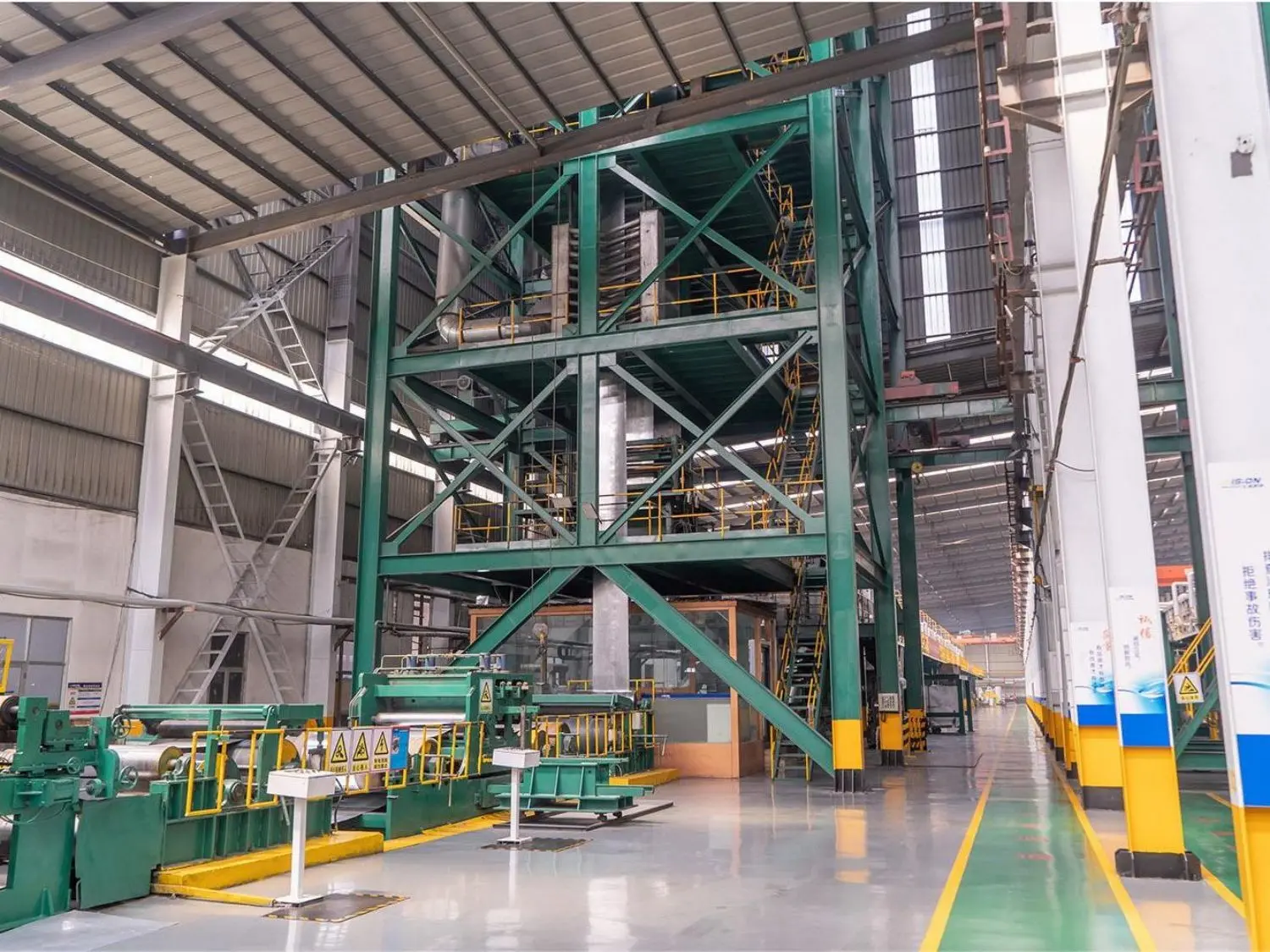
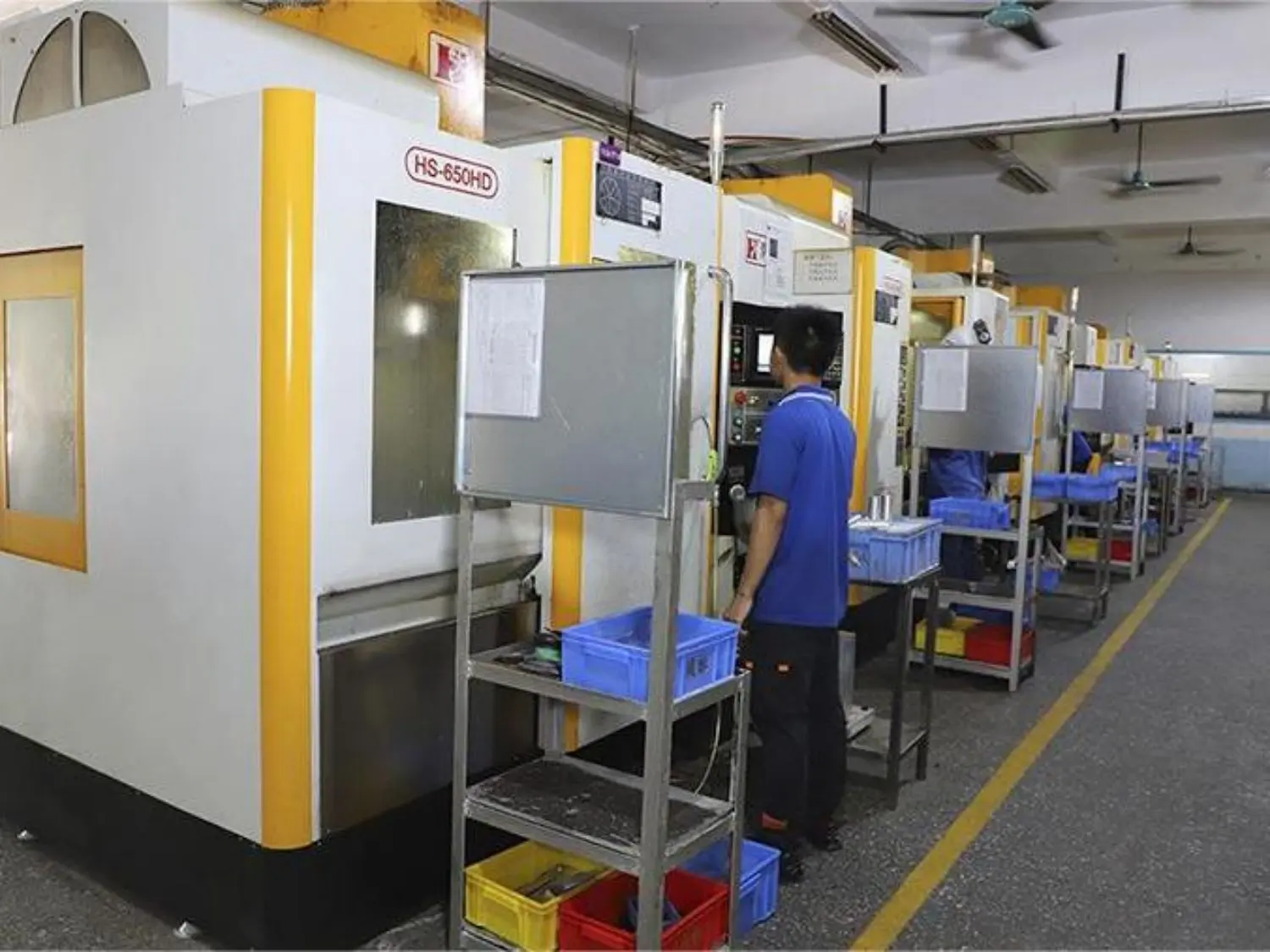
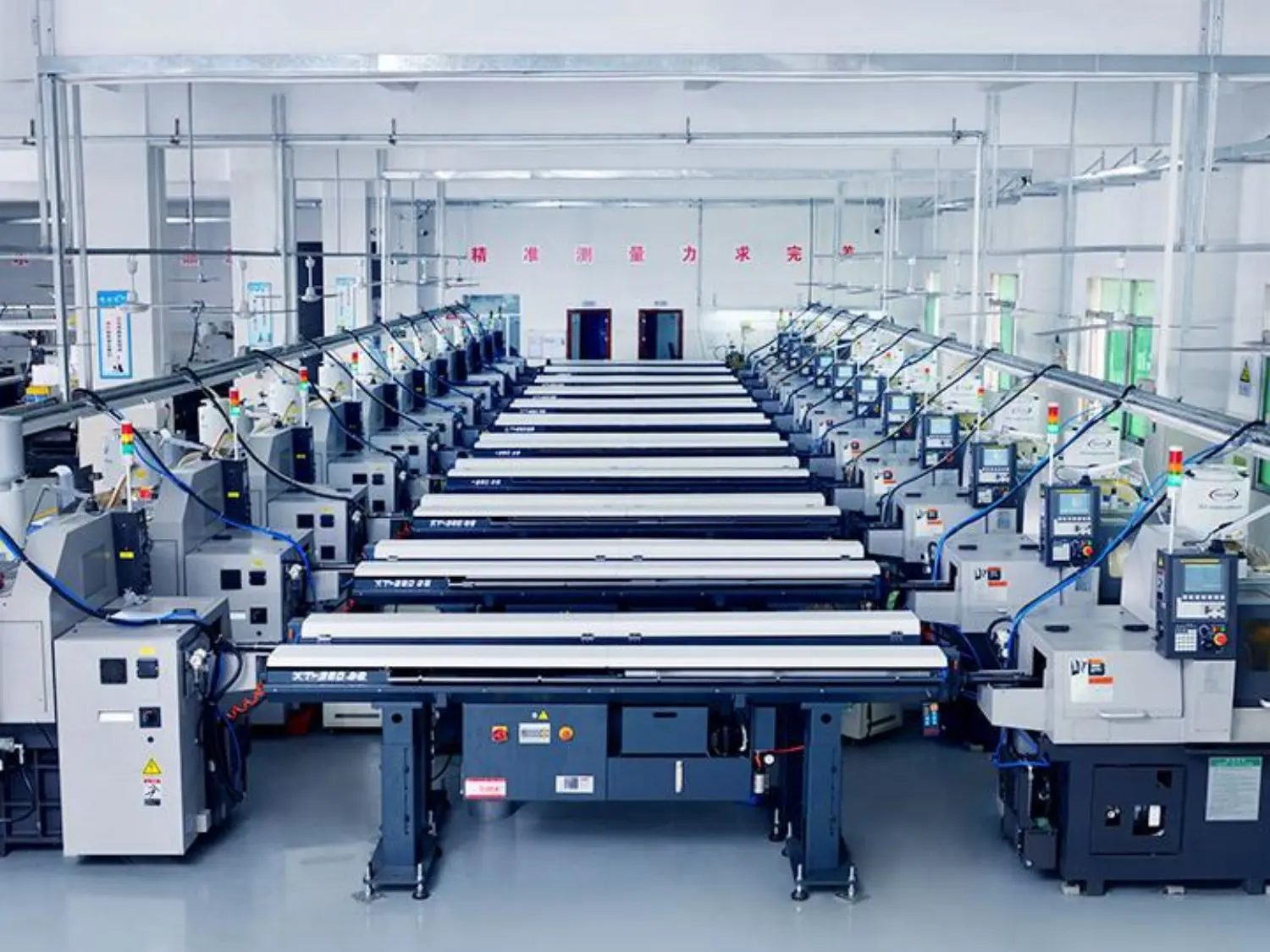
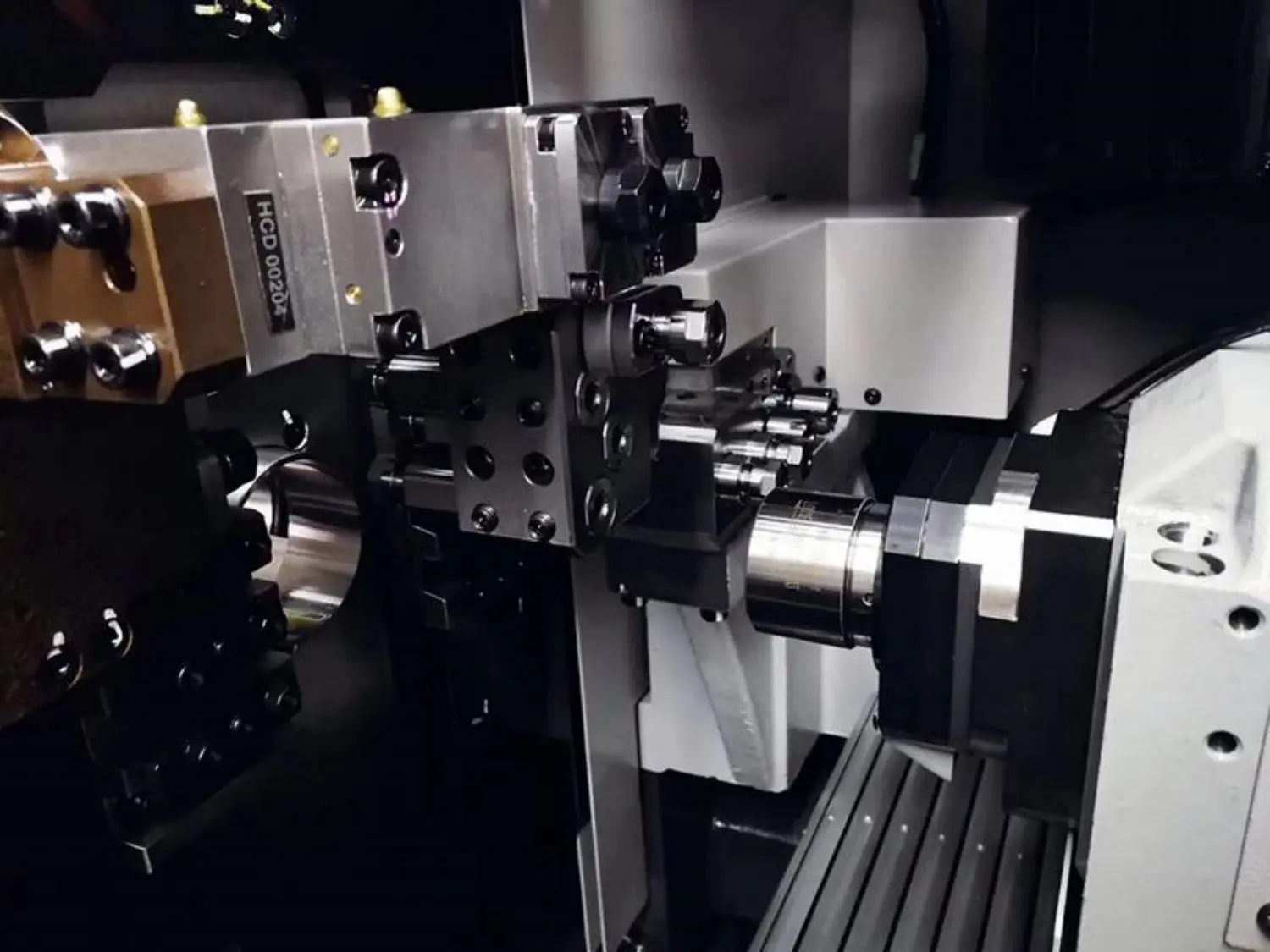
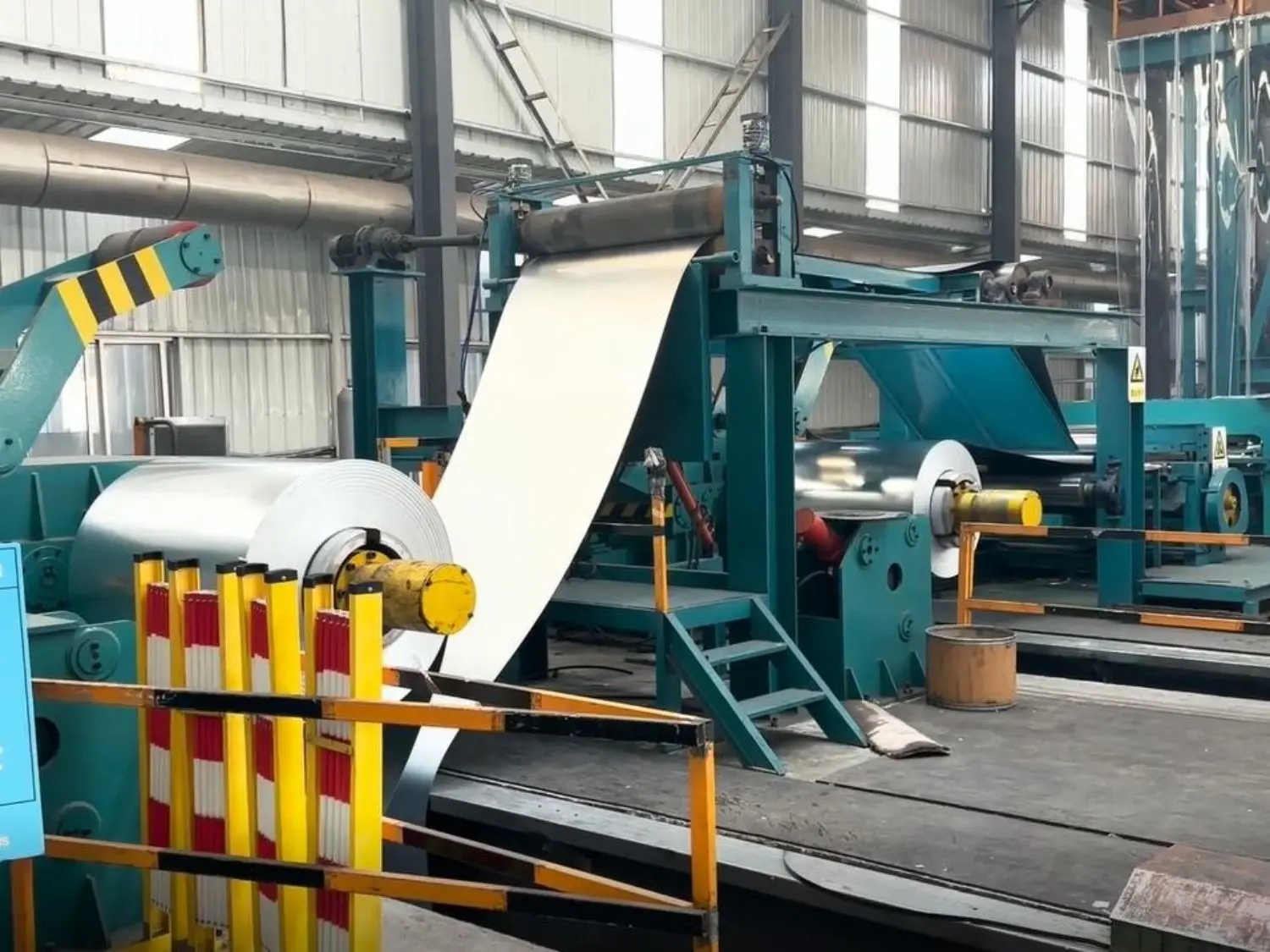
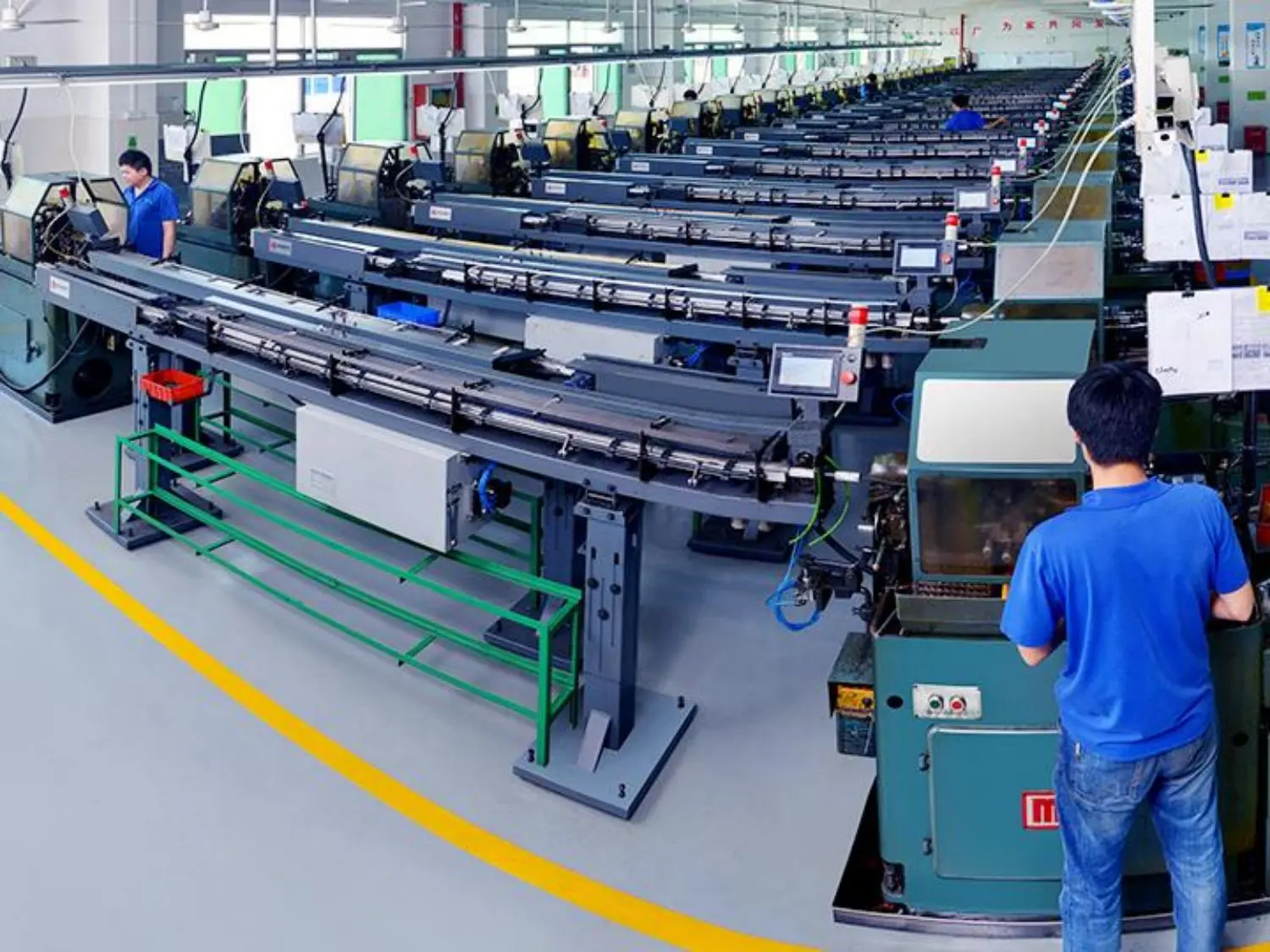
Shandong Tezhong Materials Co., Ltd. is a leading supply chain enterprise specializing in carbon steel, coated alloys, stainless steel, and high-performance industrial conductors. Established in 1997 with a registered capital of 100 million yuan, our operations span 15,000 square meters. Our workforce of over 900 employees includes 100+ senior engineering directors and technical experts who control the entire manufacturing process—from raw material sintering and oxygen converter smelting to precise hot-rolling and wire-drawing.
By leveraging our strategic regional hubs in Tianjin, Wuxi, Binzhou, and Liaocheng, we maintain extensive stock levels to protect global buyers from sudden supply shocks. Our products are exported to the Middle East, Europe, America, and Asia. Our high-conductivity copper and structural steel alloys are used in demanding applications like aerospace, marine engineering, chemical processing, military electronics, and nuclear power utilities.
Our metallurgy and electrical design teams bring decades of experience, providing strategic engineering support to ensure our products align with ASTM, IEC, and UL specifications.
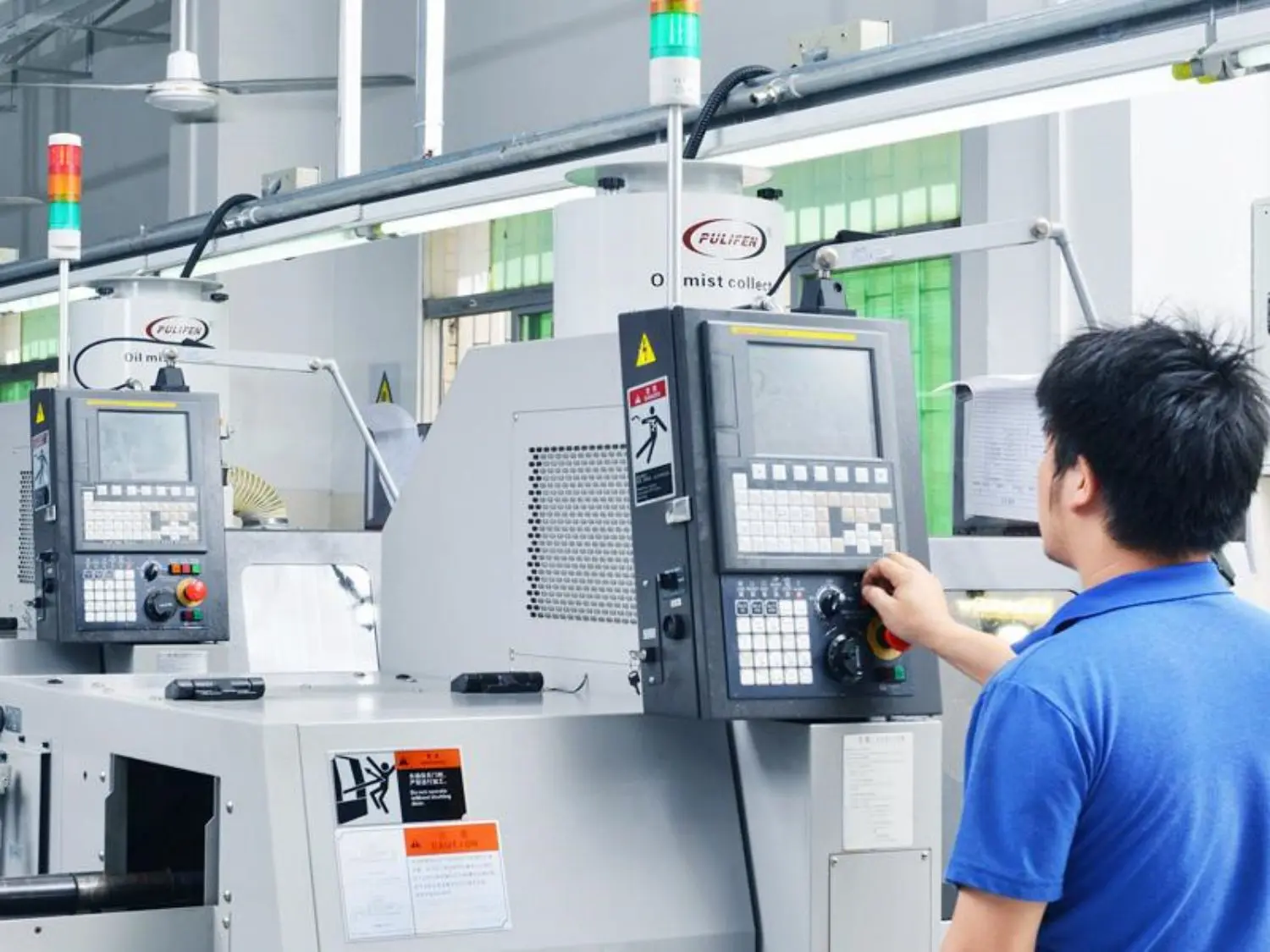
Our research and development center ranks 2nd among 575 national enterprise centers. We monitor product quality from raw casting to finished spools using spectroscopic and tensile testing equipment.
As an early adopter of ISO9001 quality system certification, we implement strict monitoring at every step. We verify conductivity metrics, insulation thickness, and mechanical stress resilience for every production batch.
Selecting the right 2/0 AWG copper wire requires analyzing detailed electrical and physical specifications. In high-power setups, ampacity (current-carrying capacity) varies based on the temperature rating of the insulation and the operating environment.
| Insulation Type | Max Voltage | Temp Rating | Wet/Dry Ampacity | Primary Industrial Application |
|---|---|---|---|---|
| THHN / THWN-2 | 600V | 90°C | 195A (Dry) / 175A (Wet) | Commercial conduit feeds & structural mains |
| XHHW-2 (XLPE) | 600V / 1000V | 90°C | 195A (Wet & Dry) | Substation power feeds & direct burial grids |
| Class K Welding Cable | 600V | 90°C - 105°C | 190A - 220A (App-dependent) | Heavy battery banks, EV charging systems & welding rigs |
| Bare Copper (Solid/Stranded) | N/A | N/A | Grounding Grid Limit | Substation ground loops & lightning protection |
Purchasing industrial-grade copper wire in bulk requires understanding the primary cost components. Raw copper prices are highly sensitive to market fluctuations, making direct supply chain integration essential.
Because copper is a globally traded commodity, the base price of raw copper cathodes fluctuates daily on the LME and SHFE. Direct manufacturers calculate prices using a formula: Raw Copper Spot Price + Precision Fabrication Surcharges + Insulation Costs. By working with an integrated producer like Shandong Tezhong Materials, buyers can bypass intermediate trading margins.
The formulation of outer protection sleeves directly affects pricing. Standard PVC compounds are economical but offer less resistance to heat and chemicals. In contrast, cross-linked polyethylene (XLPE) or premium vulcanized rubber (EPR) insulation systems are designed for extreme environments, which is reflected in their production cost.
Drawing copper rods down to thin, highly flexible strands (Class K or M) requires additional processing passes through wire-drawing dies. This increases production time and machinery wear compared to stiff, coarse Class B conductors, resulting in a higher processing premium.
With distribution outlets in Tianjin, Wuxi, Binzhou, and Liaocheng, we optimize logistics routes. This helps reduce inland transport fees, port-handling costs, and shipping times, keeping final landed wholesale prices highly competitive.
Ensuring compatibility with regional electrical codes and local installation standards.
For large-scale projects, electrical materials must comply with local regulatory frameworks. Without these approvals, installations can face regulatory delays, insurance issues, or premature system failures.
Applies to Thermoplastic-Insulated (THHN/THWN) and Thermoset-Insulated (XHHW) wire standards in the North American market.
Specifies conductor requirements for the European market, establishing nominal cross-sections and resistance benchmarks for Class 2 and Class 5 installations.
Ensures polymer jackets are free from hazardous substances like lead, cadmium, and polybrominated biphenyls, meeting strict environmental safety standards.
With its balanced combination of ampacity, flexibility, and physical durability, 2/0 AWG copper wire is widely used in various heavy industries:
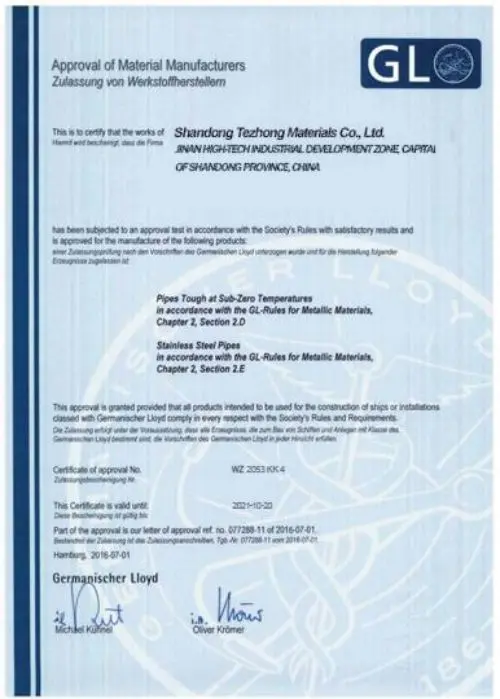
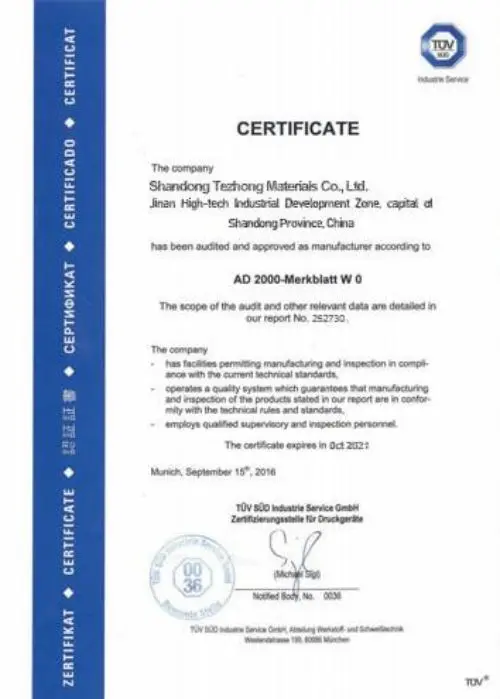
We maintain a comprehensive certification portfolio and dedicated team structure to ensure quality compliance.
Our processing lines undergo regular audits by third-party testing organizations to verify performance. Shandong Tezhong Materials Co., Ltd. is committed to maintaining compliant quality management systems, ensuring reliable electrical and mechanical properties for every order.
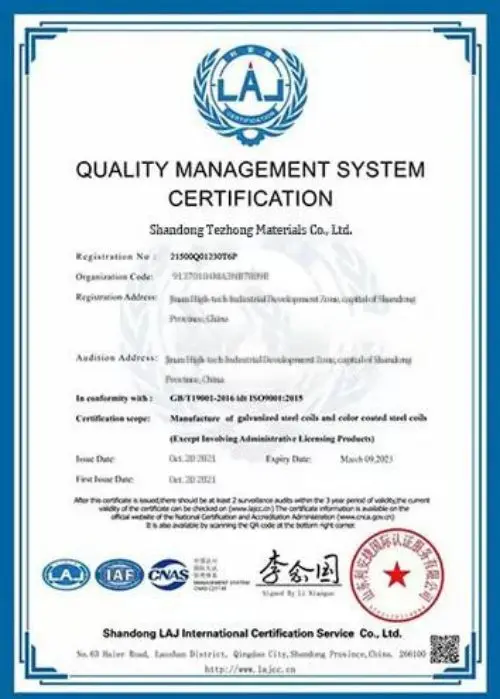
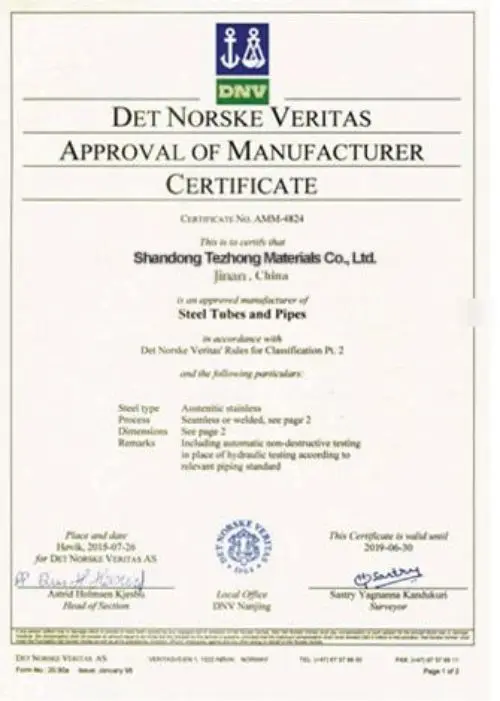
We provide strategic support to ensure electrical installations match local structural specifications and code requirements.
Managing alloy chemical properties, hot-rolling feeds, and drawing processes to keep production runs consistent.
Optimizing high-conductivity composites and flexible polymer insulation to improve performance under heat and stress.
We carry out spark testing, electrical resistance audits, and mechanical stress checks before releasing products for shipping.
Clear, technical answers to common questions about purchasing, specifying, and installing 2/0 copper wire.
Under National Electrical Code (NEC) rules, a 2/0 AWG copper conductor has an ampacity of 175 Amps at 75°C and 195 Amps at 90°C. In contrast, 2/0 aluminum conductors are rated for 135 Amps at 75°C and 150 Amps at 90°C. To match the current capacity of 2/0 copper wire, you generally need to step up to a larger 4/0 aluminum wire.
Solid wire in this thickness is very stiff and difficult to bend, so it is rarely used. Standard stranded wire (such as 19-strand Class B) is typically used for fixed structural runs inside conduit. Highly flexible stranded wire (Class K or M, featuring hundreds of smaller strands) is preferred for applications that require regular movement, such as battery connections, EV charging stations, and mobile power generators.
Pricing is primarily driven by three factors: the current price of copper on international commodity exchanges (LME/SHFE), the type of insulation specified (such as standard PVC vs. high-durability cross-linked polyethylene XLPE), and the quantity ordered. Direct factory orders help lower overall costs by avoiding distributor markup fees.
Yes, but you must select the appropriate insulation. Standard THHN wire is not suitable for direct burial. For underground installations, you should specify wire with XHHW-2, USE-2, or UF ratings, which are designed to withstand moisture, soil acids, and mechanical pressure.
We leverage our scale as an integrated metallurgy and manufacturing group, keeping raw materials in stock across key domestic hubs like Wuxi and Wuan. This helps us offer more stable pricing structures, shield buyers from sudden spot market jumps, and maintain reliable production timelines.
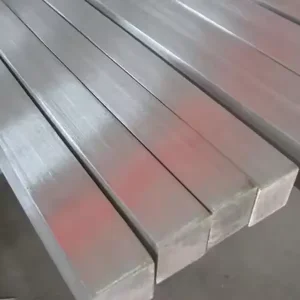
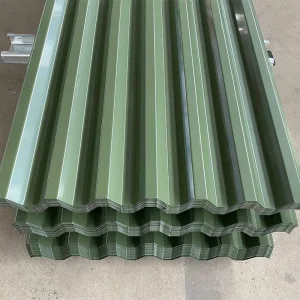
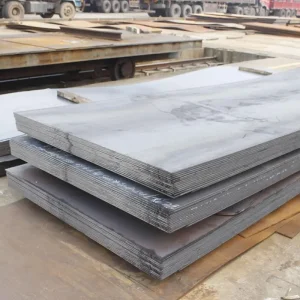
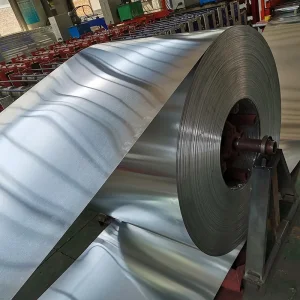
Factory-direct steel plates, alloy tubing, and structural profiles for major industrial projects.
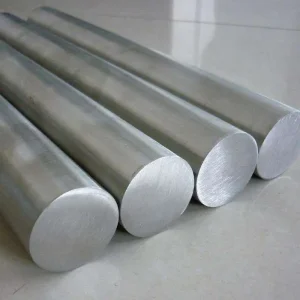
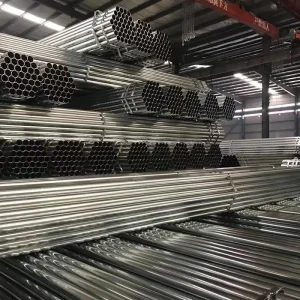
 Tezhong