Engineered to withstand subtropical humidity, high load demands, and strict regulatory standards across Latin America.

Analyzing the drivers of metallurgy demand in South America's most dynamic emerging economy.
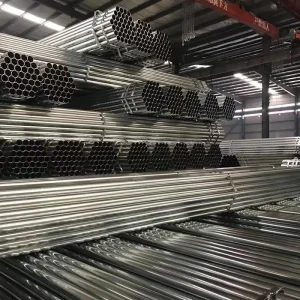
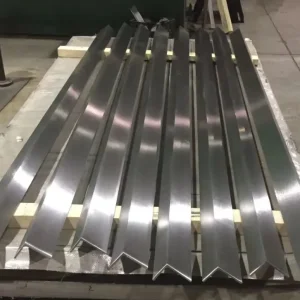
Paraguay is undergoing a major economic transition. Historically centered on agriculture and hydropower, the nation is actively expanding its manufacturing, shipbuilding, and infrastructure sectors. The strategic development of the Hidrovía Paraguay-Paraná (the regional river transport corridor) has created a significant hub for barge construction and port infrastructure. These inland shipping systems operate in challenging freshwater conditions, driving demand for high-strength, corrosion-resistant metals, especially structural steel profiles and marine-grade stainless steel pipes.
In urban centers like Asunción and Ciudad del Este, modern commercial developments, water treatment plants, and food processing facilities are scaling up. Paraguay's food export sector—notably beef processing and grain handling—depends on strict hygienic equipment. Under Mercosur and global food safety mandates, facilities must use food-grade stainless steel plates (such as ASTM 304 and 316L) to prevent bacterial contamination and withstand aggressive chemical sanitation. Shandong Tezhong Materials Co., Ltd. supplies these critical materials, ensuring Paraguayan industrial projects meet international quality standards.
Understanding alloy chemistry and structural properties for critical environments.
Selecting the right steel grade requires balancing mechanical loads with environmental exposure. For projects in South America, mechanical engineers must evaluate pitting resistance equivalent numbers (PREN), yield strength metrics, and thermal expansion properties.
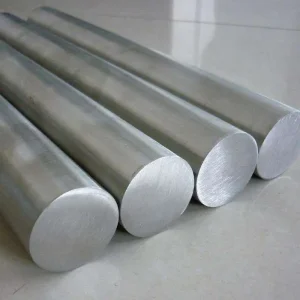
Austenitic stainless steels like 316L (UNS S31603) include molybdenum (2.0-3.0%), which improves resistance to chloride pitting compared to standard 304 grades. This composition is essential for water purification, chemical transport, and food processing lines. For heavy structural applications requiring high wear resistance and mechanical strength, precipitation-hardening steels like SUS630 (17-4PH) offer tensile strengths exceeding 1000 MPa after heat treatment, making them well-suited for hydraulic turbine parts, pump shafts, and industrial valves.
| Alloy Grade | Chemical Composition Key | Yield Strength (Mpa) | PREN Value | Primary Application Sector |
|---|---|---|---|---|
| 316L Seamless Pipe | Cr 16-18%, Ni 10-14%, Mo 2-3%, C ≤ 0.03% | ≥ 170 | 23 - 25 | Food processing, Petrochemicals, Water treatment |
| SUS630 (17-4PH) | Cr 15-17.5%, Ni 3-5%, Cu 3-5%, Nb 0.15-0.45% | ≥ 725 (H1150) | 16 - 18 | Hydraulics, Marine shafts, Aerospace fixtures |
| 430 / 409L Ferritic | Cr 11-18%, Ni ≤ 0.60%, Mn ≤ 1%, C ≤ 0.08% | ≥ 205 | 11 - 15 | Automotive exhaust, Home appliances |
Decades of industrial expertise, extensive inventory, and robust logistics management.
Established in 1997, Shandong Tezhong Materials Co., Ltd. is an integrated supply chain partner handling carbon steel, coated alloys, and stainless steel products. With a registered capital of 100 million yuan and total assets of 1.2 billion yuan, we operate a 15,000-square-meter modern production facility. Our workforce of 900+ employees includes 100+ senior managers and metallurgy specialists. We manage full production processes from sintering and steelmaking to advanced rolling mills, ensuring stable output and consistent product quality.
Our operations focus on technical monitoring and quality control. We operate four distribution hubs in Tianjin, Wuxi, Binzhou, and Liaocheng, maintaining inventory for rapid shipping. Our annual production capacity reaches 1,500,000 tons, serving clients in marine engineering, aerospace, power generation, and petrochemicals across South America, Europe, and the Middle East.
Our commitment to low-emission production processes and next-generation steel technology.
By upgrading our blast furnaces and rolling lines with waste-heat recovery systems, we reduce energy consumption by up to 18% per ton of processed steel, lowering carbon intensity across our product lines.
Our metallurgy laboratory develops custom micro-alloying processes. By fine-tuning trace amounts of niobium, titanium, and nitrogen, we improve the yield strength and corrosion performance of our structural sheets and profiles.
We deploy tracking systems from manufacturing to final delivery. This allows procurement managers in Paraguay to monitor raw material batches, mill test reports (MTRs), and shipping milestones in real time.
Ensuring compliance, documentation, and smooth logistics across South American borders.
Shipping bulk industrial steel to inland South America requires specialized logistics management. As a landlocked country, Paraguay relies on maritime routes transshipping cargo through sea ports like Montevideo or Buenos Aires, moving via the Paraná River barge system to ports in Villeta, San Antonio, or Asunción. Our logistics team manages this process, providing weather-resistant packaging, secure container configurations, and handling all transit documentation.
We provide full verification records to meet Paraguayan and Mercosur import regulations, including:
Sourced for reliability, chemical compliance, and durability in structural and industrial engineering.
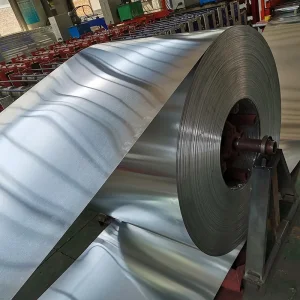
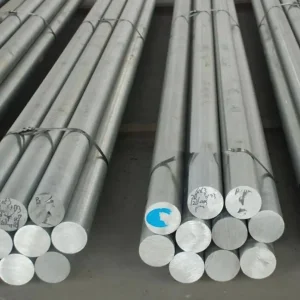
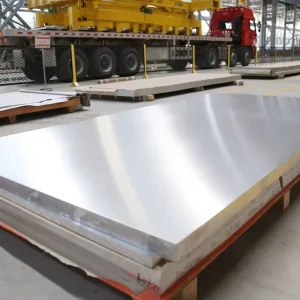
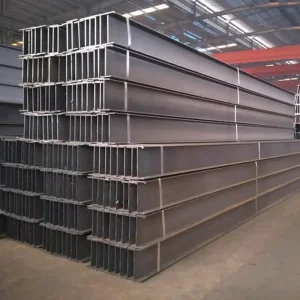
Take a virtual tour through our rolling mills, quality labs, and inventory storage units.
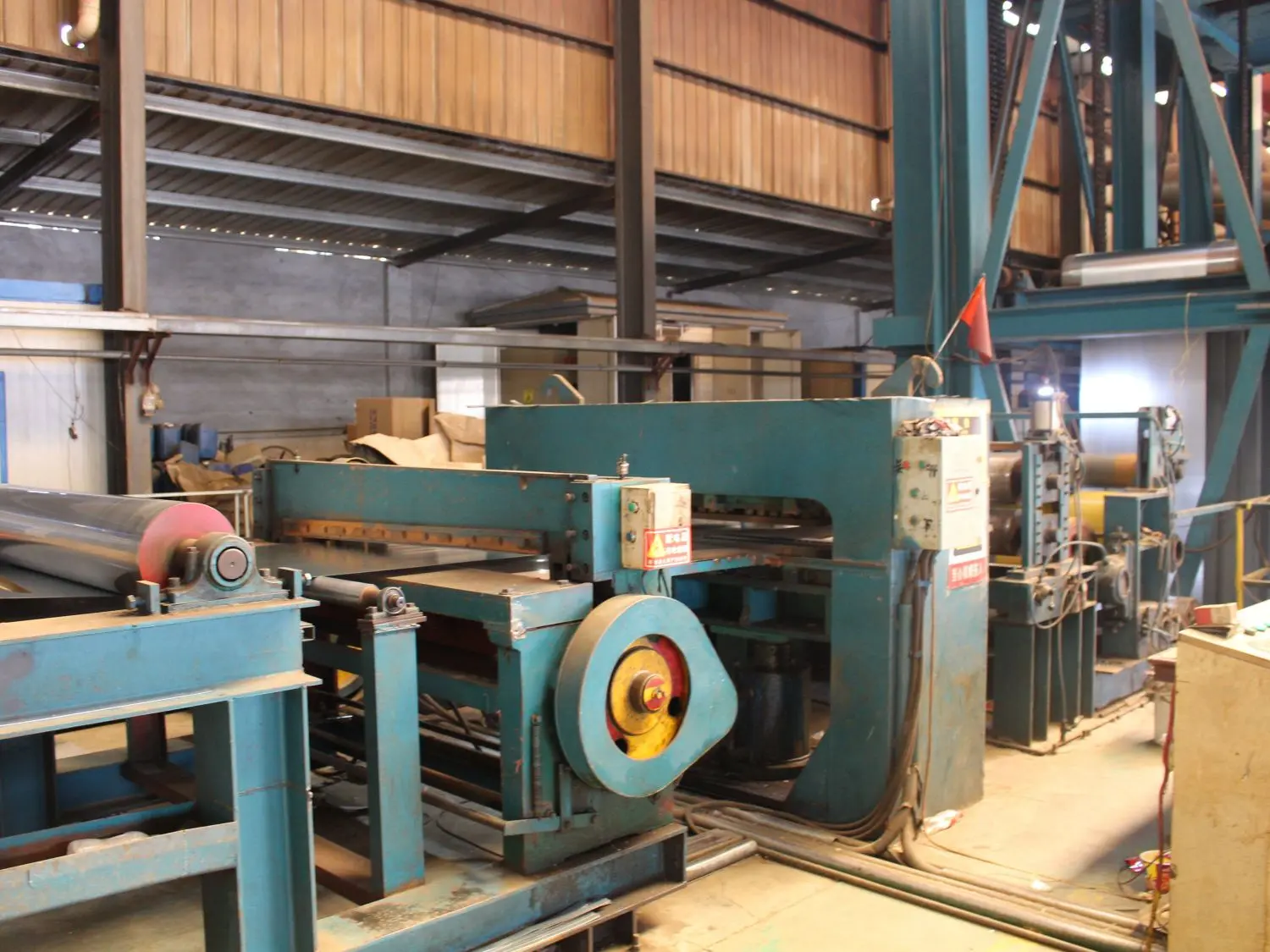
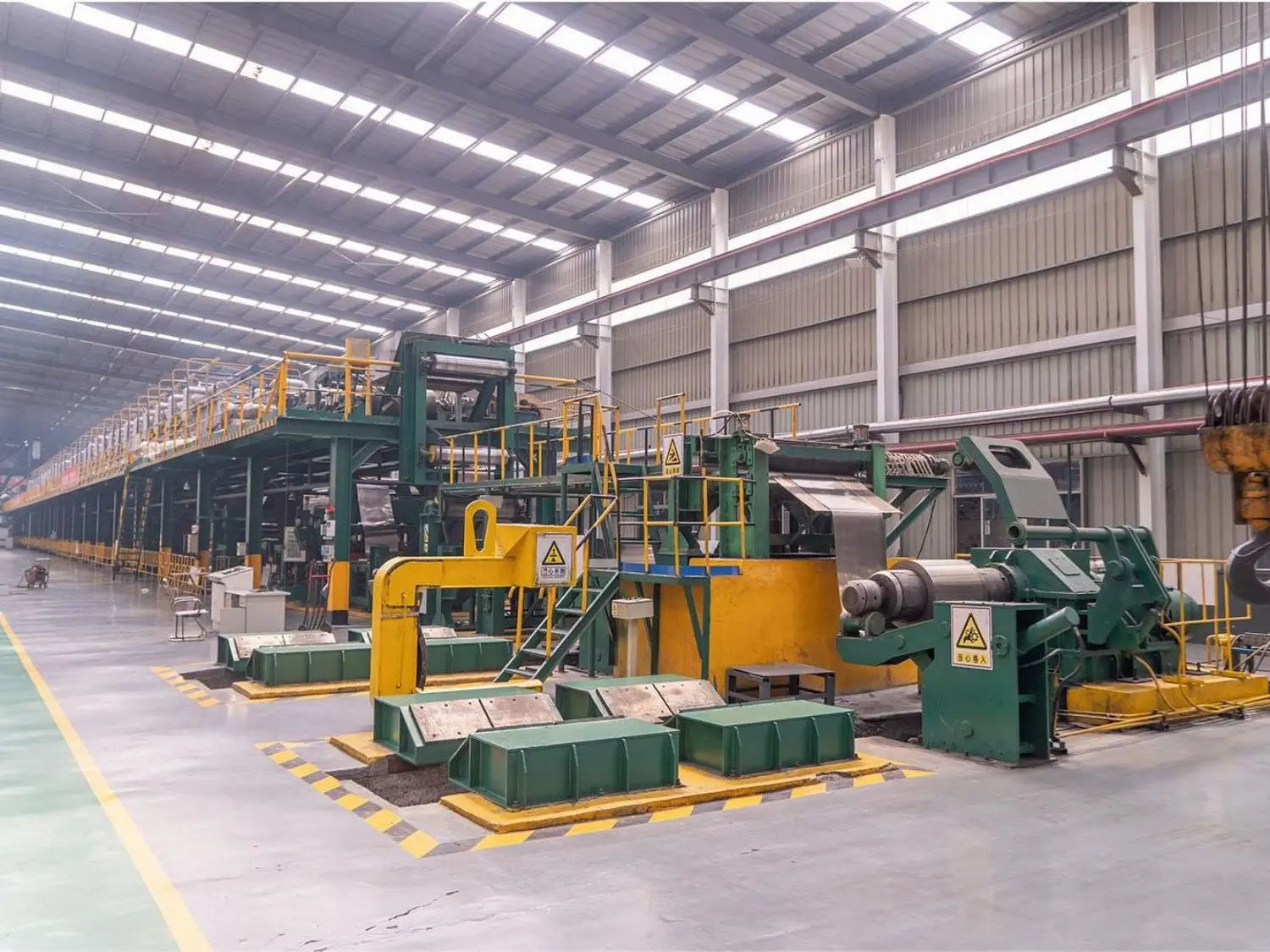
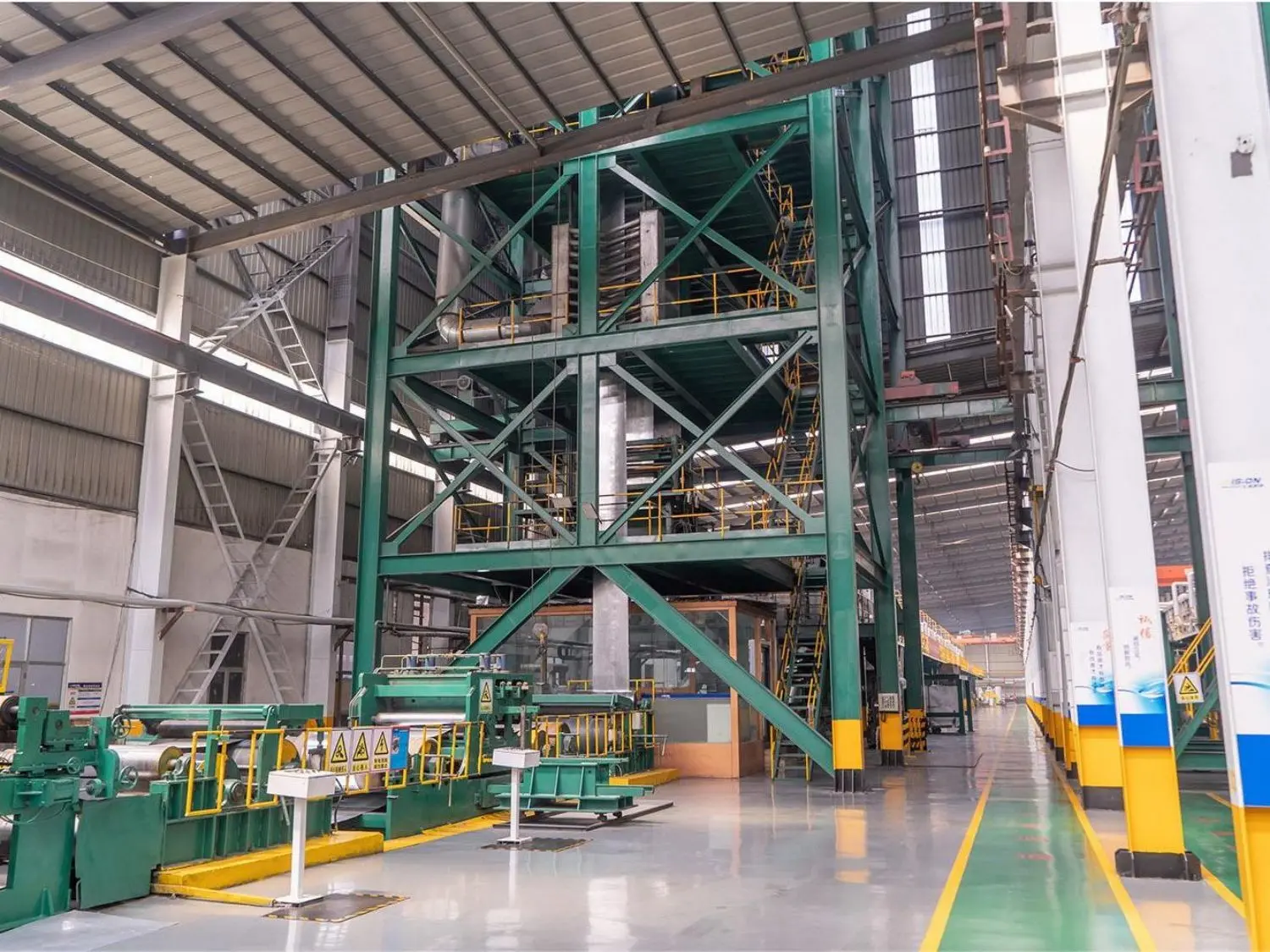
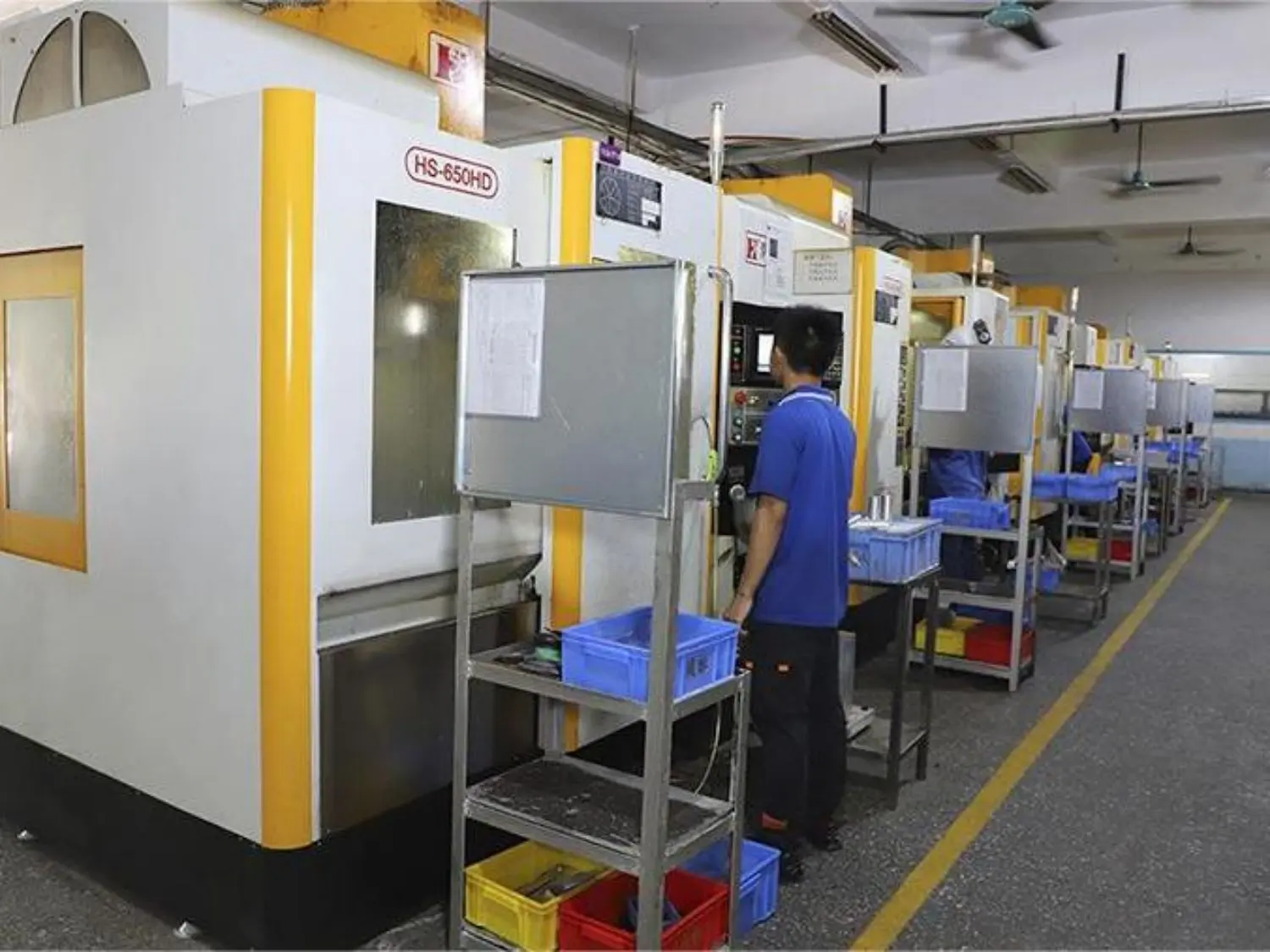
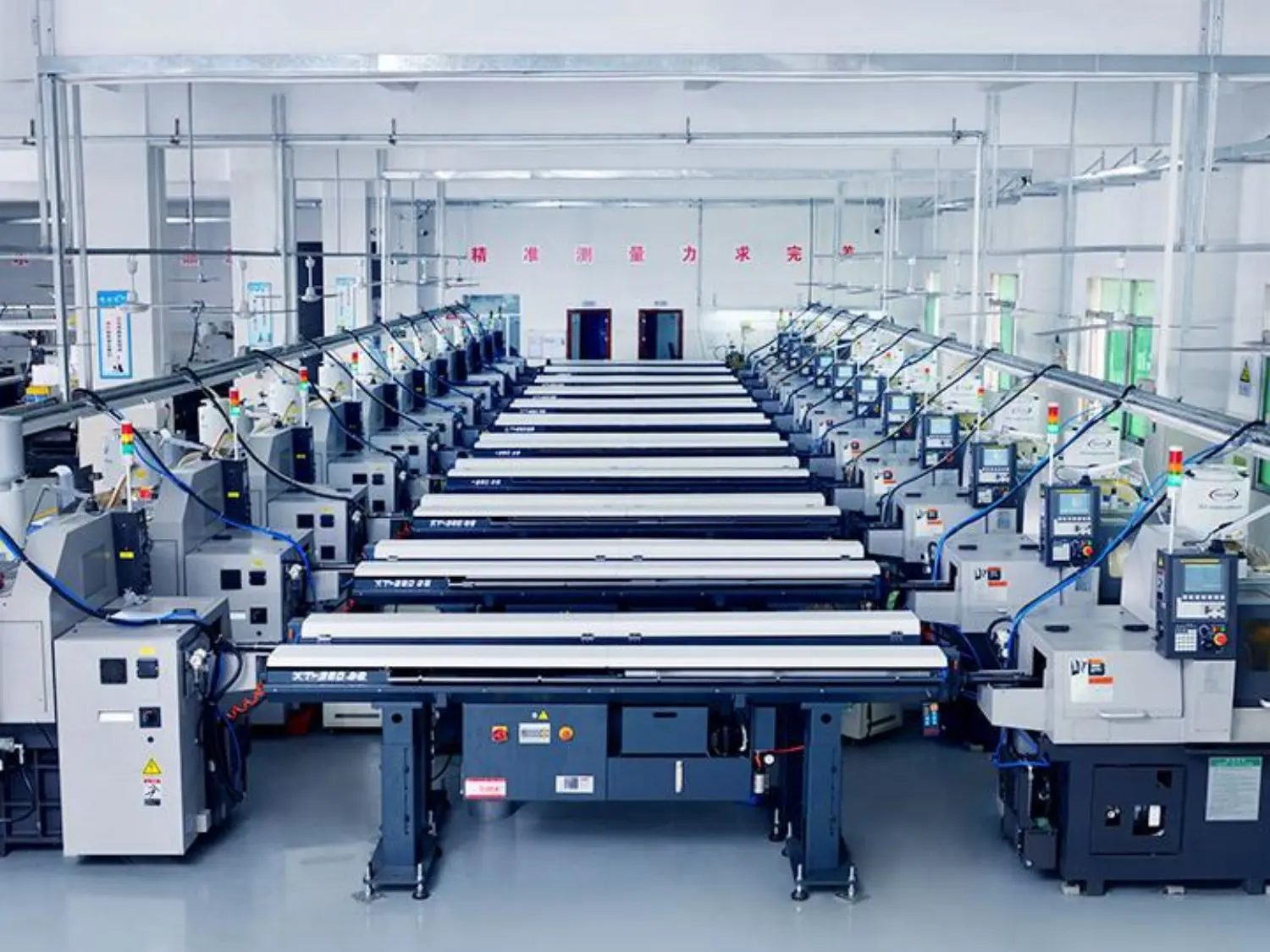
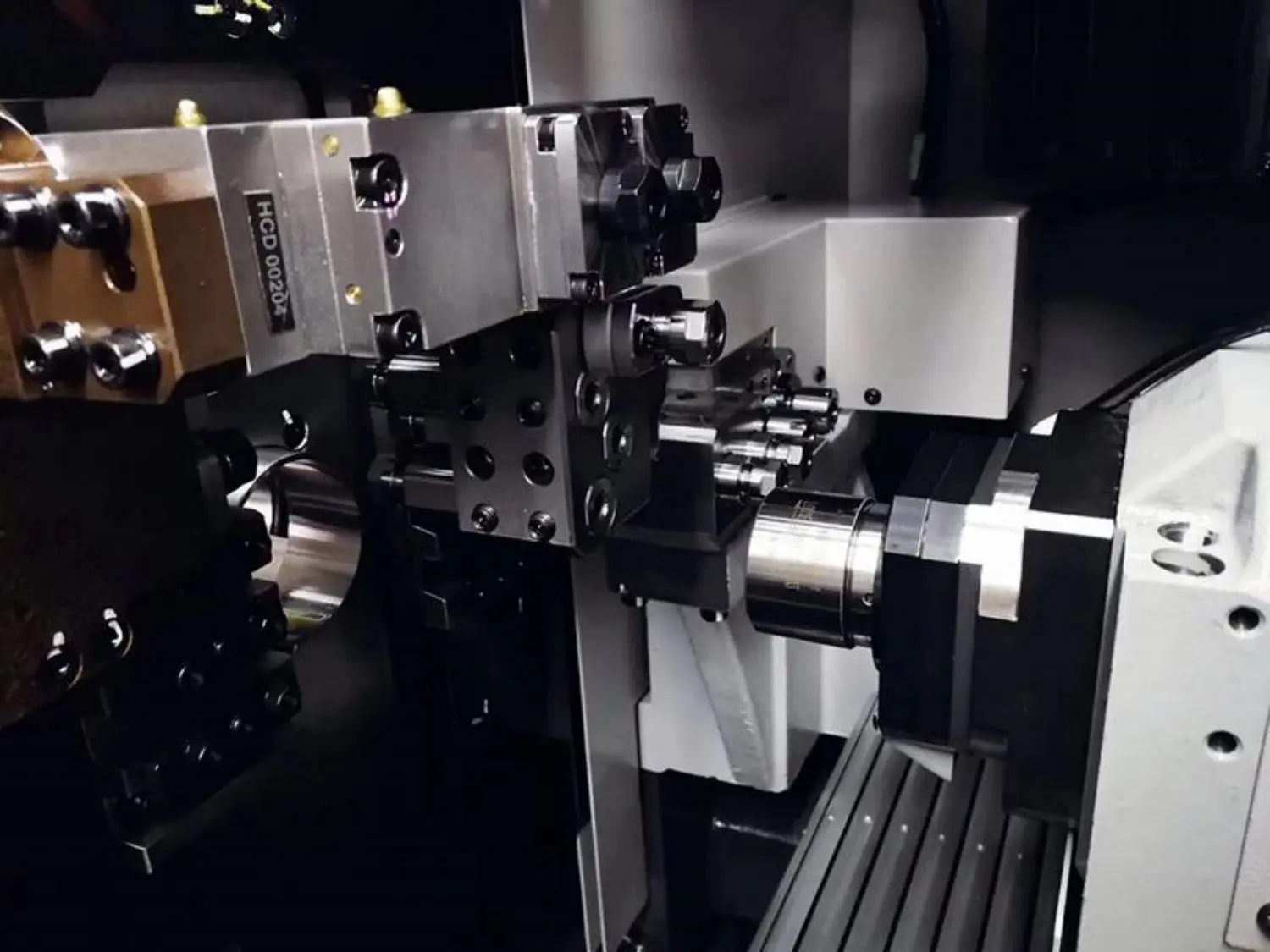
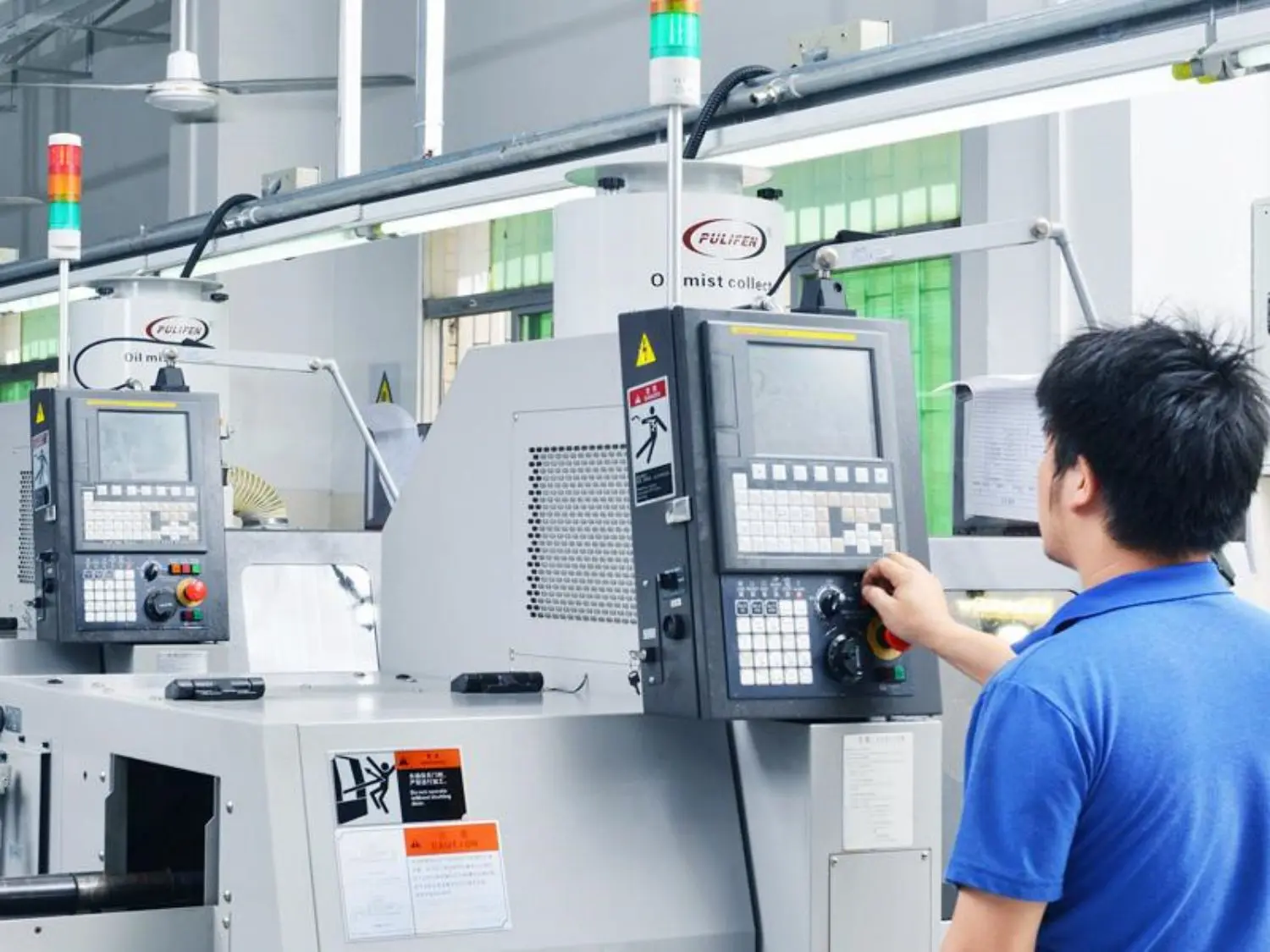
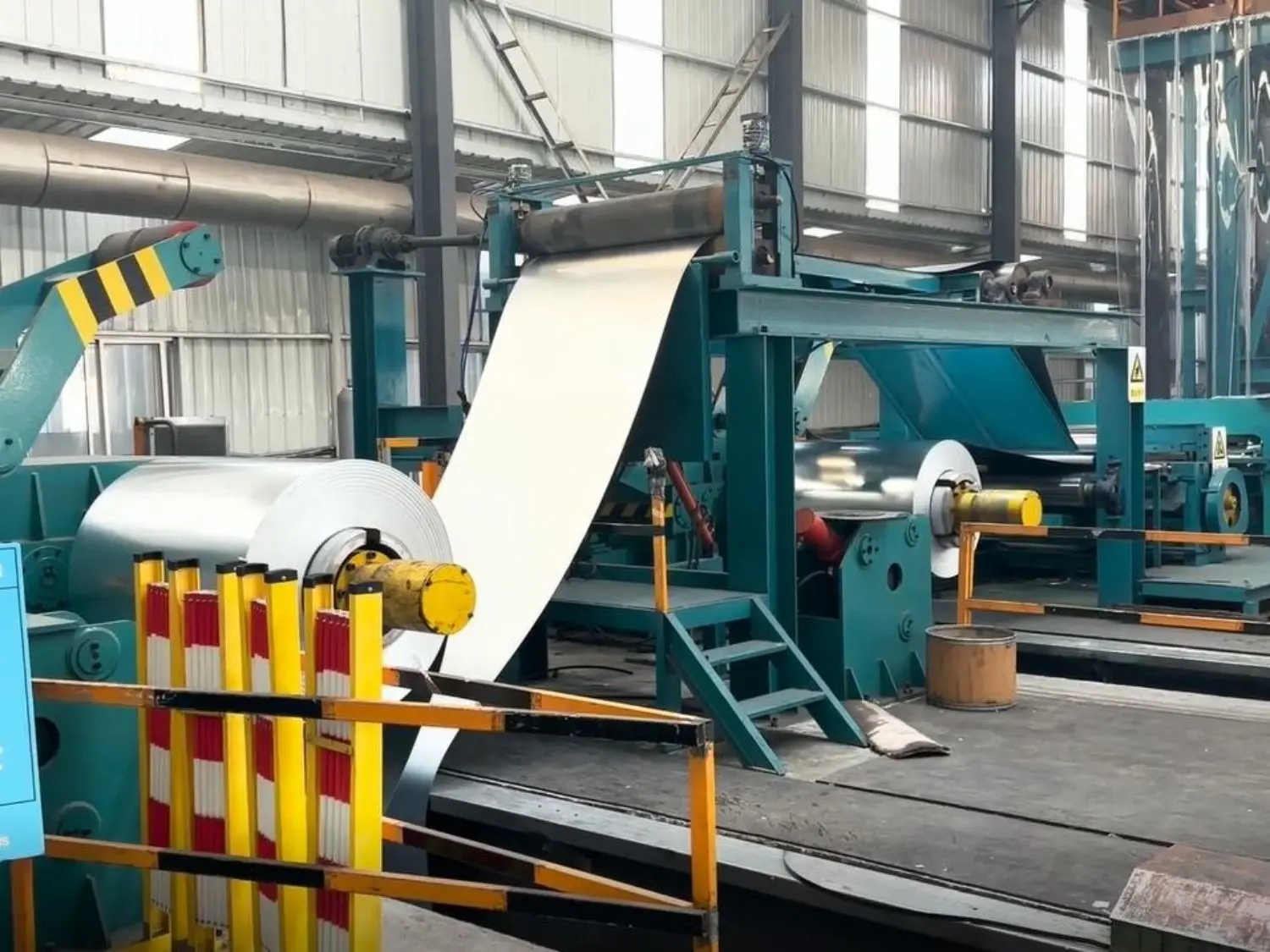
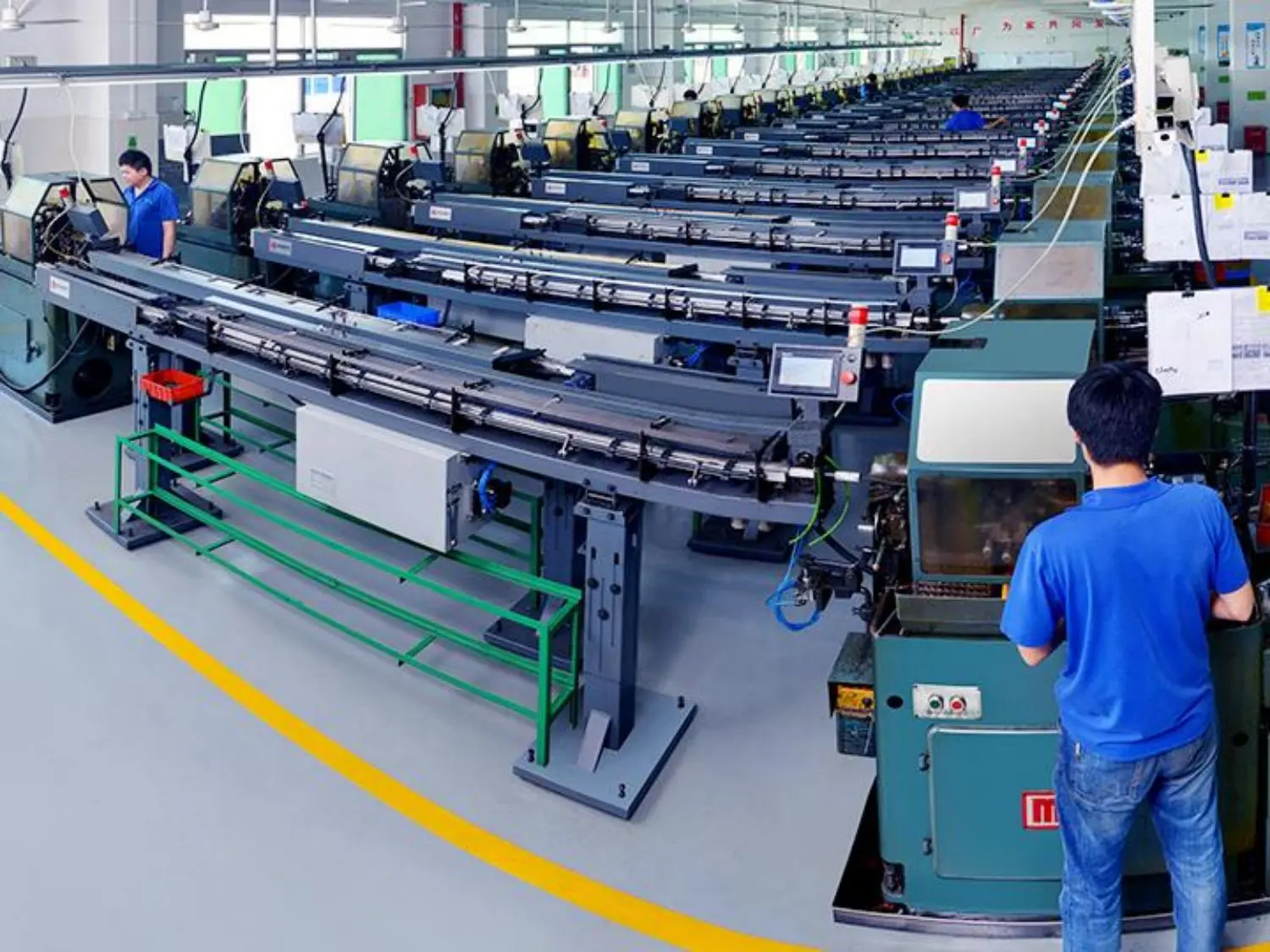
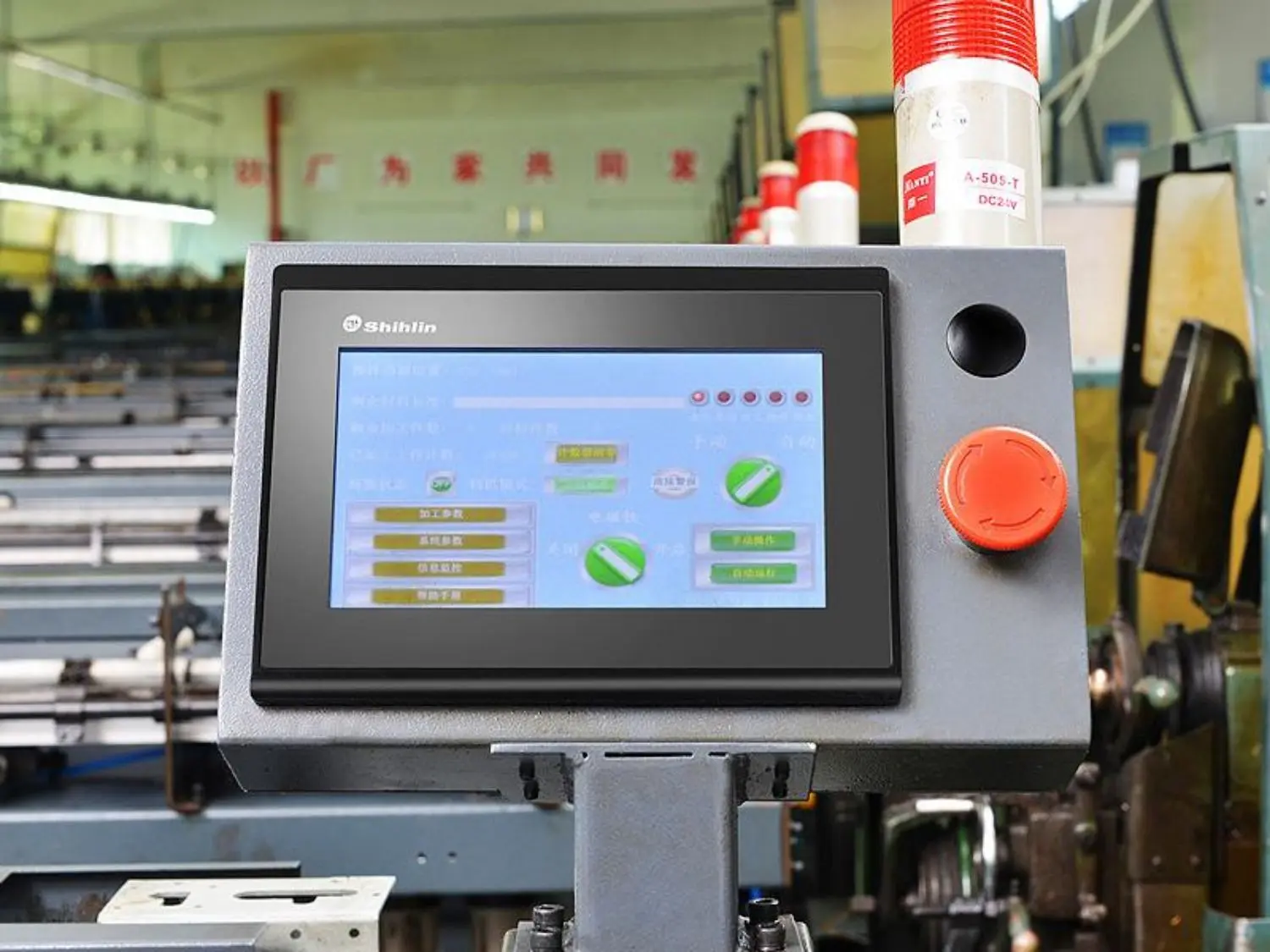
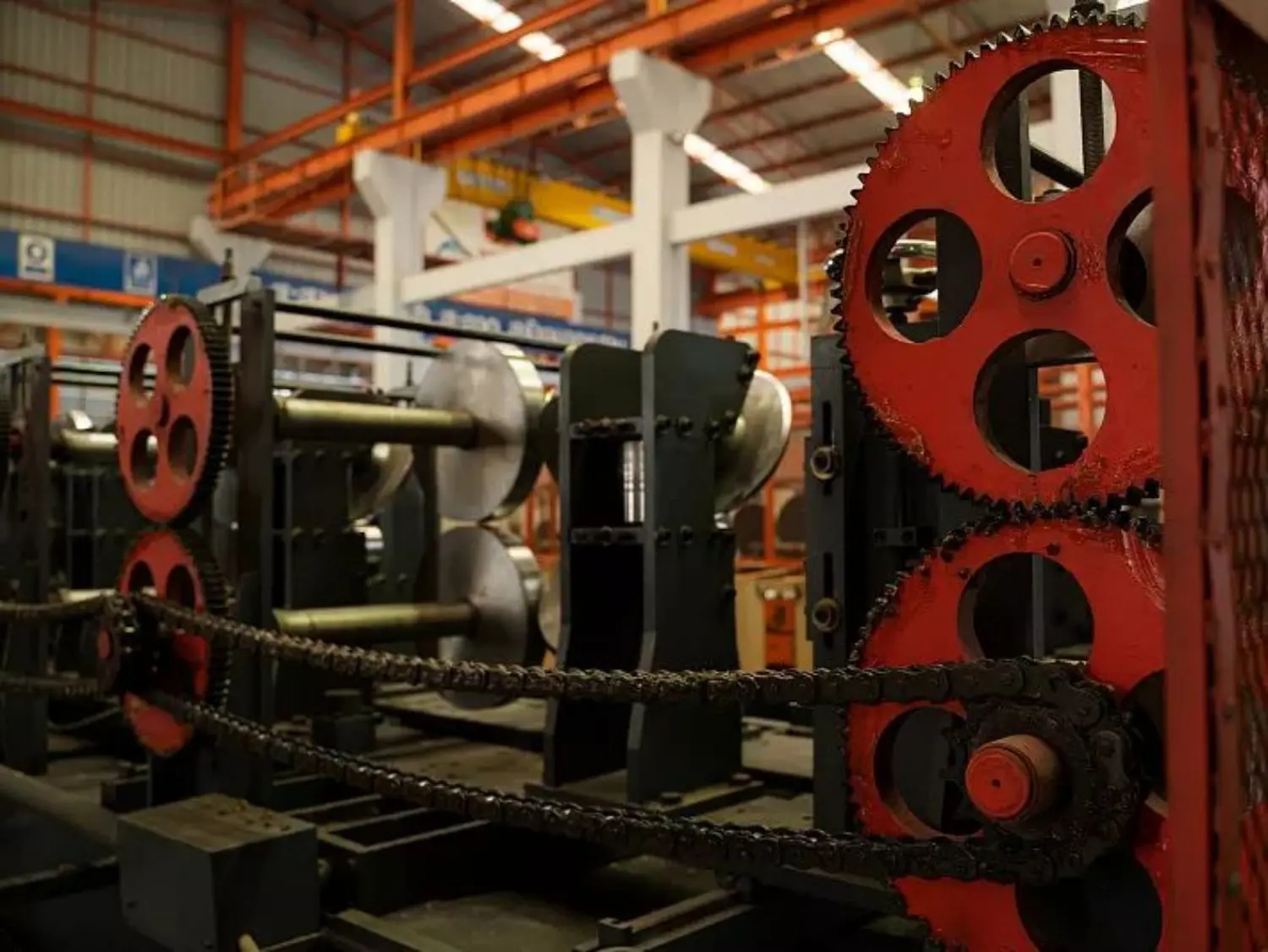
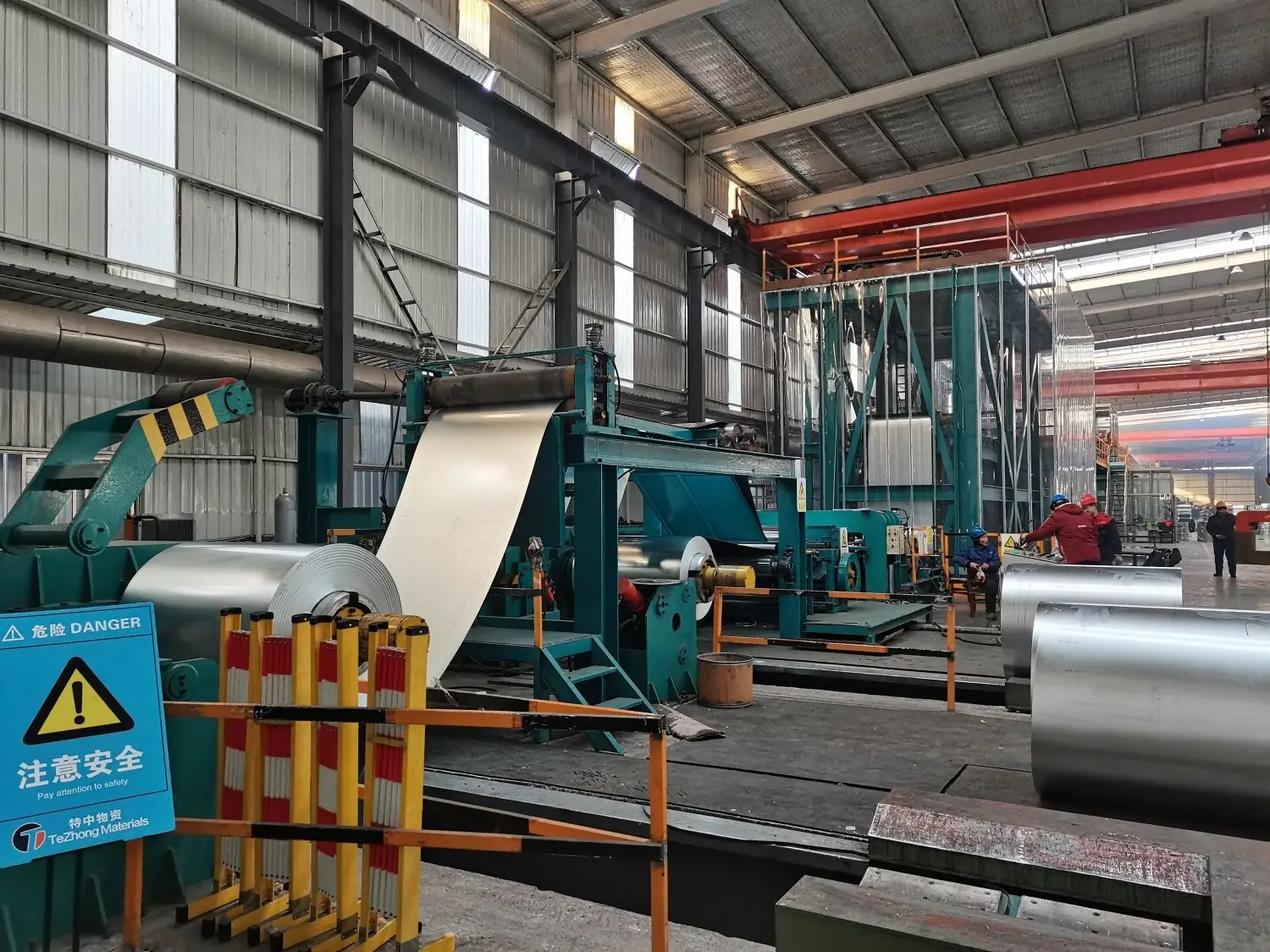
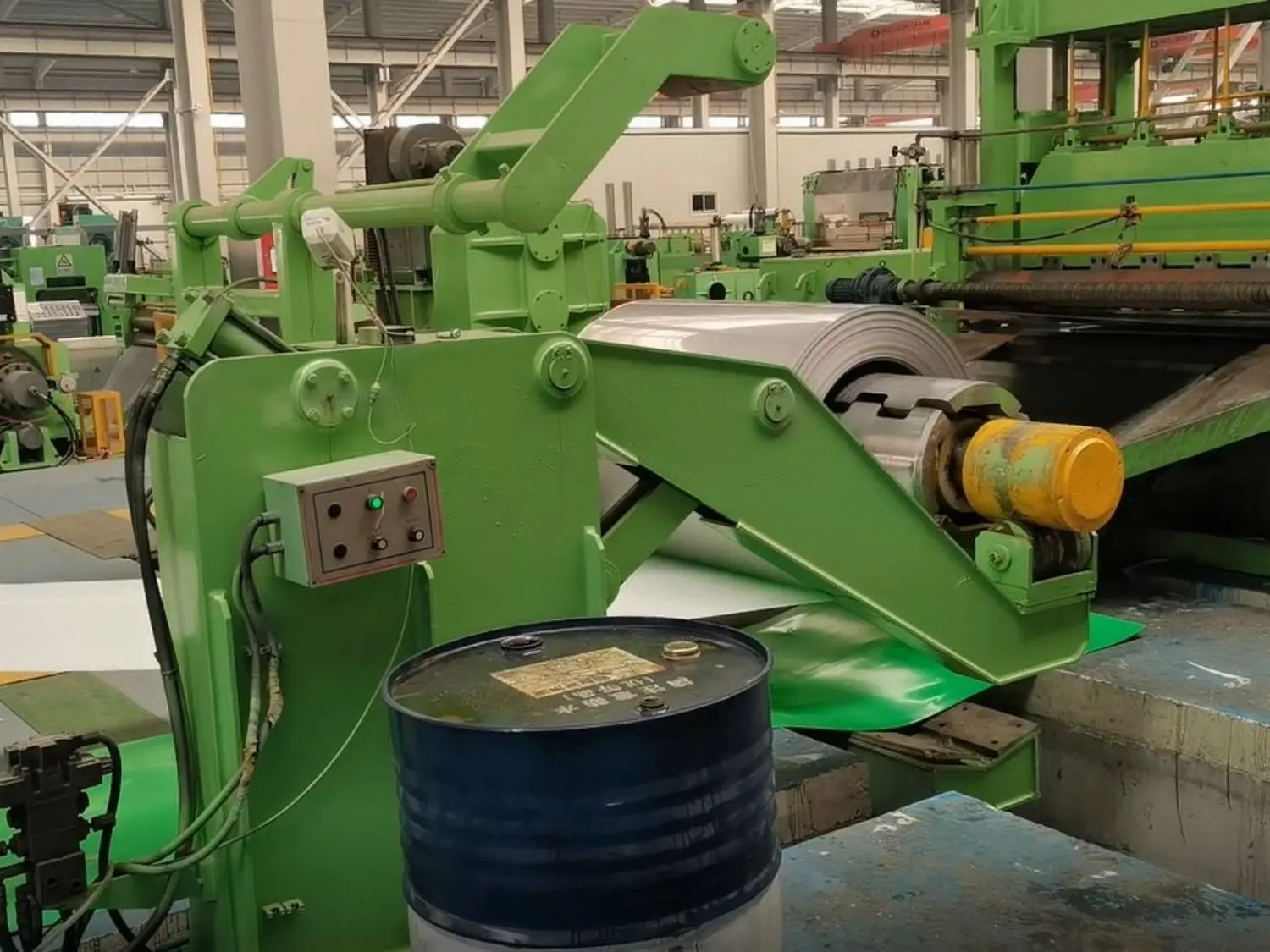
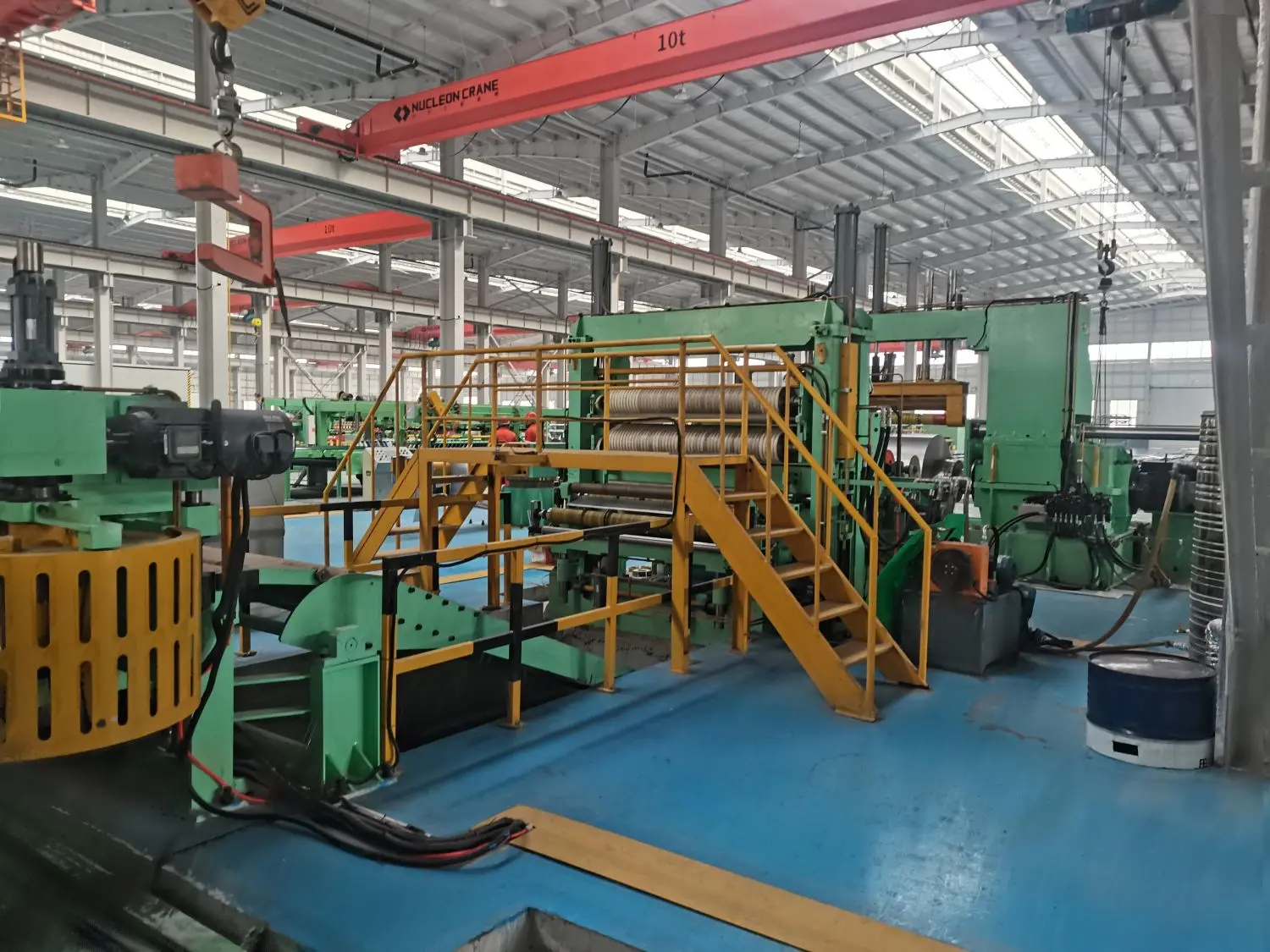
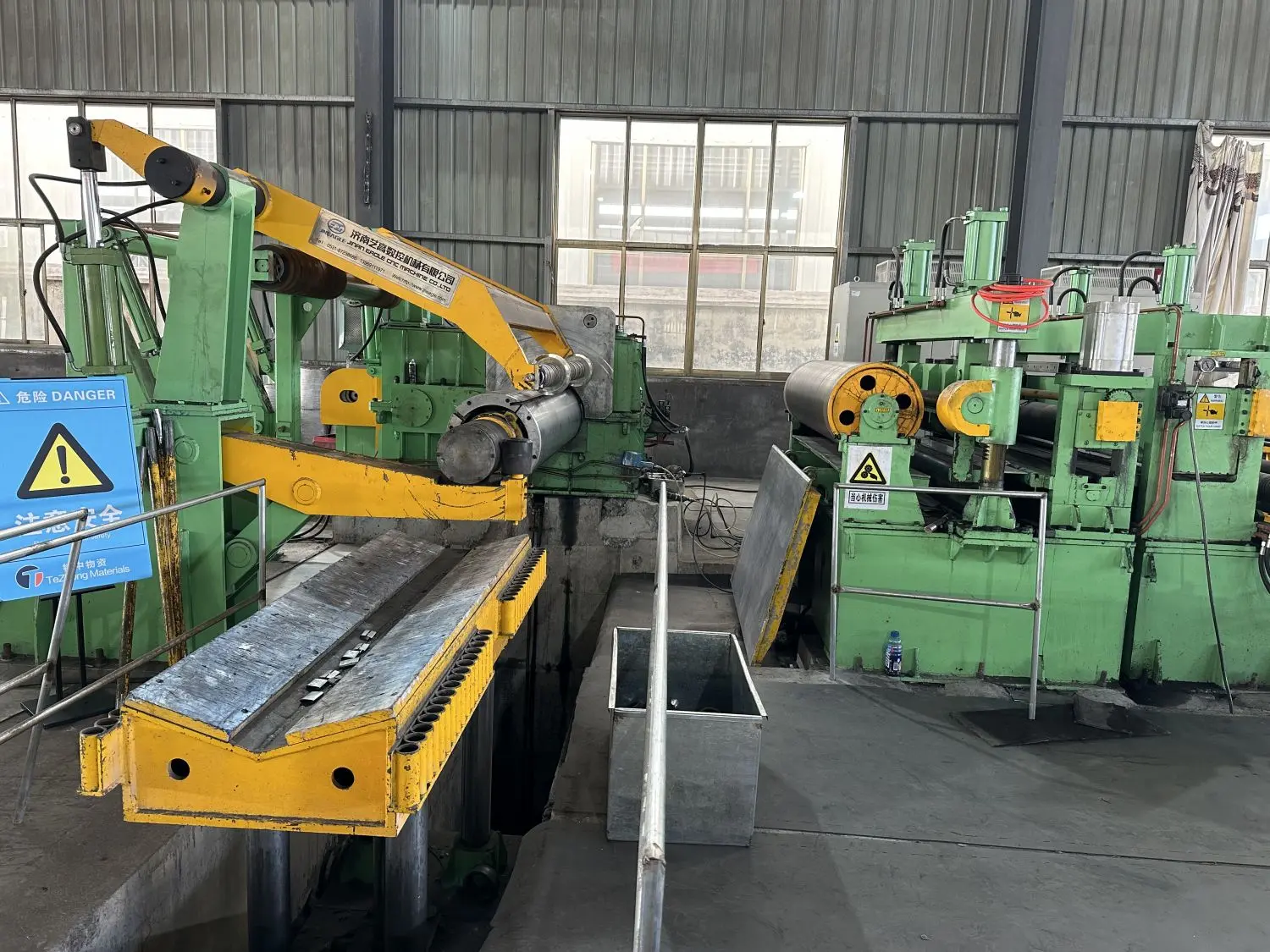
Our facility operates under international manufacturing standards and holds ISO approvals.
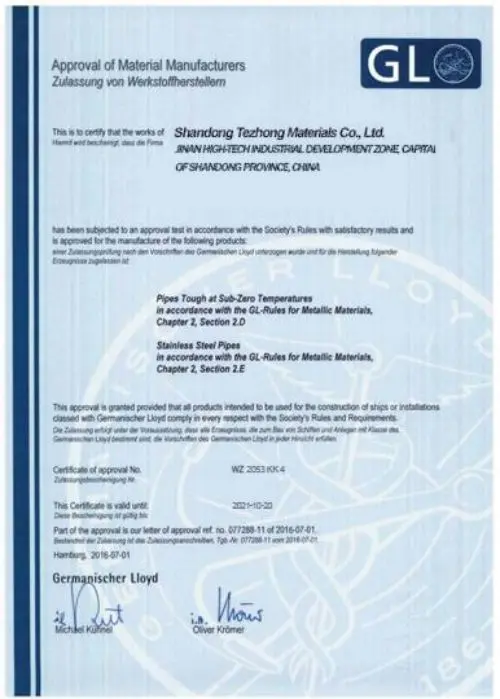
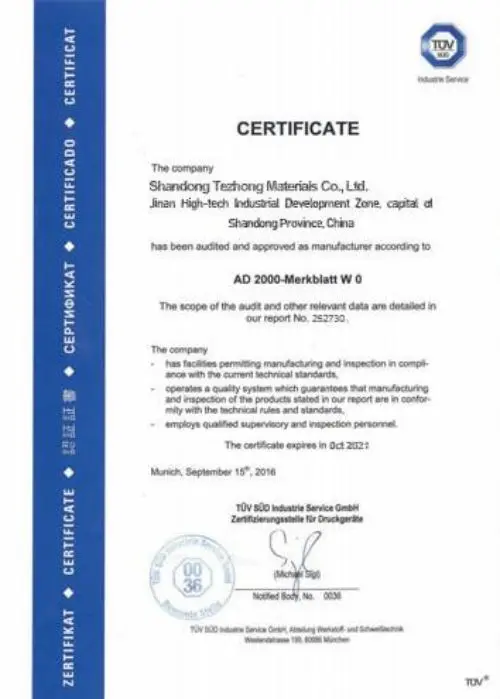
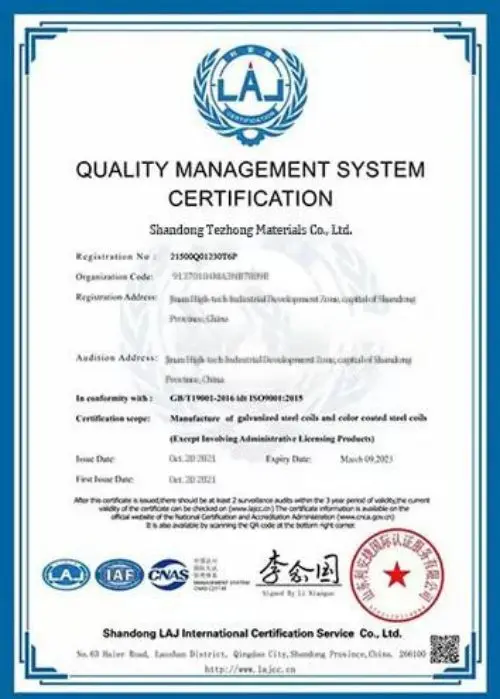
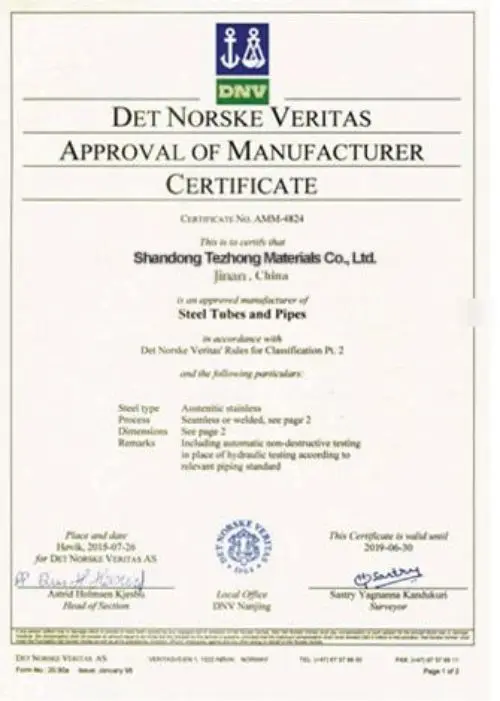
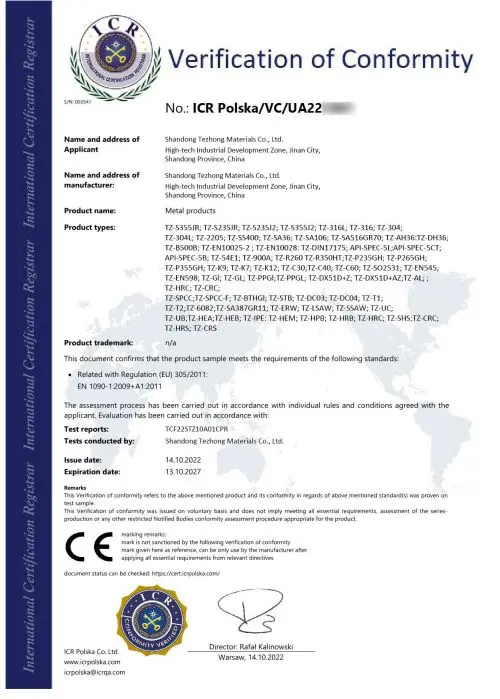
Our metallurgy specialists, R&D staff, and logistics engineers support your projects from planning through delivery.
Metallurgy specialists with industrial experience, providing support on alloy selection, standards compatibility, and performance requirements.
Metallurgical and rolling mill engineers managing casting, heat treatments, and dimensional tolerances during manufacturing.
Researching alternative heat treatment methods and micro-alloy configurations to improve durability and environmental performance.
Conducting dimensional verification, ultrasonic testing, and chemical verification of raw materials and finished products.
Find answers to common questions about specifications, logistics, and importing to Paraguay.
Sea freight from China main ports (e.g., Qingdao or Shanghai) to transshipment ports in Buenos Aires or Montevideo takes approximately 40 to 45 days. The subsequent river barge transport to ports in Paraguay (such as Villeta or Asunción) adds 10 to 14 days, depending on river draft and season.
Yes. We produce seamless pipes, heavy plates, and structural profiles according to global specifications, including ASTM A312, ASTM A240, EN 10219, and JIS standards. Our rolling lines support custom wall thicknesses, widths, and lengths to reduce welding requirements on site.
Every production batch undergoes testing at our enterprise testing center. We perform spectral analysis to verify chemical composition, alongside yield strength, elongation, and Charpy impact testing. We also coordinate pre-shipment inspections with third-party agencies like SGS or Bureau Veritas upon request.
We provide all necessary documents for Paraguayan import declaration (Despacho de Importación), including original commercial invoices, ocean bills of lading, detailed packing lists, certificates of origin, and mill test certificates (EN 10204 3.1).
We use specialized export packaging. Pipes are capped and bundled with heavy-duty steel bands, while plates and coils are wrapped in moisture-resistant vapor barrier materials (VCI paper) and secured to heavy wooden or steel skids to prevent mechanical damage and exposure to salt spray.
Whether you are bidding for a municipal water project in Asunción, building barges for the Hidrovía corridor, or upgrading a food processing plant, our technical sales department provides detailed quotes and engineering verification.
Submit RFQ & Specifications Tezhong