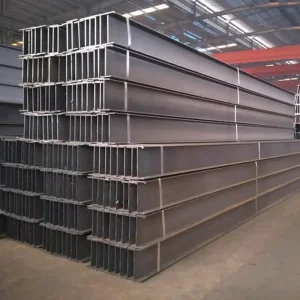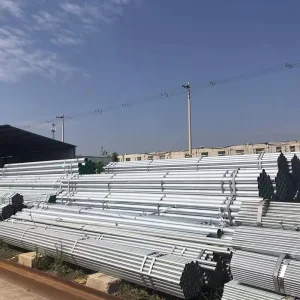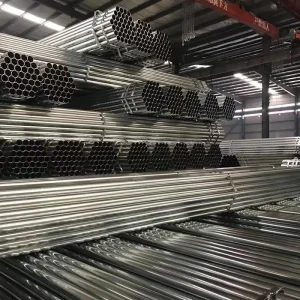
Essential for Addis Ababa's modern plumbing and chemical industrial infrastructure.
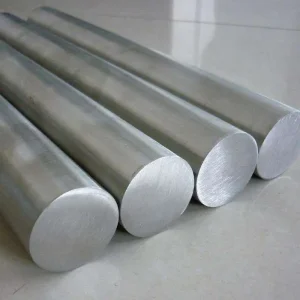
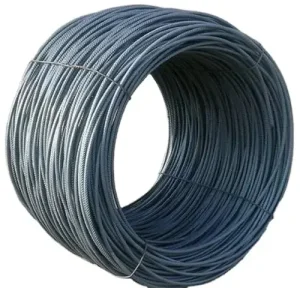
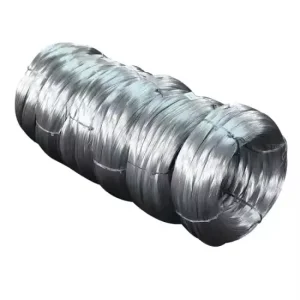
High-strength bars utilized in the Grand Ethiopian Renaissance Dam (GERD) maintenance.

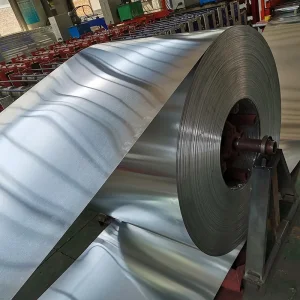
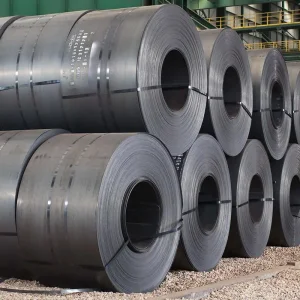
Customized sheets for local millers and Ethiopian agricultural export sectors.
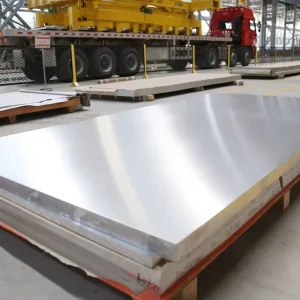
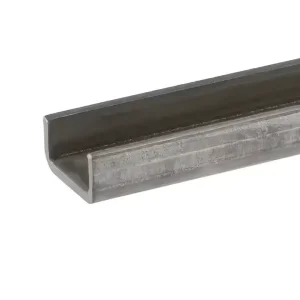
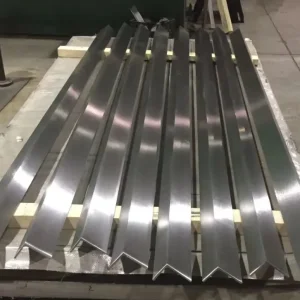
Durable anodized aluminum plates for Ethiopia's booming domestic houseware industry.
Ethiopia is currently undergoing a massive economic transformation. As the second-most populous nation in Africa, its demand for industrial materials, particularly stainless steel, has skyrocketed. The local market is driven by large-scale urbanization in Addis Ababa, the development of industrial parks (such as Hawassa and Bole Lemi), and the expansion of the "Homegrown Economic Reform" agenda. Stainless steel factories and exporters in Ethiopia are becoming vital components of the nation's supply chain, supporting everything from high-rise construction to advanced agriculture processing.
In Ethiopia, the stainless steel sector is not just about raw material; it’s about application. Local manufacturers are increasingly looking for high-quality stainless steel exporters who can provide grades like 304 and 316L, which are essential for the brewing industry (St. George, Habesha) and the coffee processing industry—Ethiopia's largest export earner. The corrosion resistance of stainless steel makes it the only viable choice for machinery that interacts with organic acids during coffee pulping and teff milling.
One of the most significant trends is the shift from importing finished steel products to importing semi-finished coils and sheets for local value-addition. Shandong Tezhong Materials Co., Ltd. plays a pivotal role here, acting as a bridge by providing premium raw materials that meet international standards (ASTM, SUS, EN) to Ethiopian fabricators. This trend is supported by the Ethiopian government's incentives for local manufacturing, which aim to reduce foreign currency expenditure and create jobs.
Addis Ababa's skyline is changing. High-end real estate and corporate headquarters are utilizing SUS304 for curtain walls, elevators, and structural reinforcement due to its aesthetic appeal and longevity.
The transition from traditional farming to mechanized teff and pulse processing requires food-grade 430 and 304 stainless steel plates for milling machines and storage silos to prevent contamination.
Hydroelectric power is Ethiopia's backbone. Specialized stainless steel rods and pipes (like 17-4PH) are critical for turbine components and water management systems in dams across the Blue Nile.
With the expansion of hospitals like Tikur Anbessa, the demand for medical-grade stainless steel for surgical equipment and laboratory furniture has seen a 15% year-on-year increase.
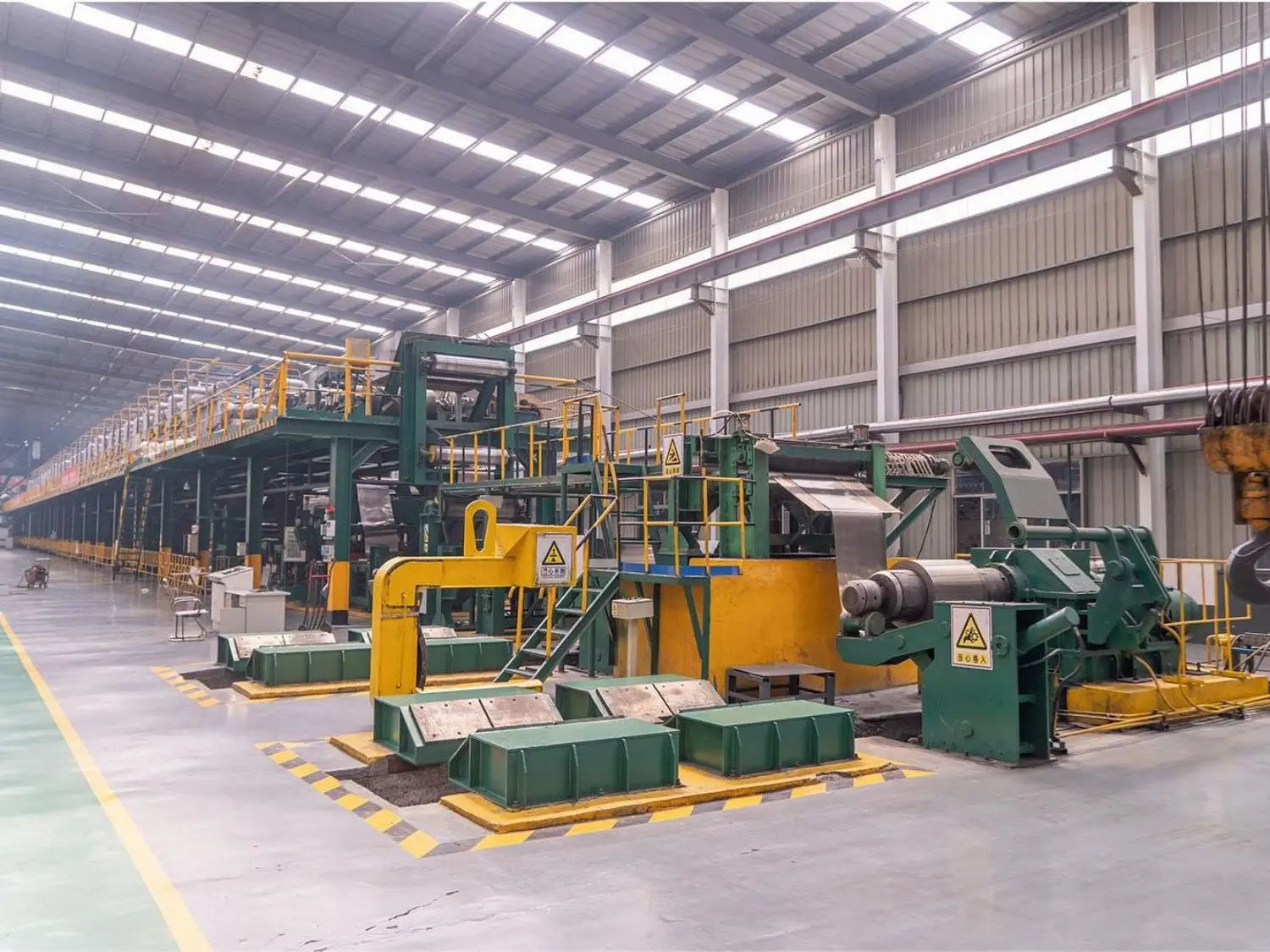
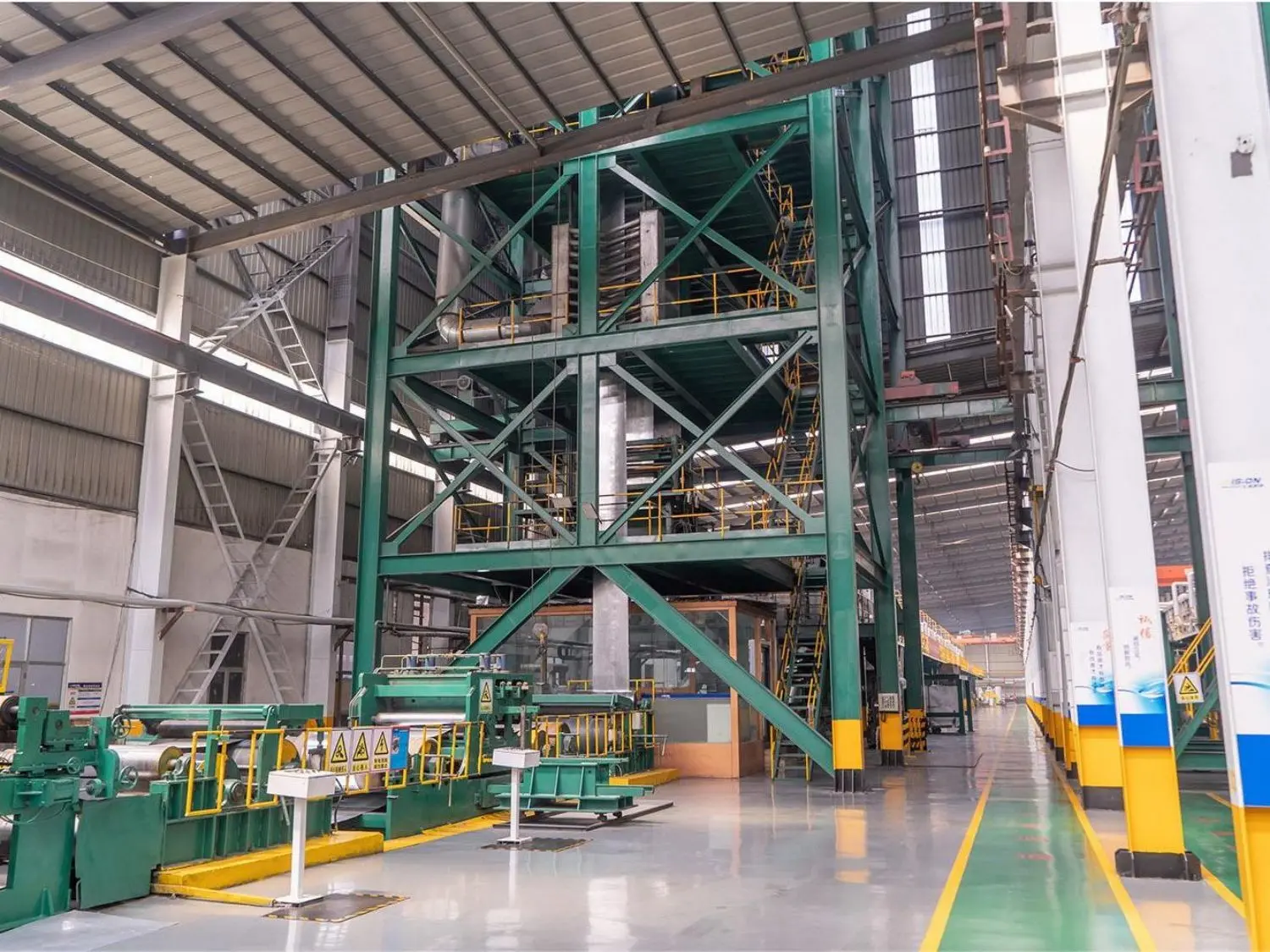
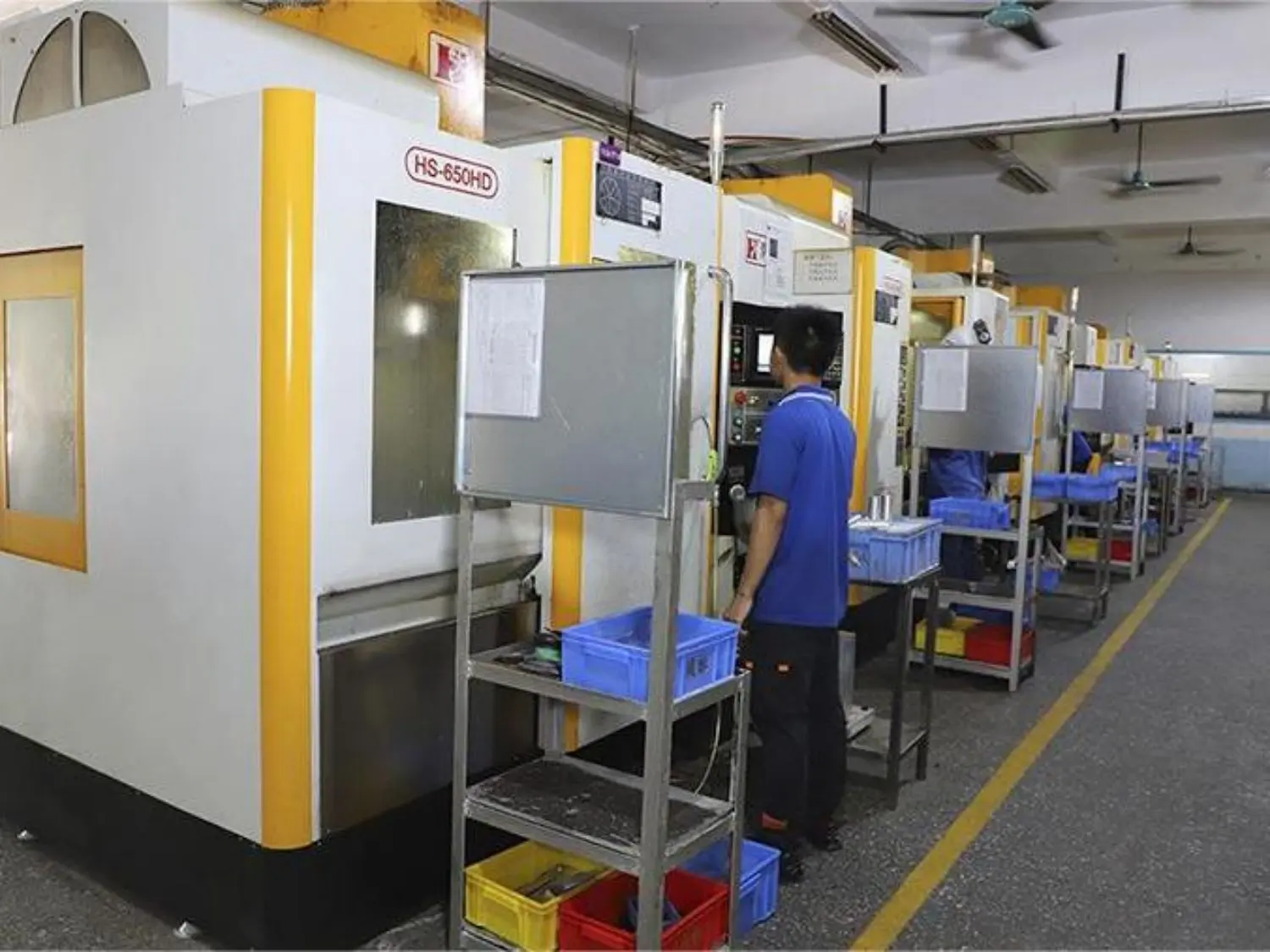
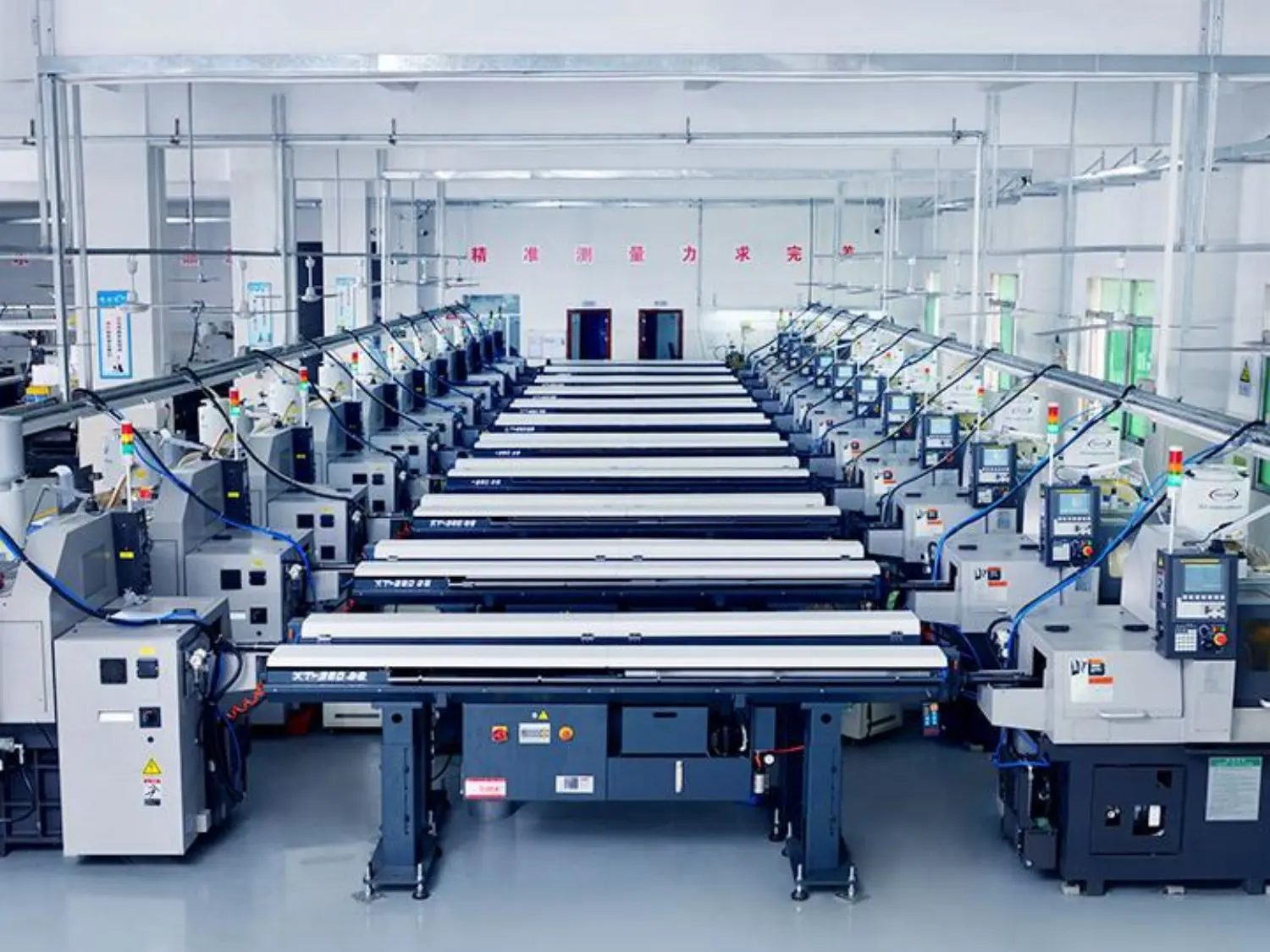
Shandong Tezhong Materials Co., Ltd. is a global supply chain leader integrating carbon steel, coated steel, and stainless steel products. With a registered capital of 100 million yuan and total assets of 1.2 billion yuan, we are uniquely positioned to serve the Ethiopian market. Our 15,000 square meter facility houses state-of-the-art coking, sintering, and steelmaking equipment.
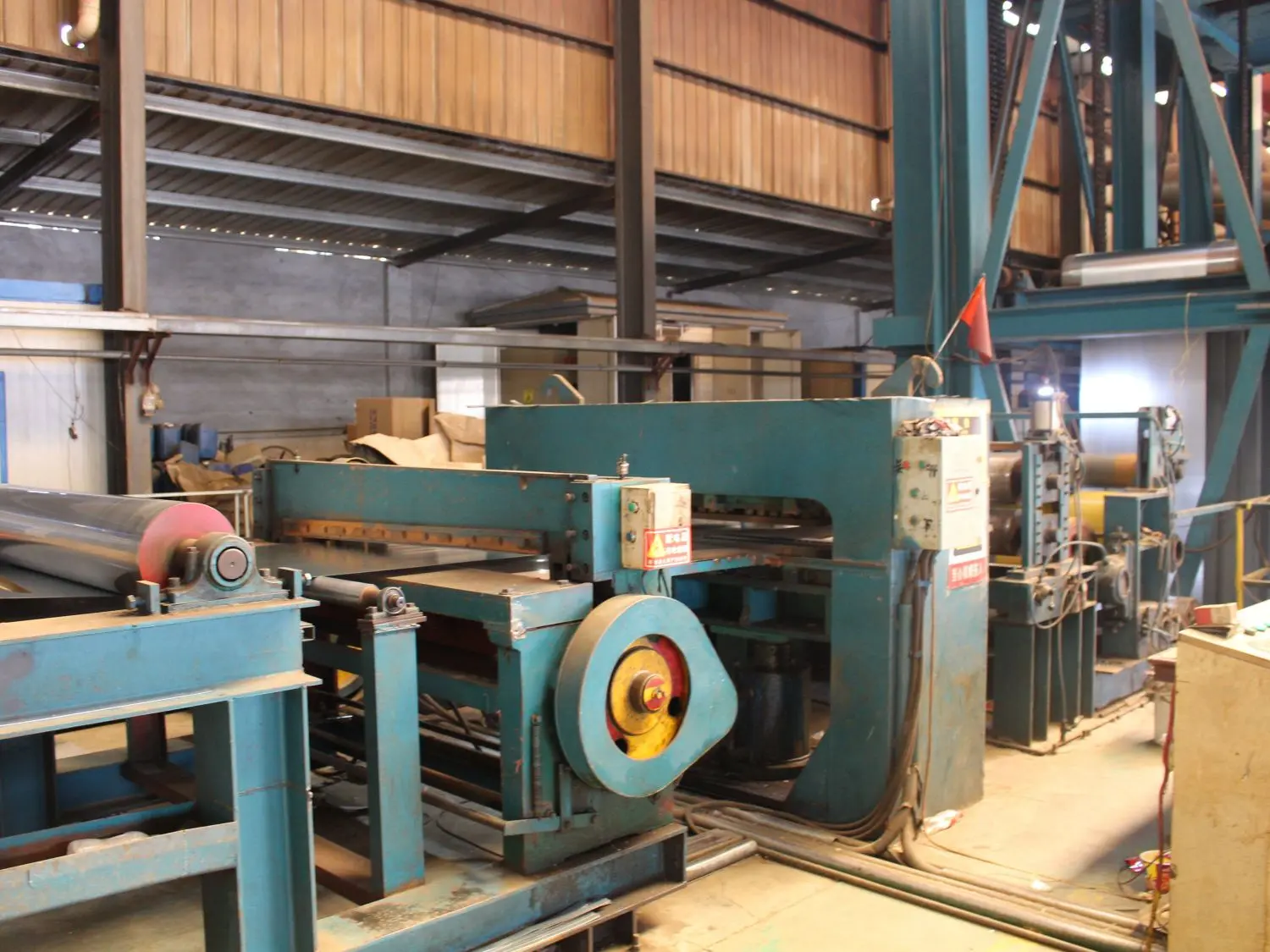
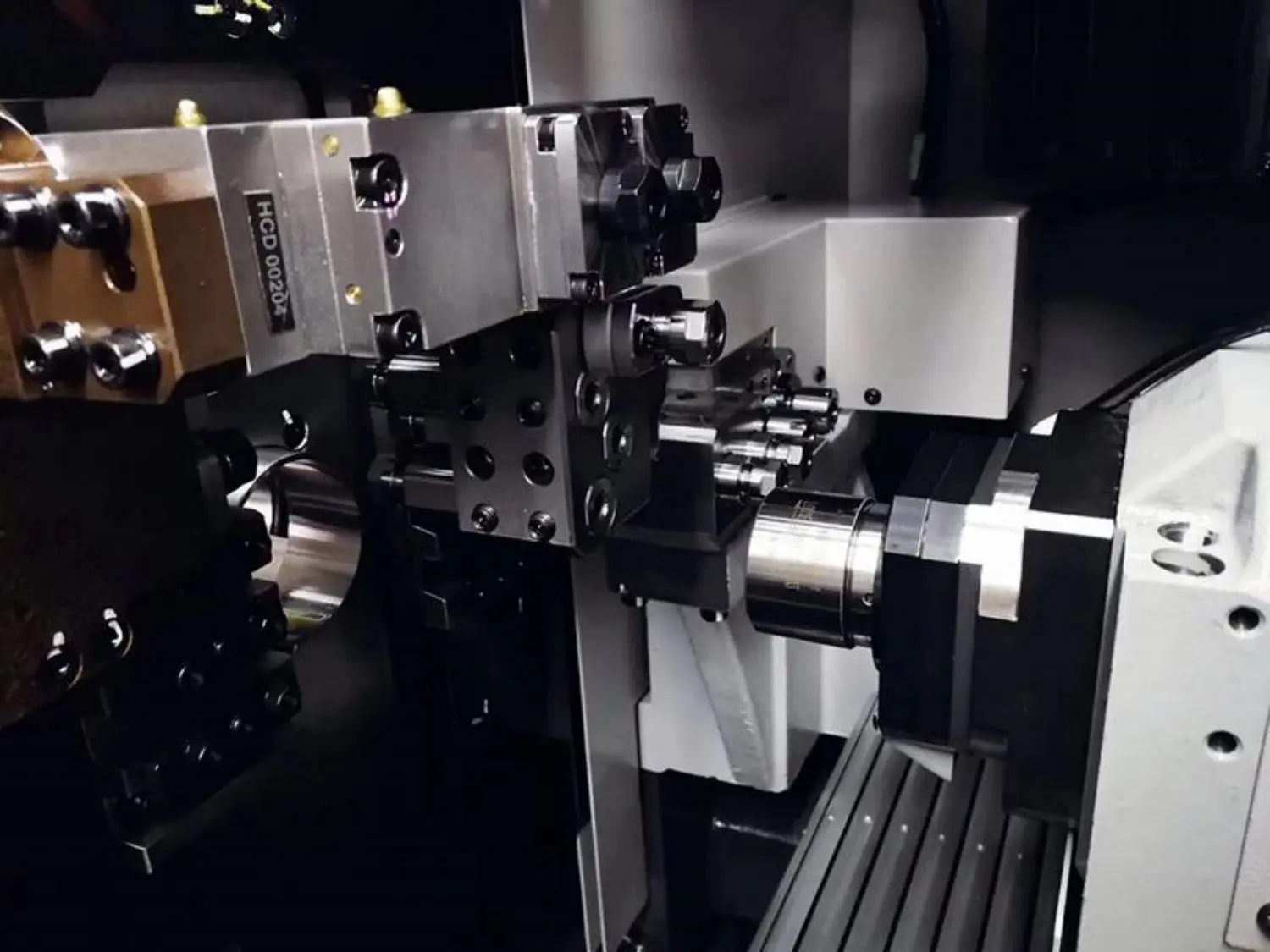
Strategically guiding Ethiopian projects with metallurgy insights and custom material grading.
Metallurgical and electrical engineers ensuring the stability and optimization of every batch.
Strict monitoring from raw material inspection to finished delivery, meeting ISO9001 standards.
Focusing on high-resistance alloys suitable for the unique climatic conditions of the Horn of Africa.
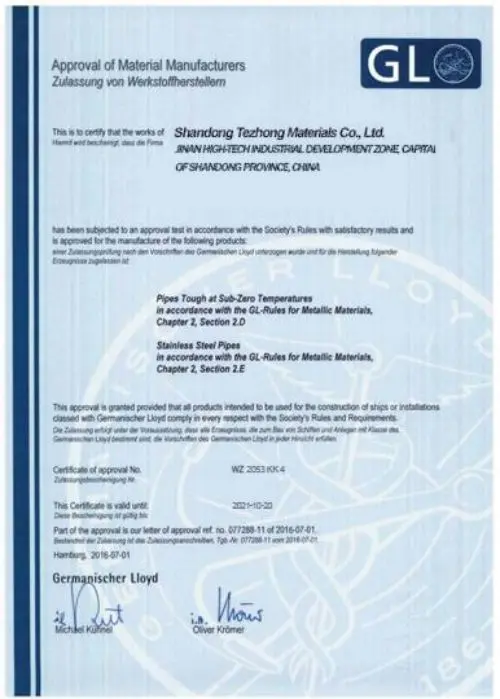
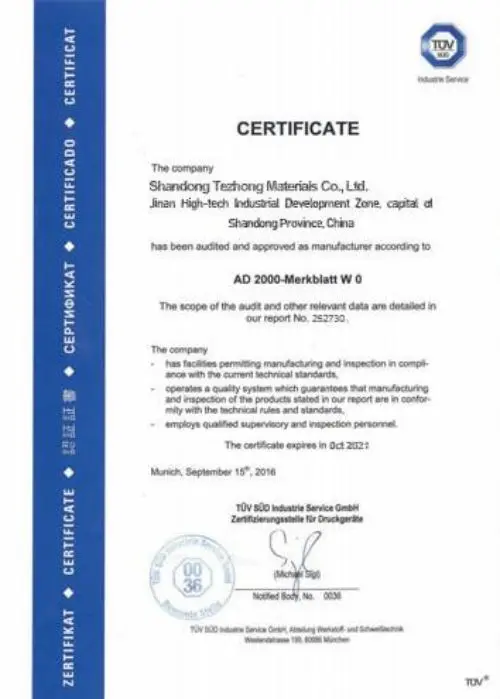
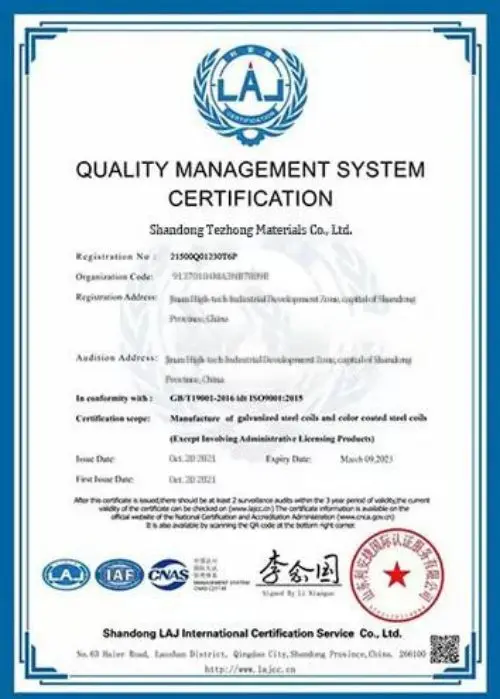
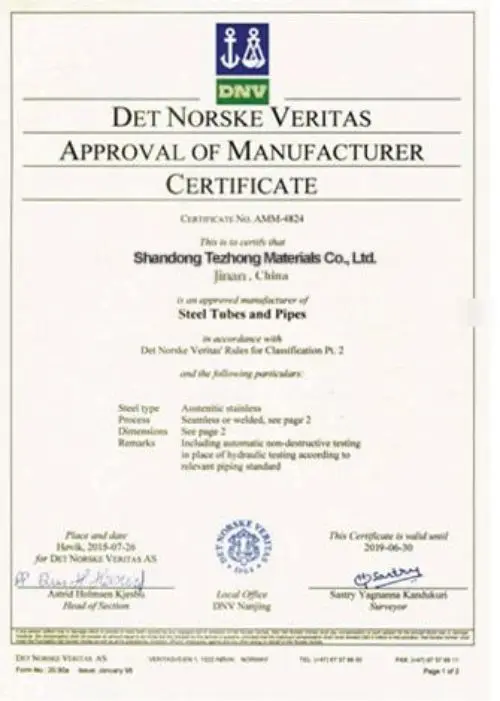
When searching for stainless steel factories & exporters in Ethiopia, technical specifications are paramount. Ethiopia's high altitude and variable humidity in regions like Bahir Dar vs. the arid conditions of the Afar region mean that material selection must be precise. For instance, SUS316L is recommended for any food-grade or chemical application involving high salinity or acidic environments, while SUS304 remains the cost-effective standard for general construction in Addis.
Our commitment to the principle of "customer first" has allowed us to win the trust of Ethiopian state enterprises and private contractors alike. By offering competitive pricing, fast logistics through the Djibouti-Addis railway corridor, and reliable inventory, we solve the common supply chain bottlenecks faced by the Ethiopian industrial sector.
 Tezhong