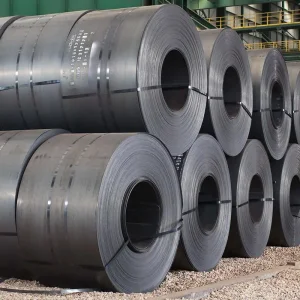
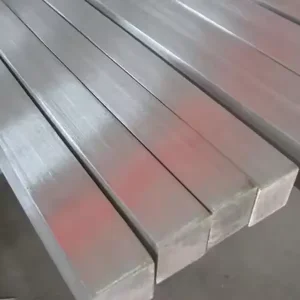
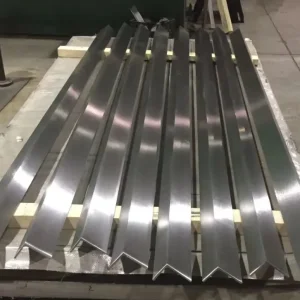
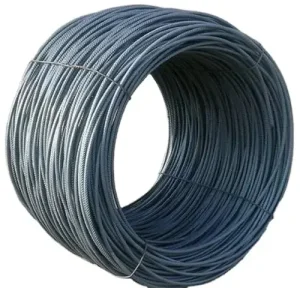
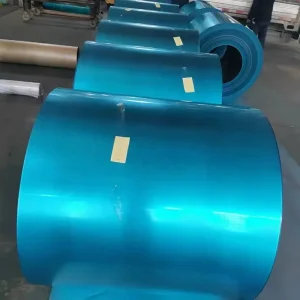
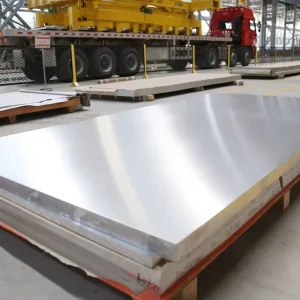
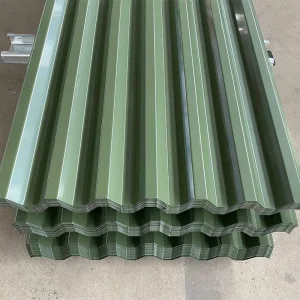
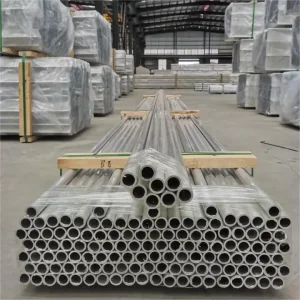
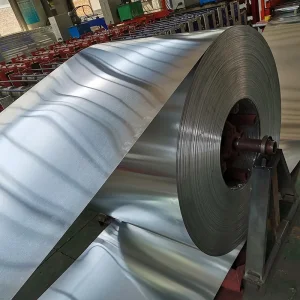
High-durability structural metals and custom industrial raw materials optimized for heavy recycling machinery manufacturing
In the modern era of the circular economy, scrap metal recycling has transitioned from a basic waste-management task into a high-technology, resource-recovery industry. Among the most lucrative sectors within this domain is the recycling of scrap copper wires.
The global demand for high-purity copper continues to rise, driven heavily by electric vehicle (EV) manufacturing, renewable energy systems, and general telecommunication upgrades. Small copper wire granulators have emerged as the primary machinery of choice for small-to-medium enterprises (SMEs), scrap yard operators, and electrical contracting firms looking to process localized cable waste efficiently without high capital expenditure.
Traditionally, large-scale industrial smelting and massive recycling plants dominated this space. However, localized collection points and smaller businesses often struggled with the transport logistics of hauling raw cable waste to distant centers. Small copper wire granulators solve this problem by offering compact, on-site processing footprints that convert scrap electrical wire into clean, granulated copper shot (purity levels exceeding 99.9%) and clean plastic (PVC or PE) granules. This immediately maximizes the value of the materials, allowing operators to bypass mid-level brokers and sell directly to copper refineries or manufacturing plants.
Modern small-scale copper wire granulators rely almost exclusively on dry-type mechanical separation. This technology is highly preferred over older wet-type systems because it eliminates water pollution, requires no settling ponds, and outputs completely dry copper granules ready for immediate shipping or melting.
The system operates via a continuous multi-stage process:
Understanding the raw metrics helps procurement officers align system specs with input materials:
| Capacity Range | 50 - 300 kg/h |
| Purity Rate | > 99.8% (Dry Separation) |
| Applicable Wires | Car wires, network cables, home wiring |
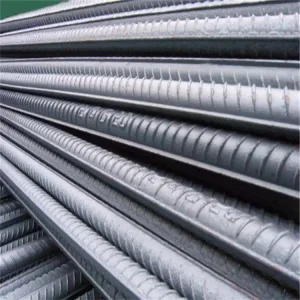
| Material Structure | Q235/Q355 Carbon & Tool Steel |
The structural longevity of any copper wire granulator is dictated by the materials used to construct its frame, blades, and separation chambers. This is where Shandong Tezhong Materials Co., Ltd. bridges the gap between high-end metallurgy and machinery manufacturing.
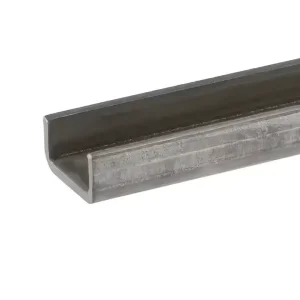
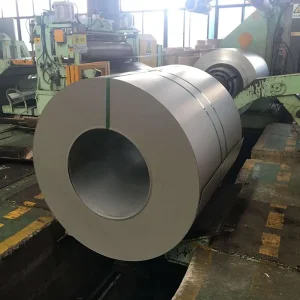
Using premium Q235, Q355, and SS400 carbon steel coils and structural angles, our machinery frames resist fatigue caused by continuous high-frequency vibration from the separation screens.
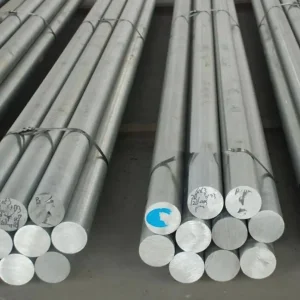
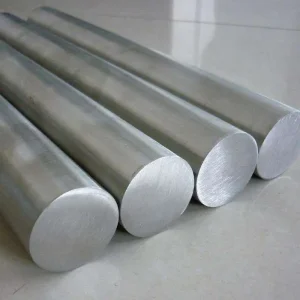
High-speed rotary blade chambers are lined with impact-resistant stainless steel and heat-treated SUS630/17-4PH elements, offering unmatched resistance to internal friction and wear.
With total assets of 1.2 billion yuan and 4 major distribution outlets (Tianjin, Wuxi, Binzhou, Liaocheng), we ensure immediate availability of structural components for rapid assembly and export.
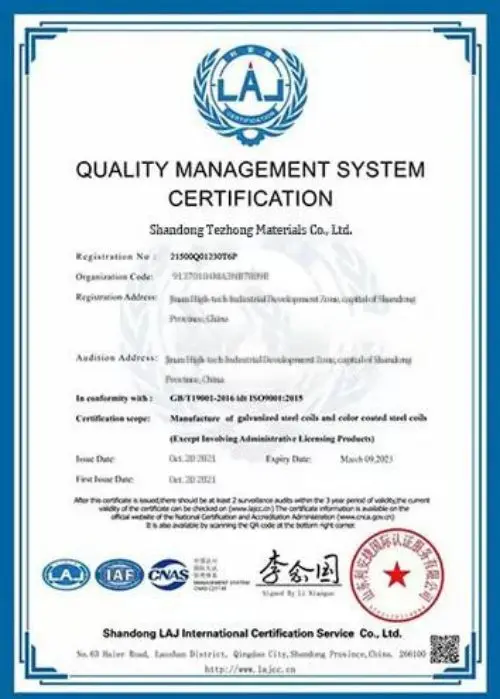
Our company has been actively engaged in the metallurgy and steel supply chain industry for 27 years since 1997. As the first company to pass IS09001 quality system certification in its early days, we apply strict metallurgical quality monitoring to every batch of steel used in manufacturing heavy machinery.
Our enterprise technology center ranks second among 575 national enterprise technology centers. This deep technical foundation allows us to supply structural components of the highest integrity, which are exported widely to the Middle East, Europe, America, Asia, and other regions, with an annual capacity of 1,500,000 tons.
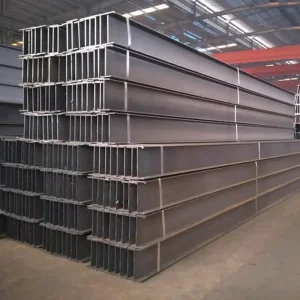
Granulator machines are subject to mechanical stresses that can tear poorly welded frames apart within months. By utilizing heavy-duty H-beams (structural I-beams) and cold-rolled or hot-rolled galvanized profiles, our machinery stands up to the harshest scrap-yard conditions worldwide.
Small copper wire granulators are not one-size-fits-all solutions. Different geographical regions and industrial sectors utilize these machines to fulfill specific environmental and commercial needs:
Modern vehicles contain miles of wire harnesses. Processing these harnesses manually is impossible due to their thin gauge and complex branching. Small copper wire granulators allow automotive recycling yards to throw complete wire bundles directly into the machine, reclaiming high-grade copper wire and turning a waste hazard into a profitable revenue stream.
With electronic waste growing exponentially, handling computer cables, ribbon cables, and internal device wires is a critical challenge. The density separation system of a small granulator easily isolates fine copper dust from plastic casings, helping urban recycling initiatives meet strict local environmental mandates.
During commercial building renovations, old wiring is pulled out in massive quantities. Rather than selling these bulky cables to scrap dealers at low rates, contractors utilize portable or skid-mounted small granulators to process the scrap on-site, immediately multiplying their profit margins.
A glimpse inside our 15,000 square meter factory floor and metallurgical testing chambers
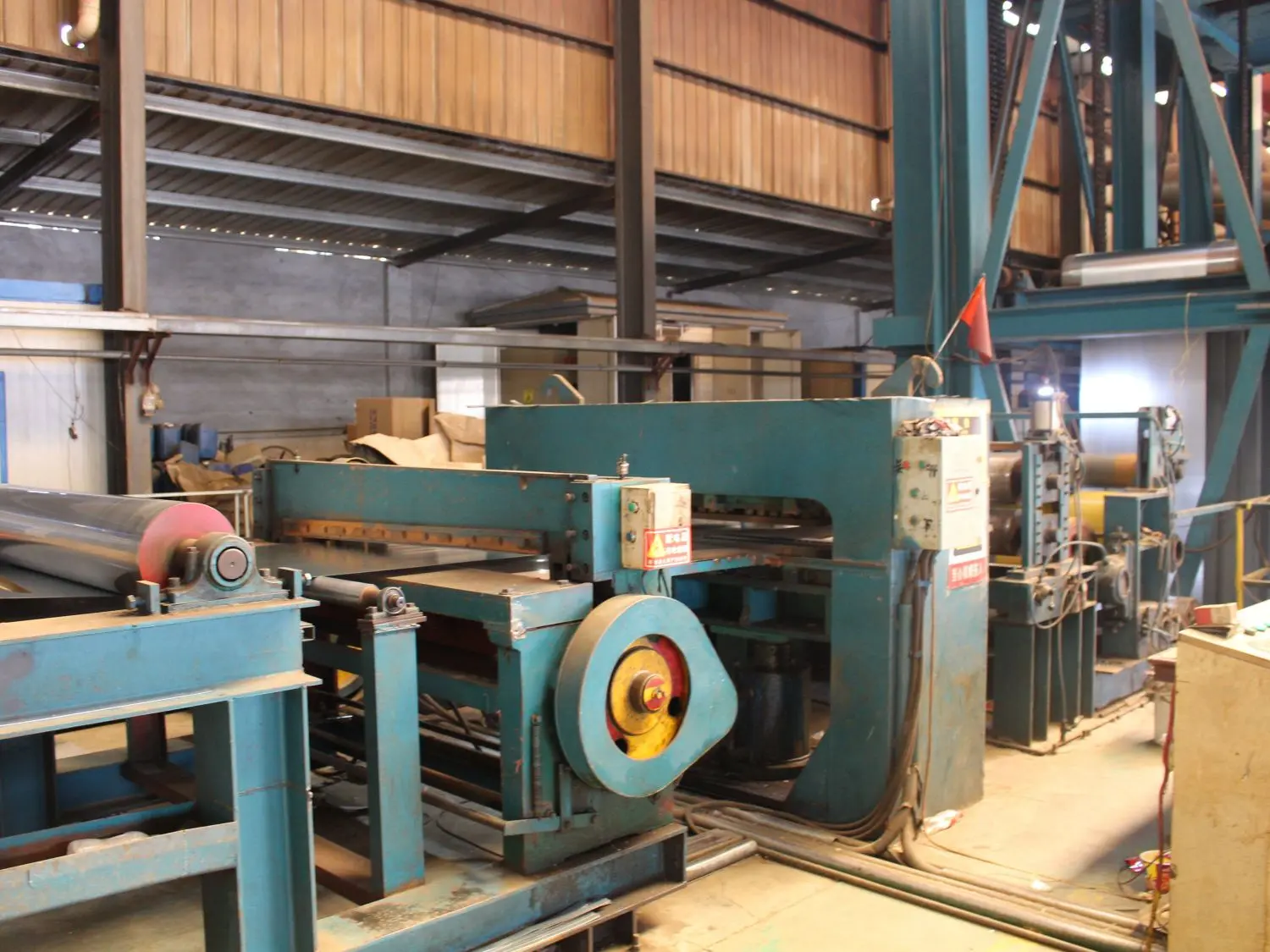
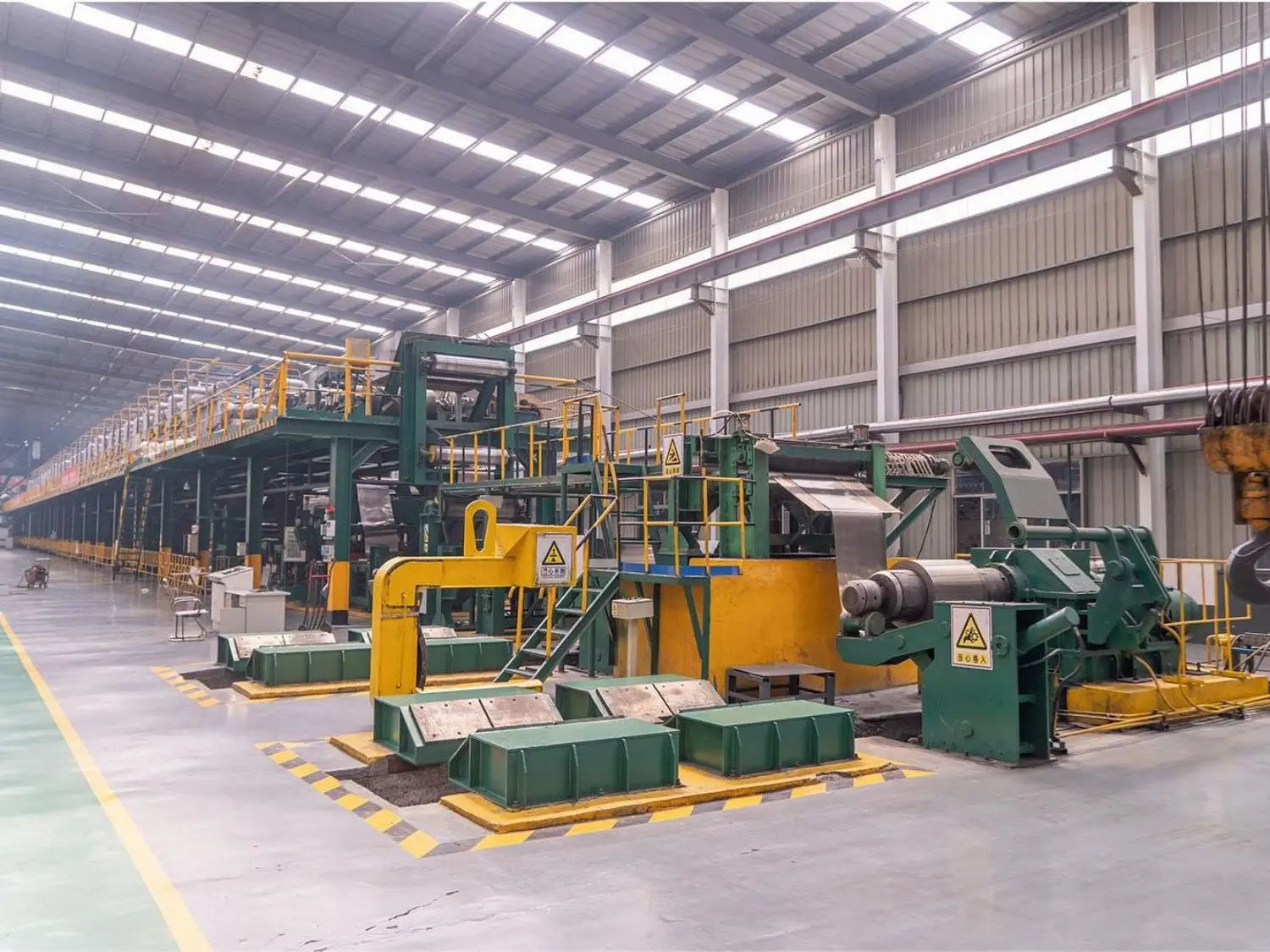
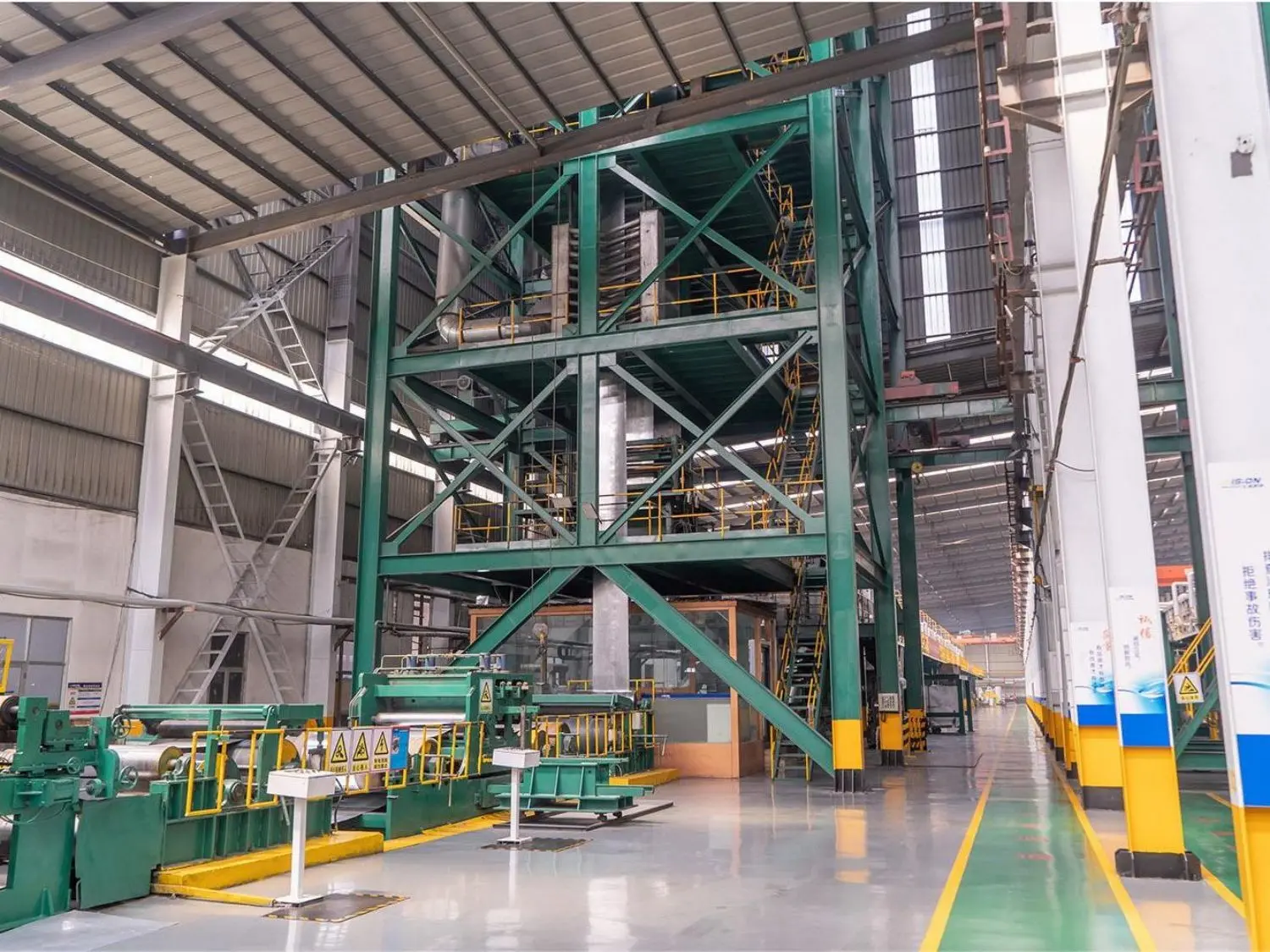
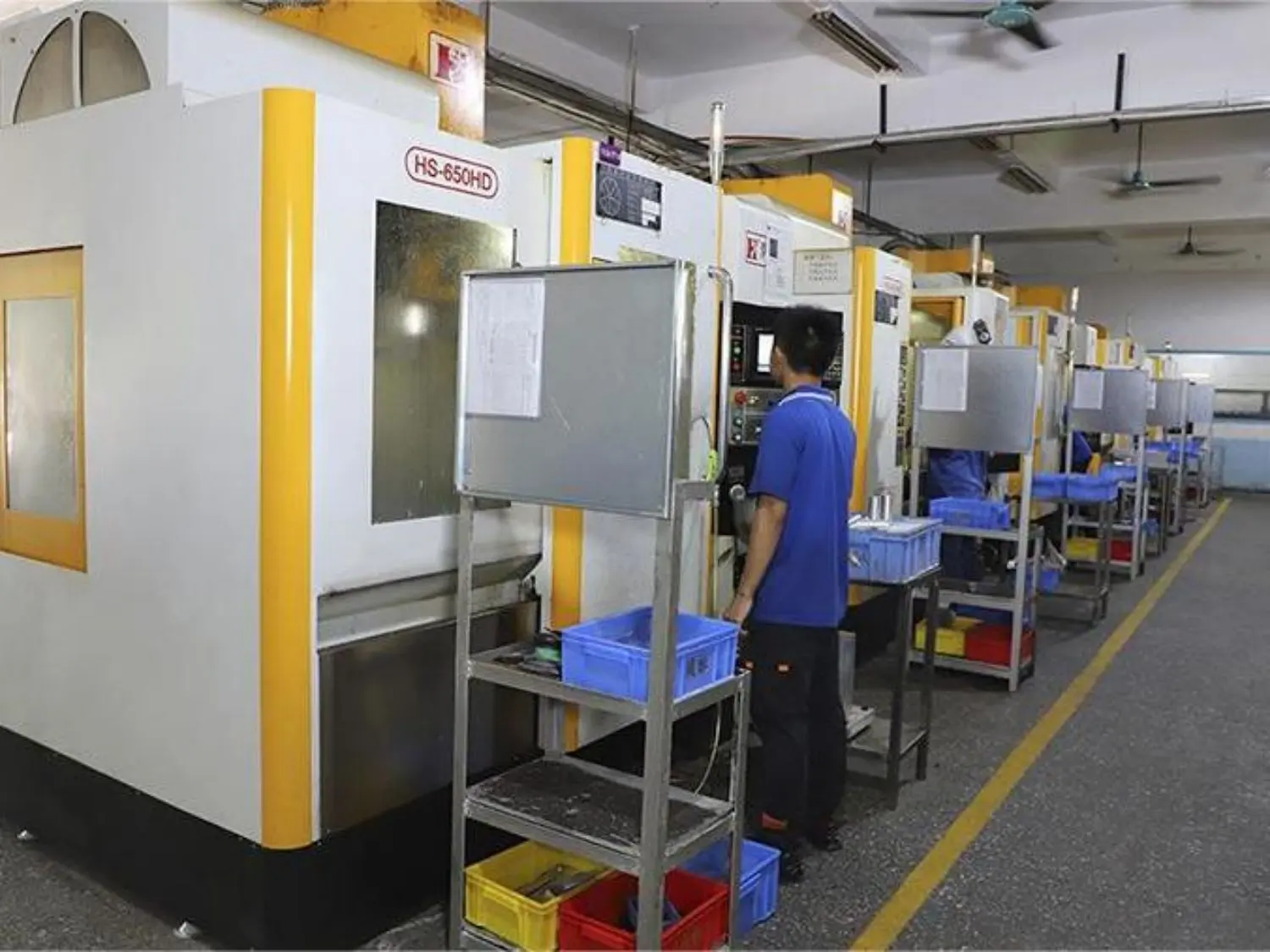
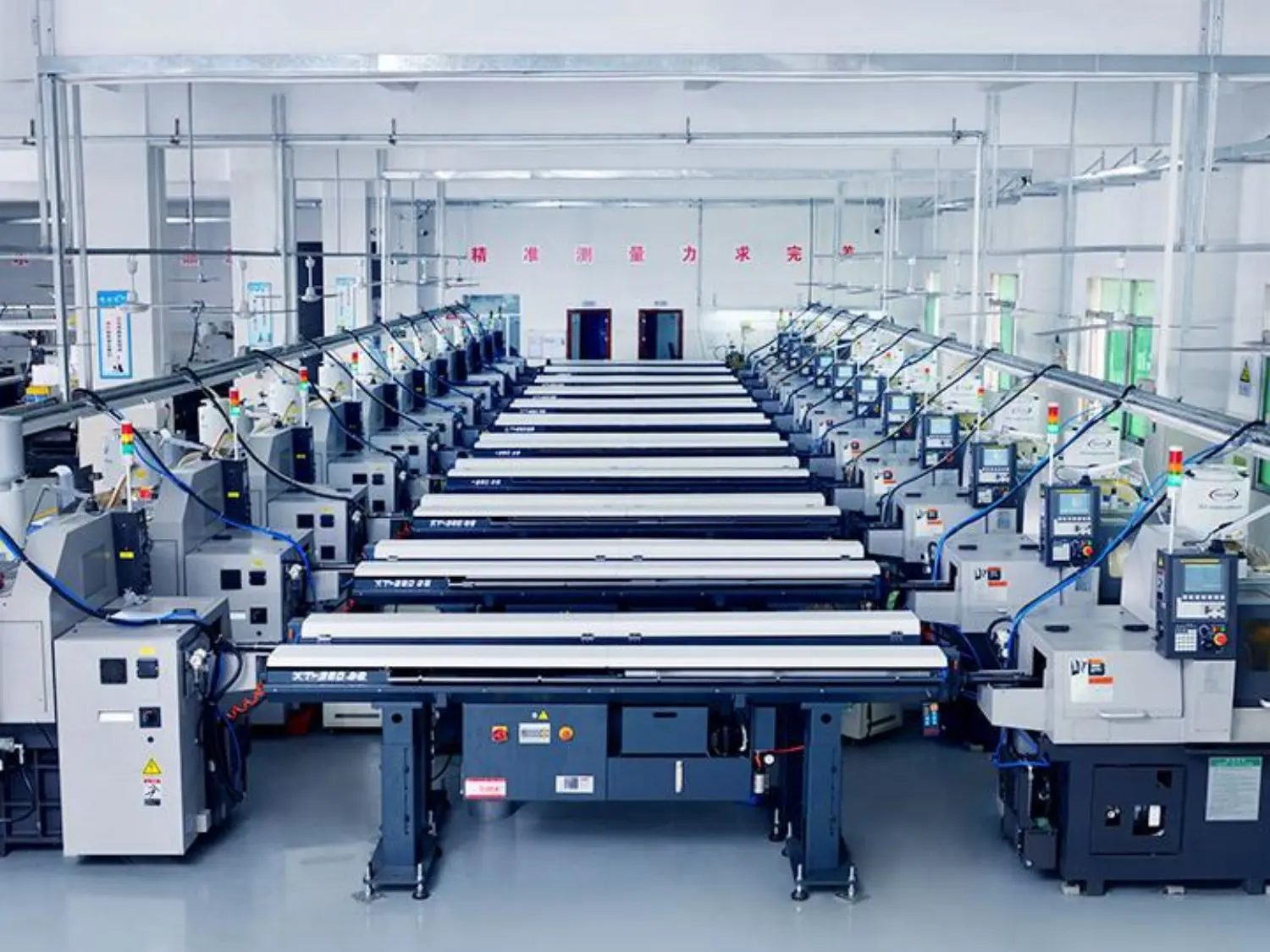
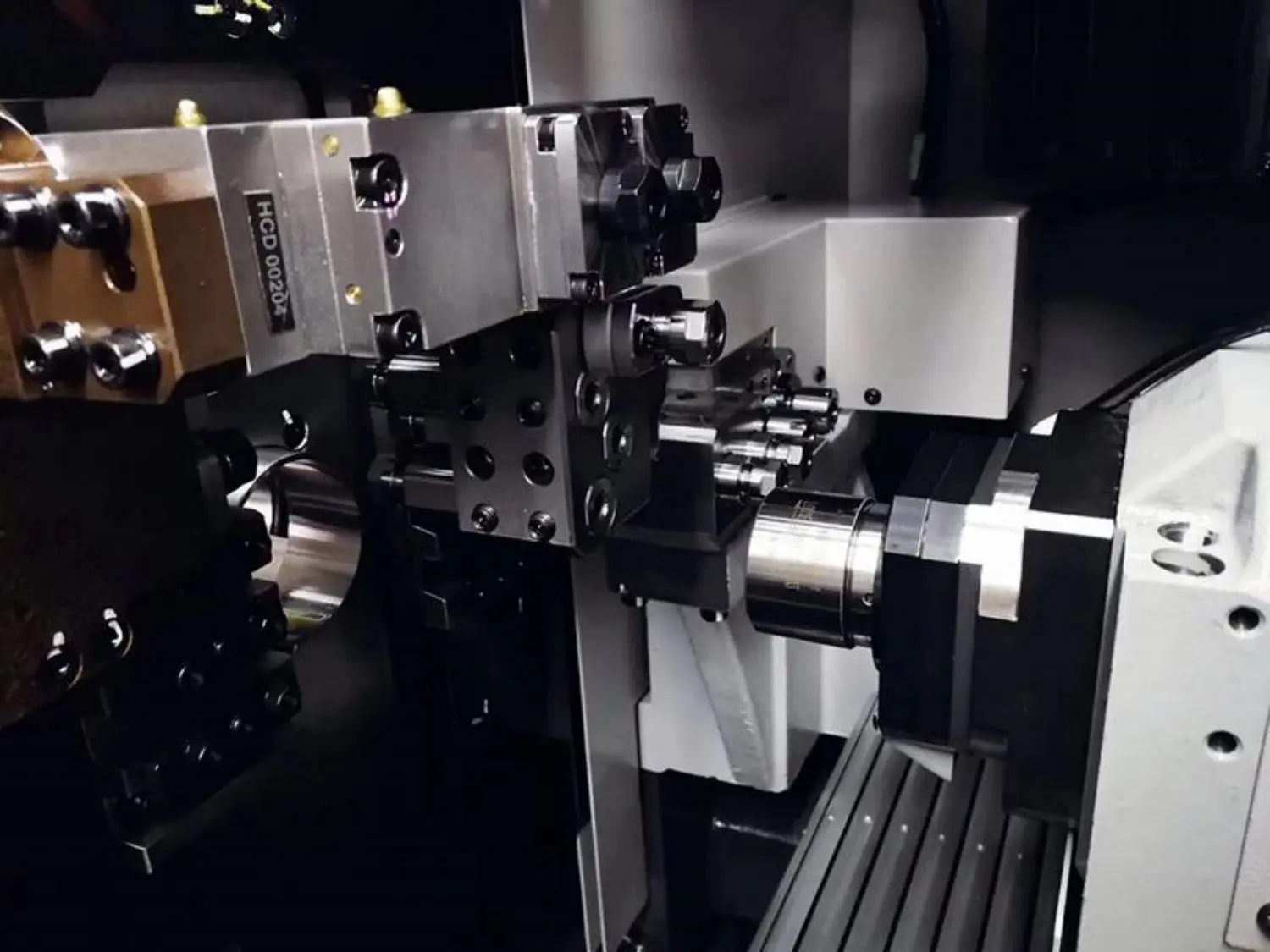
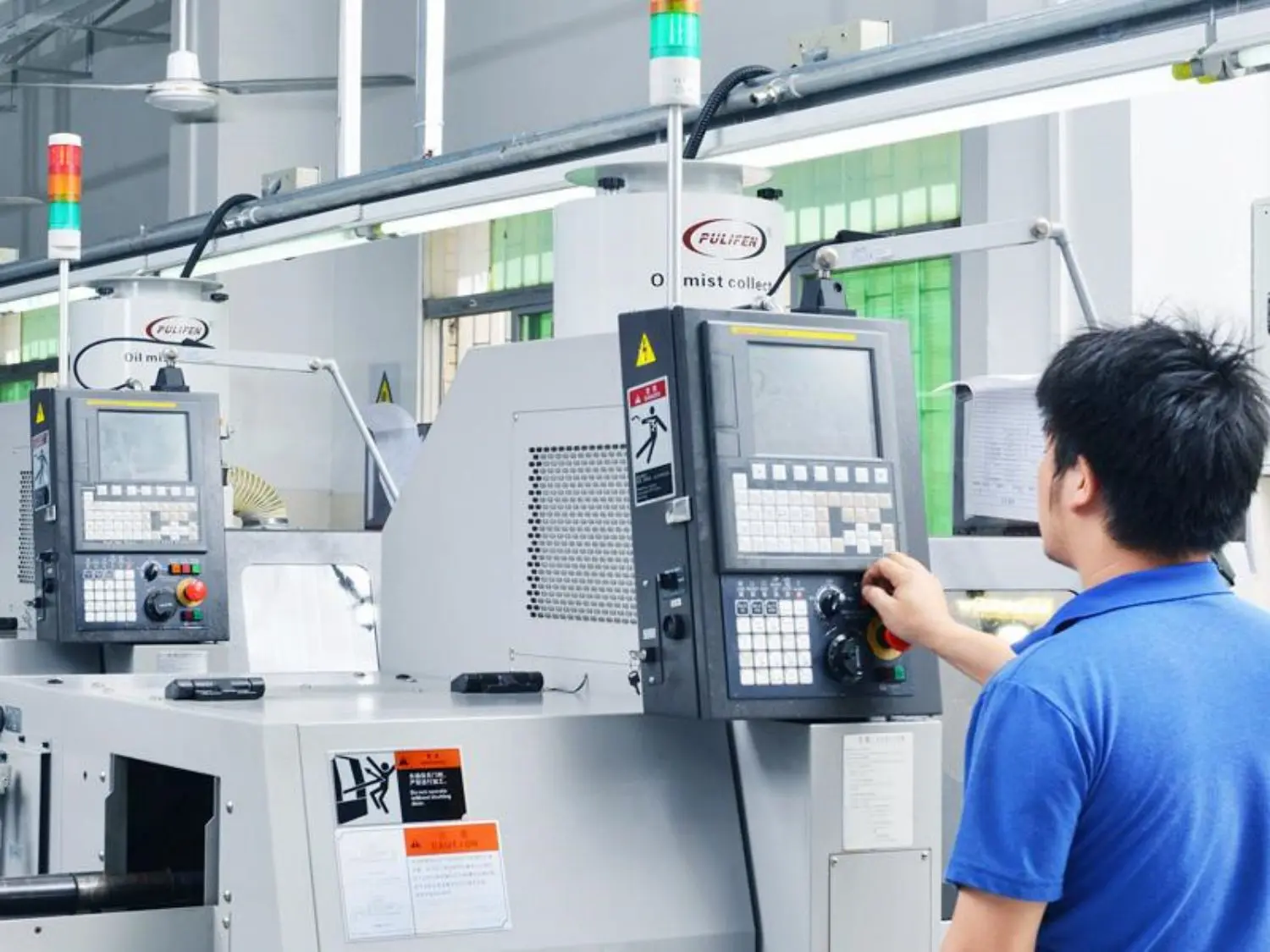
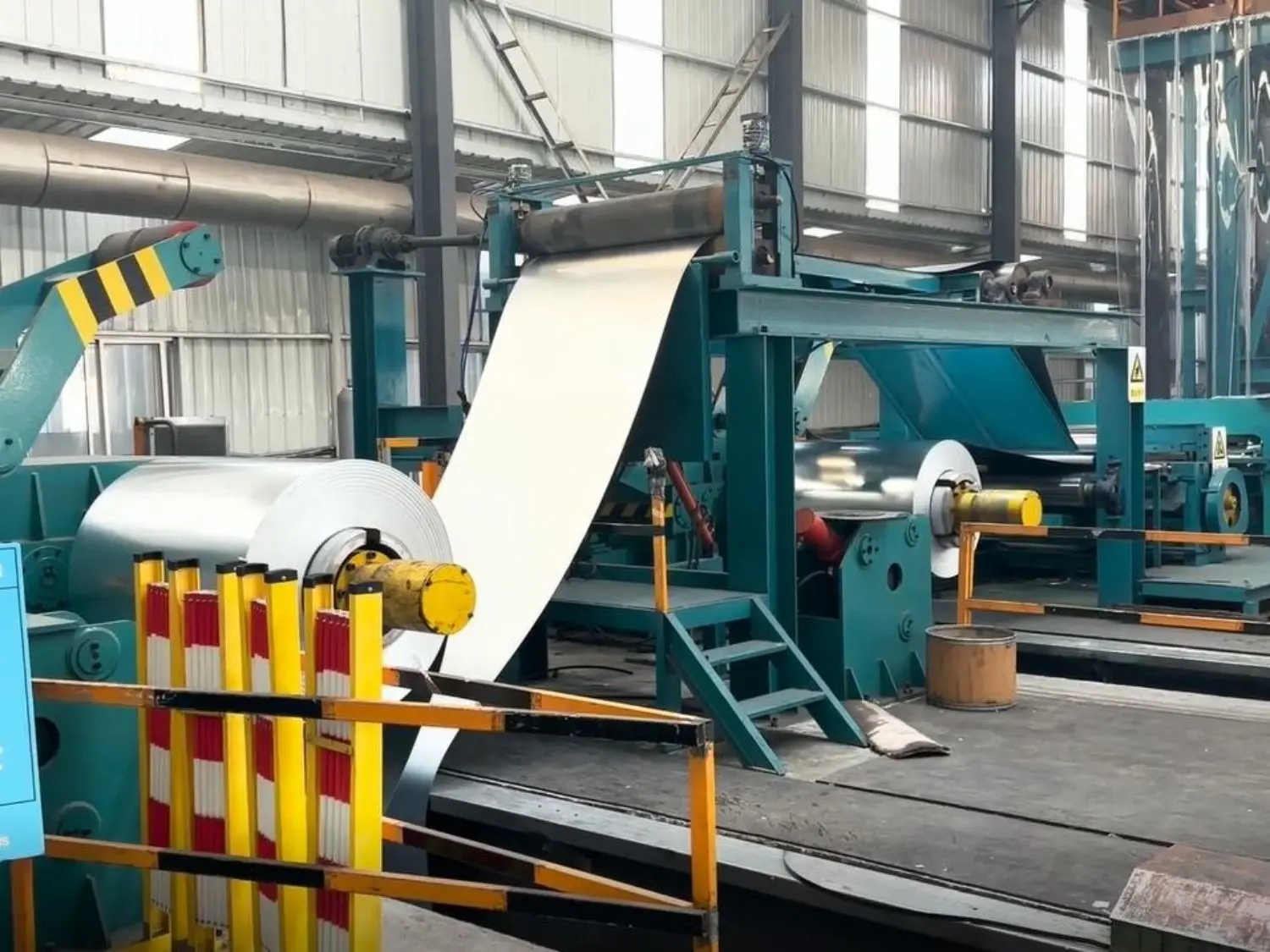
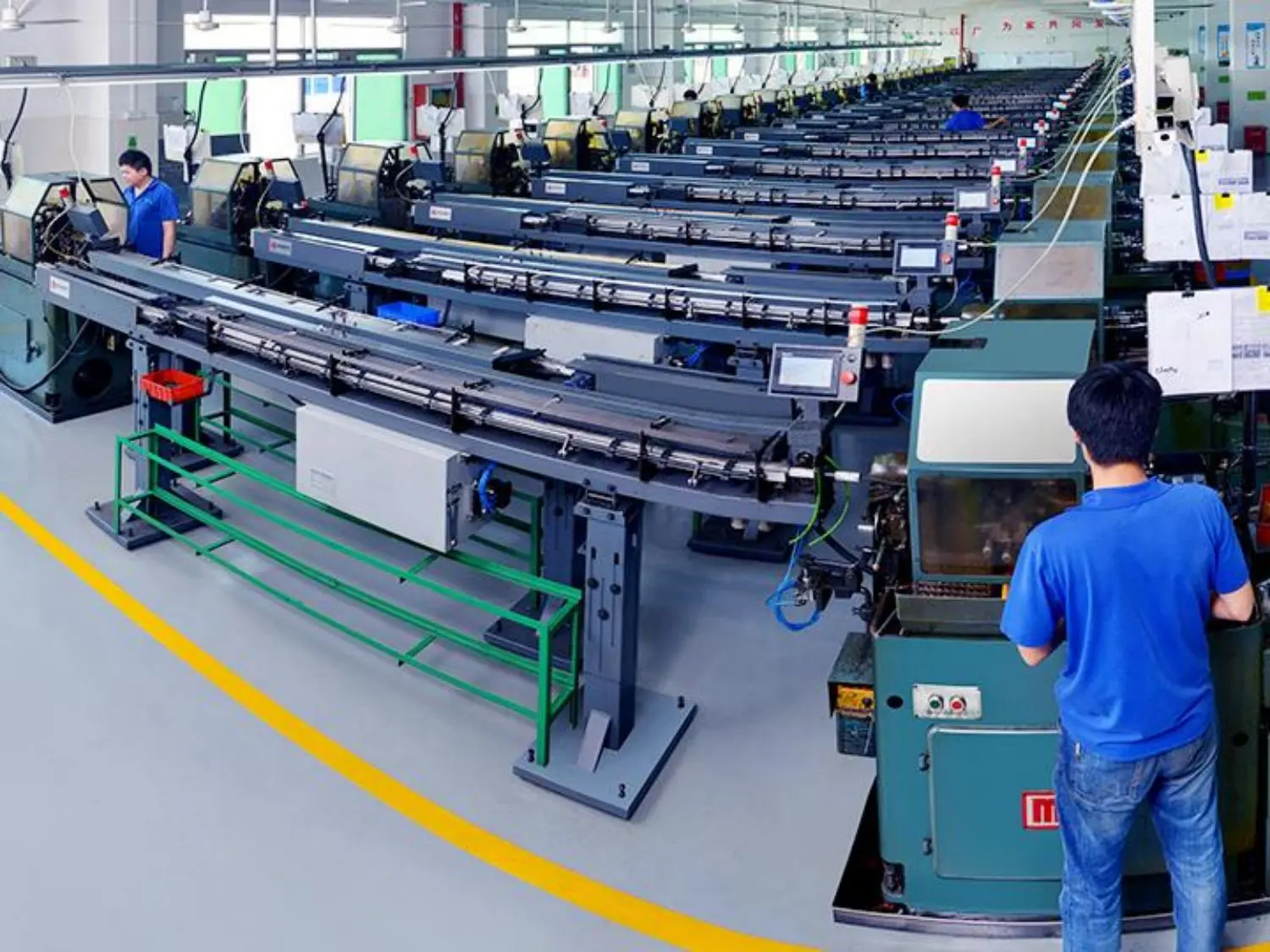
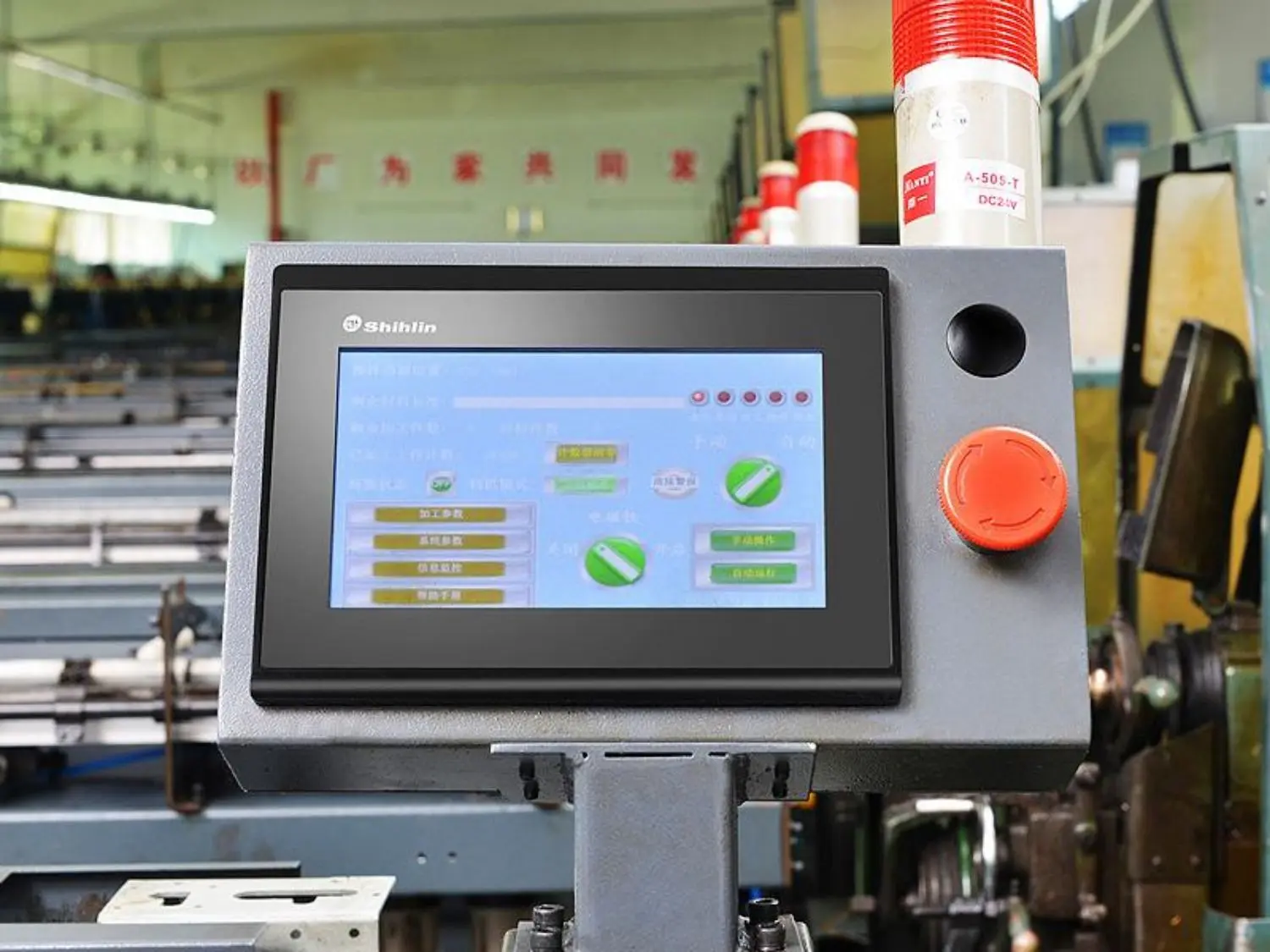
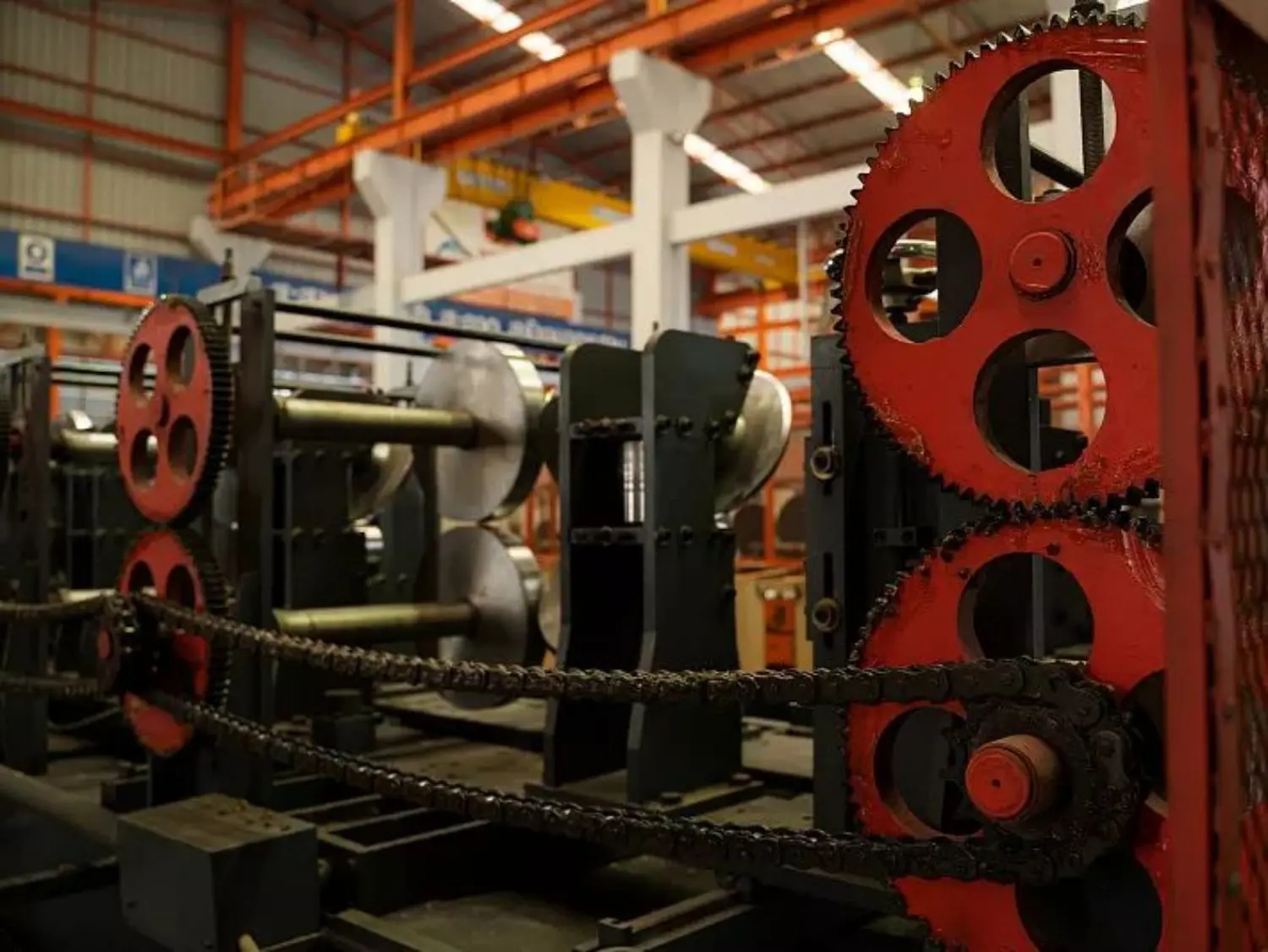
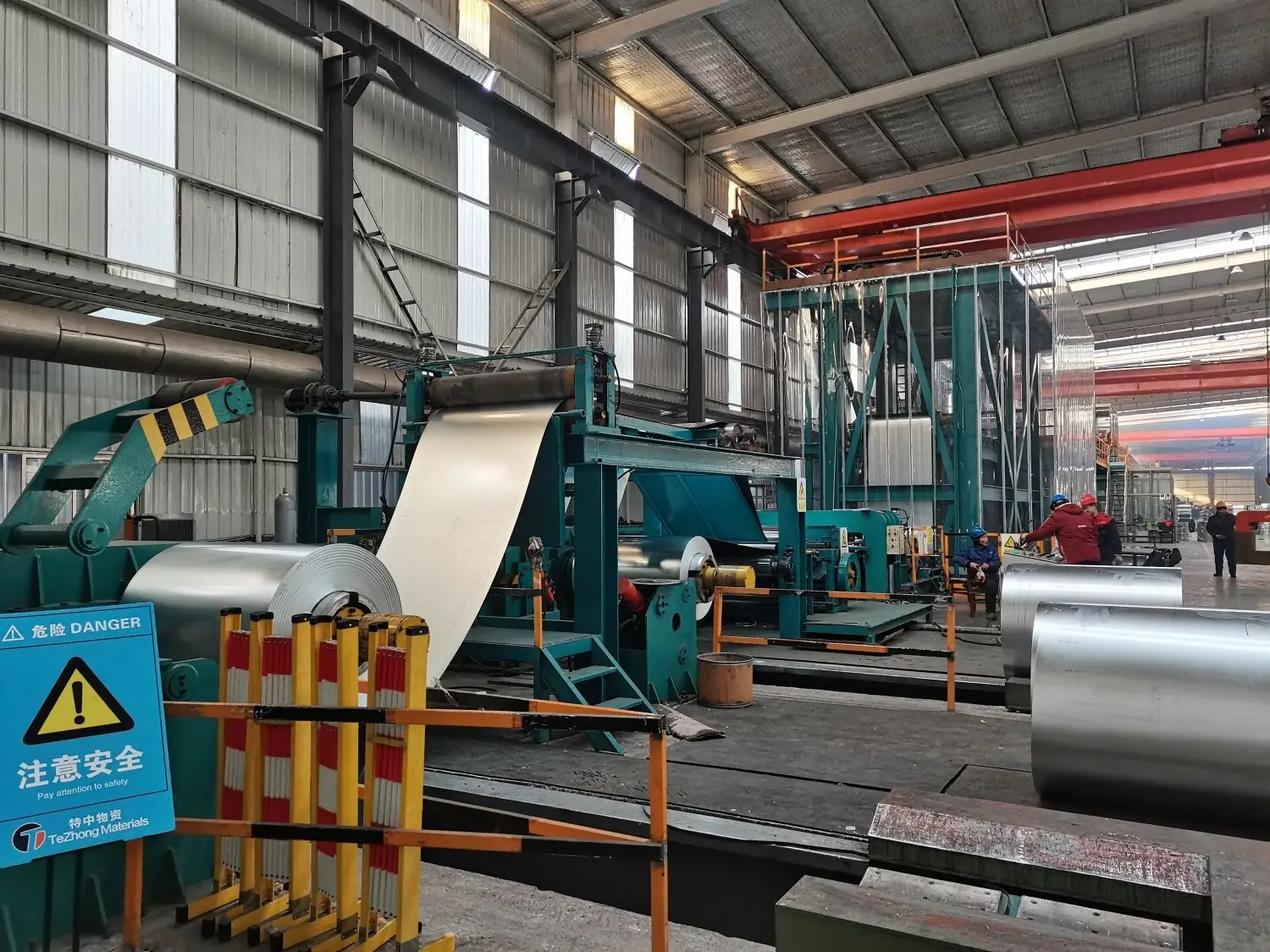
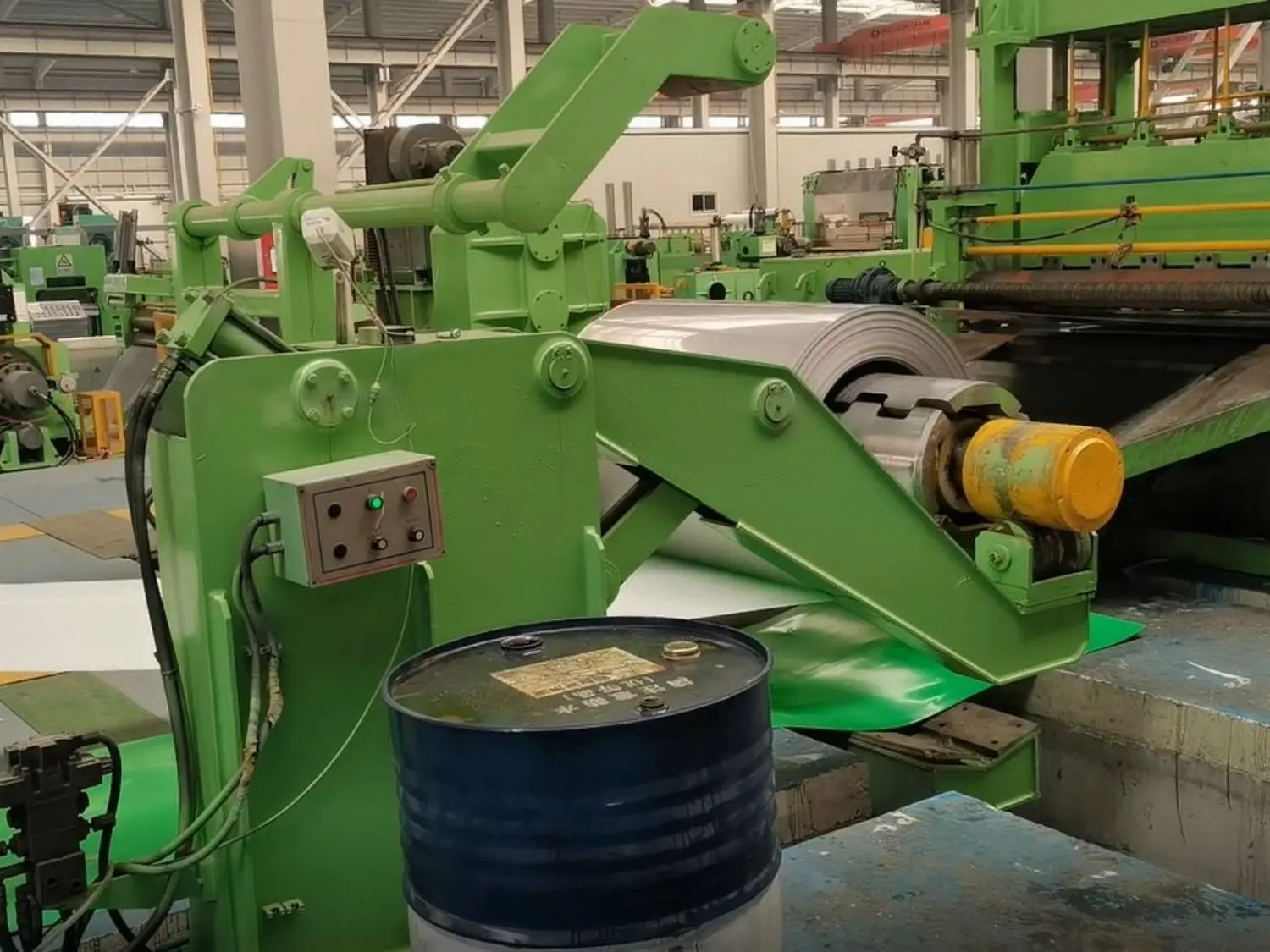
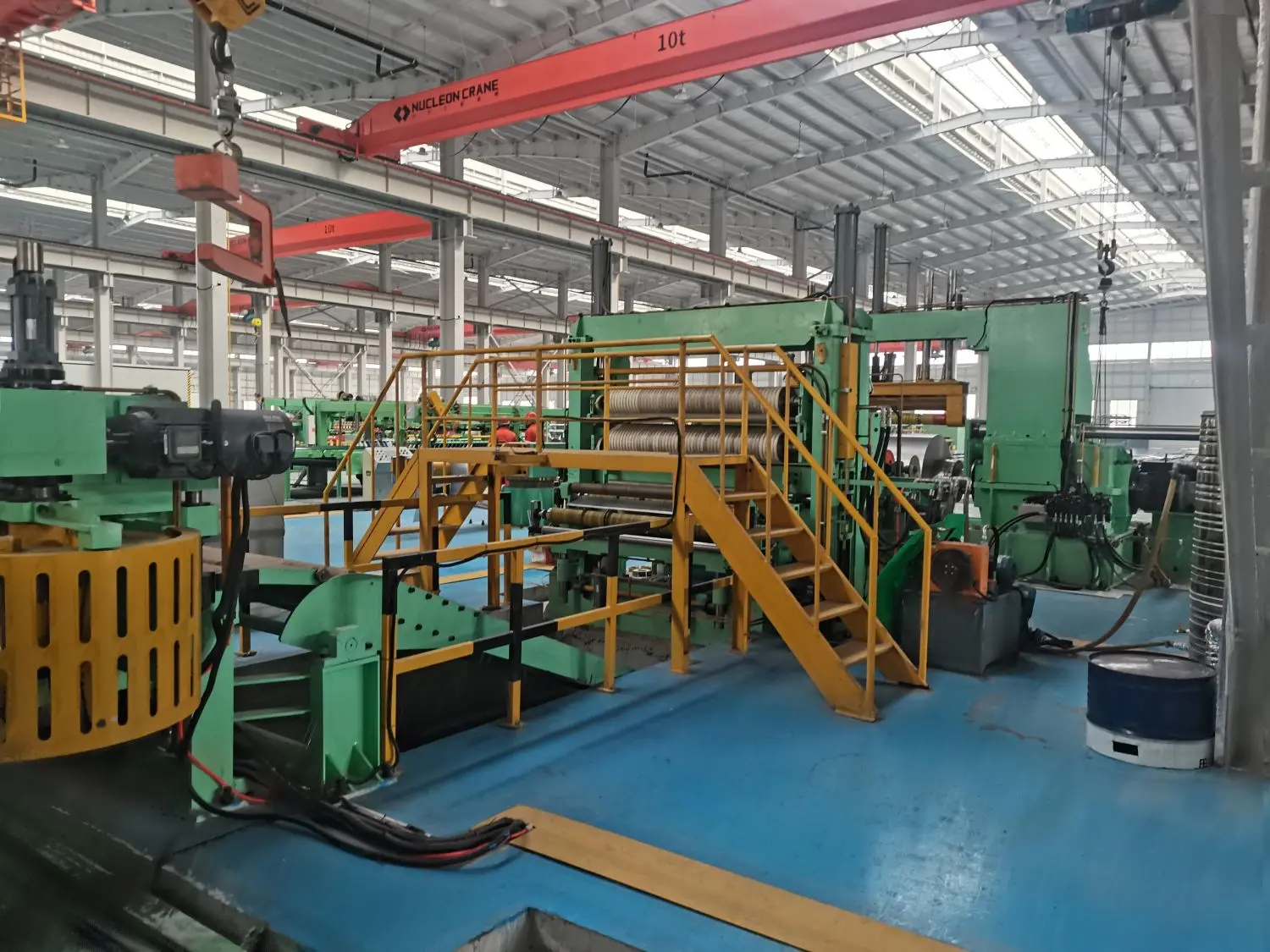
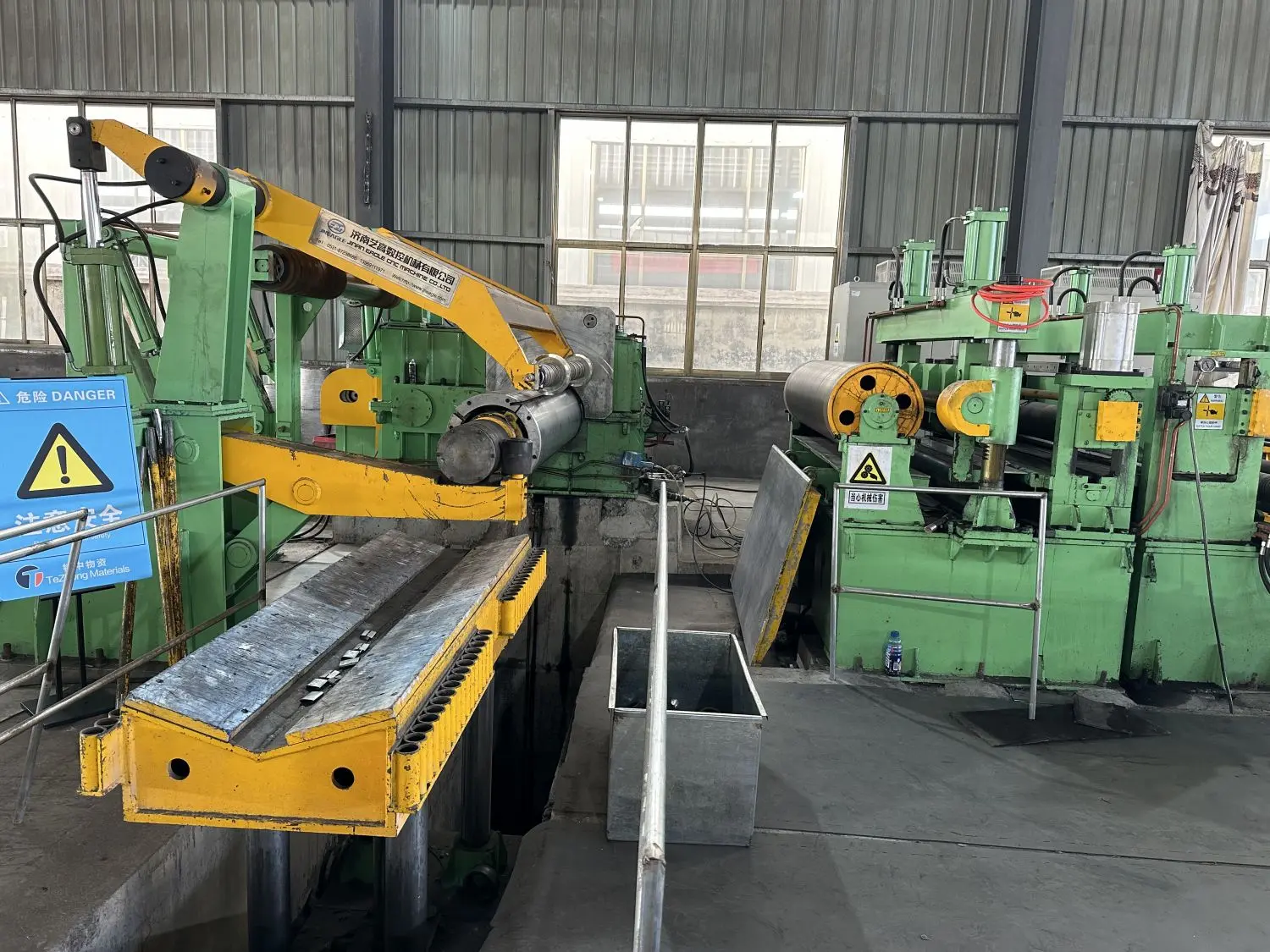
Our technical superiority stems from our multi-tiered engineering team. With over 900 employees, including 100+ senior managers and professional technicians, we manage the entire manufacturing cycle from sintering and steelmaking to complete machinery testing.
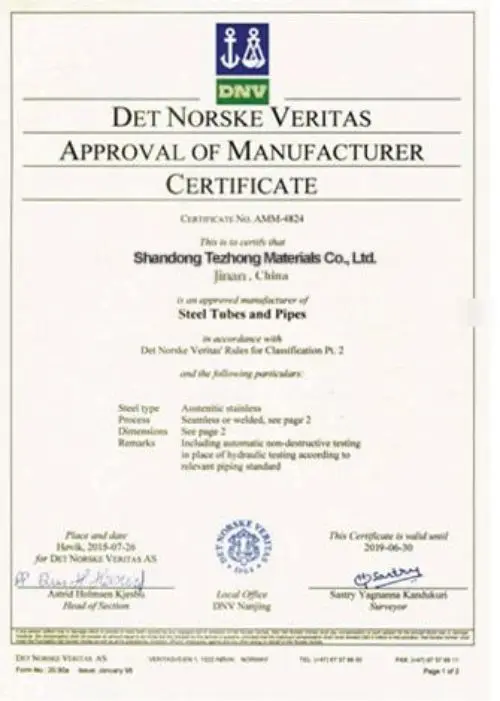
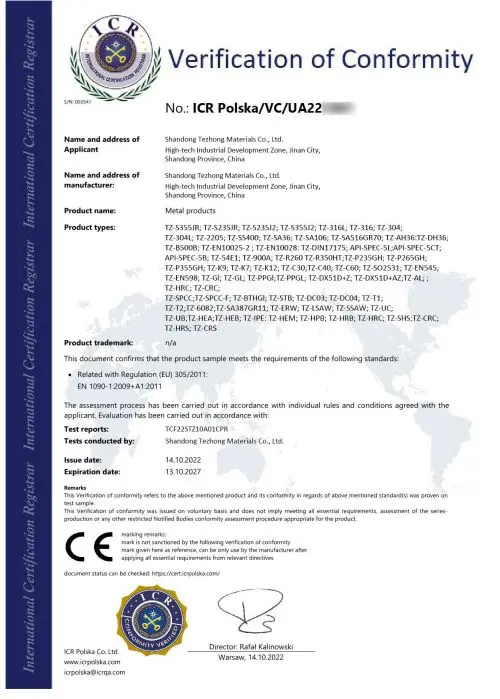
We maintain complete international compliance and certifications to ensure our machinery is ready for import into highly regulated markets (EU, North America, Oceania).
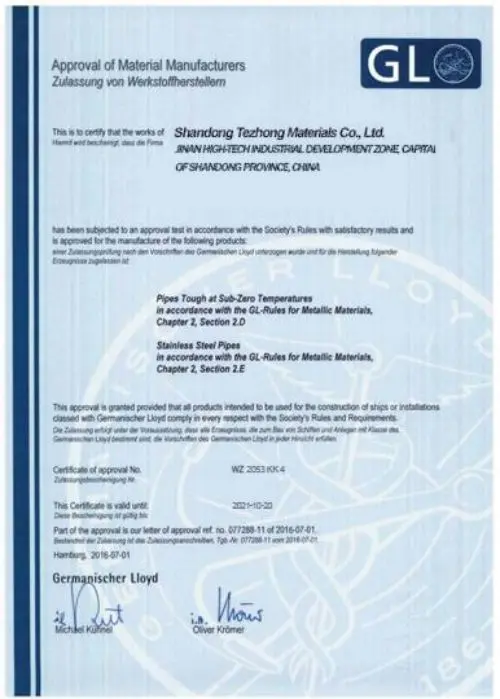
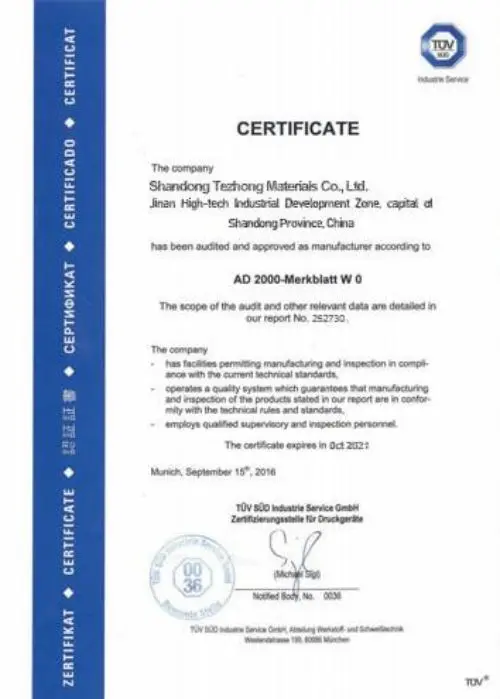
The scrap recycling market is evolving rapidly. To maintain high profitability, buyers must invest in machinery that anticipates regulatory and technological shifts:
1. Integration of Electrostatic Separators: Standard gravity/air separators are excellent for standard wire thicknesses. However, extremely fine wires (such as phone line capillaries) produce copper dust that floats off with the plastic waste. High-end small granulators now integrate auxiliary electrostatic separators, pushing purity yields closer to 99.99% by utilizing static charge differentiation.
2. Intelligent Frequency Drives & Energy Conservation: Electrical grids in many countries are subject to dynamic peak-rate billing. Advanced granulators are moving toward smart PLC variable-frequency control modules. These systems regulate power to the crushing motor based on real-time load density, reducing electrical overhead by up to 20% compared to traditional constant-speed motors.
3. Compact & Trailer-Mounted Layouts: Logistics is often the costliest component of scrap yards. The demand for modular, trailer-mounted small granulators is growing. Such machinery allows mobile operators to drive directly to demolition sites, process wire on the spot, and ship only the purified copper back to base.
Technical clarifications on performance, setup, maintenance, and logistics
Heavy-duty structural components, tubes, and alloy plates engineered to withstand severe industrial stress

 Tezhong