Engineered Components Serving Heavy Machinery, Crushing Units, and Industrial Framework Structures
Understanding the Macroeconomic and Technological Shifts in Modern Metal Recovery Systems
Global demand for high-purity copper is escalating exponentially, catalyzed by the transition toward electric vehicles, renewable energy infrastructures, and intelligent power grids. Securing secondary copper raw materials through advanced recovery technology has changed from an environmental initiative to a core geopolitical and commercial priority. Modern copper wire recycling production lines stand at the center of this movement, offering direct thermodynamic and financial advantages over primary smelting processes. Processing scrap copper utilizes up to 85% less energy than mining and refining virgin ore, significantly shrinking carbon footprints and industrial operational costs.
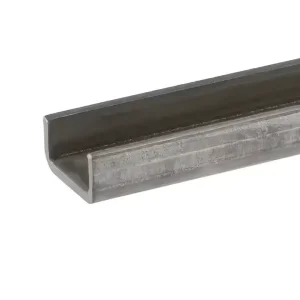
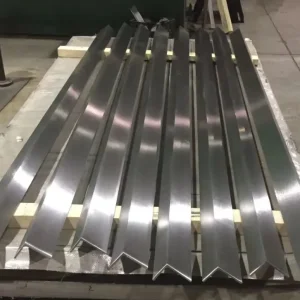
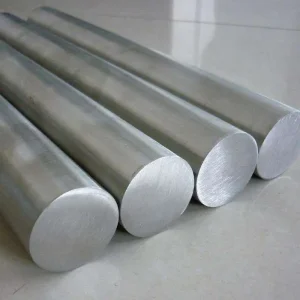
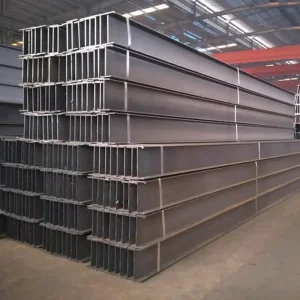
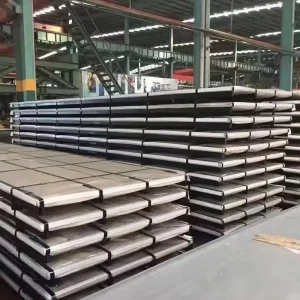
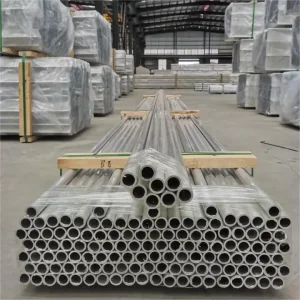
Shandong Tezhong Materials Co., Ltd. delivers the metallurgical foundations and structural machinery integration required to deploy high-tonnage, continuous-operation copper recycling lines globally. By utilizing our proprietary hot-rolled structural steel profiles, high-strength H-beams, and wear-resistant alloy plate housings, our engineering systems withstand the brutal physical stresses of industrial shredding, crushing, and high-frequency screening.
To optimize recovery, contemporary plants must handle complex municipal, automotive, and industrial waste streams containing varying copper wire diameters, sheathing types, and contaminant ratios. A highly integrated production line relies on robust, multi-stage physical separation processes. Standard scrap wire feedstocks, ranging from thick power cables to ultra-thin telephone cords and hair-thin communication threads, require tailored treatment systems to avoid metal loss in plastic waste discharge.
Our solutions incorporate dry mechanical sorting frameworks that replace water-based gravity separation with dynamic air classification and high-voltage electrostatic extraction. This dry method eliminates toxic slurry discharge and ensures compliance with strict international environmental regulations, rendering the processed copper instantly ready for direct melting and metallurgical casting operations.
Decoupling Shredding, Pulverization, Air Gravity Separation, and Electrostatic Refining
Large-diameter armored cables and tangled wires are fed into a low-speed, high-torque dual-shaft shredder. This stage reduces raw scrap into manageable 50mm–100mm segments, protecting downstream fine granulators from feed overload and component damage.
Using ultra-hard D2/SKD11 alloy tool steel blades rotating inside a high-speed pulverizing chamber, the wire segments are cut into 3mm–6mm granules. This action physically shears and separates the copper core from the surrounding plastic (PVC/PE/Rubber) sheath.
Operating under specific air pressure, the mixture is distributed across a vibrating screen. Due to the disparity in specific gravity (Copper ~8.9 g/cm³, PVC ~1.3-1.4 g/cm³), the heavier copper particles migrate upward along the screen incline, while the lighter plastics float off the lower discharge edge.
Capturing Ultra-Fine Capillary Wires to Eliminate Metal Carryover and Air Pollution
For operations dealing with thin telephone wires, data cables, and automotive harness assemblies, density separation alone cannot guarantee 99.9% metal recovery. During pulverization, these fine wires produce microscopic copper threads and dust that remain entangled with the plastic waste. A high-voltage electrostatic separator resolves this by utilizing the difference in electrical conductivity between metals and non-metals.
When the combined waste passes through a high-voltage corona field (ranging between 30kV and 50kV), the conductive copper particles rapidly lose their charge to a grounded drum and are thrown off into a dedicated recovery chute. The non-conductive plastic particles retain their charge, remaining pinned to the drum surface until they are scraped off in a separate discharge collector.
Integrating electrostatic separation drives recovery efficiency up to 99.9%, capturing valuable metal that would otherwise be lost in landfills or combustion streams.
Furthermore, high-speed crushing produces significant volumes of plastic and insulation dust. Our lines combat this issue by integrating a closed-loop pneumatic extraction system. By combining high-efficiency cyclone collectors and pulse-jet bag filters, we capture 99.9% of airborne particulates down to 0.5 microns. This configuration maintains a safe working environment, safeguards worker health, and complies with clean air regulations.
Navigating Environmental Mandates, Carbon Accounting, and Regional Import Specifications
Operating a recycling line demands strict compliance with regional environmental protection laws. In the European Union, the Waste Electrical and Electronic Equipment (WEEE) Directive imposes stringent recovery and recycling targets on electrical components. Our machinery is fully aligned with these standards, ensuring that recovered plastics and copper fractions meet RoHS and REACH chemical purity requirements for direct recycling.
In North America, operations must comply with EPA regulations regarding hazardous air emissions and occupational safety standards (OSHA). Our closed-loop dry processing configuration eliminates water consumption, bypassing regional wastewater permitting processes and lowering environmental liabilities. Additionally, integrated soundproofing enclosures keep noise emissions below 80 dB, protecting operators and ensuring compatibility with mixed-use industrial zones.
From an investment and logistics perspective, deploying an industrial recycling line demands strong supply chain and mechanical support. Shandong Tezhong Materials Co., Ltd. leverages its global logistics network, supported by four strategic regional outlets, to coordinate prompt delivery of replacement parts and consumables, including shredder blades, screen meshes, and electronic controllers.
Every plant layout is structurally optimized using FEA (Finite Element Analysis) modeling. This practice ensures structural integrity under continuous load conditions, while mitigating fatigue stress on anchoring foundations and minimizing operational downtime.
A Leading Metallurgical Supply Chain & Heavy Equipment Frame Component Manufacturer
Shandong Tezhong Materials Co., Ltd. is a supply chain industry company integrating carbon steel, coated steel, stainless steel, and other metal products. With a registered capital of 100 million yuan, our enterprise covers an area of approximately 15,000 square meters and holds total assets of 1.2 billion yuan. We employ more than 900 personnel, including over 100 senior managers and specialized technical experts. Our production facilities encompass complete coking, sintering, steelmaking, and steel rolling processes, along with associated energy and power systems, enabling us to deliver highly integrated, modern steel production technology.
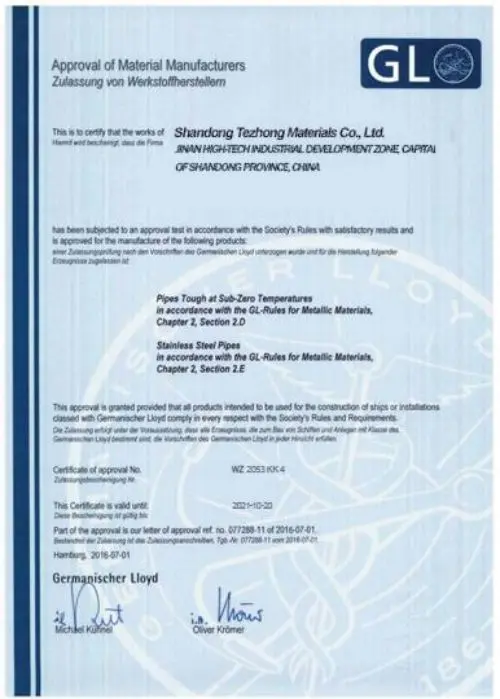
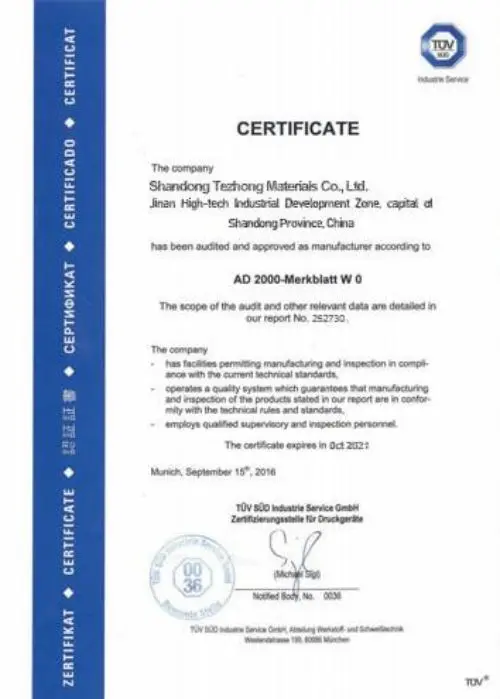
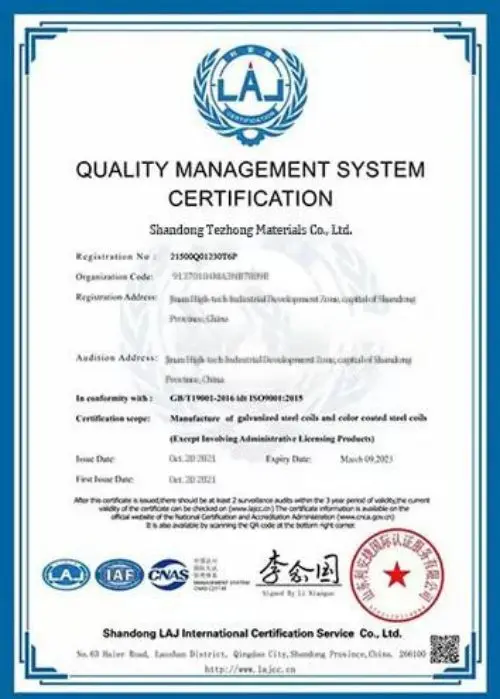
Established in 1997, our company brings 27 years of experience to the metallurgical and mechanical fabrication sectors. We were among the first in our region to secure ISO9001 quality system certification. Today, we maintain 4 large-scale logistics outlets in Wuxi, Tianjin, Binzhou, and Liaocheng, ensuring consistent inventory availability and exporting to the Middle East, Europe, America, and Asia. Our metals and custom structural shapes are widely utilized in aerospace, marine engineering, chemical processing, nuclear power, and heavy machine manufacturing, contributing to a comprehensive annual production capacity of 1,500,000 tons.
Our enterprise technology center ranks second among 575 national enterprise technology centers, and ranks first in domestic market share of 21 categories of steel products such as railways, construction, coinage, axle steel, and pure iron.
We are committed to structural innovation, research, and metal processing, providing heavy machine builders with reliable materials that guarantee equipment longevity. We adhere to the principle of "customer first" and provide customers with quality services. Our company has won the trust and praise of our customers with its advantages of complete specifications, low prices, fast transportation, and its service concept of keeping promises and focusing on quality.
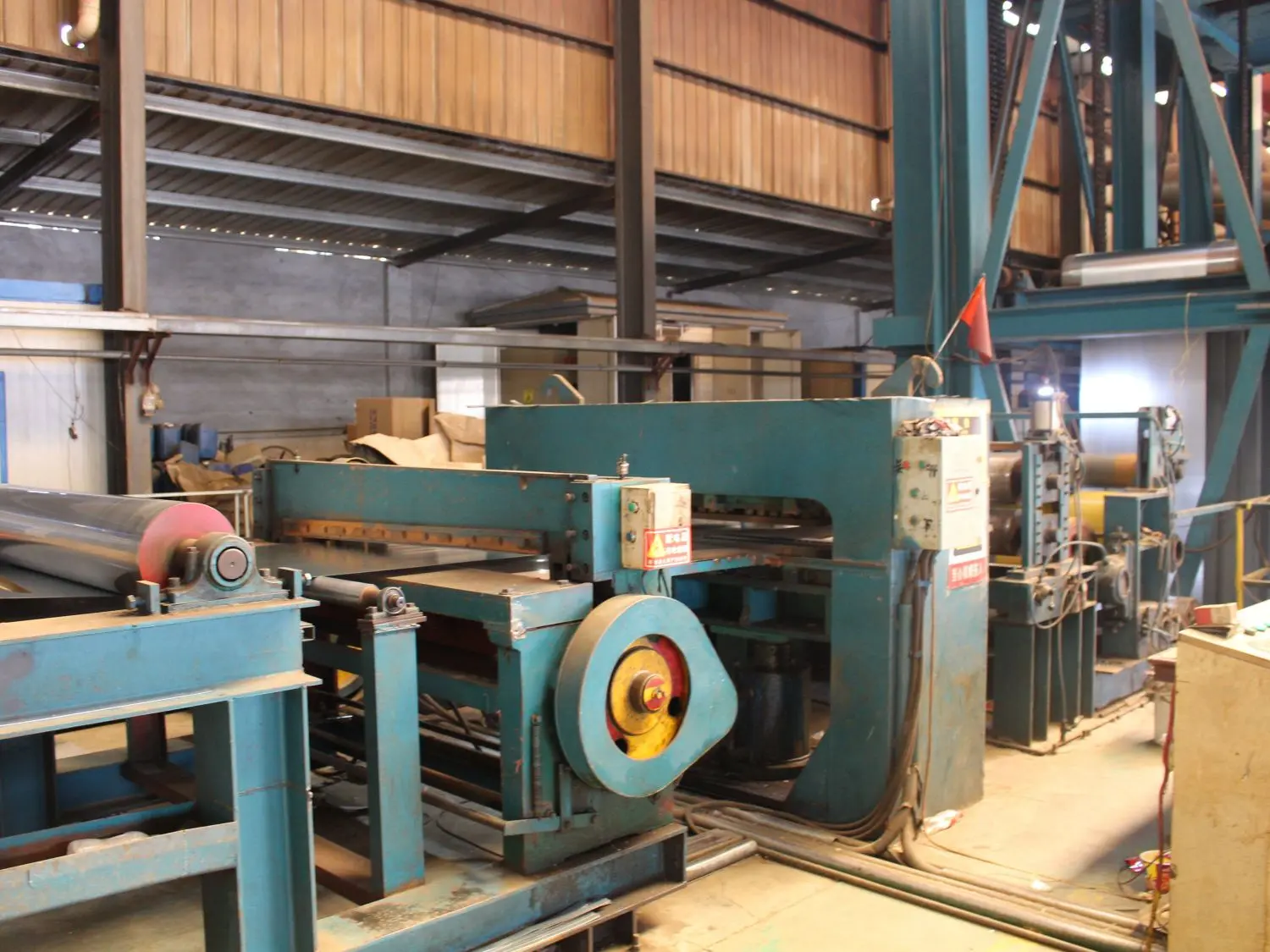
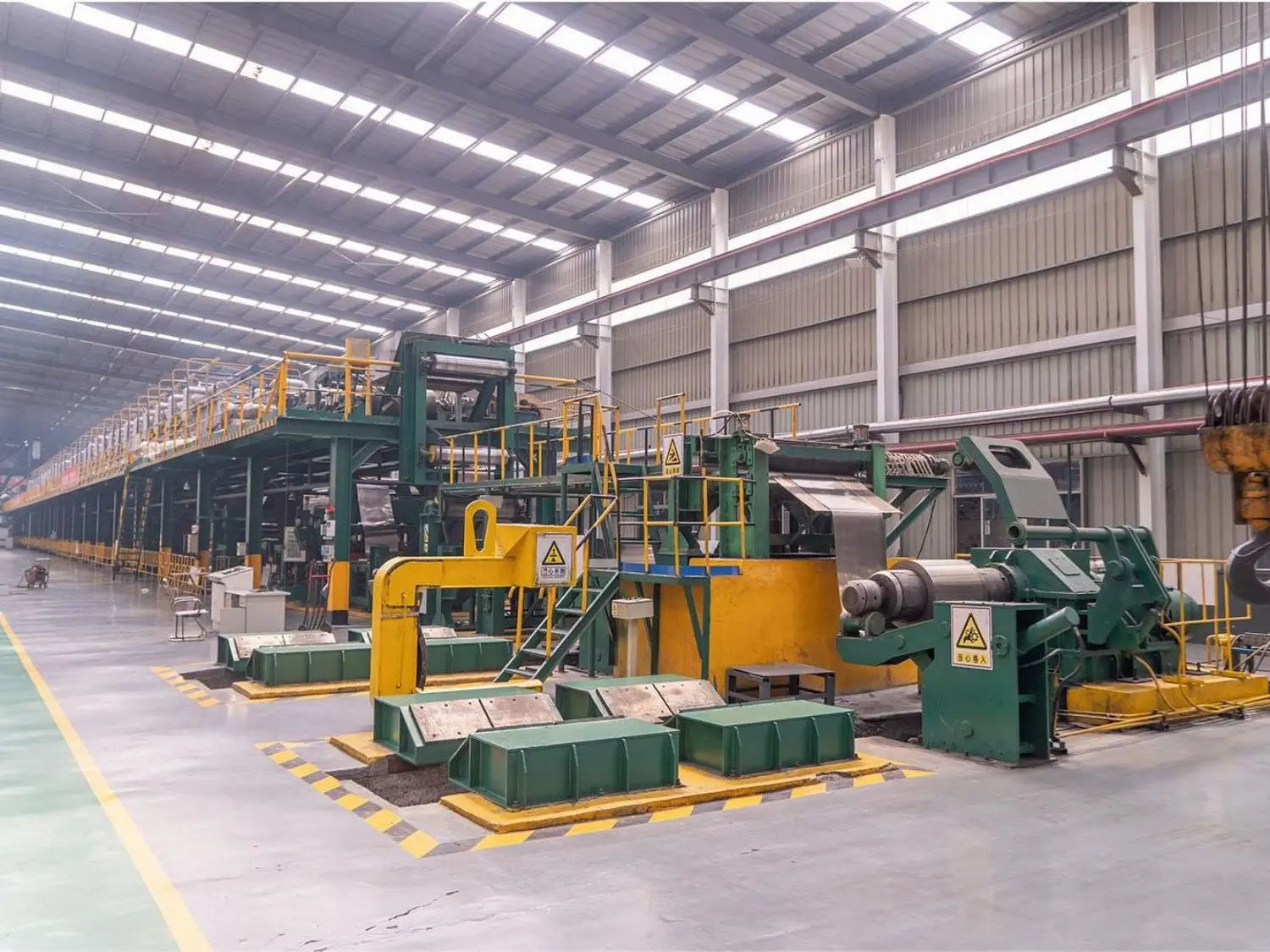
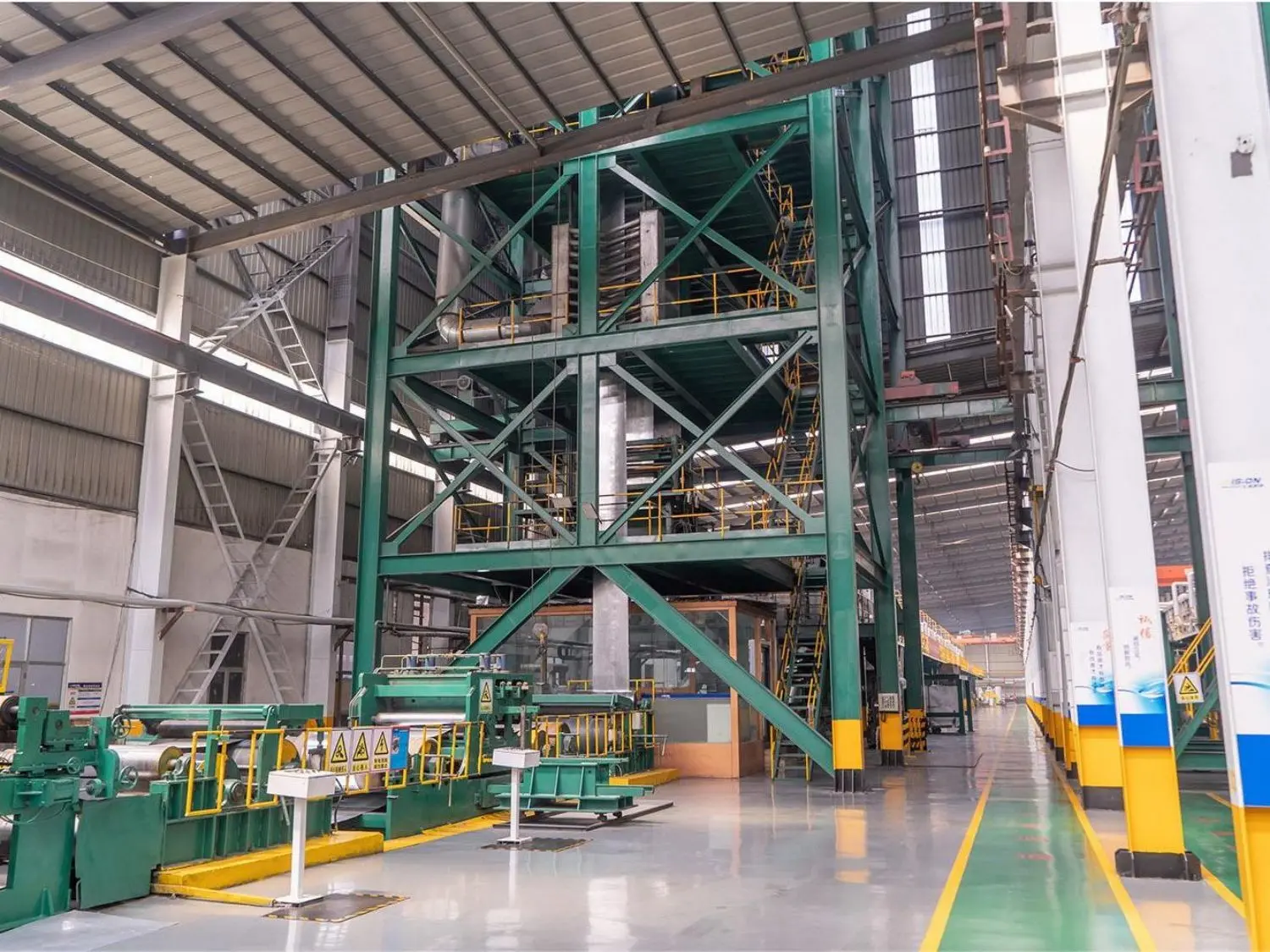
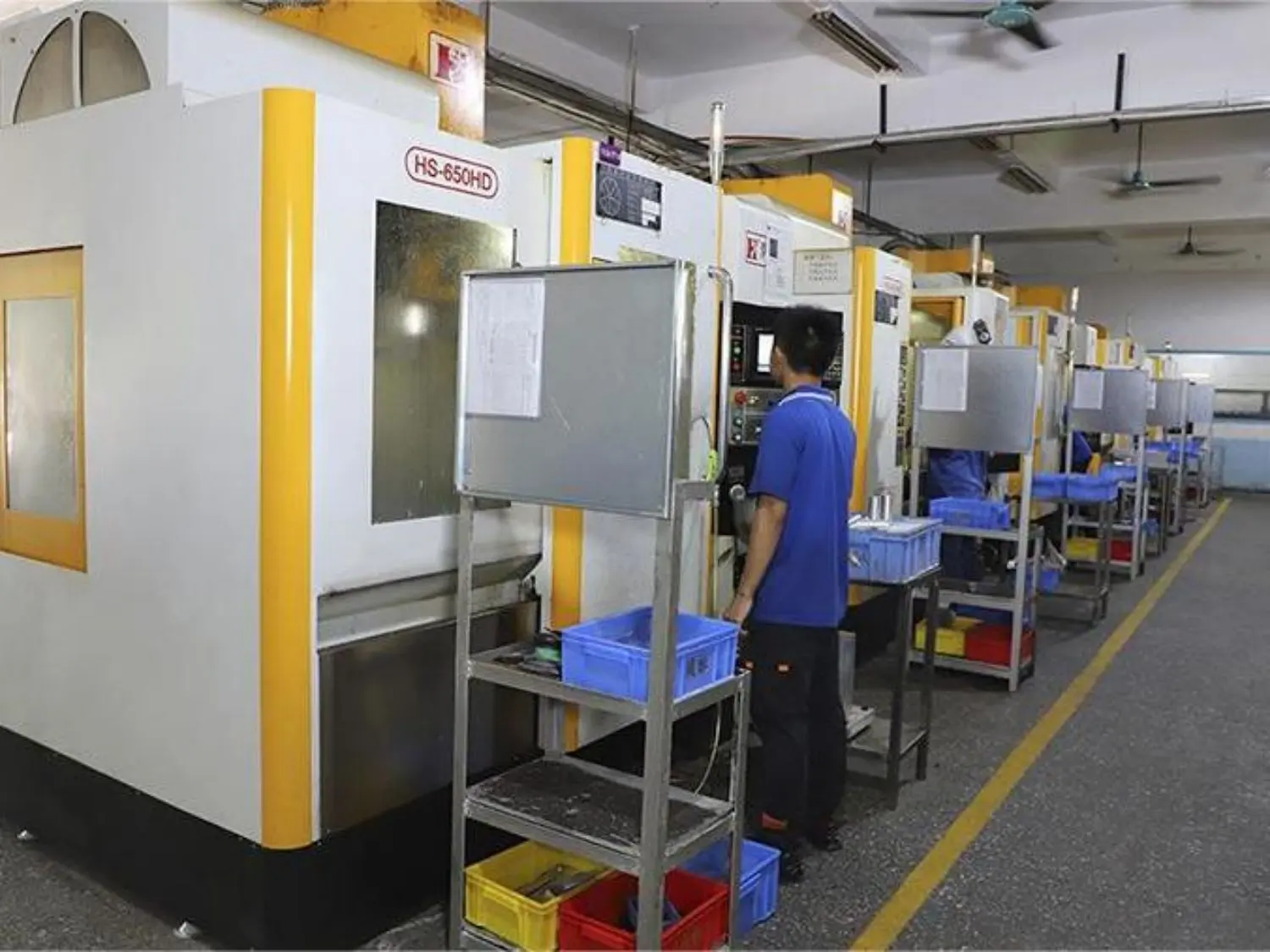
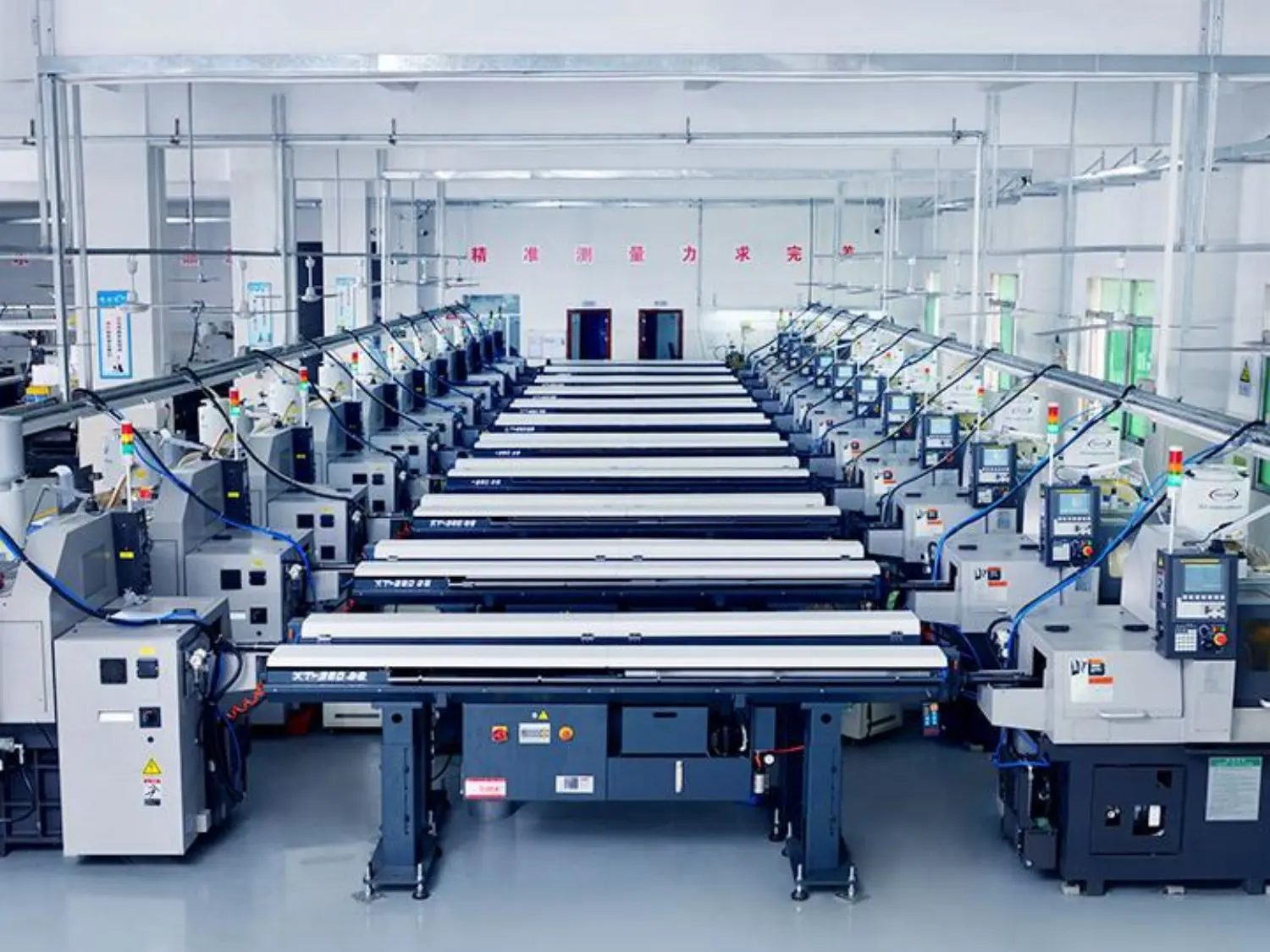
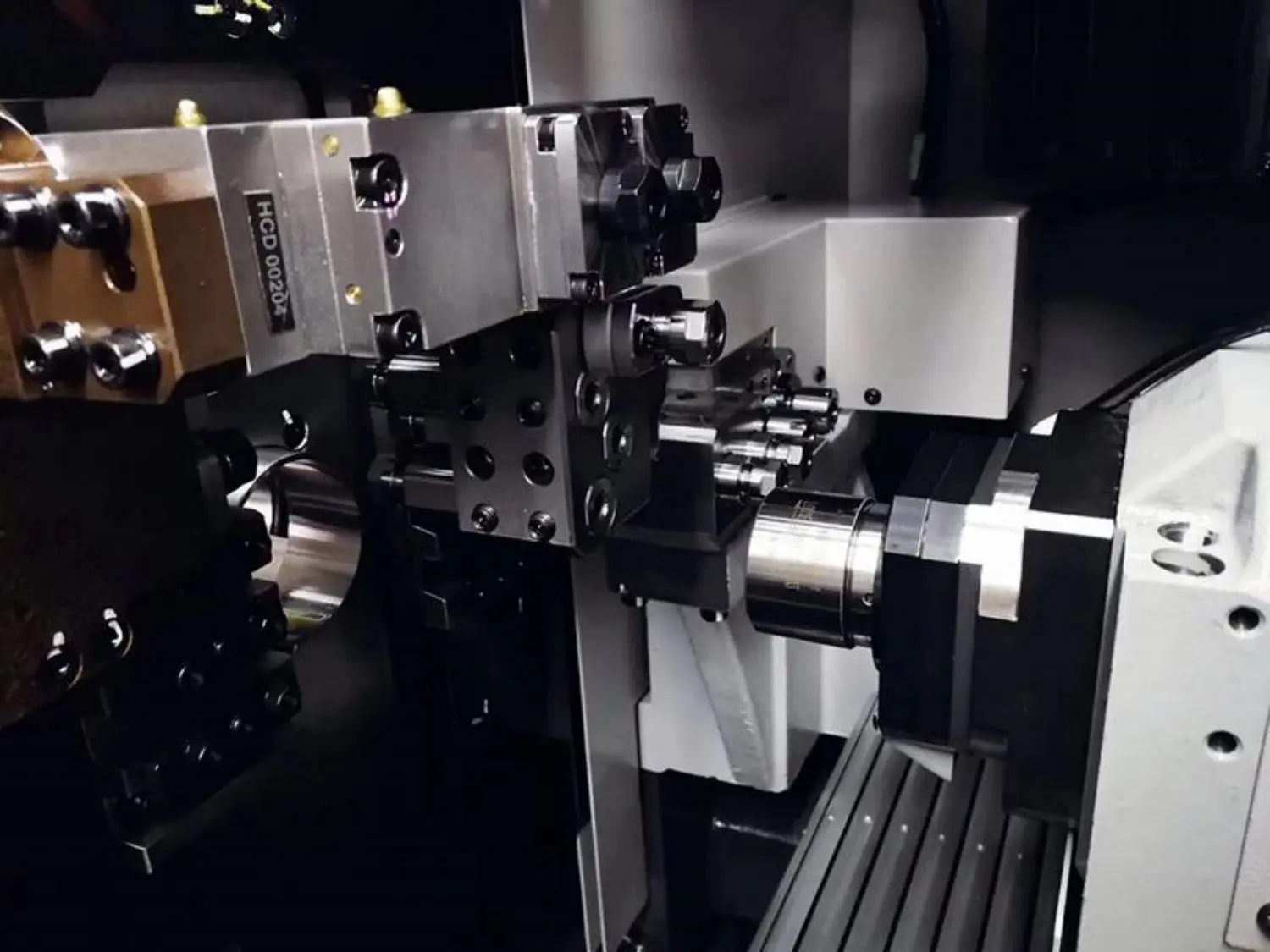
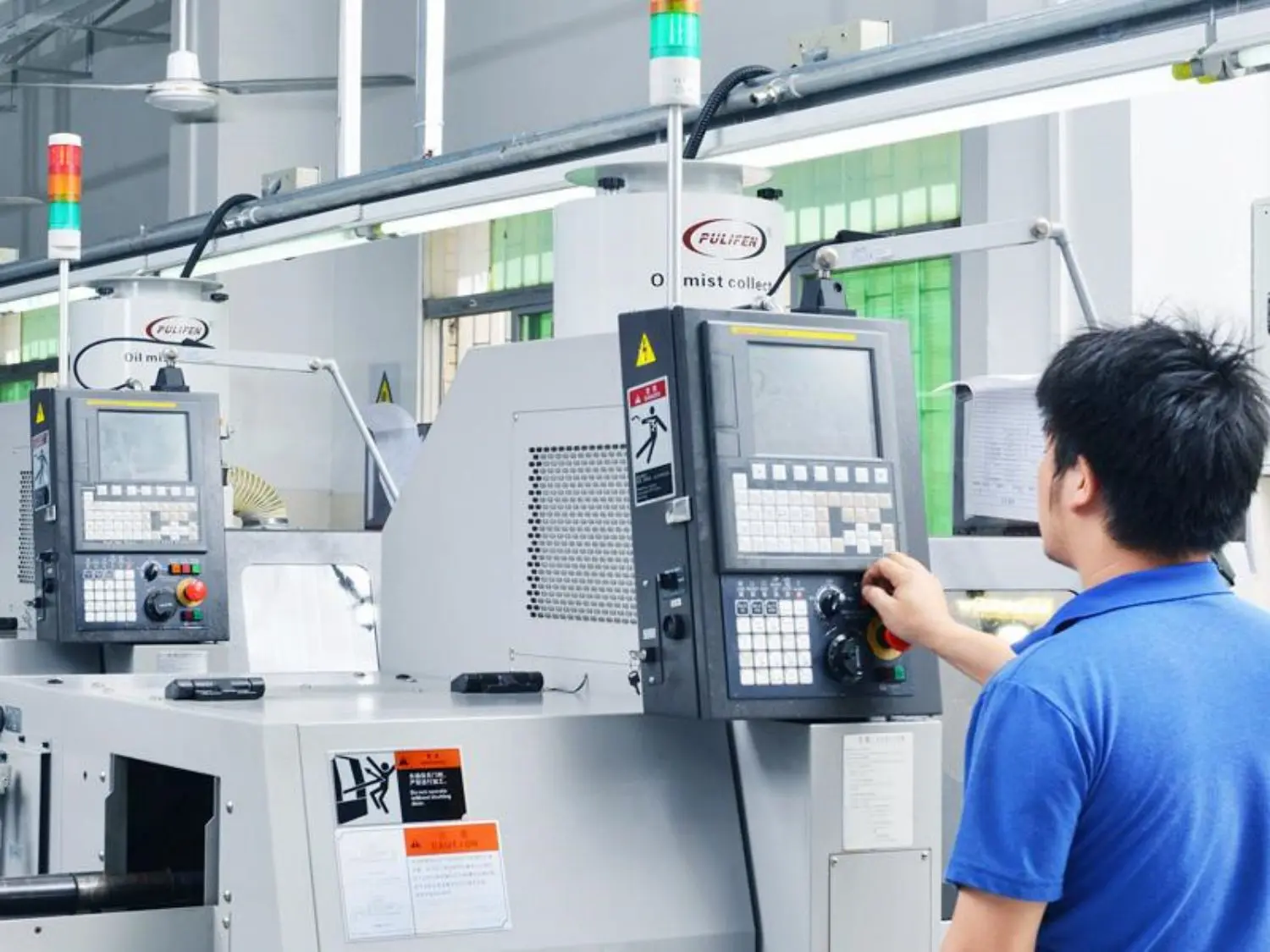
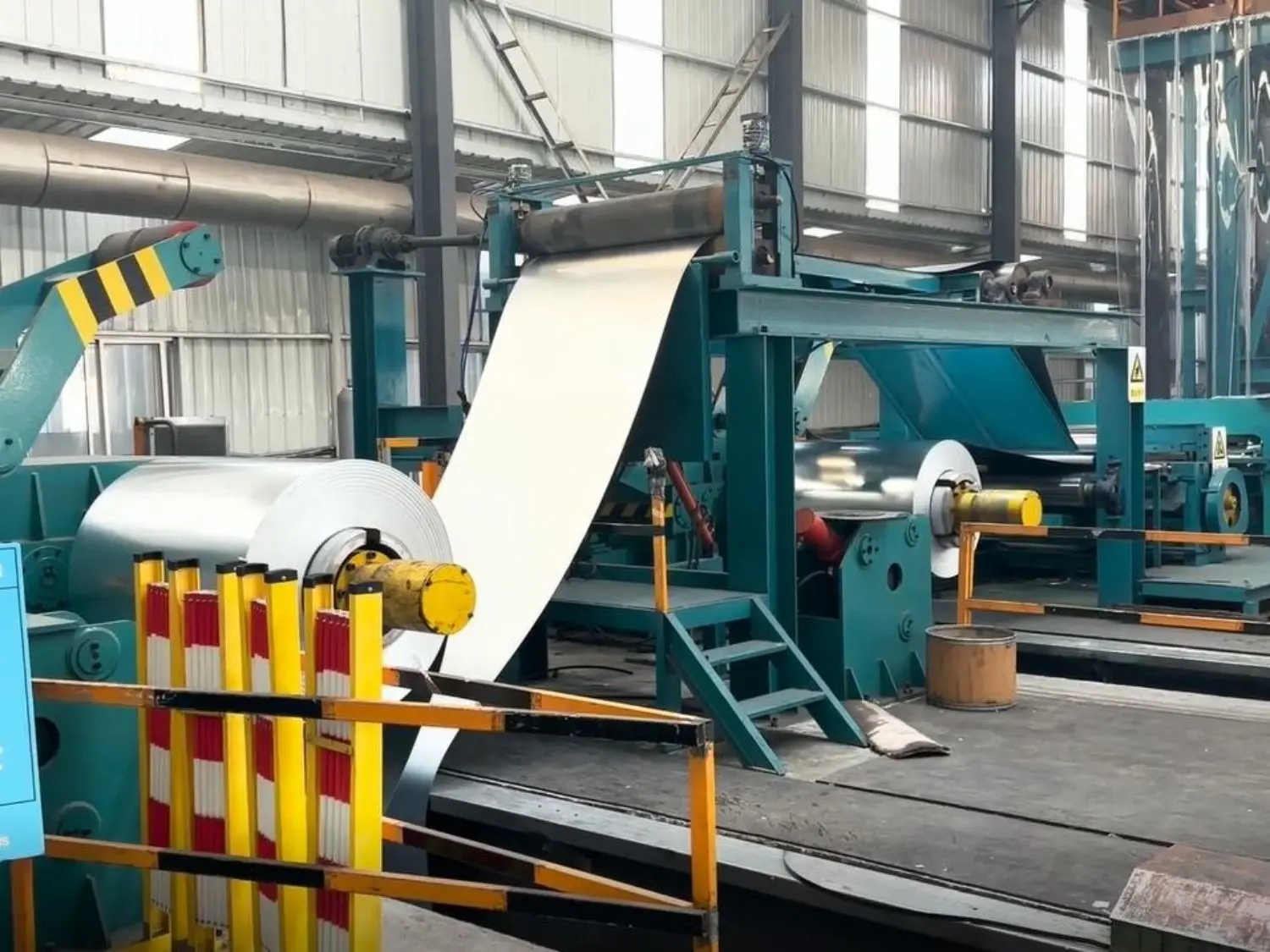
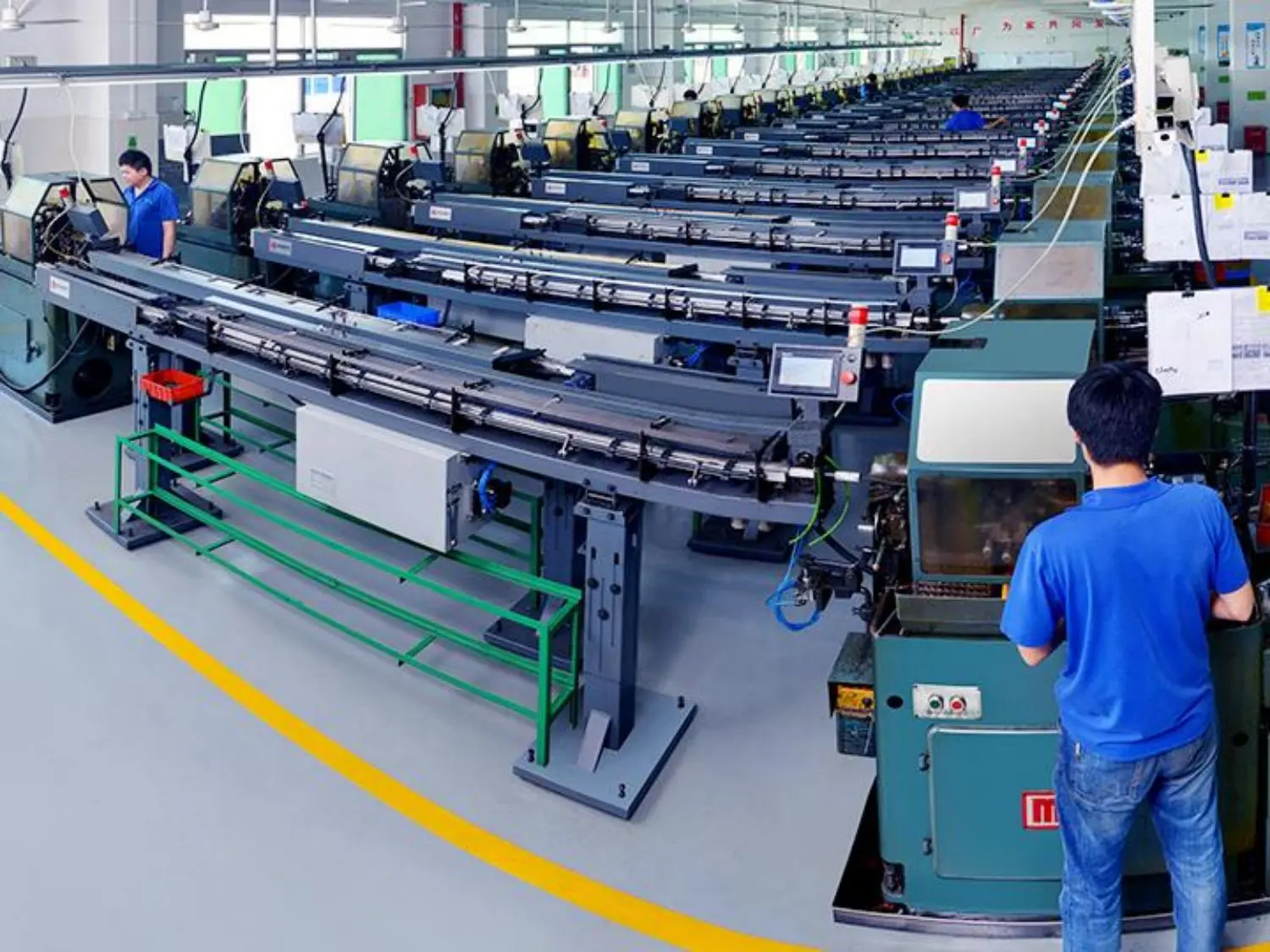
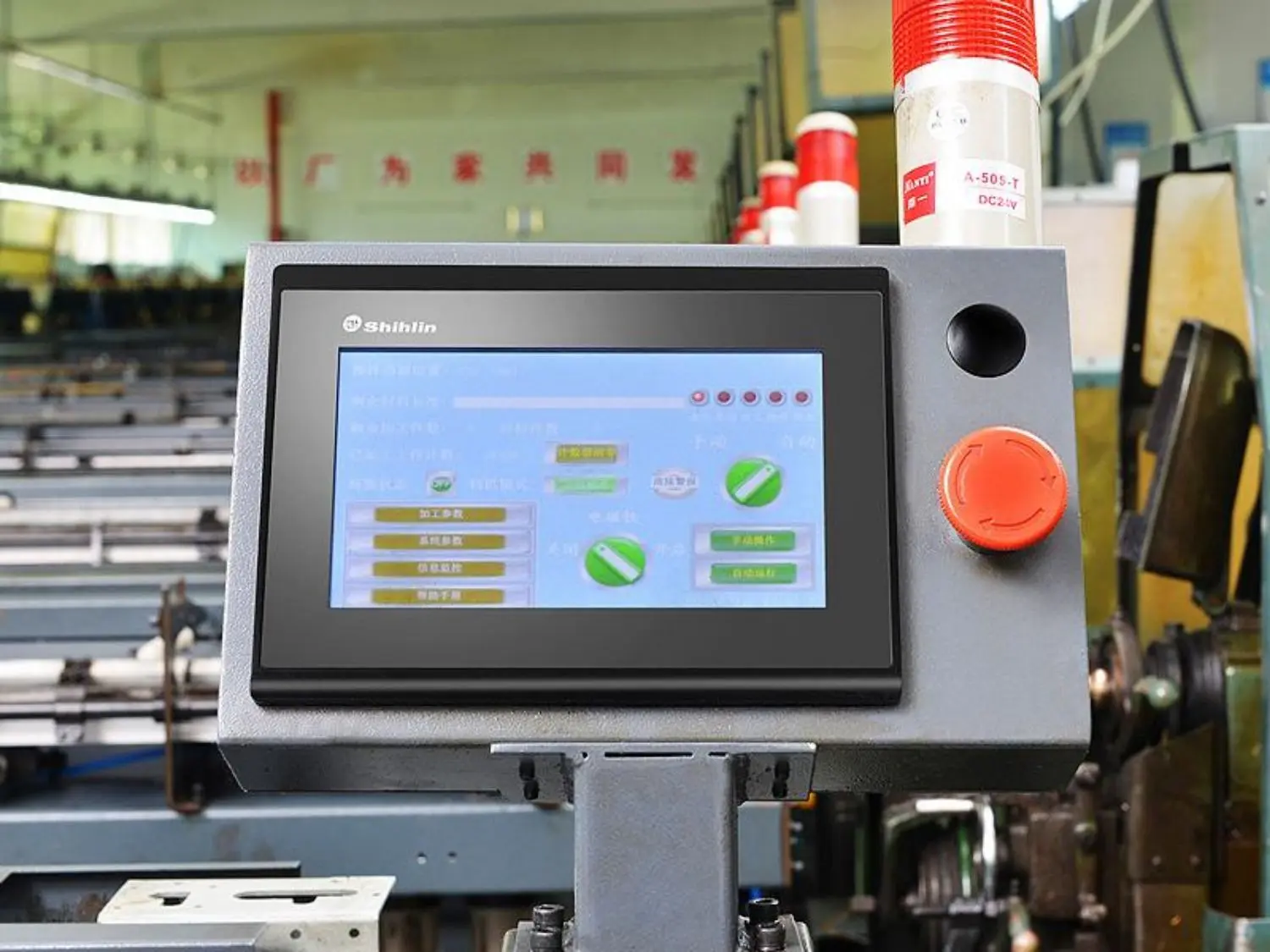
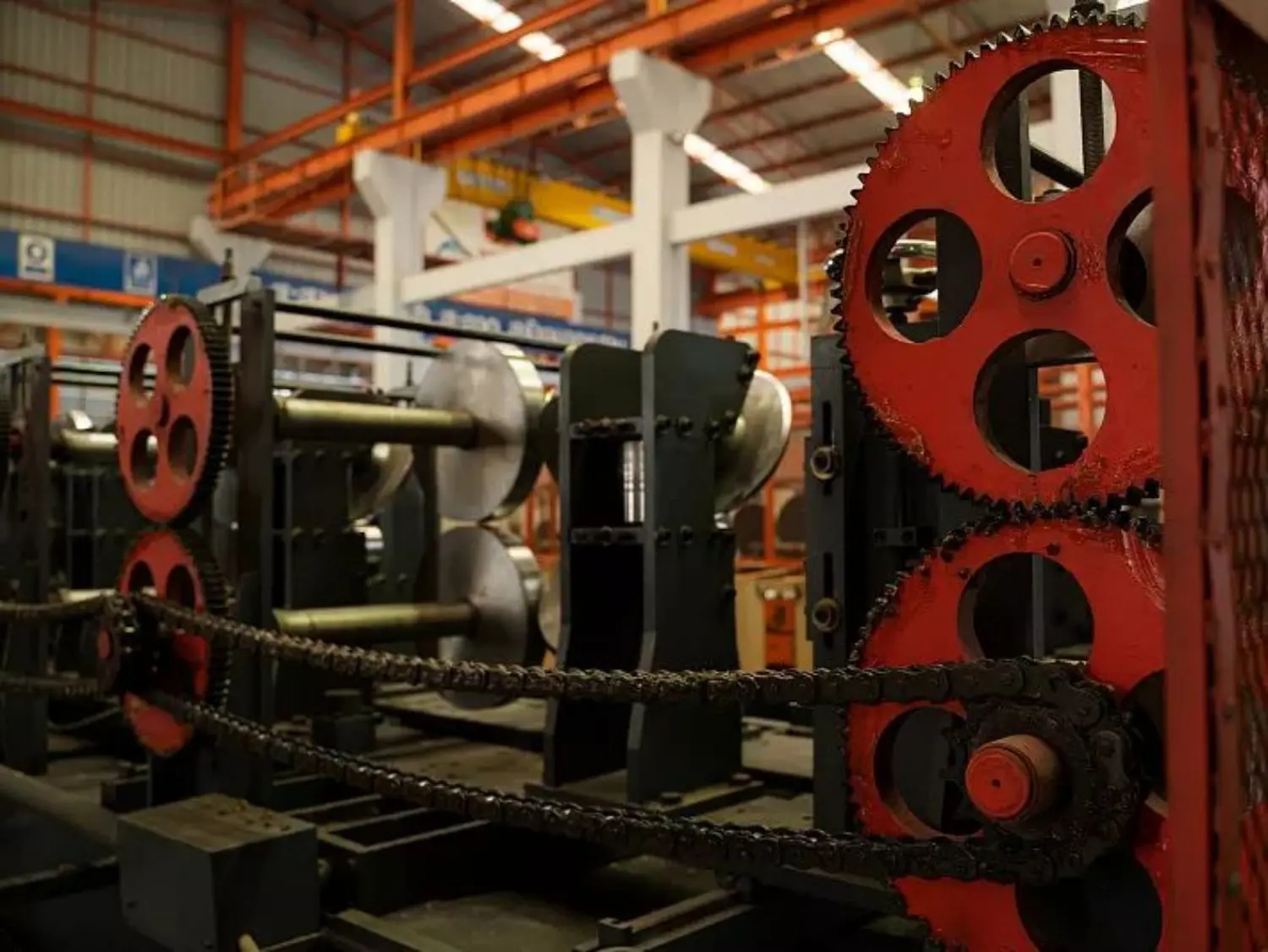
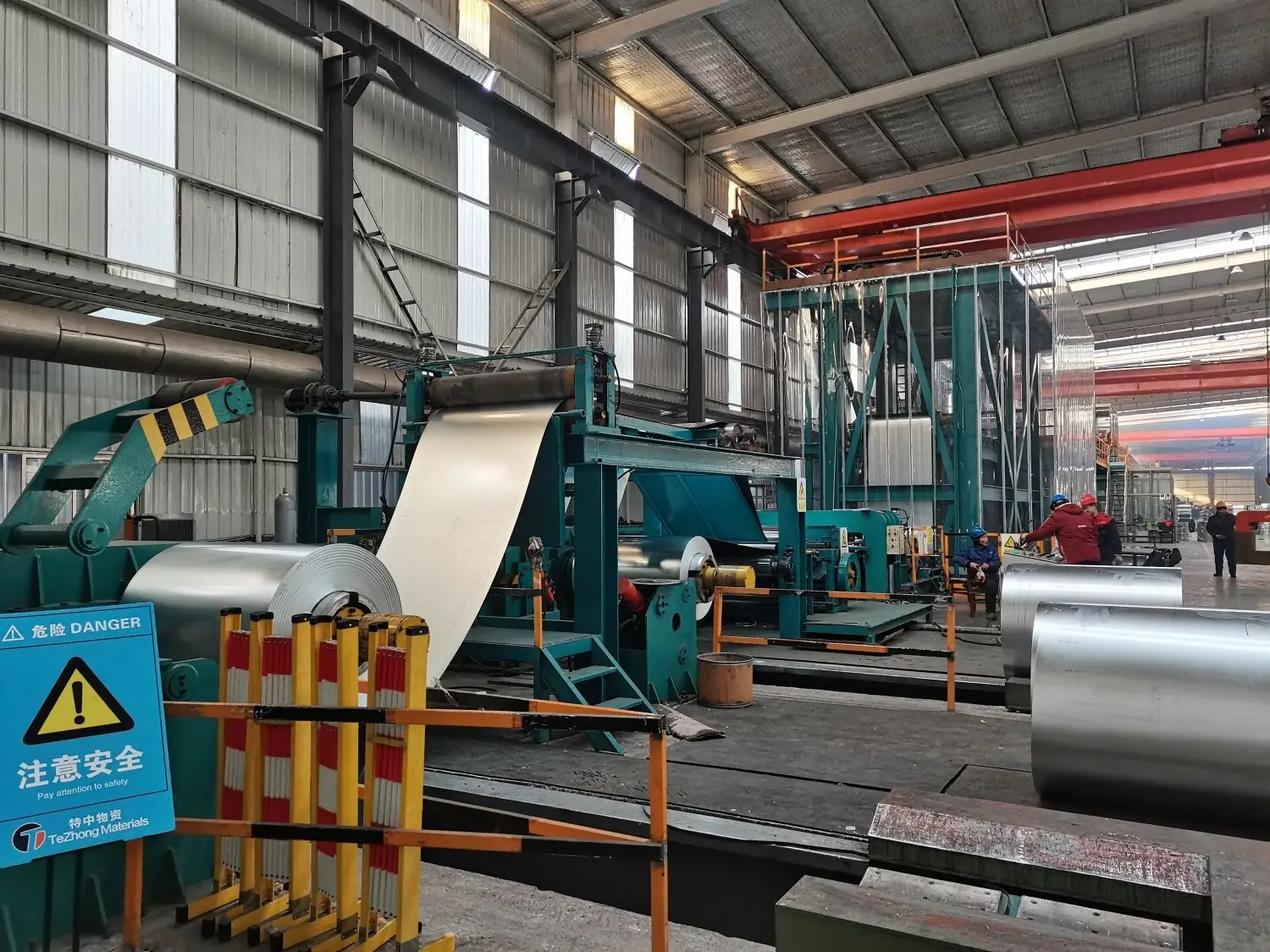
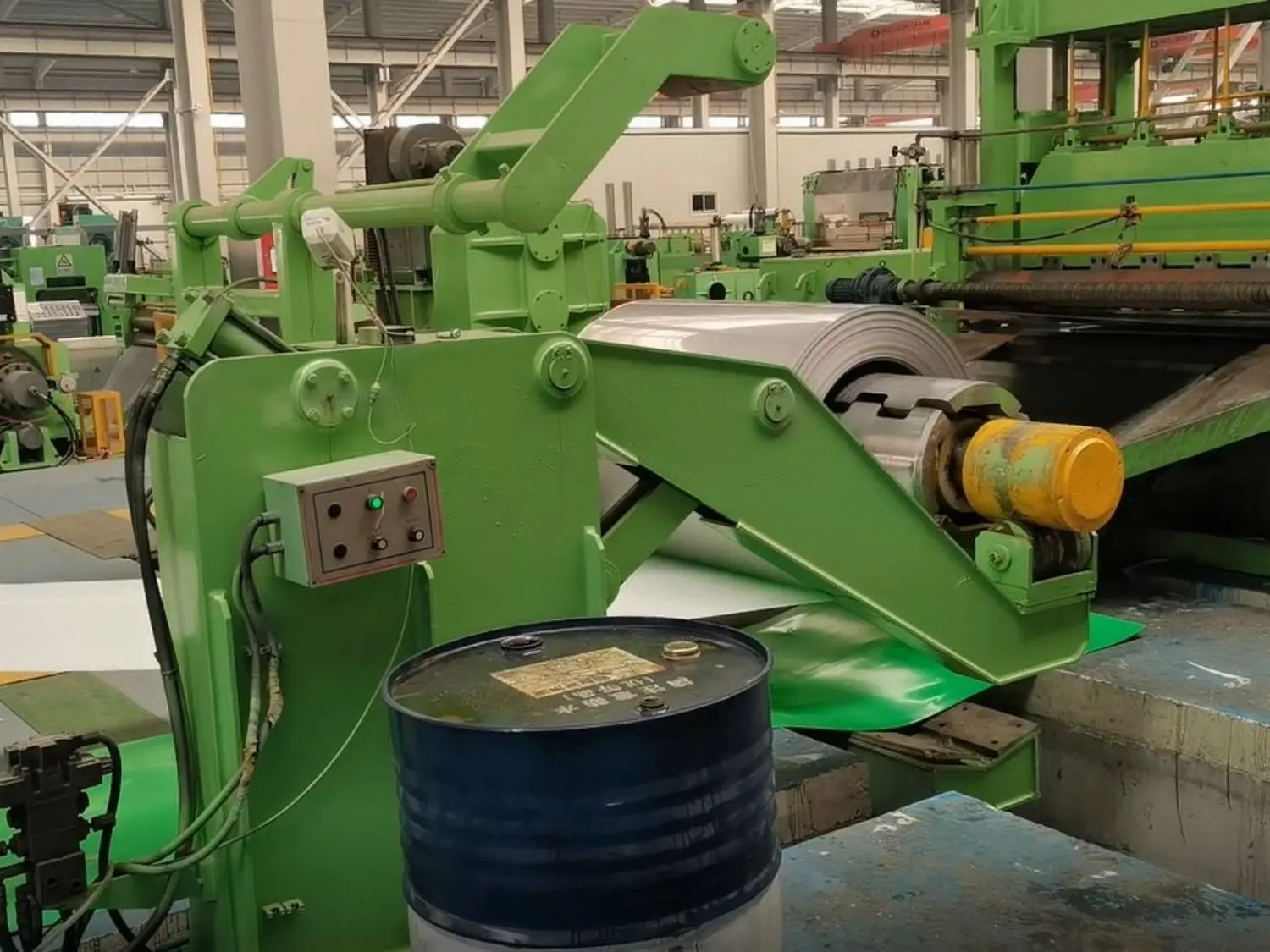
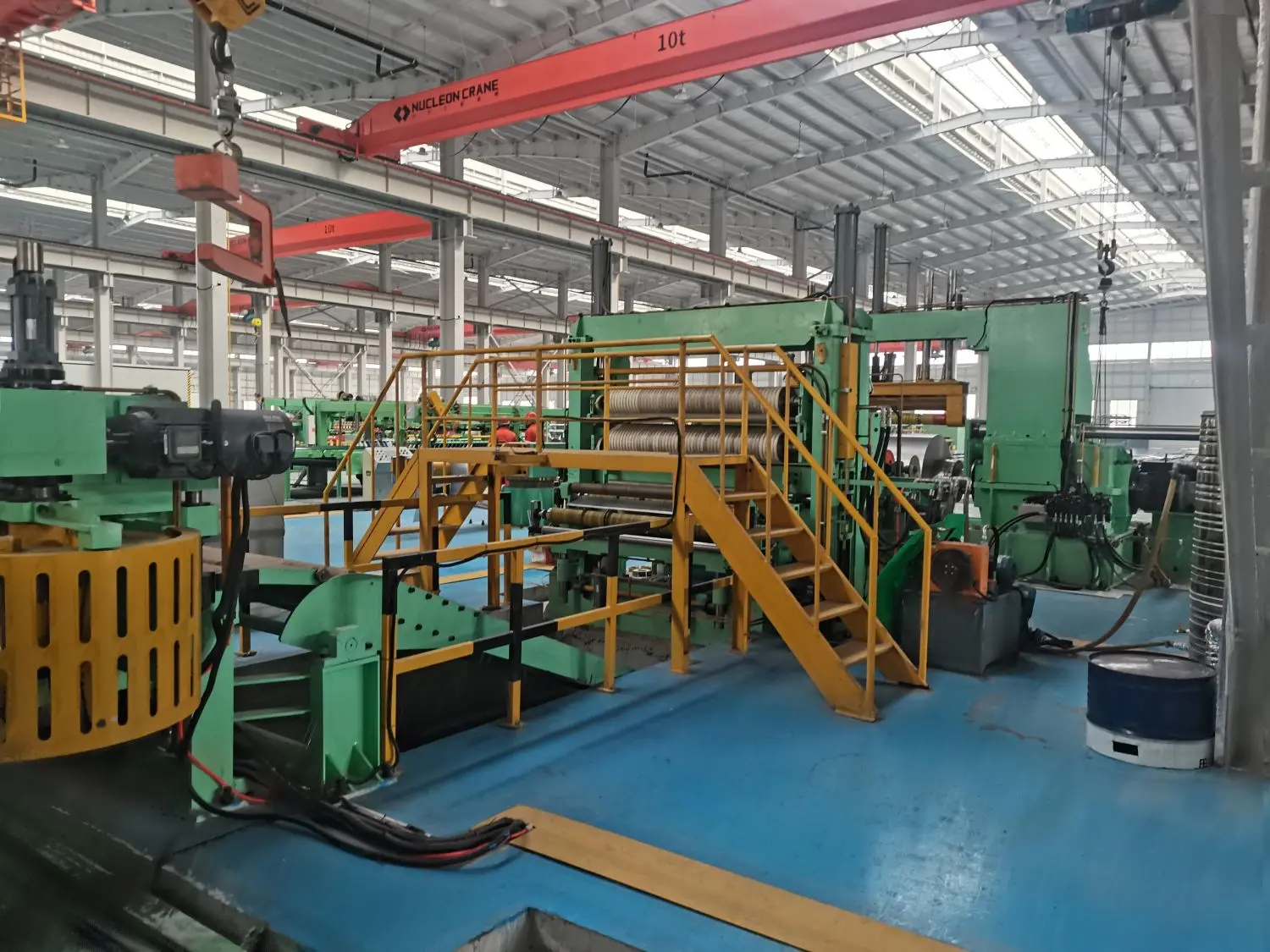
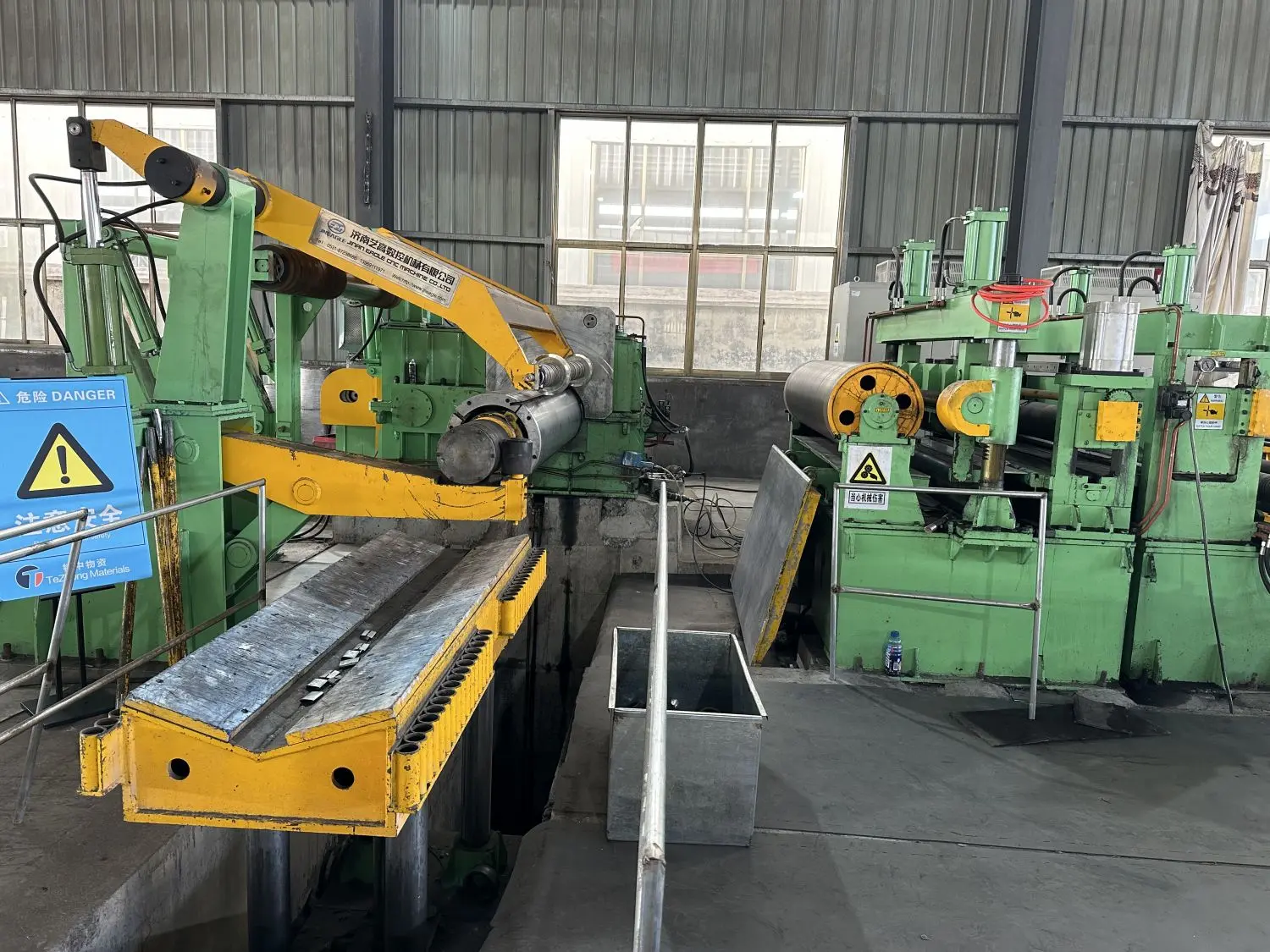
Highly Trained Metallurgists, Structural Engineers, and System Control Professionals
Our senior industry specialists provide strategic guidance for the company's metallurgical development and plant layouts, tailoring systems for varying input configurations.
Comprising metallurgical, mechanical, and electrical engineers who oversee production processes to ensure structural stability, low-vibration performance, and long machinery service lives.
Focusing on high-voltage electrostatic drum separation, multi-frequency mechanical screening, and dust filtration to constantly improve recovery yields and operational efficiency.
Executing systematic checks from raw structural steel analysis to component testing and mechanical trial runs, ensuring trouble-free commissioning at client facilities.
Next-Generation Upgrades, Optical Sorting Integration, and Closed-Loop Automation
As waste profiles grow more diverse, modern recovery lines are adapting to automate sorting tasks. Future-ready installations increasingly integrate optical and NIR (Near-Infrared) sorting arrays ahead of primary granulators. This configuration detects and removes rubber sheathing, chlorinated compounds, and foreign metallic contaminants like lead and aluminum, preventing downstream contamination of copper granules.
Additionally, modern PLC (Programmable Logic Controller) configurations feature integrated variable-frequency drives (VFD) that automatically adjust feed rates based on real-time granulator load. This setup prevents rotor stalling and motor burnouts, keeping power consumption balanced with feed rates.
Transitioning to digital interfaces enables predictive maintenance by monitoring bearing temperatures and blade wear via vibration sensors.
Additionally, modern structural alloys, such as wear-resistant stainless steel plates (SUS630 / 17-4PH) and hot-rolled carbon steel profiles, are key to preventing structural failures in crushing chambers. Shandong Tezhong Materials Co., Ltd. utilizes structural Finite Element Analysis to design heavy machine bases. Our frames damp high-frequency vibration, preventing mechanical micro-fractures and increasing continuous operational life cycles by up to 40% compared to standard mild steel assemblies.
Answers to Key Technical and Operational Inquiries for Global Industrial Buyers
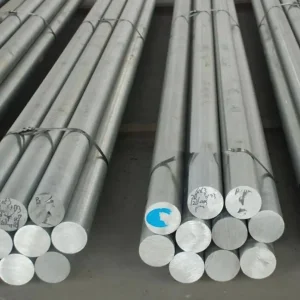
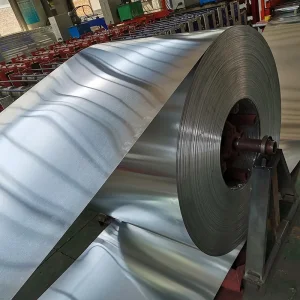
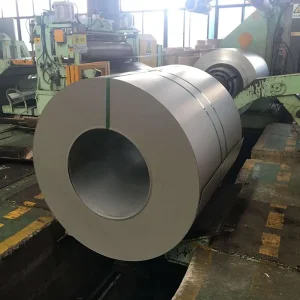
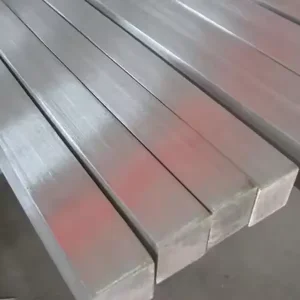
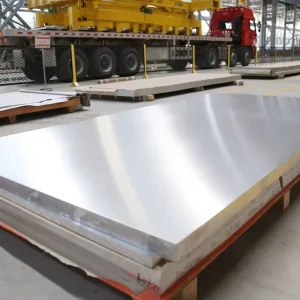
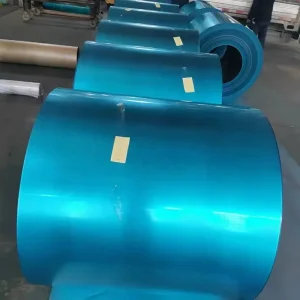
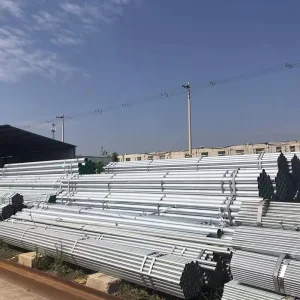
High-Specification Aluminum Alloys, Galvanized Steel Coils, and Wear-Resistant Machinery Plates

 Tezhong