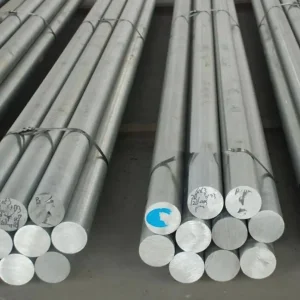
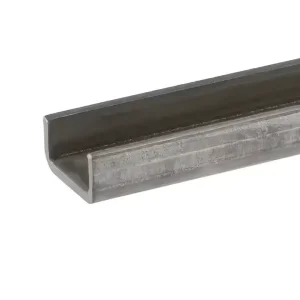
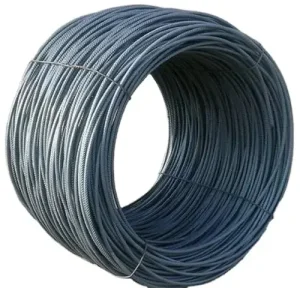
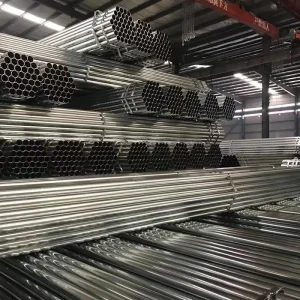
In the heavy electrical transmission field, specify "25 Mm Four Copper Wire" typically translates to a 25 mm² nominal cross-sectional area 4-core copper power cable (e.g., 0.6/1kV rated). These conductors are the structural backbone for secondary power distribution systems, dynamic motor feeding, and heavy-duty grid branches.
A standard 25 mm² 4-core copper cable features four distinct electrical paths wrapped inside a single, highly durable protective outer sheath. Let's dissect the physical layers engineered by tier-one factories in China:
Utilizing Oxygen-Free (OFC) or Electrolytic Tough Pitch (ETP) copper with >99.95% electrical conductivity. Standard Class 2 stranded wire conforms to IEC 60228 for optimal flexibility and skin-effect mitigation.
Cross-linked Polyethylene (XLPE) or Polyvinyl Chloride (PVC). XLPE stands out for its high thermal rating (90°C continuous operation, 250°C short-circuit limits) compared to PVC (70°C limits).
4 cores (Red, Yellow, Blue, Green/Yellow, or Black/Brown/Grey/Blue depending on geographic standard). Ideal for 3-phase systems with dedicated neutral or earth paths.
Navigating the bulk import market requires understanding how Chinese cable factories price their products. The total price is a mathematical sum of volatile commodities, localized polymer processing, and manufacturing scale efficiency.
| Cost Component | Typical Share (%) | Influencing Market Factors | Cost Strategy for Buyers |
|---|---|---|---|
| LME/SHFE Cathode Copper Spot Price | 70% - 80% | Global macroeconomic demand, London Metal Exchange indices, mining outputs. | Utilize forward-hedging or lock-in copper prices when commodity indicators cycle down. |
| Insulation & Sheathing (XLPE/PVC/LSZH) | 10% - 15% | Crude oil indexes, chemical polymer supply chains, flame-retardant additive costs. | Specify XLPE for outdoor/high-heat setups; choose LSZH for high-density public facilities. |
| Manufacturing Toll Fee (Processing Cost) | 5% - 10% | Factory energy overhead, automation machinery depreciation, labor cost. | Mitigated by choosing highly automated gigafactories in major industrial zones. |
| Export Packaging & Logistical Handling | 3% - 5% | Non-returnable steel/wooden cable reels, fumigation certification, inland logistics. | Optimize container configuration to fit maximum reel weight and volume limits. |
Advanced Chinese cable factories charge a "processing fee" over the raw copper weight. In high-efficiency industrial areas, this margin is kept thin due to gigawatt-scale outputs. When comparing quotes, ensure you request the raw material commodity price base and the machining tolling fee separately for complete transparent cost tracking.
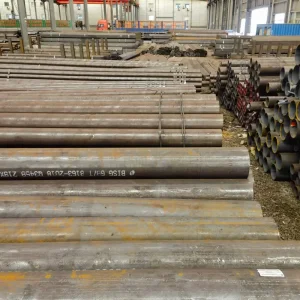
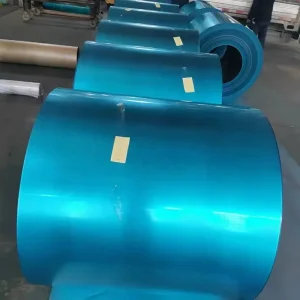
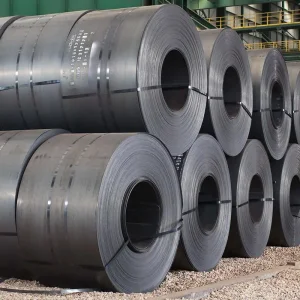
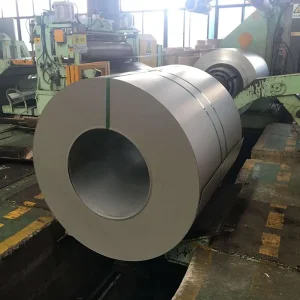
The production of multi-core industrial cables relies heavily on primary metal availability and robust logistics. As a primary supply chain driver in the metals sector, Shandong Tezhong Materials Co., Ltd. exemplifies the scaling and processing integration needed for modern infrastructure projects.
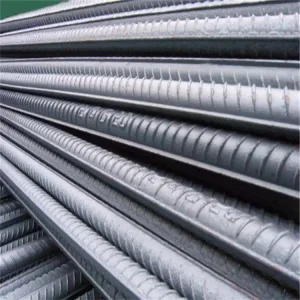
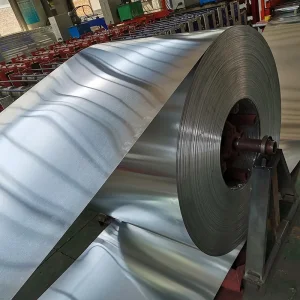
Registered at 100 million yuan, our enterprise covers 15,000 square meters, employing more than 900 workers. Our core capabilities span coking, sintering, smelting, and rolling. This vertical control ensures that the metallic structural elements and conductive feedstocks used in electrical grid systems meet strict mechanical and chemical standards. This raw material consistency directly supports downstream factories producing high-grade 25 mm² 4-core copper cables.
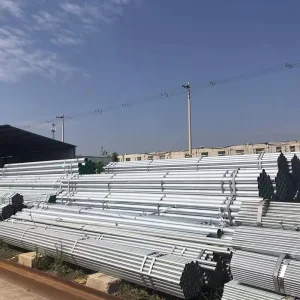
Independent cable manufacturers often face raw material bottlenecks, leading to long lead times. By partnering with vertically integrated metal suppliers like Shandong Tezhong Materials, production facilities can source continuous cast copper rods and armor steel wires without typical supply chain delays. Our major logistics hubs in Tianjin, Wuxi, Binzhou, and Liaocheng maintain rolling inventories year-round to support international shipments.
A 25 mm² copper cable is optimized for mid-to-high capacity circuits, balancing current carrying capacity and structural flexibility.
Powers heavy plant machinery, automated injection molders, CNC arrays, and high-frequency induction furnaces. Features excellent short-circuit resistance and steady thermal handling.
Powers central HVAC systems, commercial shopping malls, high-rise elevator banks, and backup generator transfer switches. Reduces line losses over long cable runs.
Serves as the main collector link in solar photovoltaic farms (linking inverter banks to step-up transformers) and wind turbine tower drops where continuous twisting and vibration resistance are critical.
With Steel Wire Armoring (SWA), these cables withstand high mechanical impact, pulling tension, and chemical exposure in mines and shipyards.
The global cable industry is moving towards higher energy efficiency, circular materials, and smarter performance diagnostics. Chinese factories are at the forefront of this shift, adopting cleaner refining processes and smarter designs.
Modern cable factories have transitioned from batch wire drawing to inline Southwire Continuous Rod (SCR) casting and rolling mills. This process minimizes oxygen inclusion (below 10 ppm), resulting in a highly ductile wire that resists micro-cracking and maintains lower resistance over time.
Major steel and copper producers, including Shandong Tezhong Materials Co., Ltd., are working to lower their carbon footprint. Key efforts include using recycled high-purity scrap metals, optimizing induction heating, and sourcing eco-friendly insulation polymers (like bio-based XLPE or fully recyclable thermoplastic elastomers).
Safety and performance in high-voltage grids require strict adherence to international electrical standards. To ensure safety, Shandong Tezhong and partner plants perform regular testing of metal chemical composition and mechanical strength.
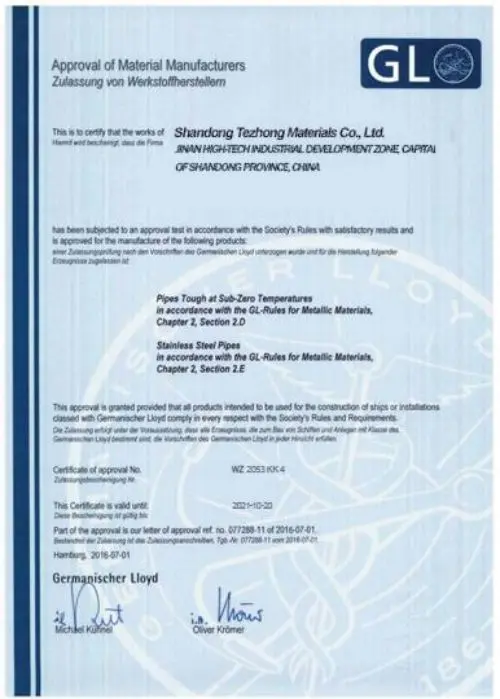
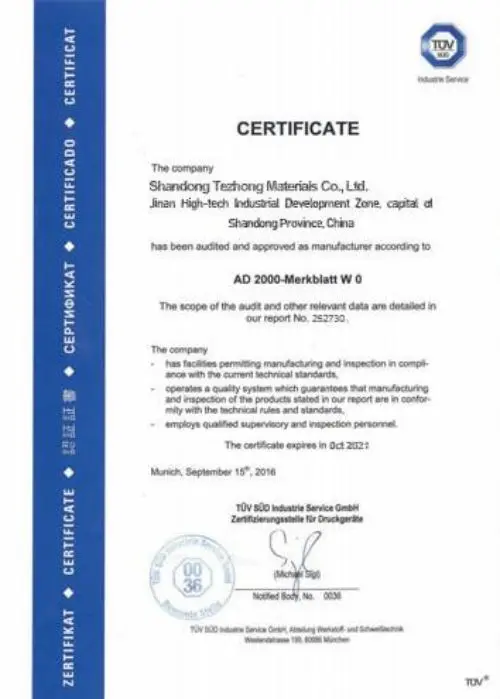
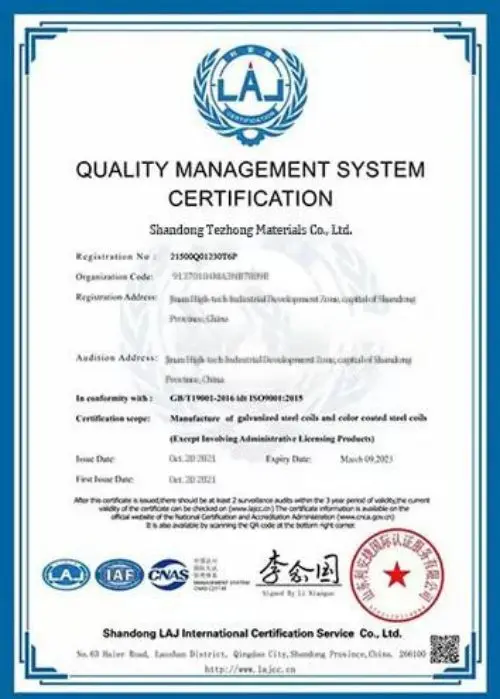
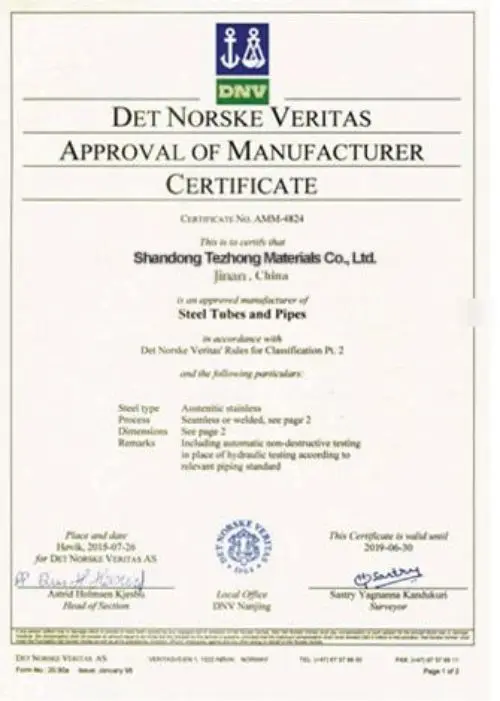
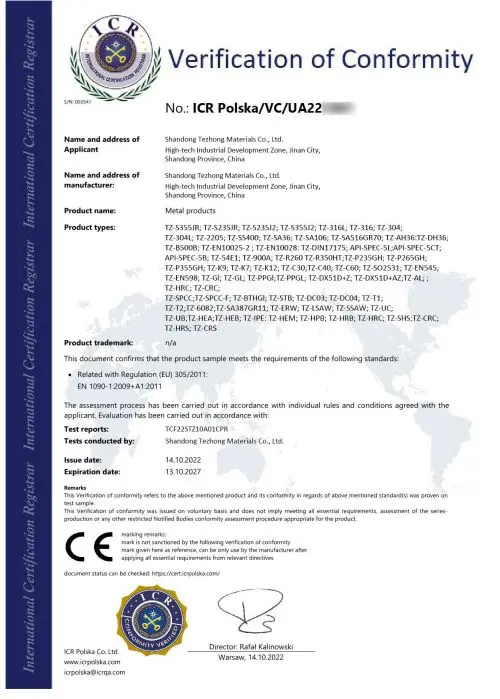
Before leaving the factory, every batch of 25 mm² four-core copper cable undergoes critical electrical and physical inspections:
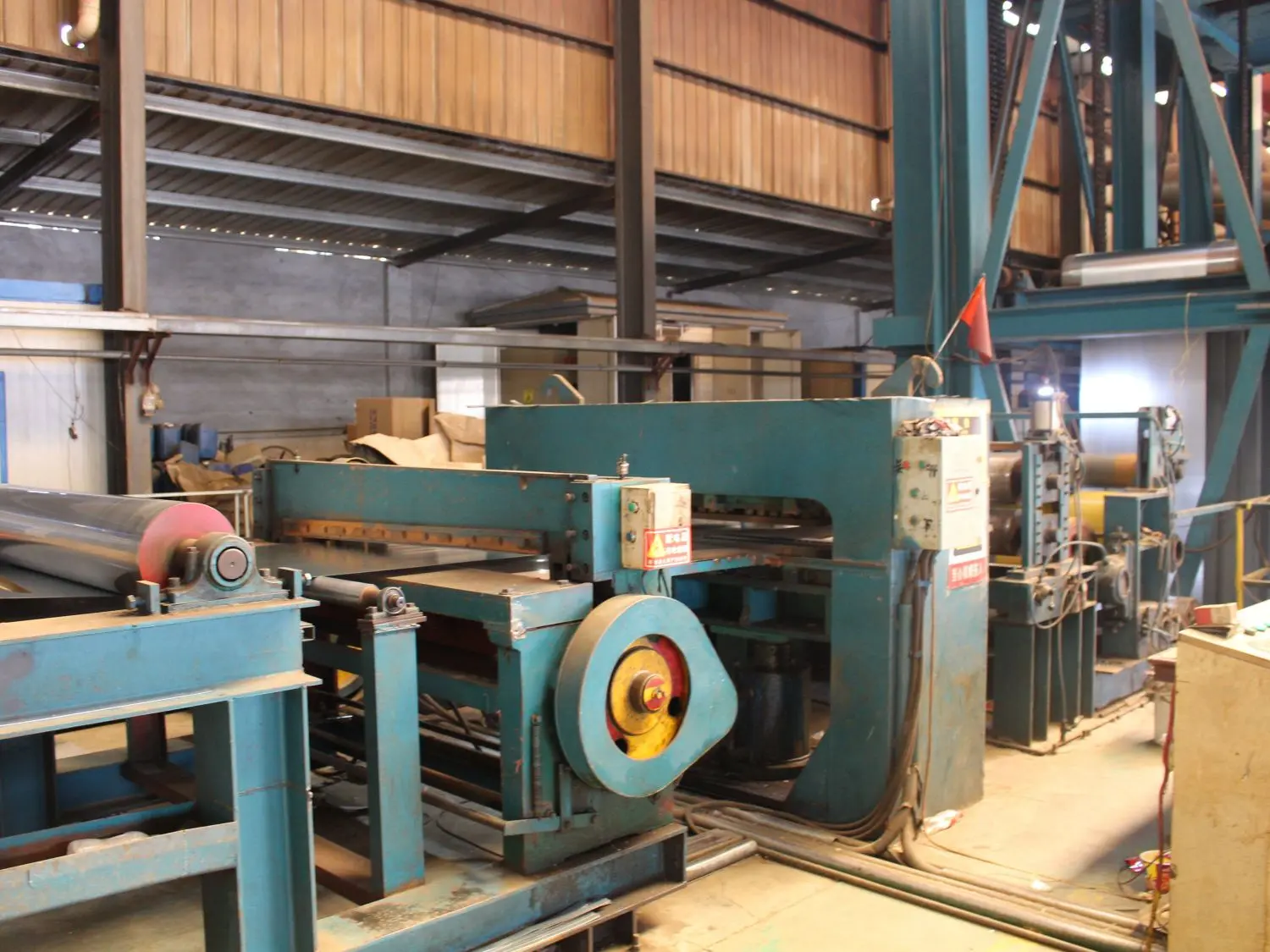
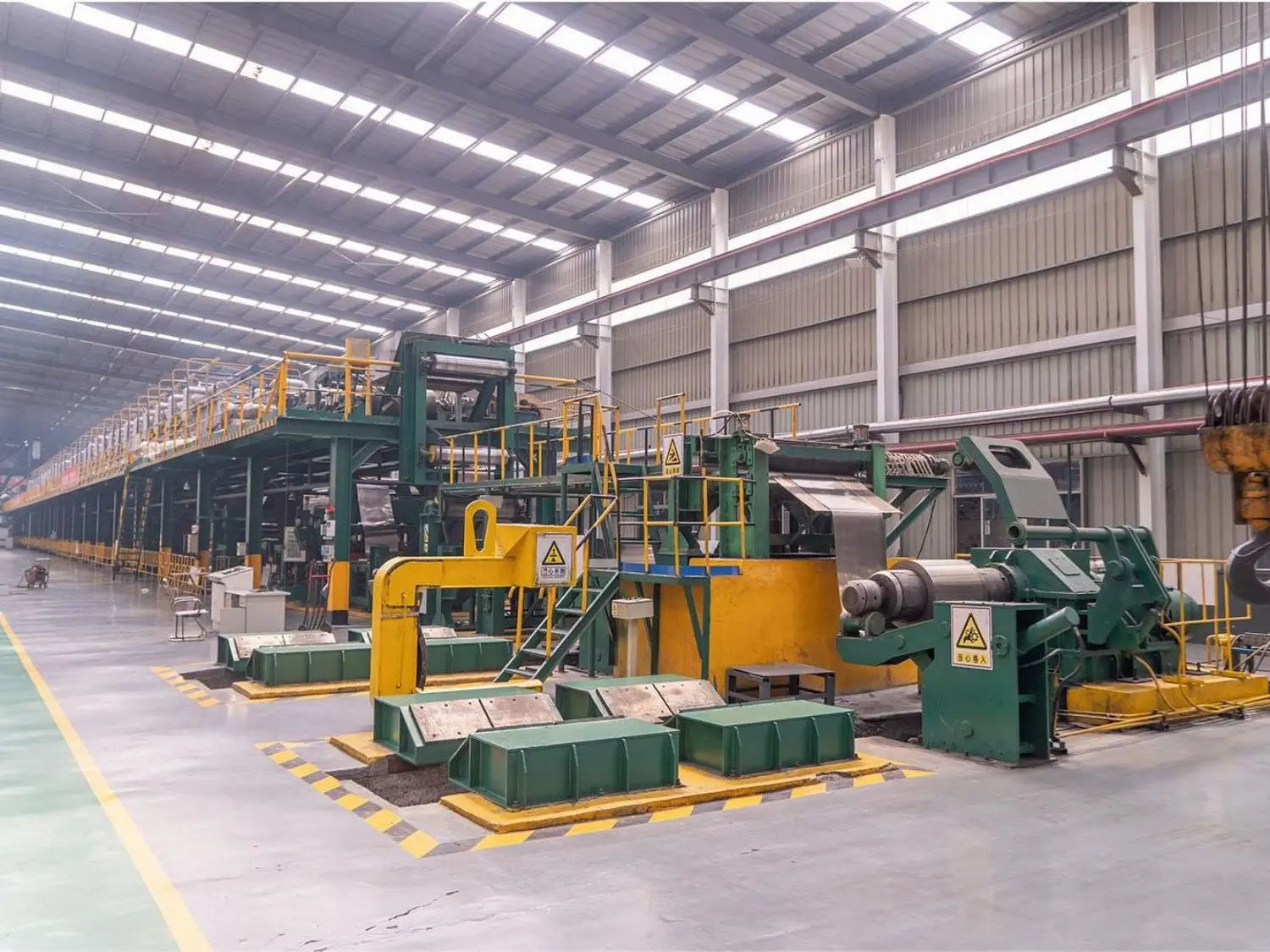
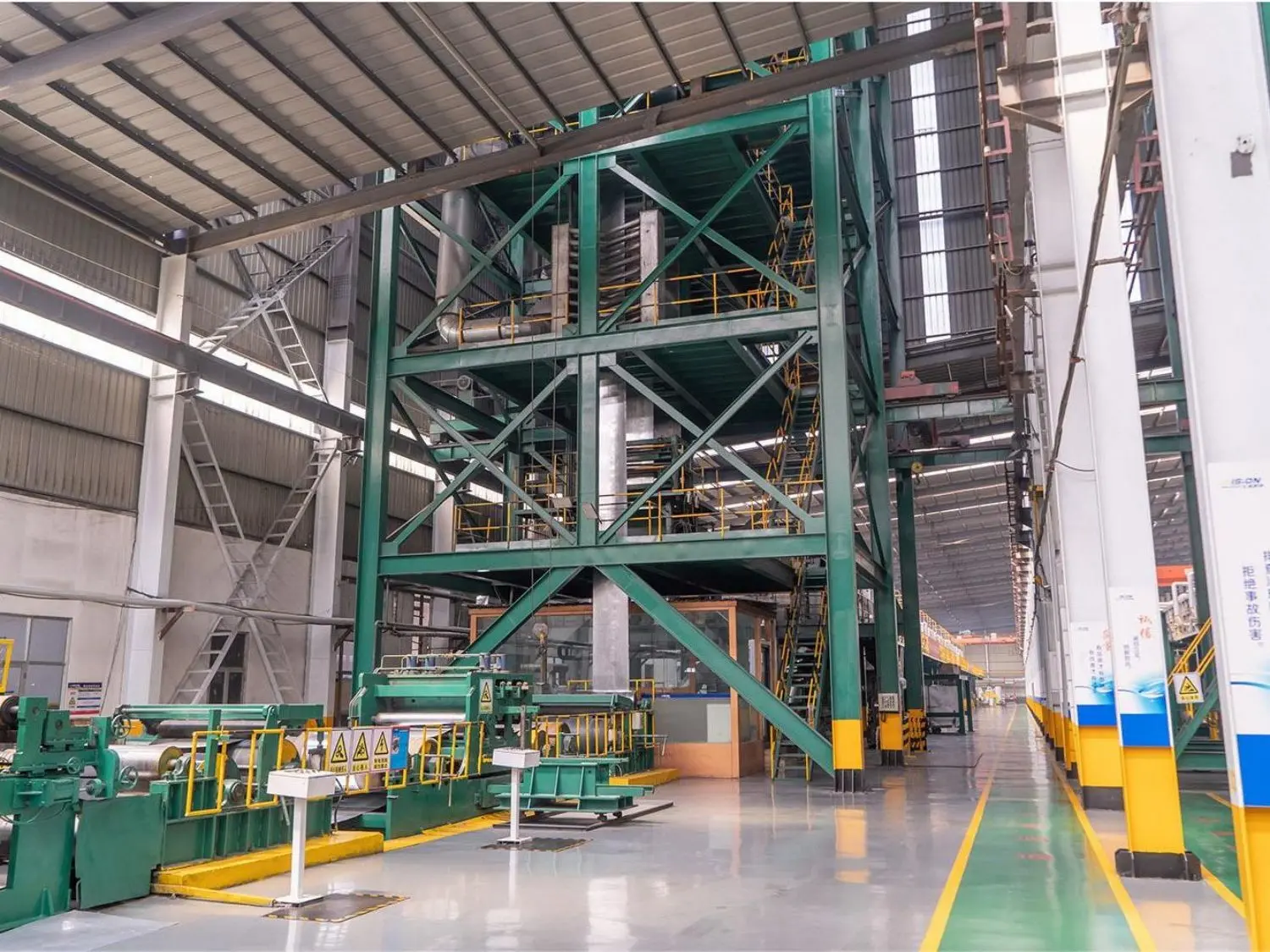
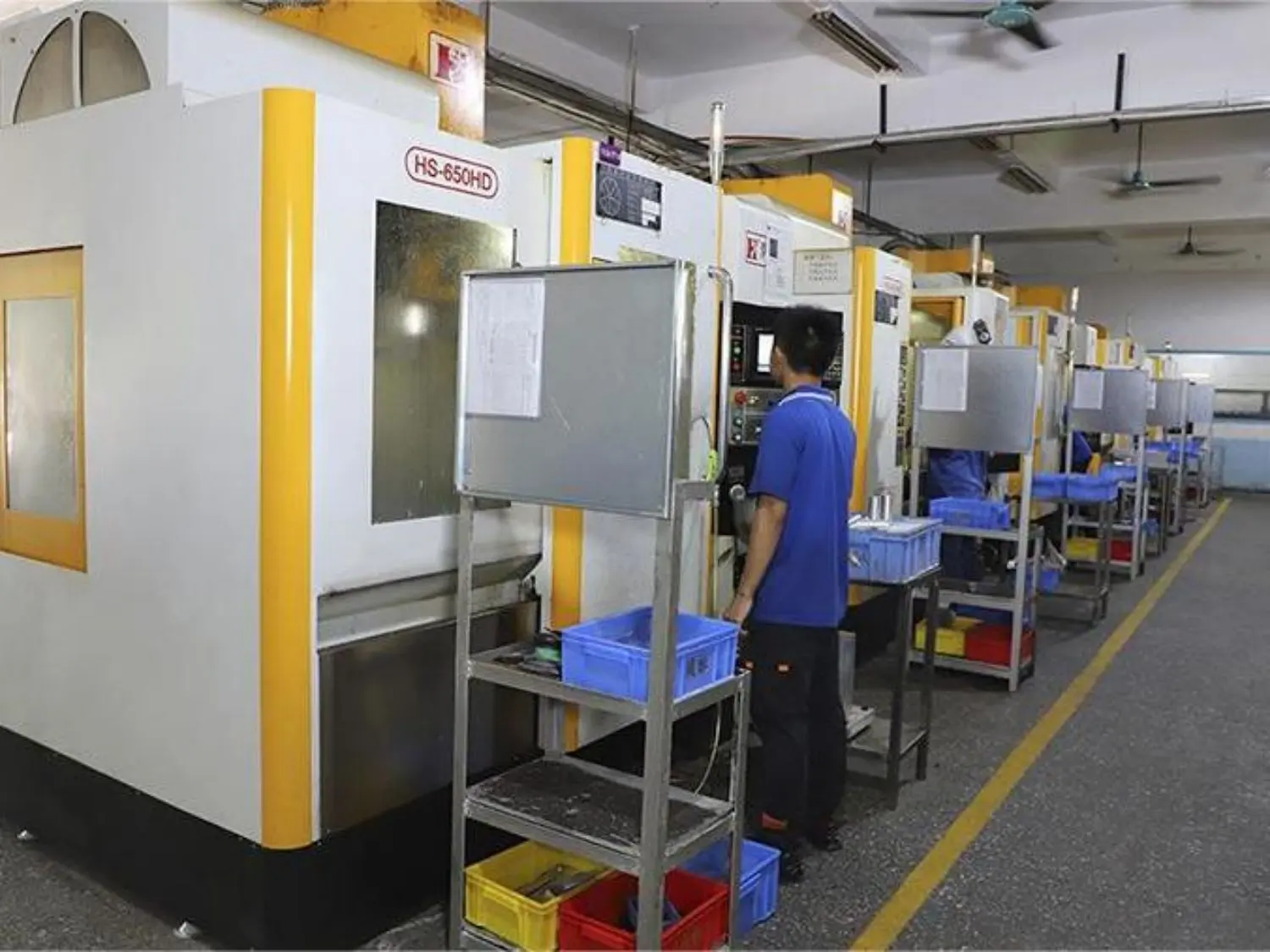
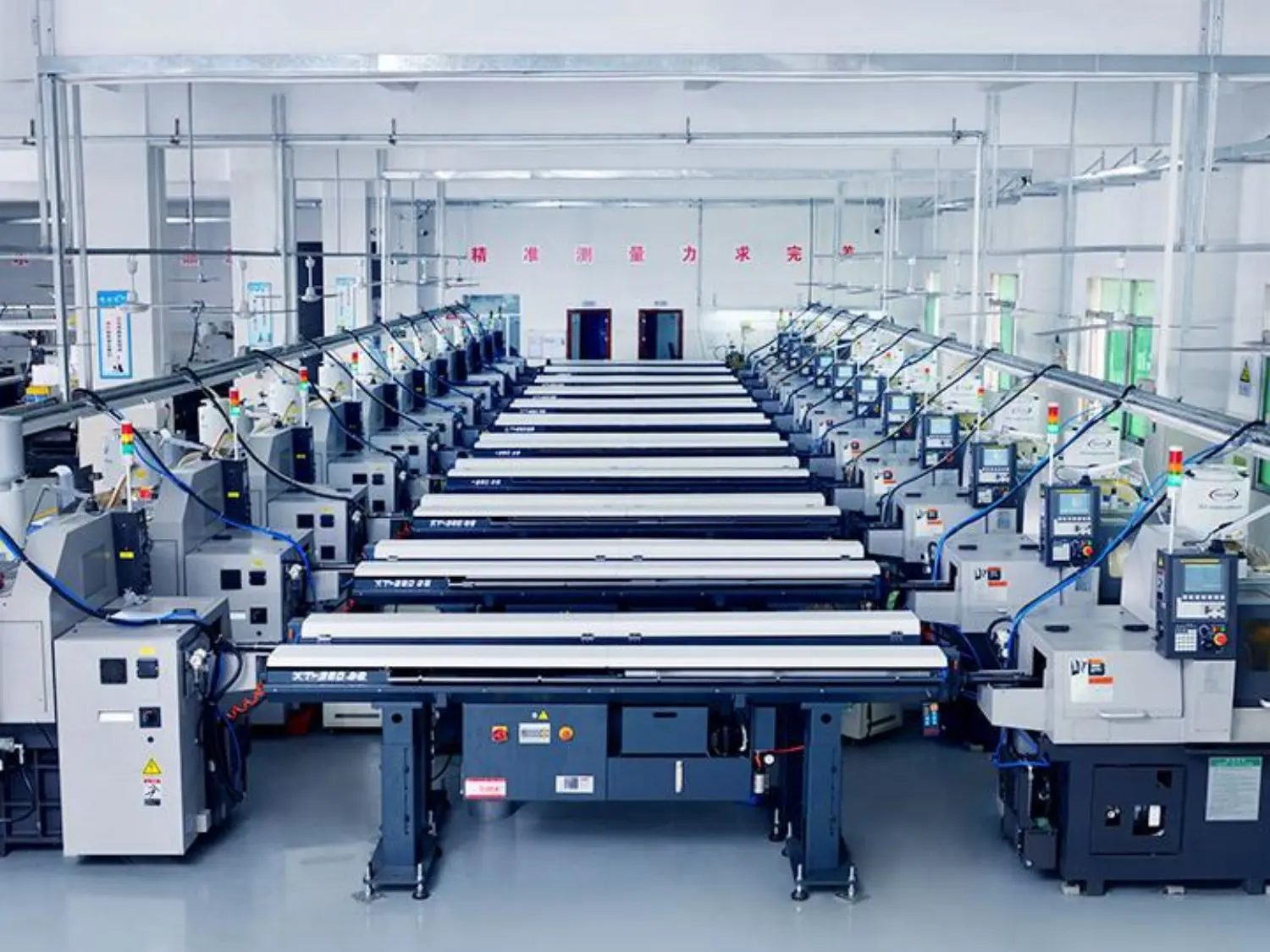
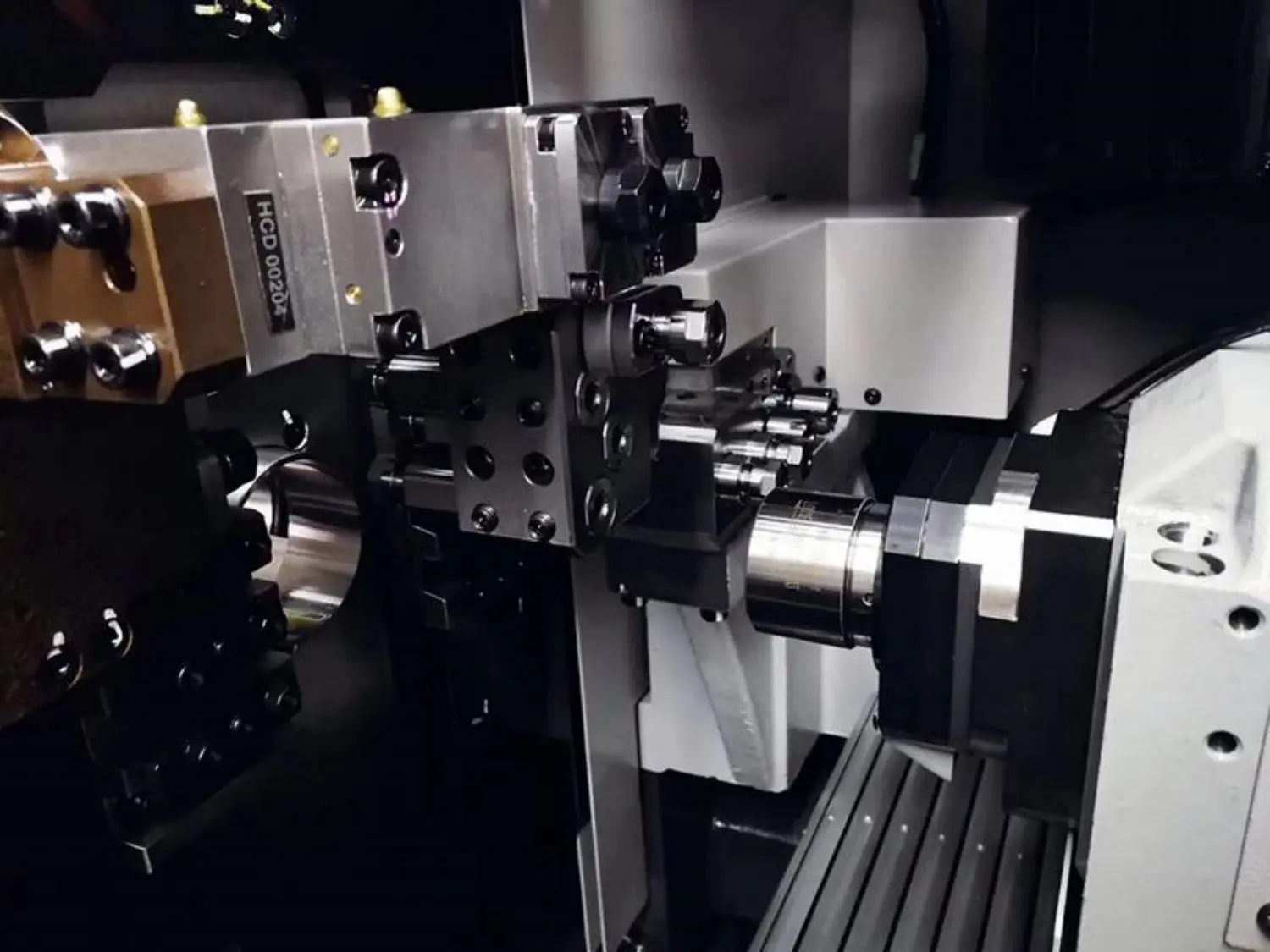
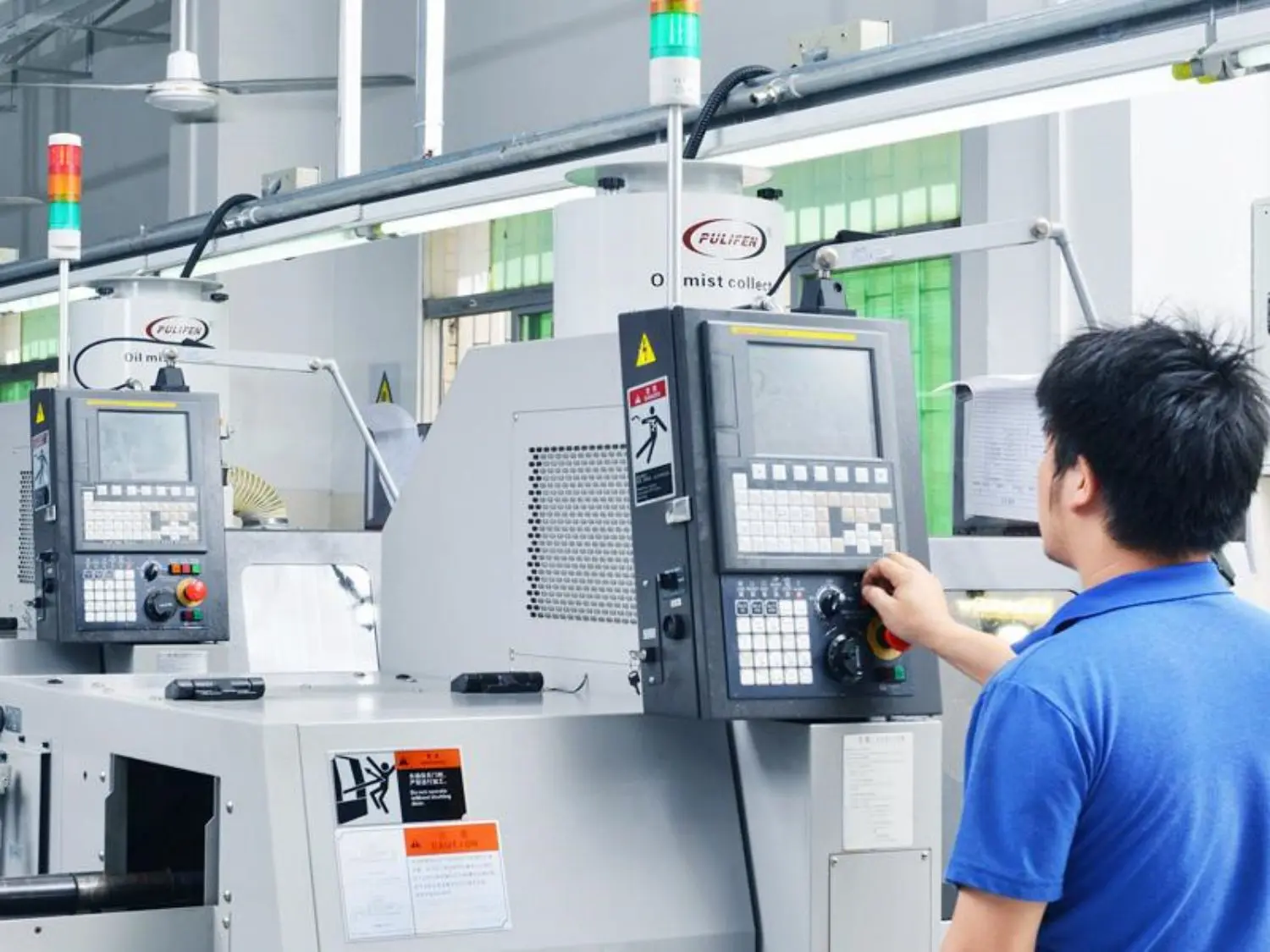
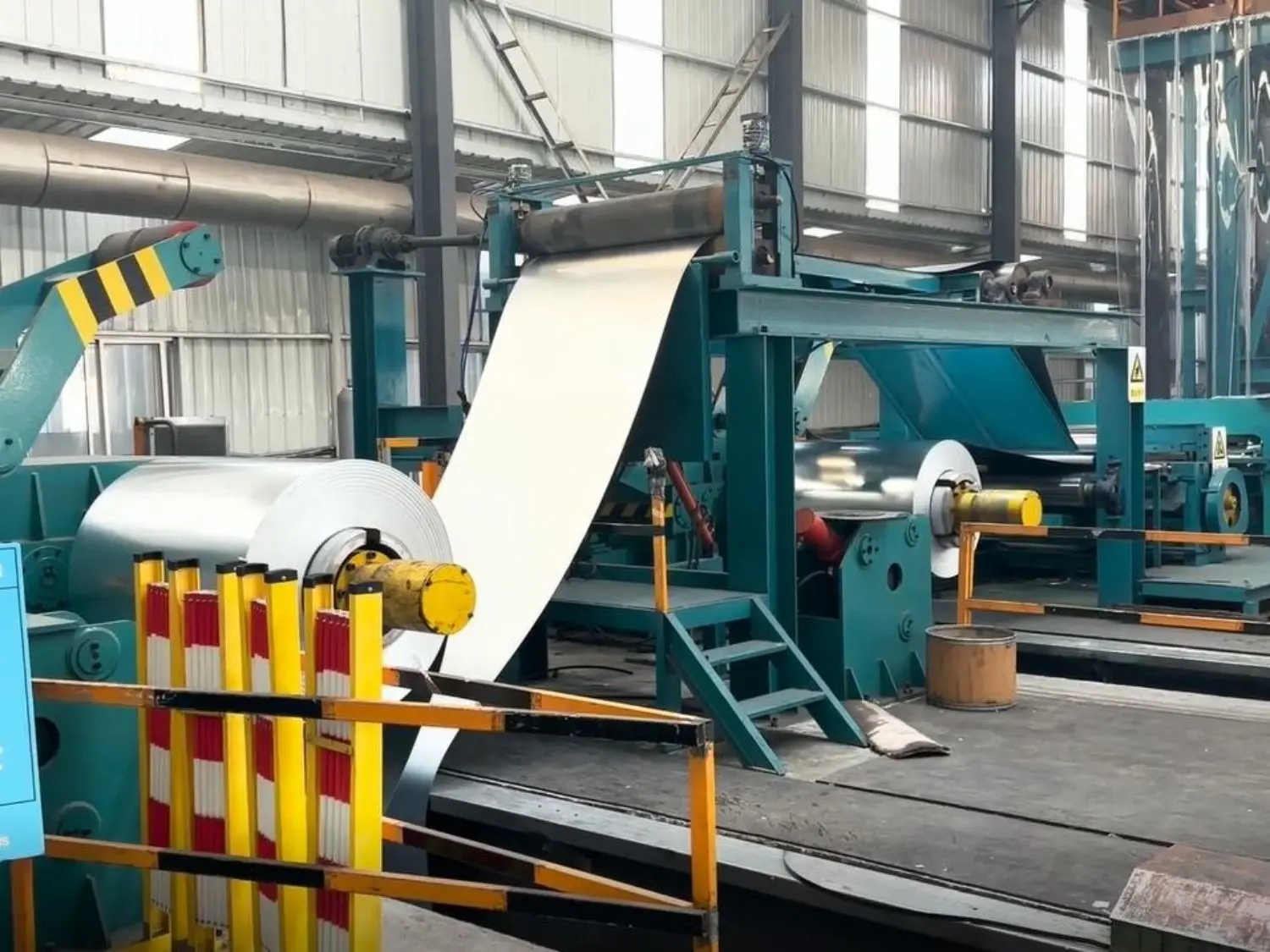
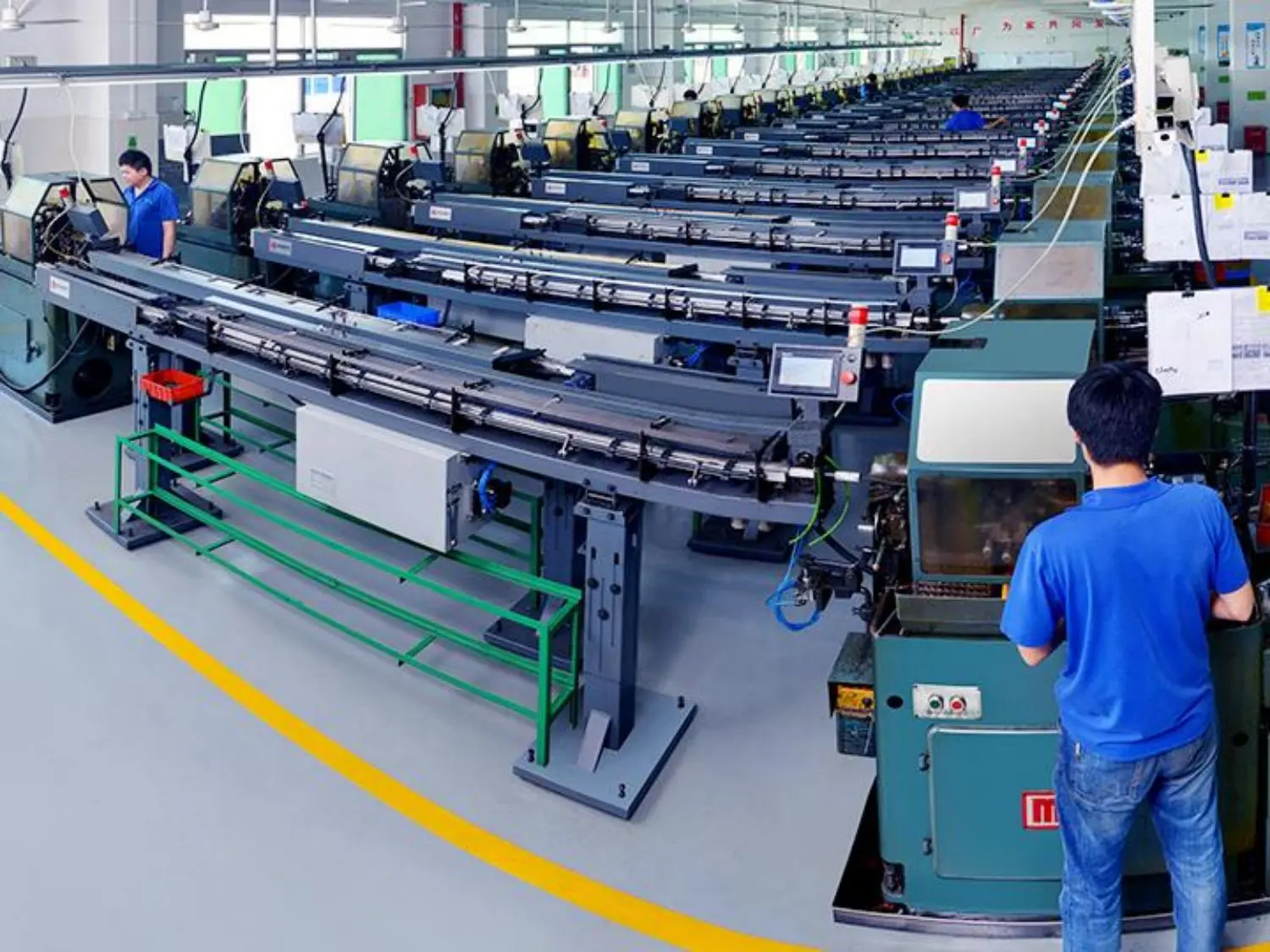
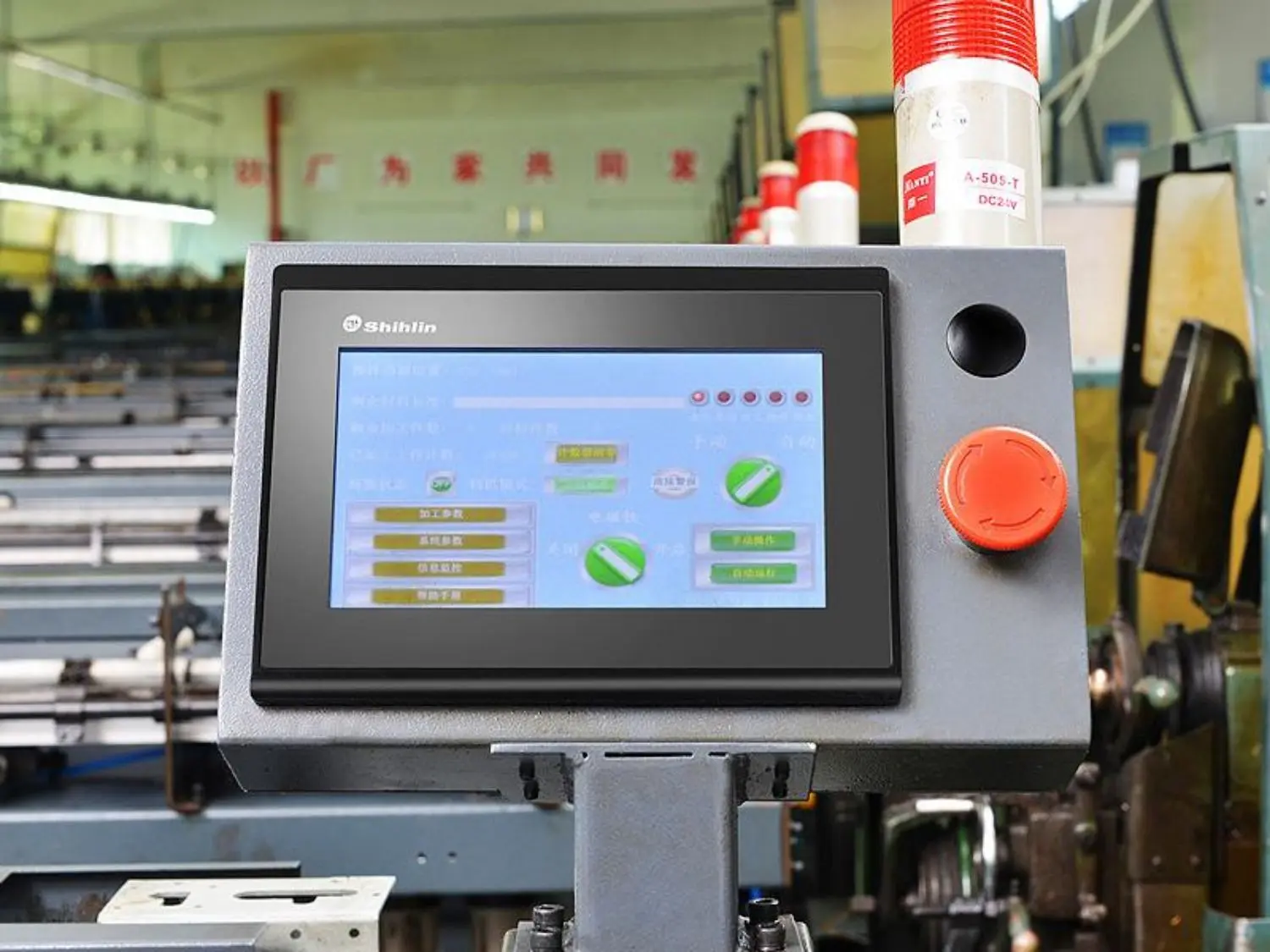
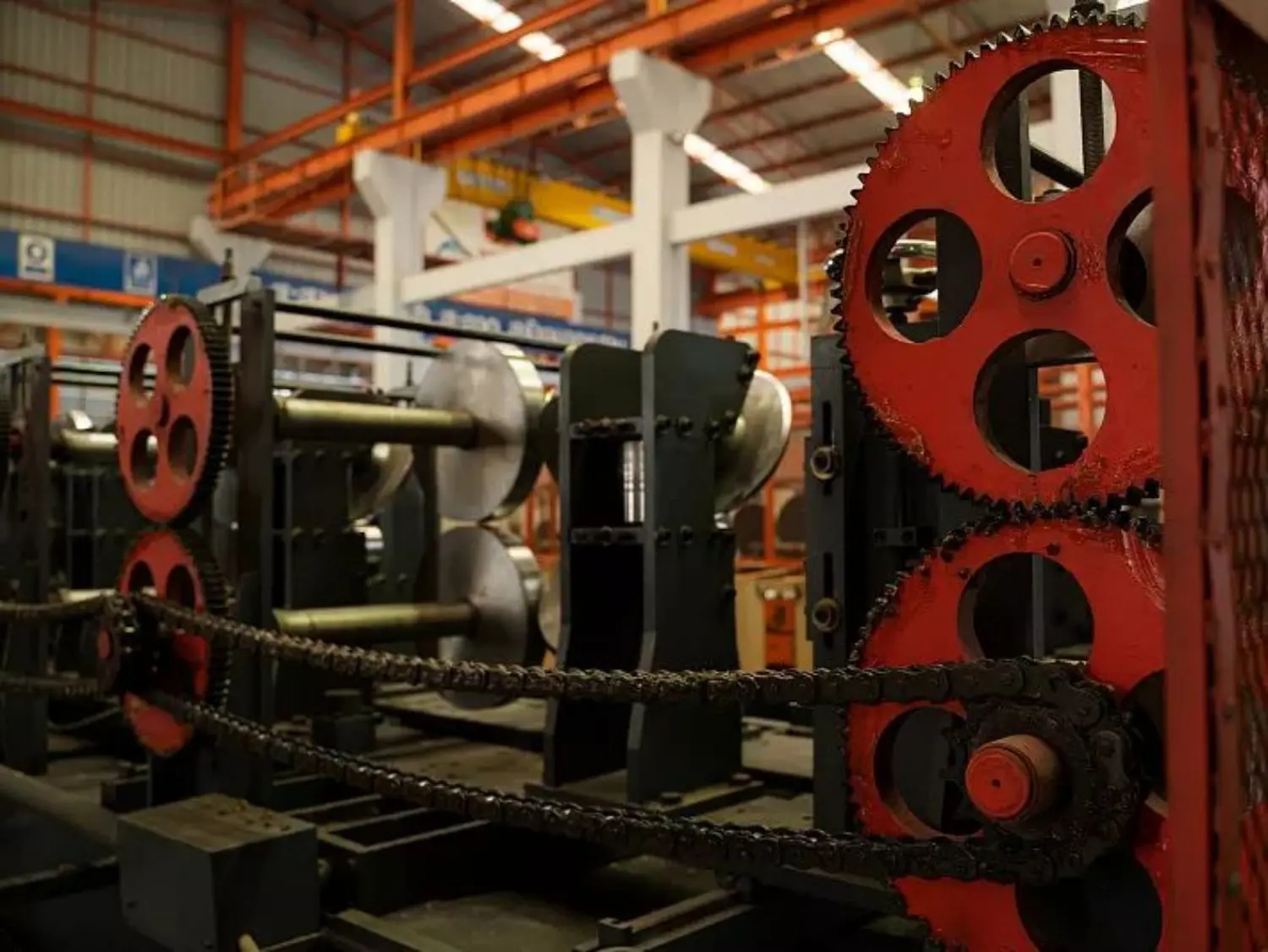
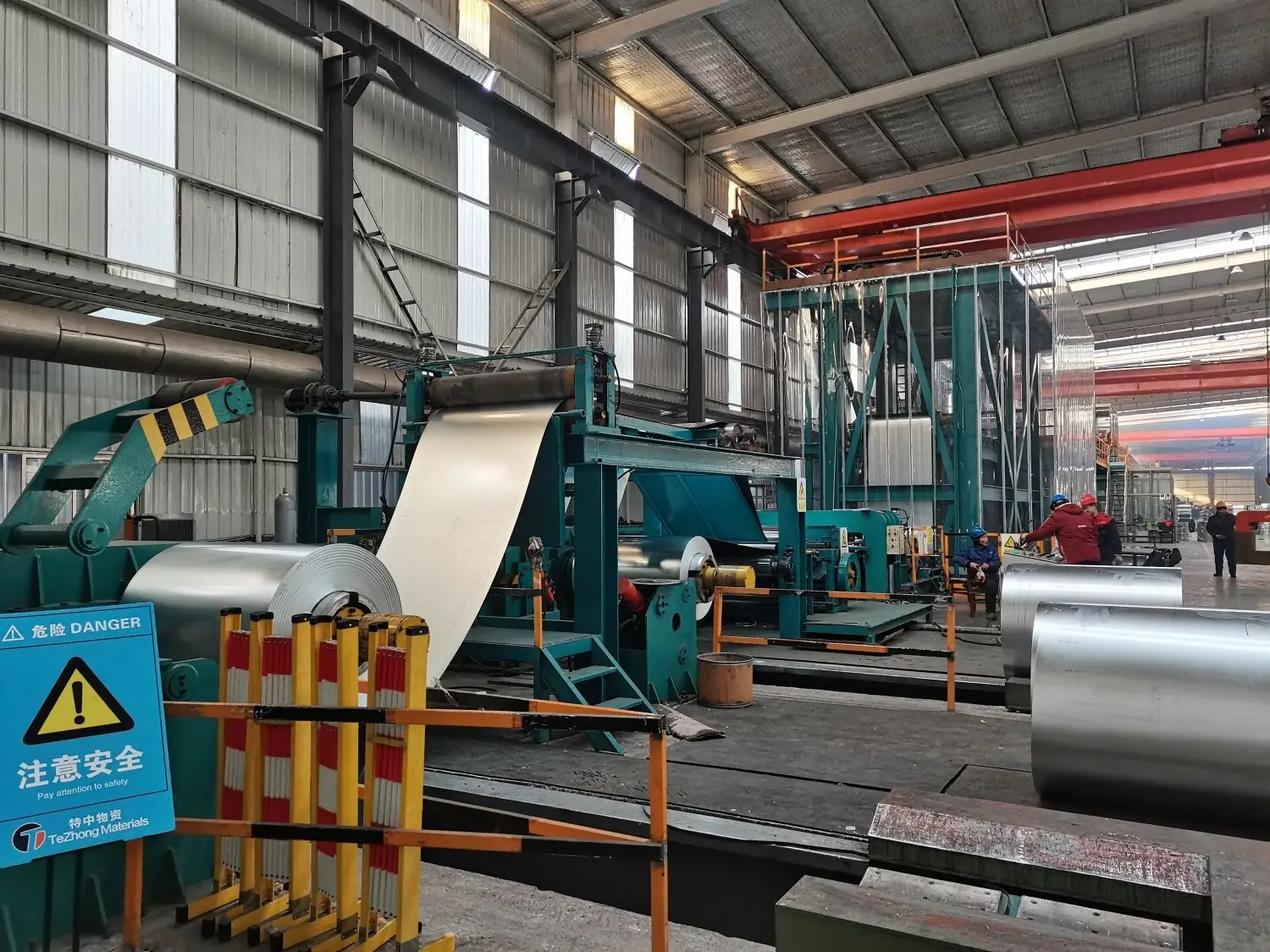
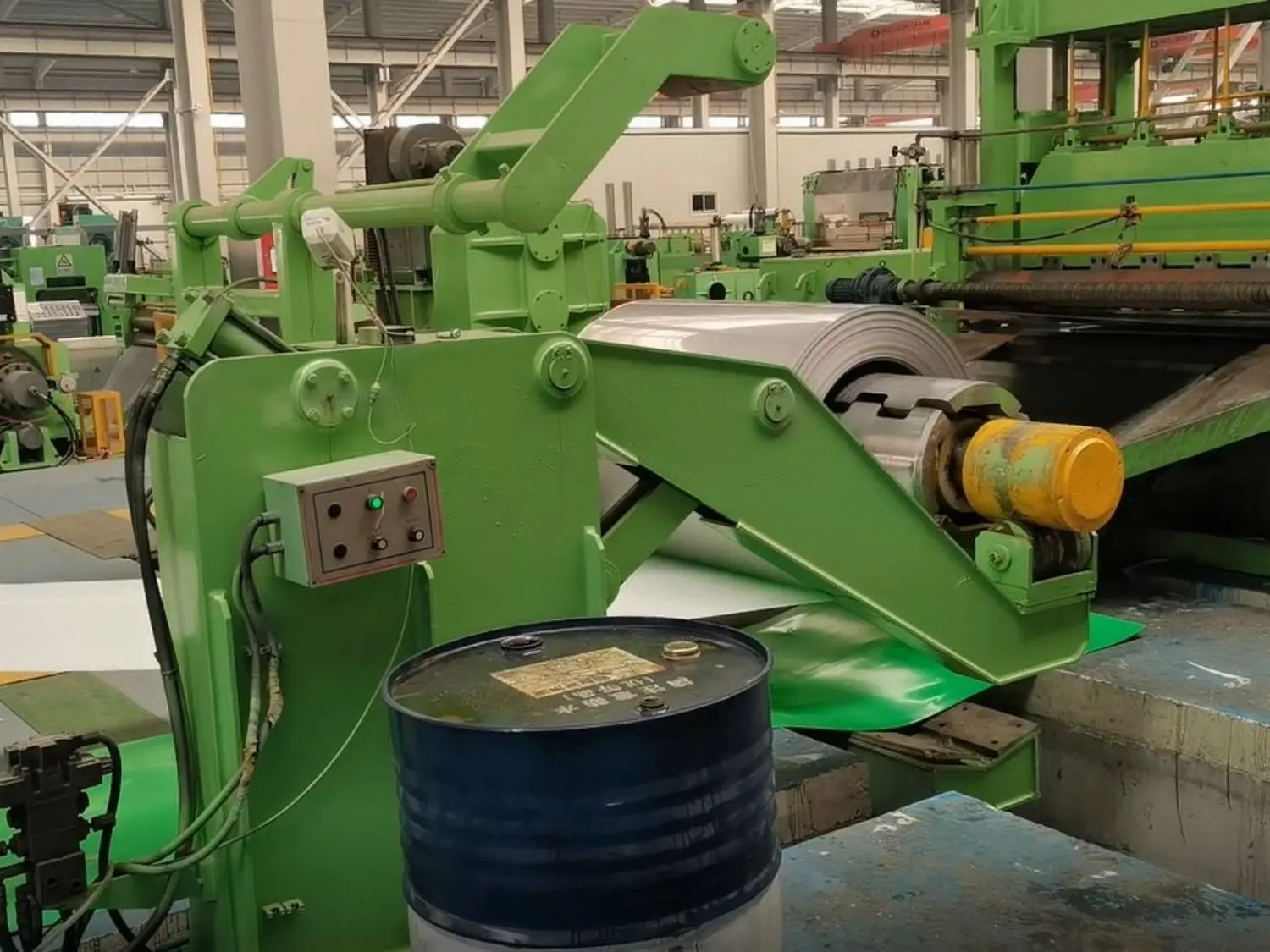
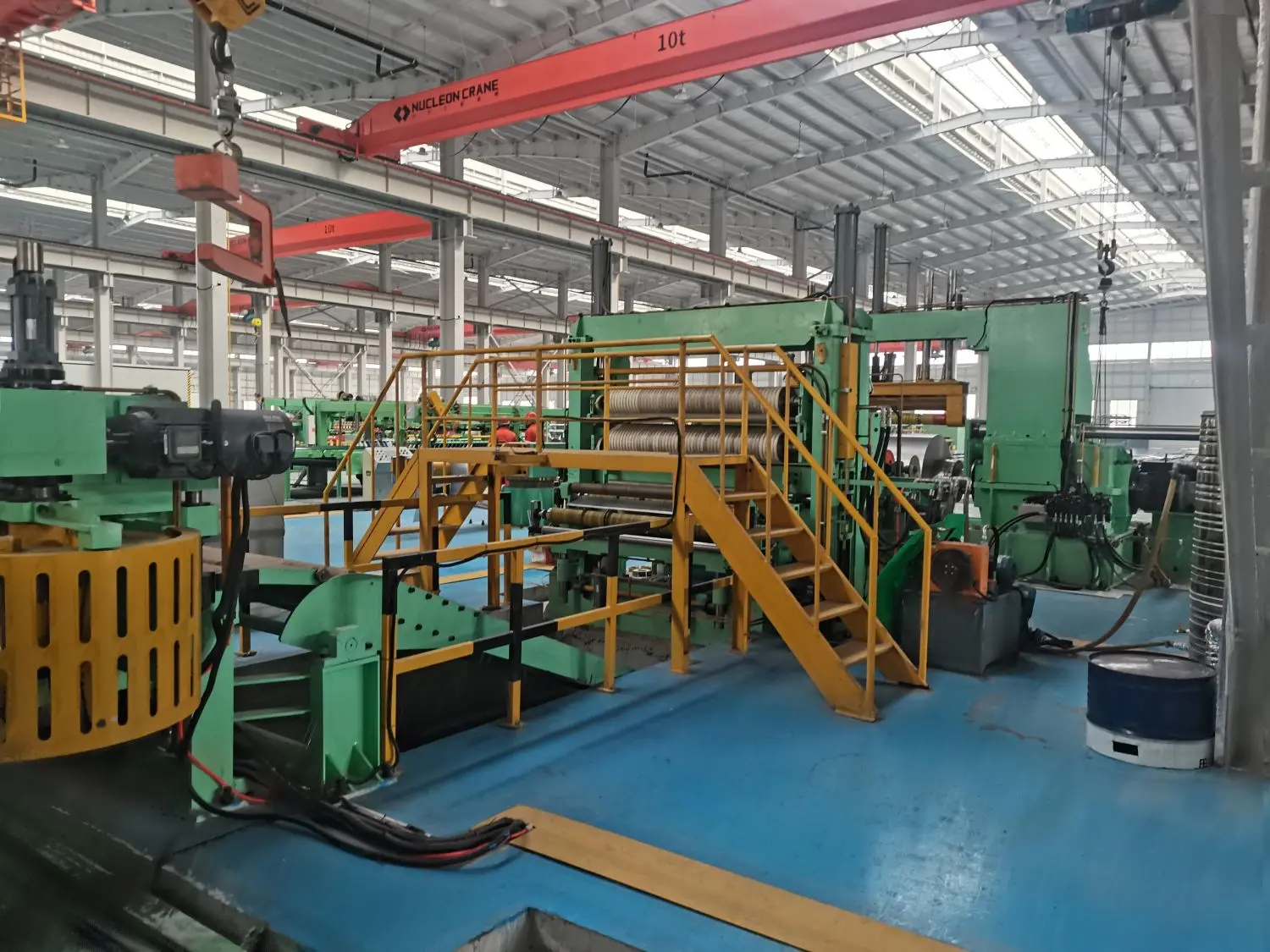
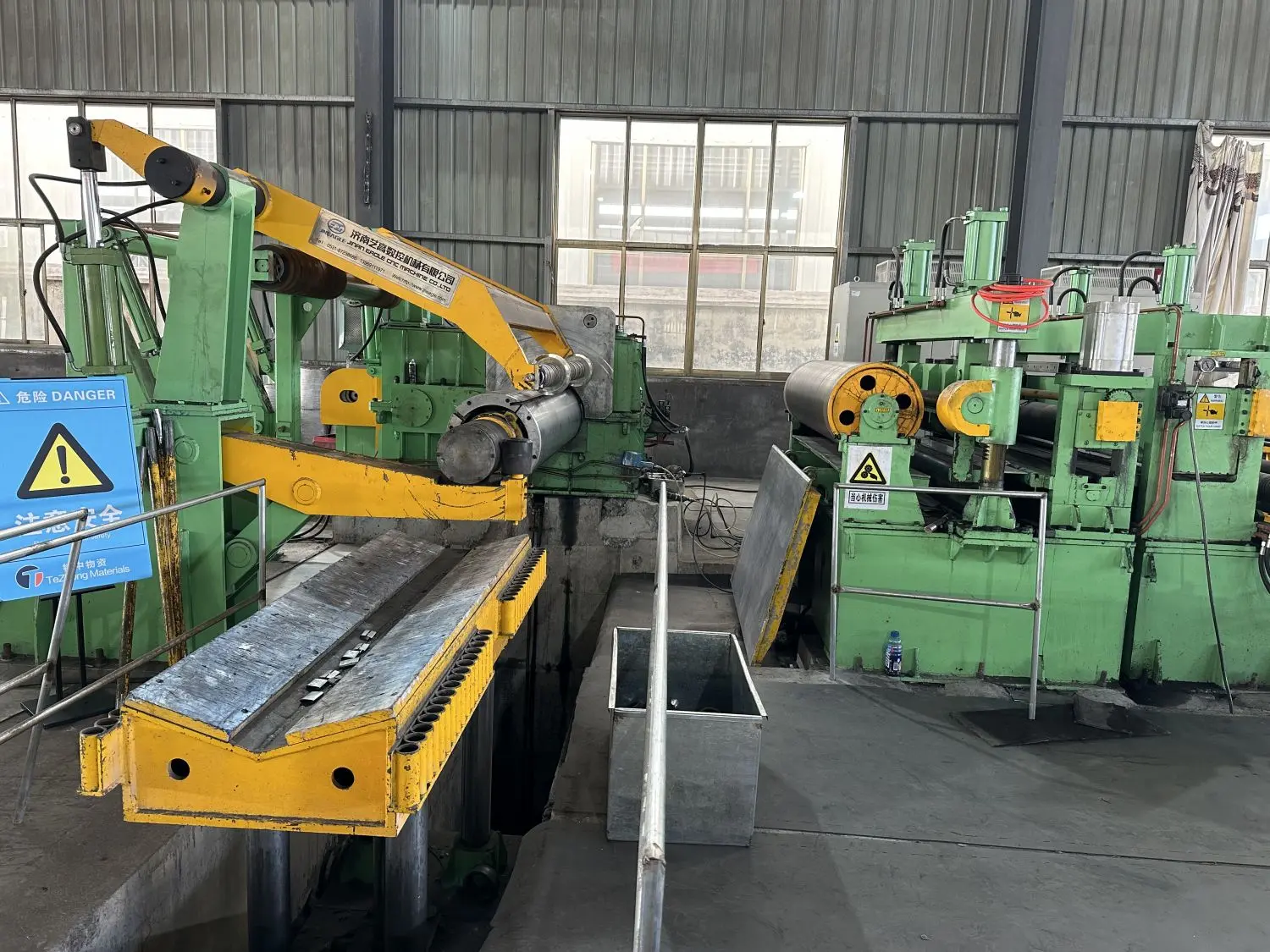
Take a visual tour of Shandong Tezhong Materials Co., Ltd.'s processing and manufacturing facilities, showing where we maintain quality control from raw ore to finished steel and structural components.
Guide overall technological growth and steel formulation development.
Metallurgical, mechanical, and electrical engineers supervising daily runs.
Innovate new composite metals and improve wire drawing coatings.
Verify that raw materials and finished reels comply with international standards.
Get answers to technical and commercial questions about sourcing 25 mm² 4-core copper cables and managing factory supply chains.
 Tezhong