In today's global market, Carbon Steel Coil has become an essential material across various industries. Leading industry expert John McKenzie, a recognized authority in metallurgical engineering, states, "The quality of Carbon Steel Coil can significantly impact manufacturing efficiency and product longevity." As businesses strive for efficiency, understanding where to source high-quality Carbon Steel Coils is vital.
The landscape of suppliers varies greatly. Some deliver exceptional quality, while others might not meet industry standards. Buyers face decisions that could affect their operational success. The right supplier can ensure consistent supply and quality. Yet, the suppliers' capabilities often remain unclear without thorough research and understanding.
Engaging with reliable suppliers can be daunting. Each company's reputation may not fully reflect their product quality or customer service. Therefore, it's necessary for buyers to assess their options carefully. Carbon Steel Coil suppliers should be evaluated based on experience and reliability, ensuring a successful partnership. Consideration of all factors is crucial to avoid costly mistakes.
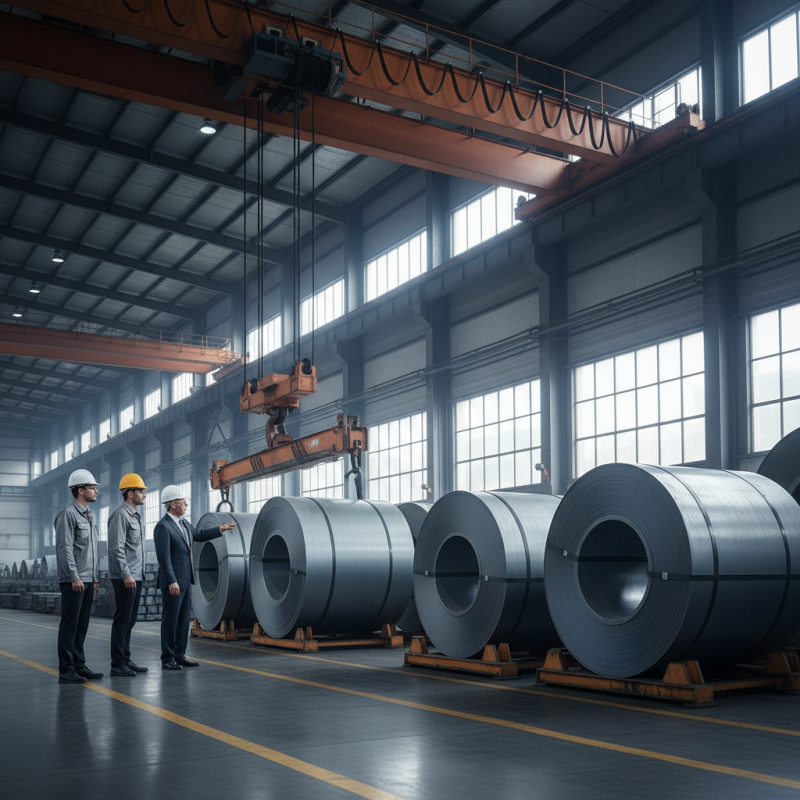
When exploring the carbon steel coil market, understanding the key suppliers is essential for global buyers. Carbon steel coils are critical in various industries, including construction and automotive manufacturing. According to a recent industry report, the carbon steel market is projected to grow by 4.5% annually over the next five years. This growth emphasizes the importance of identifying reliable suppliers who can meet demand efficiently.
Some suppliers stand out due to their production capacity and quality control measures. Many leverage advanced manufacturing technologies, ensuring consistency in product quality. However, every supplier has its strengths and weaknesses. Some may offer competitive pricing but lack extensive experience in export logistics. Others excel in customer service yet may have longer lead times.
Tips: When assessing suppliers, consider their certifications and global reach. Communicate your specific requirements clearly. This will help in finding a partner who aligns with your needs. It's also wise to request sample coils, as this can provide insight into quality standards. Regular assessments of your supplier’s performance can foster better partnerships and improve your supply chain efficiency.
Selecting the right carbon steel coil supplier is crucial for any business focused on quality and reliability. Several criteria can help guide this decision. First, consider the supplier's experience in the industry. Companies with extensive experience tend to have better quality assurance processes. A 2021 report from the World Steel Association highlighted that experienced manufacturers showed a 30% reduction in defective products compared to newer ones.
Another critical factor is the supplier's production capacity. This should match your needs. If a supplier can’t meet your volume requirements, it can lead to delays. According to market analyses, high-capacity suppliers often provide more consistent pricing and delivery times, vital for maintaining project schedules.
**Tips:** When evaluating suppliers, ask for certifications. Quality management certifications demonstrate a commitment to industry standards. Researching customer reviews can also reveal insights that data alone might not show.
Lastly, communication and customer service are essential. Suppliers that prioritize these aspects often forge better, long-term contracts. A study showed businesses that engaged regularly with suppliers reported an increase in satisfaction and reduced costs. Be mindful of clear communication; it can prevent misunderstandings that might lead to supply chain issues.
| Supplier Region | Annual Production Capacity (Metric Tons) | Quality Certifications | Average Lead Time (Weeks) | Customer Satisfaction Rating (out of 5) |
|---|---|---|---|---|
| Asia | 500,000 | ISO 9001, ASTM A1008 | 4 | 4.5 |
| North America | 300,000 | ISO 9001, API Spec 5L | 6 | 4.2 |
| Europe | 250,000 | ISO 9001, EN 10025 | 5 | 4.7 |
| South America | 200,000 | ISO 9001, ASTM A36 | 3 | 4.0 |
| Oceania | 150,000 | ISO 9001, AS/NZS 3678 | 4 | 4.3 |
When selecting carbon steel coil suppliers, key features play a crucial role. Quality is paramount. Reliable suppliers ensure their coils meet rigorous standards. They often showcase certifications that reflect their commitment to excellence. Buyers should look for suppliers with a proven track record. Experience matters in today's competitive market.
The variety of products offered is another significant factor. Top suppliers provide a range of grades and finishes. This helps buyers meet specific project requirements. Customization options can also be an advantage. Flexibility in order sizes can cater to different client needs, from small projects to large-scale operations.
Transparency and communication are vital as well. Suppliers should be open about their production processes and sourcing materials. Clients need to feel confident in their choices. However, challenges may arise if suppliers cannot consistently deliver. Assessing logistics capabilities can offer insight into reliability. It's essential for buyers to evaluate potential partners thoroughly.
When exploring carbon steel coil suppliers globally, it is vital to understand the characteristics of suppliers in various regions. For buyers, the differences in quality and service can be significant. Companies in Asia often prioritize cost-effectiveness. Many of them have robust production capabilities. This allows them to meet large-scale demands efficiently. In contrast, suppliers in Europe may focus more on quality and innovation. Their products often meet stricter environmental standards.
While sourcing from different regions, consider these tips. Always check for certifications that validate the quality of the steel coils. Look for suppliers with a proven history of reliability. It can be tricky to identify trustworthy suppliers. Some might offer lower prices but compromise on quality. Read reviews and ask for references before making a commitment.
Different regions also offer varying levels of customer service. Suppliers in North America may have more robust after-sales support compared to other regions. Communication is essential for a smooth transaction. Evaluate how responsive potential suppliers are during initial inquiries. This early interaction can be a good indicator of future service levels. Be mindful of cultural differences that may affect business transactions. Understanding these nuances can help avoid miscommunications and build stronger relationships.
The carbon steel coil supply chain is undergoing significant changes. As demand increases, companies face challenges such as rising raw material costs and supply chain disruptions. According to industry reports, the global carbon steel market is projected to grow at a compound annual growth rate (CAGR) of 4.5% from 2023 to 2030. This growth is closely tied to infrastructure projects and automotive manufacturing.
Emerging trends include a shift towards recycling and sustainability. More suppliers are adopting eco-friendly practices. A recent study indicates that up to 35% of the steel used in production could come from recycled materials by 2025. However, many suppliers still struggle with the quality and consistency of recycled steel. The need for stricter quality control measures remains critical.
Digitalization is another trend reshaping the carbon steel coil supply chain. Companies are using advanced technologies to improve tracking and logistics. In fact, a report highlights that firms employing digital solutions could see a 20% reduction in operational costs. Yet, not all suppliers are well-versed in these technologies, creating a gap in efficiency. This divide may hinder competitiveness in the evolving market.
: Consider the supplier's industry experience and quality assurance processes. Experienced suppliers typically have better products.
The supplier's production capacity must match your needs. Inadequate capacity may lead to delays in delivery.
Certifications indicate a supplier's commitment to quality standards. They can reassure you about the supplier's practices.
Reviews provide insights beyond data. They can highlight a supplier's reliability and service quality.
Clear communication is key. It prevents misunderstandings that could disrupt the supply chain.
Emerging trends include rising recycling practices and digitalization in tracking and logistics. Both are reshaping the market.
Many suppliers are adopting eco-friendly practices, but quality consistency remains an issue with recycled materials.
Rising raw material costs and supply chain disruptions are significant challenges for suppliers and businesses alike.
Yes, companies using digital tools can reduce operational costs significantly. However, some suppliers lack technological expertise.
Regular engagement with suppliers can boost satisfaction and may lead to reduced costs over time.
The article "Top 10 Carbon Steel Coil Suppliers for Global Buyers" provides a comprehensive overview of the leading suppliers in the global carbon steel coil market. It discusses important criteria for selecting reliable suppliers, highlighting factors such as quality, pricing, and customer service. Additionally, the article outlines key features that distinguish top suppliers, including their production capabilities and technological advancements.
Furthermore, the article categorizes notable carbon steel coil suppliers by region, offering insights into the geographical distribution of the market. It also explores emerging trends within the carbon steel coil supply chain, emphasizing sustainability and innovation as crucial elements shaping future industry dynamics. Overall, this summary serves as a guide for buyers looking to navigate the extensive landscape of carbon steel coil suppliers worldwide.

Tezhong