In the ever-evolving sector of metal manufacturing, sourcing Carbon Steel Plate Coil efficiently is crucial. Industry expert John Smith emphasizes, "Efficient sourcing can make or break your bottom line." His insight reflects a growing recognition of the importance of optimal procurement strategies in this competitive market.
Understanding the nuances of Carbon Steel Plate Coil is essential for businesses aiming to thrive. The complexities involved in selecting the right suppliers can be daunting. Factors like material grade, dimensions, and delivery timelines all play vital roles. A misstep in this process can lead to increased costs and project delays.
As companies navigate this landscape, they often face challenges in communication and supplier reliability. Some may rely on outdated connections, resulting in missed opportunities for innovation. It's a reminder that, while expertise is invaluable, one must continuously adapt and refine their sourcing strategies to achieve efficiency and success.
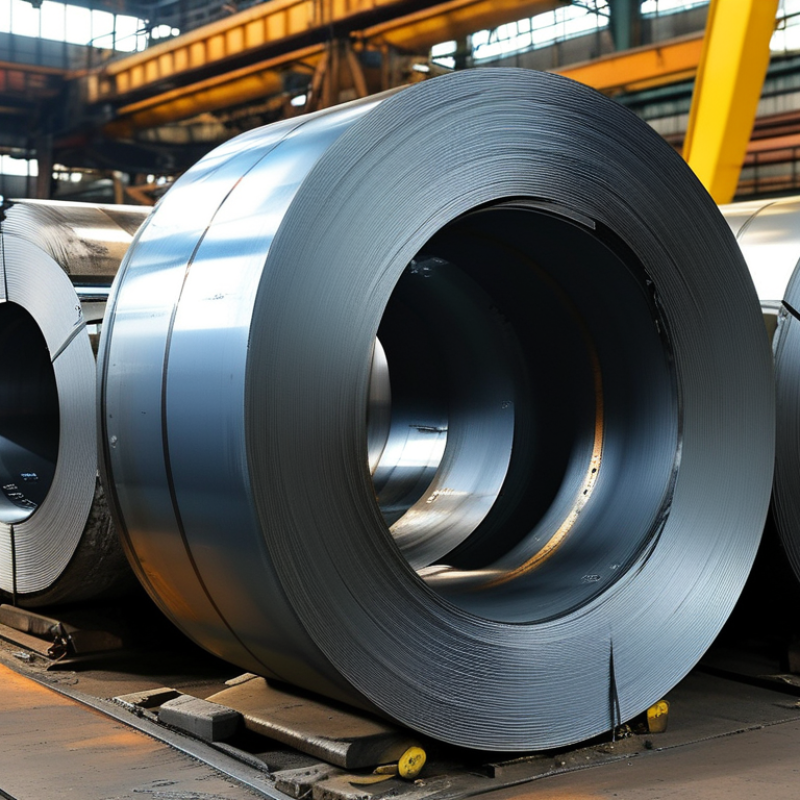
Carbon steel plate coil is a versatile material widely used in various industries. Its properties, such as strength and durability, make it ideal for structural applications. Additionally, it offers excellent machinability, which enhances its usability in manufacturing processes. However, sourcing the right type of carbon steel plate coil can be challenging due to the variety available in the market.
Understanding its applications is crucial. For instance, carbon steel plate coils are often used in construction, shipbuilding, and automotive industries. Each application has specific requirements that must be met. The thickness, width, and tensile strength are critical factors to consider. Knowledge of these properties ensures you select the right material for your project.
When sourcing carbon steel plate coil, it's essential to evaluate suppliers based on their reliability and industry experience. Not every supplier may provide the same quality. Seek recommendations, and don't hesitate to ask for certifications or test results. This approach helps mitigate risks associated with subpar materials. Moreover, communication with suppliers can lead to better understanding and negotiation on features you might need.
When sourcing carbon steel plate coil, finding reliable suppliers is critical. A trustworthy supplier can significantly influence project success. Start by researching suppliers with a solid reputation in the industry. Look for companies that have experience and a history of delivering quality products. Assess their certifications and memberships in relevant industry organizations. This will help ensure their credibility.
Another important factor is communication. Suppliers should respond promptly and provide clear information. Don't hesitate to inquire about their manufacturing processes and quality control measures. It’s vital to understand how they handle any issues that arise. Reliable suppliers should have a transparent approach and offer solutions when faced with challenges.
Consider visiting potential suppliers or request references from past clients. This step allows you to gauge their commitment to service quality. Engaging directly can uncover nuances that online research may miss. Building a relationship with your supplier fosters trust and opens up more options. It helps create a responsive supply chain capable of addressing your needs efficiently.
When evaluating the quality standards for carbon steel plate coils, several key factors come into play. Inspecting the material ensures that it meets the specifications required for your project. Look for certifications that indicate compliance with industry standards, such as ASTM or ISO. These certifications often reflect the reliability and safety of the material.
To ensure you source efficiently, ask for test reports from suppliers. Test reports outline critical characteristics, such as chemical composition and mechanical properties. This information can help you gauge whether the material is suitable for your applications. Additionally, establishing clear communication with suppliers is vital. Ask questions about sourcing methods and quality control processes.
Consider small variables that may impact quality. For example, variations in temperature during production can affect the mechanical properties of steel. Be open to revisiting suppliers based on these insights. Regularly review your sourcing strategy to keep pace with innovations in material standards.
| Dimension (mm) | Thickness (mm) | Weight (kg) | Grade | Application |
|---|---|---|---|---|
| 1500 x 3000 | 5 | 325 | S235JR | Construction |
| 2000 x 6000 | 8 | 960 | S275JR | Manufacturing |
| 1000 x 2000 | 10 | 200 | Q235B | Heavy Equipment |
| 2500 x 12000 | 12 | 3000 | S355J2 | Shipbuilding |
| 1800 x 4000 | 6 | 540 | A36 | Structual Support |
Efficient procurement of carbon steel plate coil involves meticulous planning and thoughtful strategies. Understanding market trends is essential. Researching pricing and availability helps in making informed decisions. Engaging with multiple suppliers allows for competitive pricing. However, don’t forget the importance of quality. Sometimes, the lowest price can lead to compromised material standards.
Establishing clear specifications is crucial. Define the thickness, width, and alloy requirements before reaching out to suppliers. This clarity minimizes back-and-forth communication and speeds up the procurement process. Consider building relationships with vendors. A reliable supplier may provide better terms and faster delivery times. Yet, be cautious; over-reliance on one supplier can be risky.
Implementing digital tools can enhance efficiency further. Use online platforms for comparing options. These tools can save time and improve accuracy in procurement. However, relying solely on technology might overlook crucial details in contracts. An occasional review of supplier performance can reveal opportunities for cost savings or improvement. Always aim for a balanced approach to procurement.
When sourcing carbon steel plate coil, logistics and delivery considerations play a crucial role. Efficient transportation can significantly impact your project timeline. Choosing the right shipping method is vital. Consider factors like distance, urgency, and cost efficiency when making your decision.
One key tip is to plan your logistics in advance. Understanding the routes and potential delays can save you time and money. Collaborate with experienced logistics providers who have a good track record in handling steel products. They can offer insights into the best practices for transporting carbon steel.
Another aspect to reflect upon is the packaging of your coils. Proper packaging prevents damage during transit. It should be sturdy enough to withstand handling and transportation. Additionally, clear labeling helps streamline the unloading process at the destination. Keep in mind that a small oversight in logistics can lead to significant setbacks in delivery timelines.
: It is widely used in construction, shipbuilding, and automotive industries due to its strength and durability.
Research suppliers with solid reputations and ask for certifications or references. Experience matters.
Consider thickness, width, tensile strength, and ensure they meet your specific project requirements.
Prompt responses and clear information help foster trust and ensure you understand their quality control measures.
Certifications like ASTM or ISO indicate compliance with industry standards. Test reports are also helpful.
Yes, factors like production temperature variations can impact mechanical properties. Pay attention to these details.
Seek recommendations and evaluate suppliers based on past performance, ensuring you select quality materials.
Changes in material standards or quality inconsistencies may necessitate finding more reliable options.
Yes, visiting suppliers can reveal insights that online research might miss, enhancing understanding and trust.
Certifications reflect the reliability and safety of materials, providing assurance of compliance with industry standards.
Efficiently sourcing Carbon Steel Plate Coil requires a comprehensive understanding of its properties and applications, as well as the ability to identify reliable suppliers. A thorough evaluation of quality standards is crucial to ensure that the materials meet industry requirements. Effective procurement strategies, including negotiating terms and leveraging bulk purchasing, can significantly enhance the sourcing process.
Additionally, logistics and delivery considerations play a vital role in the timely acquisition of Carbon Steel Plate Coil. Proper planning for shipping and handling ensures that the materials arrive in the desired condition and on schedule, thus supporting overall project timelines. By focusing on these key areas, companies can optimize their sourcing processes and enhance their operational efficiency.

Tezhong