Sourcing Hot Rolled Carbon Steel Coil efficiently requires careful attention and strategic planning. This material is essential in industries like construction and manufacturing. Its versatility comes with challenges. Buyers often face quality issues and fluctuating prices. Understanding the market dynamics is crucial.
Experience in the industry helps identify reliable suppliers. It’s essential to know what specifications you need. Often, companies overlook this, leading to wasted resources and time. Quality assurance is key. Inspecting samples before placing a large order can save headaches later.
Establishing strong relationships with suppliers can also prove beneficial. Open communication fosters trust and can lead to better deals. However, newcomers may struggle to navigate these interactions. Contemplating past mistakes is part of the learning process. Building expertise takes time and effort, but it pays off.
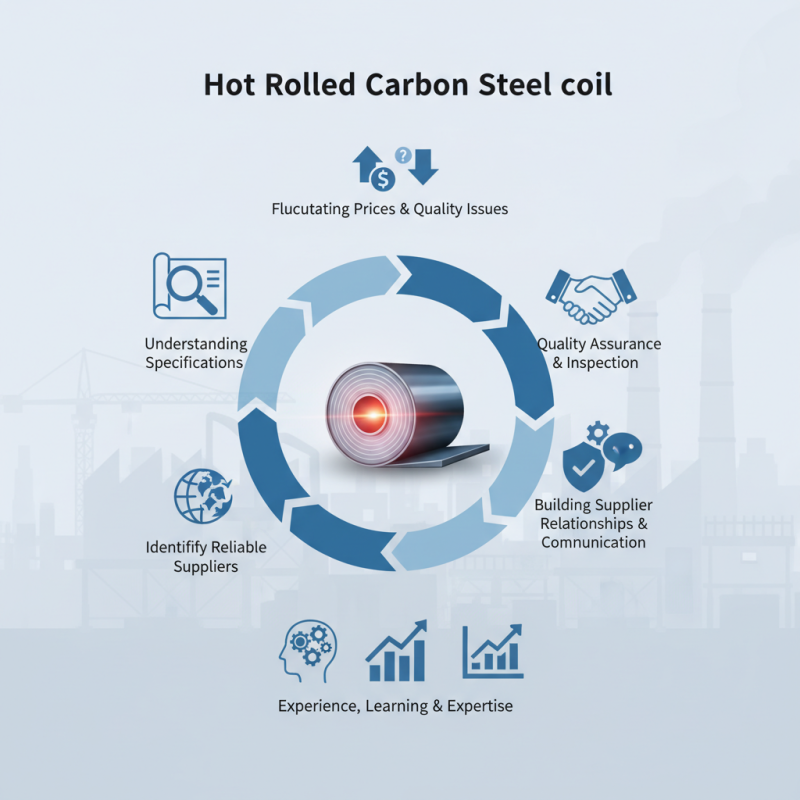
Hot rolled carbon steel coil is a versatile material widely used in construction and manufacturing. This type of steel is created by rolling the metal at high temperatures, which helps to reduce its thickness and shape it into coils for easier handling. Industries utilize hot rolled carbon steel for products like beams, tubes, and automobile components. Its strength, ductility, and affordability make it a preferred choice. However, there are considerations to keep in mind.
One tip for sourcing hot rolled carbon steel coils efficiently is to assess the suppliers’ quality credentials. Look for mills that adhere to recognized standards and have systems for quality assurance. Understanding your specific needs helps too. Determine the required thickness, width, and grade to avoid unnecessary delays.
Monitoring market trends can save costs. Prices fluctuate based on demand and supply. Keep a close watch on these trends. Re-evaluating pricing agreements with suppliers regularly can lead to better deals. Gathering feedback from different suppliers offers insights into their reliability and performance. This approach ensures you're sourcing from a dependable source while maximizing efficiency.
Finding reliable suppliers for hot rolled carbon steel coil can be challenging. It’s essential to consider the supplier’s experience in the industry. This ensures they understand market fluctuations. These suppliers should also be transparent about their sourcing methods and manufacturing processes. Reviewing their certifications can provide insights into their quality standards.
Engaging with suppliers through direct communication can establish trust. Ask questions about their product offerings and delivery timelines. It's also valuable to request references from previous clients. This helps gauge their reliability and service quality. Gathering feedback from others in the industry can highlight which suppliers are consistent.
In this search, be prepared for potential challenges. Not all suppliers will meet your expectations. Some may have inconsistencies in product quality. Others may struggle with timely delivery. Reflecting on these experiences is crucial for refining your supplier selection process. Continuous evaluation of supplier performance can lead to better partnerships over time.
When evaluating the quality standards for hot rolled carbon steel coil, it is crucial to focus on specific criteria. Inspect the surface finish. A smooth and consistent surface indicates better manufacturing practices. Look for any visible imperfections or defects. Rust, scratches, or pits can impact the performance of the steel in applications.
Next, consider the thickness and width tolerances. These specifications are essential for ensuring that the coils fit well in their intended uses. Deviations from standard tolerances can lead to complications during fabrication. Additionally, check the mechanical properties through testing. Tensile strength, yield strength, and elongation measurements reveal much about the steel's performance.
Lastly, it’s worth noting that obtaining certifications can add to the reliability of the product. Certificates indicate compliance with industry standards. However, be cautious; some suppliers may provide misleading documentation. Always verify the credentials for peace of mind. Understanding these quality standards can lead to better sourcing decisions, ultimately benefiting your projects.
Negotiating pricing and terms for hot rolled carbon steel coils requires a strategic approach. Understanding the market trends is essential. Prices can fluctuate based on global demand, so staying informed offers a competitive edge. Engage with multiple suppliers to compare offers. This not only reveals pricing patterns but also enhances your negotiation power.
Having clear specifications for the steel coils helps you communicate effectively with suppliers. It sets expectations and reduces misunderstandings. Consider terms like delivery times, payment conditions, and potential discounts. If one supplier cannot meet your needs, others might offer the flexibility you require. Don't hesitate to ask for better terms, especially if you plan on placing large orders.
Remember, negotiation is a two-way street. Build relationships with suppliers through honest discussions. Transparency can lead to better deals in the long run. While it's tempting to push for the lowest price, consider the quality and service you expect. Prioritize reliability. Reflect on past experiences where cutting costs led to issues. In the end, a fair deal can be more beneficial than just aiming for the lowest price.
Sourcing hot rolled carbon steel coil involves navigating complex logistics. Understanding supply chain dynamics is crucial. Efficient transportation methods can save time and costs. Consider various shipping options, including rail and truck. Each mode has its own advantages and drawbacks.
Timing is critical in this industry. Delays in delivery can impact production schedules. Maintain clear communication with suppliers and logistics providers. Regular updates on shipment status can prevent misunderstandings. Also, regional factors can influence costs and availability. Staying informed about local market trends helps in decision-making.
Monitoring inventory levels is essential. Balancing stock to meet demand without overextending resources requires careful planning. Unexpected fluctuations in demand pose challenges. An adaptable strategy allows you to respond swiftly. It's worth reflecting on past sourcing experiences to improve future practices. Each shipment is a learning opportunity.
| Dimension | Specification | Weight (kg) | Origin | Lead Time (days) | Price (USD per ton) |
|---|---|---|---|---|---|
| 1250 x 3.0 mm | ASTM A36 | 5000 | USA | 30 | 650 |
| 1500 x 4.0 mm | JIS G3101 | 6000 | Japan | 35 | 700 |
| 2000 x 5.0 mm | DIN 1013 | 8000 | Germany | 40 | 750 |
| 1000 x 2.5 mm | GB/T 700 | 4500 | China | 25 | 620 |
: It is a material made by rolling steel at high temperatures, reducing thickness and allowing for easy handling.
It is used for beams, tubes, and components in automobiles, among other manufacturing needs.
Assess suppliers’ quality credentials and understand your specific thickness, width, and grade requirements.
Prices fluctuate based on demand; staying informed can help you save costs and secure better deals.
Engage with multiple suppliers, compare offers, and clearly communicate your specifications to set expectations.
Reliability, quality, and service are crucial. Reflect on past purchases where saving led to issues.
Yes, larger orders often provide leverage for negotiating better terms and discounts with suppliers.
It fosters trust and can lead to better deals; prioritize communication and building relationships.
Yes, focusing solely on low costs can compromise quality and service, leading to long-term problems.
Be clear about specifications, delivery times, and payment terms to avoid misunderstandings in the process.
The article "Tips for Sourcing Hot Rolled Carbon Steel Coil Efficiently" provides essential insights for businesses looking to source this material effectively. It begins by detailing the characteristics and various applications of Hot Rolled Carbon Steel Coil, emphasizing its importance in construction and manufacturing industries. The piece further explores how to identify reliable suppliers by assessing their reputability and production capabilities.
Additionally, the article highlights the importance of evaluating quality standards to ensure that the sourced coils meet industry specifications. It also discusses strategies for negotiating fair pricing and favorable terms, which can lead to cost-effective sourcing outcomes. Finally, the article addresses logistics and supply chain considerations to ensure timely delivery and efficient handling of Hot Rolled Carbon Steel Coil, ultimately guiding businesses toward a more streamlined purchasing process.

Tezhong