In 2026, sourcing quality Carbon Steel Strip Coil remains a crucial challenge for manufacturers. With global demand projected to increase by 5% annually, suppliers must ensure consistency and reliability in their products. According to a recent report by the Global Steel Association, the carbon steel market is evolving rapidly. The rise in electric vehicles and renewable energy infrastructure drives this growth.
David Thompson, a leading expert in the steel industry, emphasizes, “Quality dictates performance; the right carbon steel coil can make or break an application.” Such insight underscores the significance of sourcing reliable materials. Identifying top suppliers and understanding material specifications is essential for long-term success.
However, not all producers meet industry standards. Variations in quality can lead to significant operational losses. Therefore, due diligence in supplier selection is critical. Manufacturers must assess potential partners’ certifications and review their production processes. As the industry navigates these complexities, informed sourcing decisions will shape the future of Carbon Steel Strip Coil.
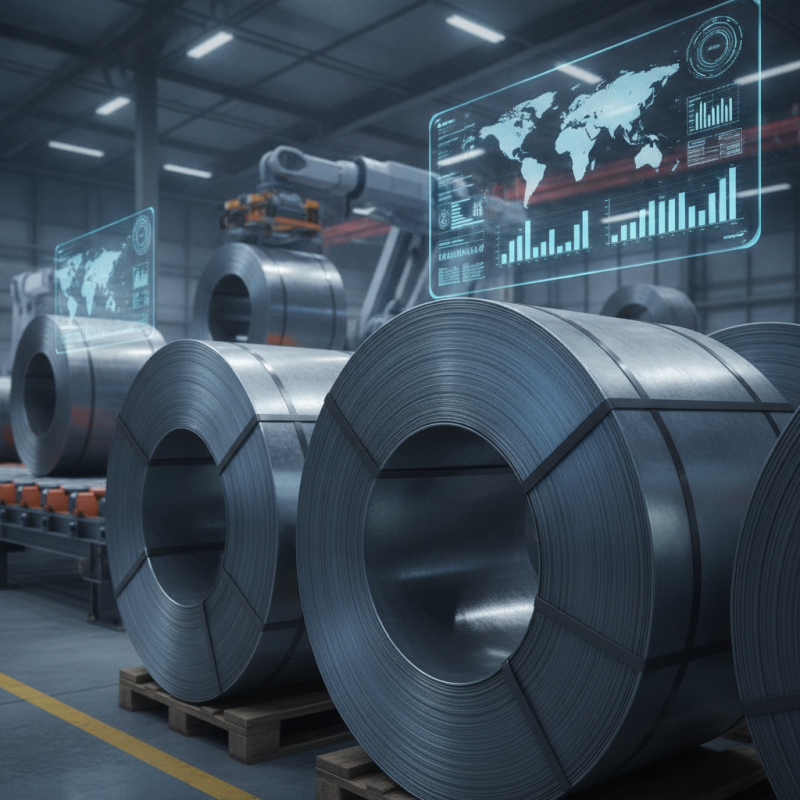
Understanding Carbon Steel Strip Coil and Its Applications
Carbon steel strip coil is an essential material in various industries. It offers high strength and excellent machinability. Used in automotive, construction, and manufacturing, its applications are diverse. Many manufacturers prefer carbon steel for its cost-effectiveness and durability.
Understanding the composition of carbon steel strip coil is crucial. It generally contains carbon, manganese, and iron. The carbon content affects the hardness and tensile strength. Higher carbon levels increase strength but reduce ductility. Businesses must select the right type based on specific needs.
Quality is paramount, so sourcing from reputable suppliers is necessary. Not all carbon steel strip coils have the same properties. Variations in production techniques can lead to differences in quality. Some coils may rust or degrade quickly.
Testing and certifications play a vital role in ensuring reliability. Businesses should prioritize sourcing from trusted suppliers who provide transparency about their manufacturing processes. This approach helps mitigate risks associated with inferior materials.
Identifying Key Specifications for Quality Carbon Steel Strip Coil
In sourcing quality carbon steel strip coil, understanding key specifications is vital.
Thickness, width, and type of steel significantly influence performance.
According to a 2023 industry report by the World Steel Association,
a high demand for strips measuring 0.5 to 1.2 mm prevails in automotive applications.
These specifications ensure the right strength and flexibility for various uses.
Additionally, the yield strength must be calculated accurately.
ASTM A1008 standards recommend a minimum yield strength of 230 MPa for automotive components.
Buyers often overlook this metric, leading to subpar purchases.
Proper documentation and testing, including tensile strength tests, are crucial.
Many suppliers may lack transparency about their materials, creating potential risks.
Surface finish is another critical specification.
A rough finish can lead to poor performance and increased wear.
The need for tighter tolerances is rising.
With data showing an increase in precision-engineered applications, this aspect deserves more attention.
Industry observers note that clear specifications can prevent costly mistakes in the production process.
Evaluating Suppliers for Reliable Carbon Steel Strip Coil
Sourcing quality carbon steel strip coil involves careful evaluation of suppliers. A reliable supplier should demonstrate expertise in the steel industry. Look for suppliers with a strong track record and positive customer feedback. They should offer transparency regarding their sourcing practices and product specifications. Understanding their production process is key to ensuring quality.
Tips:
Check for industry certifications. These can indicate a supplier's commitment to quality standards. Ask for references from previous clients. This can provide insight into their reliability and service.
When assessing a supplier, consider their responsiveness. A good supplier should answer questions promptly. This indicates their commitment to customer relations. If communication lacks clarity, it may be a red flag. Evaluate their pricing models, but don’t compromise quality for cost. Quality steel is an investment that pays off in durability.
Remember, sourcing is not just about finding the lowest price. It's about establishing a relationship with a supplier who aligns with your quality requirements. Be prepared to reflect on your choices. Sometimes the costliest error is choosing an unreliable partner. Think critically about each potential supplier’s ability to meet your long-term needs.
How to Source Quality Carbon Steel Strip Coil in 2026? - Evaluating Suppliers for Reliable Carbon Steel Strip Coil
| Supplier Location |
Production Capacity (tons/year) |
Quality Certifications |
Delivery Time (weeks) |
Price (per ton) |
| USA |
5000 |
ISO 9001, ASTM |
6 |
700 |
| Germany |
3000 |
DIN, EN |
8 |
750 |
| China |
10000 |
ISO 14001, IATF 16949 |
4 |
500 |
| Japan |
2500 |
JIS, ISO 9001 |
5 |
720 |
| India |
7000 |
ISO 9001, BIS |
3 |
480 |
Assessing Industry Standards and Certifications for Quality Assurance
When sourcing carbon steel strip coils in 2026, understanding industry standards is crucial. Various certifications exist to ensure quality and reliability. Look for compliance with well-established standards like ASTM and ISO. These organizations set benchmarks that manufacturers must meet. Certifications indicate a commitment to quality and consistency.
Investigate what these certifications mean in practice. For instance, a certain standard may require specific mechanical properties or chemical compositions. Ensure suppliers can provide documentation to support their claims. Be cautious, as some manufacturers may have certifications that are outdated or not reflective of current practices.
Quality assurance doesn’t stop at certifications. Regular assessments and audits of suppliers are necessary. Sometimes, these audits reveal deviations from standards. Engaging with experts in the field can provide insights into best practices. They can help identify which certifications truly matter in the industry. The goal is to source materials that meet your specific needs without compromising on quality.
Future Trends in Carbon Steel Strip Coil Sourcing and Sustainability
In 2026, sourcing quality carbon steel strip coils will demand a keen focus on sustainability. Industry reports suggest that over 70% of manufacturers will prioritize eco-friendly practices. This shift not only supports environmental goals but also meets rising consumer demand for sustainable products. Carbon steel production is a major contributor to carbon emissions, and addressing this is critical.
To navigate this evolving landscape, buyers should consider suppliers committed to reducing their carbon footprints. Recent studies indicate that sourcing from suppliers using renewable energy can cut emissions by up to 60%. Make a habit of asking potential suppliers about their sustainability certifications. Transparency is crucial in establishing trust and ensuring long-term partnerships.
Tips for sourcing: Look for suppliers who share their carbon reduction goals. Regular audits can help you assess their progress. Maintain a backup list of suppliers in case your primary choice fails to meet sustainability requirements. Staying proactive in assessing your supply chain will ensure you don't fall behind as regulations tighten.
Conclusion
In 2026, sourcing quality Carbon Steel Strip Coil requires a comprehensive understanding of its characteristics and diverse applications across various industries. It is essential to identify key specifications that signify quality, such as material composition, thickness, and treatment processes, to ensure the final product meets operational needs.
When evaluating suppliers, it is crucial to assess their reliability and reputation in the market, as well as their adherence to industry standards and certifications that guarantee quality assurance. Moreover, staying informed about future trends in the sourcing of Carbon Steel Strip Coil, particularly regarding sustainability practices, will help businesses make informed decisions and maintain competitive advantages in an evolving marketplace.

 Tezhong