In the world of manufacturing, sourcing quality materials is crucial. Coil Carbon Steel is one such material. Experts like John Smith, a respected figure in metallurgical engineering, emphasize its importance. He once stated, “Finding the right Coil Carbon Steel can define your production quality.”
Understanding how to source Coil Carbon Steel effectively can make a significant difference. It involves evaluating suppliers, quality standards, and pricing. Many businesses face challenges when navigating the market. The variability in material quality can lead to production delays or increased costs.
When considering Coil Carbon Steel, look for reliable suppliers. Not all providers meet industry standards. Conducting thorough research is essential. Engaging with experts and seeking feedback can streamline the sourcing process. Balancing cost with quality should be a primary focus. This endeavor requires careful thought and strategic planning for long-term success.
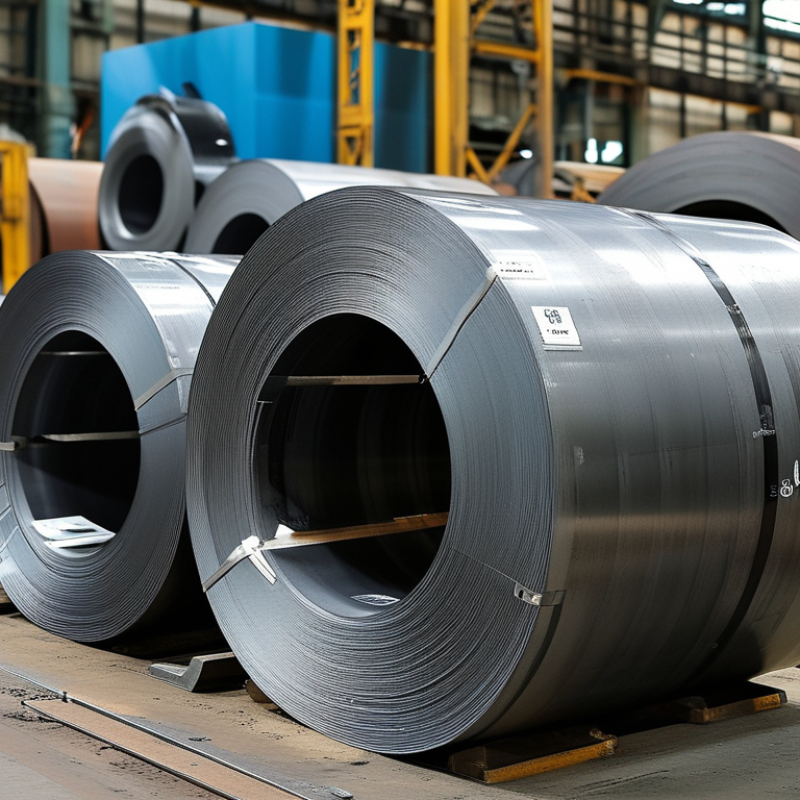
Understanding Coil Carbon Steel: Properties and Applications
Coil carbon steel is known for its strength and versatility. When sourcing coil carbon steel, understanding its properties is crucial. This type of steel has a tensile strength typically ranging from 300 to 600 megapascals. Its thickness varies, generally from 0.8 mm to 25 mm. These factors make it suitable for a wide range of applications, including automotive parts and industrial equipment.
In terms of applications, coil carbon steel is widely used in construction and manufacturing. According to industry reports, about 70% of coil carbon steel is utilized in the automotive sector. Its excellent formability allows manufacturers to create complex shapes easily. However, while it offers many benefits, there are challenges. Corrosion resistance is a common concern. Many manufacturers need to consider additional coatings to enhance durability.
Another essential aspect involves sourcing and quality control. Not all suppliers provide consistent material properties. Fluctuations in quality can lead to production delays or issues in the final product. Businesses must perform due diligence when selecting suppliers. Regular testing and certification can support better reliability in operations. Ultimately, understanding these nuances in coil carbon steel can guide businesses in making informed decisions.
Identifying Your Business Needs for Coil Carbon Steel
Identifying your business needs for coil carbon steel is crucial before making a purchase. Consider your project's specifics, such as dimensions, thickness, and application. For instance, if your project requires high strength, you'll need a specific grade of coil carbon steel capable of withstanding stress without failure. Conversely, if your work involves lighter stress applications, a different grade might suffice.
Assess the quantity you require. An accurate estimate can help prevent over-ordering or under-ordering. Having too much inventory ties up capital. Too little may halt production. Also, evaluate the delivery time. What are your project's deadlines? You cannot afford delays for critical operations. Think about where your steel will be stored. Proper storage conditions help prevent rust and other deterioration.
Quality assurance is vital. Research suppliers who offer reliable products. Look for certifications and compliance with industry standards. Avoid relying solely on cost; quality often correlates with price. You may want to establish a relationship with suppliers. This creates opportunities for favorable negotiations in future orders. Reflect on your needs regularly. As projects evolve, so might your requirements for coil carbon steel.
Researching Reliable Suppliers of Coil Carbon Steel
Finding reliable suppliers of coil carbon steel is crucial for your business. Start by defining your specific needs. Detail the types of grades, sizes, and quantities required. Understanding your requirements helps narrow down potential suppliers. You avoid wasting time on those who can't meet your expectations.
Next, research is key. Utilize online resources, industry forums, and trade directories to compile a list of suppliers. Read reviews and testimonials from other businesses. Genuine feedback can guide you in picking reputable options. Contact potential suppliers and ask for quotes and certifications. This step is vital for assessing their credibility.
Don't overlook the importance of communication. A supplier's responsiveness often indicates their professionalism. Experience can sometimes compensate for lower prices. However, don’t rush; building a long-term relationship with a trusted supplier may be more beneficial than quick savings. Reflect on your choices and be open to feedback. Your sourcing decisions can significantly impact your business’s success.
2026 How to Source Coil Carbon Steel for Your Business Needs?
| Supplier Location |
Minimum Order Quantity (tons) |
Delivery Time (days) |
Price per Ton (USD) |
Payment Terms |
| USA |
50 |
14 |
800 |
Net 30 |
| Germany |
100 |
20 |
750 |
Bank Transfer |
| China |
200 |
30 |
720 |
LC at Sight |
| India |
150 |
25 |
780 |
Cash in Advance |
| Brazil |
80 |
18 |
780 |
Net 45 |
Evaluating Quality Standards for Coil Carbon Steel Sourcing
When sourcing coil carbon steel, quality standards are critical. The American Iron and Steel Institute (AISI) suggests a few essential factors. These include tensile strength, yield strength, and thickness. High-quality coil steel typically has a tensile strength ranging from 400 to 700 MPa, ensuring it can withstand applied loads. Regular testing and certification from recognized labs can enhance reliability.
Another important aspect involves the material’s surface condition. A report by the Steel Market Development Institute emphasizes that clean surfaces can reduce defects during processing. This means checking for scale, rust, and other contaminants is vital. The right surface preparation not only impacts welding and machining but also affects the final product’s durability.
Pricing is another element tied to quality. According to the World Steel Association, higher quality often means higher costs. However, investing in top-grade materials may reduce overall expenses by minimizing failures and repairs. Evaluating each supplier’s quality assurance processes can lead to better long-term decisions in sourcing.
2026 Coil Carbon Steel Quality Standards Evaluation
Negotiating Contracts and Pricing for Coil Carbon Steel Purchases
When negotiating contracts and pricing for coil carbon steel, clarity is crucial. Understand your specifications. Knowing your exact requirements sets the foundation for effective discussions with suppliers. Discuss thickness, width, and finish. This will avoid misunderstandings later.
When approaching suppliers, don’t hesitate to ask for detailed quotes. Many factors influence pricing, like market demand and production costs. Be prepared to discuss these aspects. Assessing different suppliers helps you gauge fair market prices. Research recent trends to back your negotiations.
Tips: Always maintain open communication. Building relationships can lead to better deals. Consider starting with smaller orders to test the supplier’s reliability. Monitor the quality of materials received. Adjust future orders accordingly. This business strategy fosters trust and can lead to more favorable terms over time.
Conclusion
Coil Carbon Steel is a versatile and vital material used across various industries due to its favorable properties, such as strength and durability. Understanding the applications and specifications of Coil Carbon Steel is crucial for businesses aiming to meet their specific needs effectively. This involves assessing your requirements, including size, thickness, and grade, ensuring that the material aligns with your operational goals.
To successfully source Coil Carbon Steel, businesses must conduct thorough research to identify reliable suppliers known for quality and consistency. Evaluating quality standards is essential to guarantee that the products meet regulatory and performance criteria. Finally, negotiating favorable contracts and pricing will enable companies to secure the best deals while maintaining the integrity of their supply chain. By following this structured approach, businesses can effectively source Coil Carbon Steel to support their ongoing projects and production processes.

 Tezhong