Choosing the right Mild Carbon Steel Coil is essential in various industries, from construction to automotive. As the industry evolves, understanding how to select the best option is paramount. A report by the Steel Institute highlights that the demand for Mild Carbon Steel Coils is projected to increase by 15% over the next decade, reflecting their importance in manufacturing.
Expert John Miller, a leading figure in metallurgical engineering, emphasizes, "Quality and application specifics are key when selecting Mild Carbon Steel Coils." This statement underscores the complex factors in choosing the right steel coil. Factors include thickness, yield strength, and surface finish, which can greatly influence performance.
While there is ample information available, many potential buyers struggle with making an informed choice. Industry standards continue to change, and keeping updated is an ongoing challenge. It is crucial to weigh both technical specifications and practical applications. Selecting the appropriate Mild Carbon Steel Coil can significantly impact project success and durability.
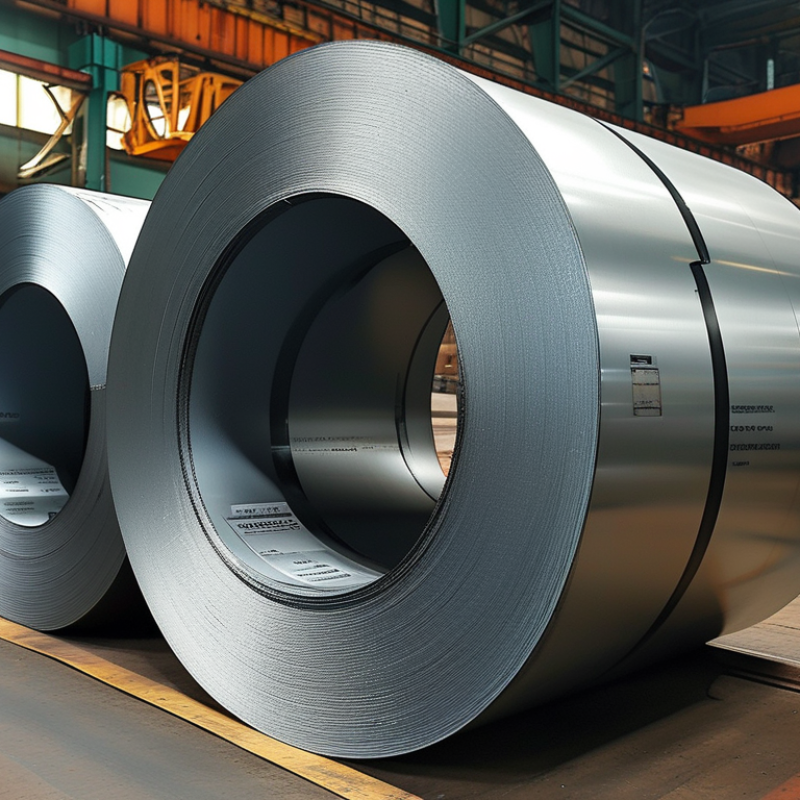
Understanding Mild Carbon Steel: Properties and Benefits
Mild carbon steel is widely known for its versatility and strength. This type of steel typically contains up to 0.3% carbon, making it malleable yet sturdy. According to ASTM standards, mild carbon steel is ideal for applications requiring good weldability and formability. Its chemical composition enhances both strength and ductility.
The benefits of mild carbon steel include excellent corrosion resistance when treated properly. A report by the World Steel Association indicates that about 60% of fabricated steel products are mild carbon steel. This material is also cost-effective, allowing for large-scale production at a lower price without sacrificing quality. Its properties make it suitable for structural applications, automotive parts, and equipment.
While the advantages are impressive, there are some aspects to consider. Mild carbon steel is not as strong as higher-carbon alternatives. In specific environments, it may be prone to oxidation if insufficiently protected. Engineers often argue about optimizing its usage in various projects. Choosing the right steel entails understanding its properties thoroughly and assessing specific project needs.
Identifying Your Project Needs: Mild Steel Coil Specifications
Mild steel coils are widely used in various industries due to their versatility and cost-effectiveness. When selecting a mild carbon steel coil, the project specifications greatly influence your choice. Important parameters include thickness, width, and tensile strength. According to the American Iron and Steel Institute, the most common thickness for mild steel coils ranges from 0.014 to 0.300 inches. These specifications impact the overall strength and suitability for different applications.
Understanding your project's needs is crucial. Are you creating components for construction, automotive, or manufacturing? Each application demands specific tensile characteristics. For instance, automotive parts may require a minimum yield strength of 30,000 psi. In contrast, lighter applications might be more flexible. The ASTM A1008 standard provides guidelines ensuring that the steel meets specific mechanical properties. However, not all suppliers comply with these standards, leading to variability in quality.
Quality assurance is often overlooked in procurement processes. Inconsistencies can arise from sourcing materials from different suppliers. Conducting thorough inspections and tests before procurement is essential. A study indicated that nearly 20% of mild steel products do not meet specified quality standards, which can lead to project delays and increased costs. Consider implementing rigorous quality checks to mitigate this risk and ensure project success.
Choosing the Best Mild Carbon Steel Coil for Your Project
This bar chart illustrates the key specifications to consider when selecting a mild carbon steel coil. The data shows different grades of mild steel and their corresponding tensile strength, yield strength, and ductility.
Evaluating Quality: Key Indicators of Superior Mild Carbon Steel
When evaluating mild carbon steel, several quality indicators stand out. The tensile strength is a crucial factor. According to industry reports, mild carbon steel typically shows tensile strength between 400 to 550 MPa. A higher tensile strength means better durability and resistance to deformation under stress. This is critical for construction and manufacturing applications, where steel must withstand significant pressure.
Another key indicator is the chemical composition. Mild carbon steel contains carbon content usually ranging from 0.05% to 0.25%. Understanding this can help you assess its workability and weldability. However, achieving the right balance between strength and ductility can be a challenge. Higher carbon content improves strength but may reduce ductility, leading to brittleness. Manufacturers often report variations, making it essential to check specifications carefully.
Surface finish is also important for functional applications. Reports indicate that smoother finishes enhance corrosion resistance. However, achieving a perfect finish can be difficult. Small imperfections may still be present, affecting performance. It's vital to consider these factors and seek certifications or detailed reports from suppliers to make informed decisions. Quality inspection processes can reveal the true integrity of the steel coil you choose.
Comparing Suppliers: Factors to Consider When Choosing Your Coil
When selecting a mild carbon steel coil, it's essential to consider several factors that can impact your project. Different suppliers may offer varying thicknesses, grades, and surface finishes. Think about your specific requirements, such as the application and environment. The right coil should meet your needs for strength and flexibility.
Tips: Look for suppliers with a good reputation in the industry. Reviews and customer feedback can provide insight into their reliability. Additionally, ask for sample coils. Testing these samples can help you assess their quality firsthand.
Quality control measures are another crucial aspect. Some suppliers might have stringent processes, while others may cut corners. Inconsistencies in quality can lead to project delays and increased costs. Ensure your supplier adheres to industry standards and certifications.
Tips: Establish clear communication with potential suppliers. Discuss your expectations and deadlines upfront. This openness can prevent misunderstandings and ensure a smoother workflow. A cooperative supplier can make a significant positive difference in your project outcomes.
Cost vs. Value: Budgeting for Mild Carbon Steel Coils
When considering mild carbon steel coils, the balance of cost and value is crucial. It’s tempting to choose the cheapest option. However, this can lead to issues. Low-cost coils may lack durability, resulting in more frequent replacements. This extra expense can outweigh initial savings. Cheaper materials might also impact your project quality. Understanding the true cost of ownership is key.
Evaluating your specific needs helps in budgeting wisely. Determine the required thickness, width, and finish for your project. These specifications can significantly affect the cost. It’s essential to compare different suppliers. Investigate their materials and services. Are they reputable? A lower price from an unreliable source might lead to complications later. It’s worth investing time to gather multiple quotes and assess each option's long-term benefits.
Remember that reliable suppliers often offer better support and warranties. This adds another layer to your decision-making. Make sure to factor in all costs, including potential delivery or handling fees. Value isn't just about upfront costs; it’s about the overall return on your investment. A thoughtful approach today can save you from costly mistakes in the future.
2026 How to Choose the Best Mild Carbon Steel Coil for You? - Cost vs. Value: Budgeting for Mild Carbon Steel Coils
| Specification |
Thickness (mm) |
Width (mm) |
Length (m) |
Cost per Ton ($) |
Estimated Value ($) |
| Mild Steel Coil A |
1.0 |
1000 |
6 |
600 |
700 |
| Mild Steel Coil B |
1.5 |
1200 |
5 |
750 |
900 |
| Mild Steel Coil C |
2.0 |
1500 |
4 |
800 |
1100 |
| Mild Steel Coil D |
2.5 |
2000 |
3 |
900 |
1300 |
FAQS
: Tensile strength is crucial. It typically ranges from 400 to 550 MPa, indicating durability against deformation.
Carbon content varies from 0.05% to 0.25%. Higher carbon improves strength but may reduce ductility, leading to brittleness.
A smoother finish enhances corrosion resistance. However, achieving a perfect finish can be challenging due to small imperfections.
Evaluate thickness, grades, and surface finishes. Good communication about expectations is vital for successful collaboration.
Request sample coils and check supplier certifications. Quality control measures vary significantly among suppliers.
Low-cost options may lack durability, leading to more frequent replacements and increased overall project costs.
A supplier with a good reputation often provides reliable materials and support, which can prevent future complications.
Factors include required thickness, width, and finish. Understanding your specific needs helps in budgeting effectively.
Comparing quotes helps assess long-term benefits versus immediate costs. It can also reveal reliable suppliers.
Consider potential delivery fees and the overall return on investment. Value goes beyond just the initial purchase price.
Conclusion
When selecting the best Mild Carbon Steel Coil for your project, it is crucial to first understand its properties and benefits, such as durability, weldability, and versatility. Assessing your specific project needs—including dimensions, thickness, and mechanical properties—will ensure you choose the right specifications. Evaluating quality indicators, such as tensile strength and surface finish, helps in identifying superior Mild Carbon Steel Coils that meet industry standards.
Furthermore, when comparing suppliers, consider factors like reputation, customer service, and delivery options to ensure a reliable partnership. Balancing cost and value is essential; while sticking to a budget, prioritize coils that offer the best performance for your investment. By following these guidelines, you can confidently select the Mild Carbon Steel Coil that best fits your requirements and project goals.

 Tezhong