In the world of manufacturing, choosing the right materials is crucial. When it comes to construction and heavy industries, understanding "Carbon Hot Rolled Steel Coil" is vital. John Anderson, a leading expert in metallurgical engineering, states, "Quality starts with the right selection of steel coils." His insight highlights the importance of making informed decisions.
"Carbon Hot Rolled Steel Coil" provides excellent strength and flexibility. Industries widely use it for various applications, including automotive and structural components. However, selecting the best coil involves more than just strength. Factors such as surface finish, thickness, and yield strength are essential for optimal performance.
Some might overlook the significance of these details. Choosing the wrong coil could lead to potential risks during production. It's crucial to acknowledge that every application has unique requirements. Thus, being diligent in research and consulting experts can pave the way for better choices. Ultimately, the right selection of "Carbon Hot Rolled Steel Coil" can lead to successful project outcomes.
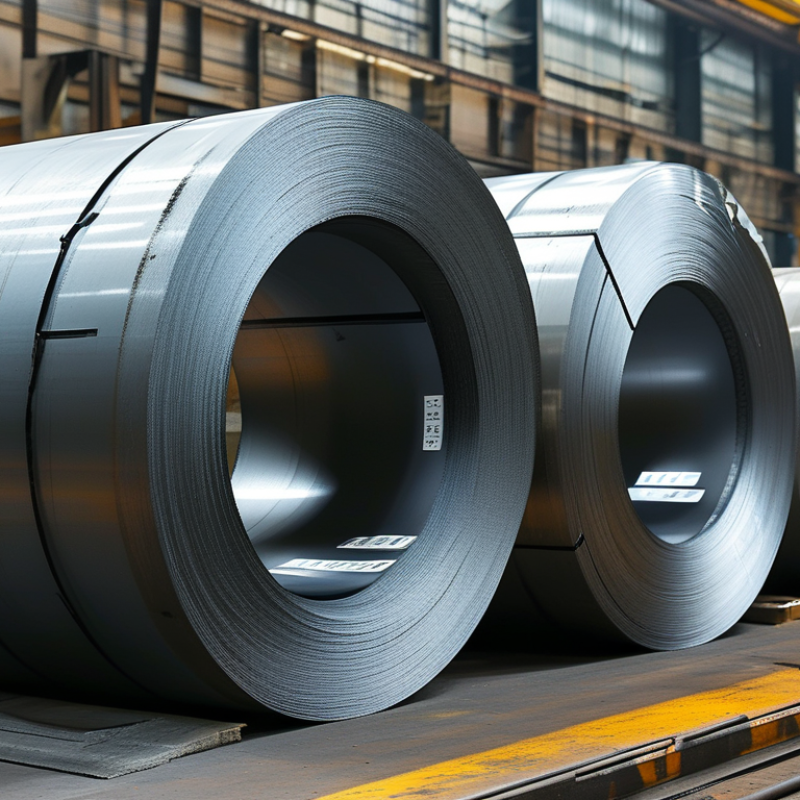
When selecting carbon hot rolled steel coils, understanding their definitions and types is crucial. Carbon hot rolled steel coils are produced by rolling steel slabs at high temperatures. This process makes the steel malleable yet sturdy. The main types include low, medium, and high carbon steels. Each type has its own applications, such as construction or manufacturing.
Choosing the right type depends on your project. For example, low carbon steel offers good weldability and ductility. Medium carbon steel provides higher strength, suitable for structural applications. High carbon steel, while harder, may be difficult to weld. Recognizing these differences helps in making informed choices.
Tips: Always consider the end use of your steel. Will it be exposed to heat or weight? Evaluating these factors is essential. Additionally, if unsure about specific properties, consult with professionals. Testing samples before large purchases is wise. Familiarize yourself with the specifications to avoid costly mistakes. Remember, informed decisions lead to better results.
When selecting a carbon hot rolled steel coil, understanding carbon content is crucial. Carbon plays a significant role in defining steel's mechanical properties. Higher carbon content typically increases strength but can reduce ductility. For applications requiring toughness, lower carbon content is often preferable. This balance must align with the intended application of the steel.
It's essential to consider how the carbon level affects the heat treatment of the steel. Heat treatment processes can enhance the material's performance. However, different carbon contents respond variably to these processes. Sometimes, a specific carbon range may not meet performance expectations. Experimentation and testing can reveal the best choices for particular situations.
A close examination of your project's requirements is necessary. This includes load-bearing capacities and environmental conditions. Understanding the implications of carbon content can lead to better decision-making. It might also reveal areas needing improvement in existing practices. Getting this right is not always straightforward. Frequent adjustments and trials can spark better results in the long run.
When selecting carbon hot rolled steel coils, understanding the manufacturing process is vital. Hot rolling involves heating steel above its recrystallization temperature. This reduces energy consumption compared to cold rolling, making it more cost-effective. According to a report by the World Steel Association, hot rolled products represent about 40% of global steel production.
The process begins with heating steel billets in a reheat furnace. This allows for easy shaping. Next, the heated billets pass through a series of rollers which stretch and flatten the metal to the desired thickness. The temperature during this process remains consistently high, ensuring a refined microstructure, resulting in improved mechanical properties. However, this method can lead to surface defects.
Tips: Always inspect the surface of the coils. Look for signs of pitting or scaling. These imperfections can affect the steel's performance.
Another critical aspect is the cooling stages post-rolling. Rapid cooling can introduce stresses within the material. Proper control of cooling rates is essential. Data suggests that an optimized cooling process can enhance strength while maintaining ductility. Industry experts note that even minor deviations in temperature can lead to significant quality issues.
Tips: Evaluate the reliability of the supplier's cooling techniques. Consistency is key when choosing coils for structural applications.
When selecting a carbon hot rolled steel coil, understanding industry standards is crucial. Quality assessment relies heavily on specifications such as the ASTM A1008, which defines acceptable chemical compositions and mechanical properties. This standard ensures that the steel coil meets necessary strength and durability requirements.
Another vital aspect is the dimensional tolerances. The thickness and width of the coil can significantly affect its performance in various applications. Ensuring these measurements align with industry specifications is essential for optimal use. Each project may have unique needs, so consider how variations can impact structural integrity.
It is also important to reflect on the certification process. Not every supplier adheres to the same standards. This inconsistency can lead to significant issues down the line. Relying on trusted sources and verifying certifications can help mitigate risk. Purchasing the right steel coil is just as much about understanding the specifications as it is about quality assurance.
When selecting carbon hot rolled steel coils, understanding key performance indicators is vital. Thickness and width largely influence the coil's strength and application suitability. These measurements must align with industry standards and specific project requirements. Surface quality, including texture and finish, is equally significant. A smooth surface is essential for certain applications.
Mechanical properties such as tensile strength, yield strength, and ductility must also be evaluated. These factors determine how well the material can withstand stress and deformation. Choosing a coil with inadequate mechanical properties can lead to failures in the final product. It's essential to recognize the balance between strength and formability.
Another aspect is the coil's chemical composition. Different alloys can enhance specific attributes, but they can also complicate the manufacturing process. Always consult with industry experts to understand the trade-offs between different compositions. Learning from past mistakes can guide future selections. Keeping records of previous projects will help refine your choices. This approach aids in making informed decisions that meet your project goals.
: They are steel coils produced by rolling slabs at high temperatures, making them malleable yet sturdy.
The main types include low, medium, and high carbon steels, each serving different applications.
Low carbon steel offers good weldability, while high carbon steel is harder but harder to weld.
Carbon content significantly affects strength and ductility; higher carbon increases strength but may reduce ductility.
Heat treatment can enhance steel performance, but different carbon levels respond differently to these processes.
Consider the end use, exposure to heat or weight, and consult professionals for specific properties.
Familiarize yourself with specifications, and testing samples before large purchases is always a wise choice.
Finding the right balance for strength and ductility can be complex and may require frequent adjustments.
Experimentation and testing can reveal the best choices for specific applications, leading to improved outcomes.
It can highlight performance implications, guiding better choices and revealing areas needing improvement.
When selecting a Carbon Hot Rolled Steel Coil, it is essential to first understand its key definitions and types, as this will guide you in making informed decisions. The carbon content in the steel significantly influences its strength and ductility, which are critical factors depending on the intended application.
Moreover, evaluating the manufacturing process is vital since it determines the coil's quality and performance. Familiarity with industry standards and specifications aids in further assessing the quality of different coils. Ultimately, by analyzing key performance indicators, you can ensure that you choose the right Carbon Hot Rolled Steel Coil that meets your specific needs and applications, thereby optimizing performance and reliability.

Tezhong