How to Choose the Best Carbon Steel Pipe for Your Project?

Time:2026-07-06 Author:Henry
0%

Choosing the right Carbon Steel Pipe for your project can significantly impact the outcome. Carbon steel is known for its strength and durability. In industry reports, around 60% of construction projects favor carbon steel due to its cost-effectiveness. These pipes serve multiple applications, from oil and gas to construction and plumbing.

However, not all carbon steel pipes are created equal. Various grades and specifications exist, each suited to specific conditions. According to the ASTM international standards, understanding the differences in tensile strength and corrosion resistance is vital. Proper selection can prevent costly failures down the line. Yet, many professionals overlook this important decision-making process.

Factors such as internal flow conditions and environmental exposure should guide your choice. A well-informed selection reduces the risk of premature failure. Relying solely on cost may prove short-sighted. Consider long-term performance and maintenance costs instead. This approach can create lasting value for your project. Your commitment to quality in materials will ultimately reflect in the success of your endeavors.
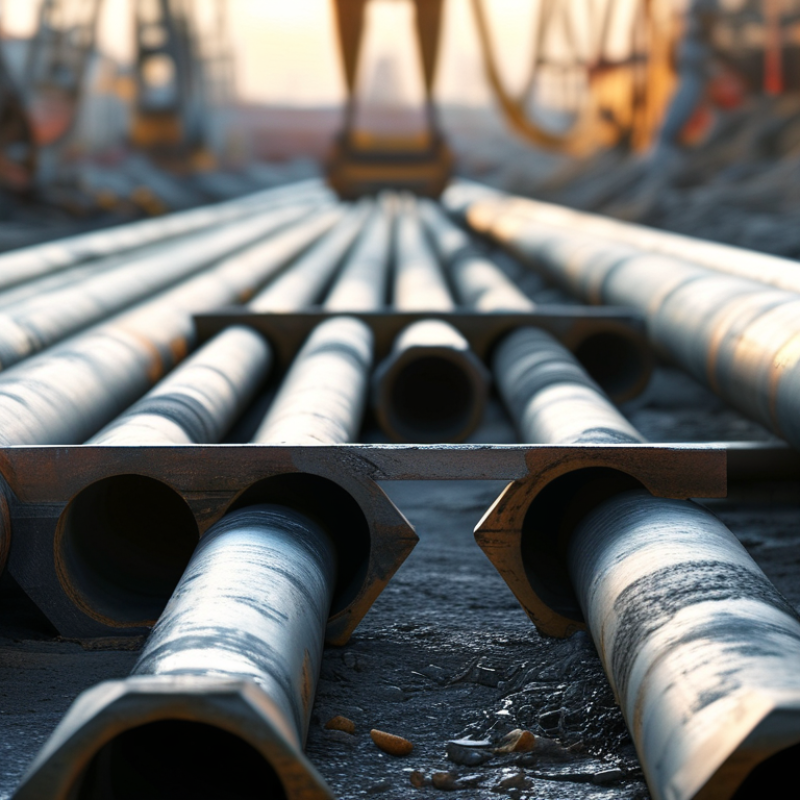
How to Choose the Best Carbon Steel Pipe for Your Project?

Understanding Carbon Steel Pipe Types and Grades

When selecting carbon steel pipes, understanding the variety of types and grades is crucial. Carbon steel pipes are typically categorized into three main grades: low, medium, and high carbon. Low carbon steel, containing less than 0.25% carbon, offers good ductility and weldability. It's widely used in manufacturing pipes for various applications. Medium carbon steel, with carbon content between 0.25% and 0.60%, provides enhanced strength. High carbon steel, containing more than 0.60% carbon, is often used for applications requiring robust mechanical properties.

It's essential to consider the specific ASTM standards associated with carbon steel pipes. For example, ASTM A106 is a common standard for seamless carbon steel pipes used in high-temperature service. Data from the Global Steel Pipes Industry Report (2022) indicates that the demand for carbon steel pipes has grown by approximately 5% annually, largely due to infrastructure development. However, while choosing the right type, one must also evaluate factors like corrosion resistance and tensile strength, which often vary across grades.

Remember, not all projects require the most robust materials. Sometimes, a lower grade may suffice. Identifying the actual need is vital. A miscalculation in grade selection could lead to unforeseen costs. While high-strength pipes offer durability, they may be unnecessary for certain applications. Balancing performance with cost-effectiveness is a challenge worth addressing. Making informed choices can significantly impact project outcomes.

Evaluating Project Requirements for Carbon Steel Pipe Selection

When evaluating project requirements for carbon steel pipe selection, several critical factors come into play. One significant aspect is the operating environment. For instance, in industrial settings, exposure to chemicals and extreme temperatures can affect pipe integrity. According to a recent report by the American Society of Mechanical Engineers (ASME), carbon steel pipes may lose up to 40% of their strength under high temperatures over prolonged periods. Thus, understanding these conditions helps determine the necessary specifications.

Another important consideration is the pipe's diameter and wall thickness. The American National Standards Institute (ANSI) recommends assessing the flow requirements carefully. Larger diameters might be necessary to minimize pressure loss in fluid transport, particularly in large-scale projects. However, increasing diameter could lead to higher costs and weight. Reflecting on the balance between performance and budget is vital. Engineers often find themselves at a crossroads, deciding between short-term savings and long-term durability.

Finally, ensure compliance with relevant industry standards and regulations. The selection process can be complex. Keeping abreast of the latest guidelines from organizations like the American Petroleum Institute (API) is crucial. Inadequate research or oversight in this area can lead to severe consequences, such as project delays or legal challenges. Each project has unique requirements, and taking the time to carefully evaluate these factors can save frustration down the line.

Comparison of Carbon Steel Pipes with Other Materials

When comparing carbon steel pipes to other materials, its strength and durability stand out. Carbon steel offers superior tensile strength, usually rated around 310 MPa. In contrast, stainless steel typically ranges between 200-250 MPa, making carbon steel a stronger option for heavy-duty applications. Additionally, carbon steel pipes are more cost-effective for projects requiring large volumes, often costing 20-30% less than their stainless steel counterparts.

However, carbon steel may not be suitable for all environments. It is prone to corrosion, especially in moisture-rich areas. While treatment options exist, such as galvanizing or applying protective coatings, these can add to the overall cost. On the other hand, materials like PVC and HDPE have excellent corrosion resistance and are lighter. Their flexibility makes them ideal for certain applications but often lacks the strength needed in high-pressure situations.

The choice ultimately hinges on the project requirements. Carbon steel is excellent for structural uses where strength is essential. In contrast, other materials could provide better performance in specific conditions. Understanding these nuances is crucial for selecting the right pipe material for your needs.

Key Factors to Consider When Choosing Carbon Steel Pipes

When selecting carbon steel pipes for your project, it’s crucial to consider several key factors. The intended application of the pipe significantly affects your choice. Different environments can lead to varying levels of stress and conditions, which can influence the pipe’s performance. Assess where and how the pipe will be used. This understanding helps align material properties with project requirements.

Another critical factor is the thickness of the pipe. Thicker pipes may withstand more pressure but could be heavier and more challenging to handle. Conversely, thinner pipes can be easier to work with but may compromise durability. It's essential to strike a balance based on your project’s demands.

Tip: Always check the pipe's specifications. Look for detailed information such as the yield strength and compatibility with surrounding materials.

Consider also the finish of the pipe. A good finish can enhance corrosion resistance and overall longevity. Evaluate the surface treatment that may be necessary for your application. A well-finished pipe can save costs in the long run.

Tip: Consult with industry experts if you're uncertain. Their experience can provide valuable insights into your specific needs, possibly steering you in the right direction.

Carbon Steel Pipe Specifications Comparison

This chart displays the important specifications of common carbon steel pipes, including diameter, wall thickness, weight per foot, yield strength, and cost per unit. These factors are crucial when selecting the best carbon steel pipe for your project.

Best Practices for Sourcing and Purchasing Carbon Steel Pipes

When sourcing carbon steel pipes, it's crucial to understand specifications. Factors like wall thickness, diameter, and grade impact performance. Industry standards, such as ASTM A106, guide selection. According to a recent report from the American Society of Mechanical Engineers, improper selection leads to 30% project delays.

Tips: Always request mill test reports. These documents confirm the chemical and physical properties of the pipes.

Quality control should not be neglected. Inspect suppliers’ certifications and ask about testing methodologies. The International Organization for Standardization (ISO) provides relevant guidelines, ensuring reliability. A recent survey noted that 25% of procurement managers identified sourcing issues due to lack of audits.

Tips: Build relationships with reliable suppliers. This ensures better communication and support during purchases.

Understanding market dynamics can also help in negotiations. Prices fluctuate based on demand, material costs, and geopolitical factors. Monitoring trends can provide leverage. Remember, sourcing is not just about price; it's about long-term value.

FAQS

: What factors should I consider when selecting carbon steel pipes?

: Consider the operating environment, intended application, pipe diameter, wall thickness, and relevant standards.

How does the operating environment affect carbon steel pipes?

Exposure to chemicals and extreme temperatures can weaken pipes. This affects their integrity and performance.

What role does pipe diameter play in selection?

Larger diameters can minimize pressure loss, but they also increase costs and weight. Balance is key.

Why is pipe thickness important?

Thicker pipes handle more pressure but may weigh more. Choose a thickness that meets your project demands.

How does carbon steel compare to other materials?

Carbon steel is stronger and more cost-effective than many materials. However, it can corrode easily in moist environments.

What treatments can help with corrosion in carbon steel pipes?

Treatments like galvanizing or protective coatings can enhance corrosion resistance, but they may increase costs.

Why is compliance with industry standards essential?

Following standards prevents project delays and legal challenges. It ensures the pipes meet safety and performance requirements.

What specifications should I check for carbon steel pipes?

Look at yield strength, compatibility with materials, and surface treatment. Detailed specs guide proper selection.

Should I consult experts when selecting pipes?

Yes, industry experts offer valuable insights. Their experience may highlight crucial factors you haven't considered.

Can thinner pipes be viable for certain applications?

Thinner pipes are easier to handle but may compromise durability. Assess if the trade-off meets your project needs.

Conclusion

When embarking on a project that involves the use of Carbon Steel Pipe, it is crucial to understand the various types and grades available. Evaluating the specific requirements of your project is essential, as this will guide you in selecting the most suitable Carbon Steel Pipe. Furthermore, comparing Carbon Steel Pipes with other materials can provide insight into their advantages and disadvantages, helping you make an informed decision.

Key factors to consider when choosing Carbon Steel Pipes include the intended application, pressure ratings, and environmental conditions. Best practices for sourcing and purchasing involve seeking reputable suppliers and ensuring that the materials meet the necessary standards and specifications. By thoughtfully considering these elements, you can effectively select the best Carbon Steel Pipe for your project's needs.

Henry

Henry

Henry is a dedicated marketing professional with a profound expertise in the company's offerings. With years of experience in the industry, he possesses an impressive understanding of the market dynamics and consumer behaviors that drive success. Henry is committed to sharing his insights through......