In the construction and manufacturing industries, the selection of materials plays a crucial role in project success. One of the key materials is the Seamless Carbon Steel Pipe. According to recent industry reports, the global market for seamless pipes is expected to grow significantly, projected to reach $31 billion by 2026. This growth is driven by their exceptional strength and durability, making them vital for high-pressure applications.
When choosing Seamless Carbon Steel Pipe, understanding its specifications is essential. These pipes exhibit superior performance under extreme conditions, often seen in oil and gas sectors. With less risk of corrosion and failure, they are preferred for critical infrastructures. However, the decision-making process can be complex and may lead to oversights, such as neglecting to consider pipe grades and manufacturing standards.
Selecting the right seamless pipe requires careful evaluation of project needs, environmental factors, and compliance with industry standards. Engaging with knowledgeable suppliers can help mitigate risks associated with material selection. Balancing technical requirements with supplier reliability is pivotal for achieving long-term project goals.
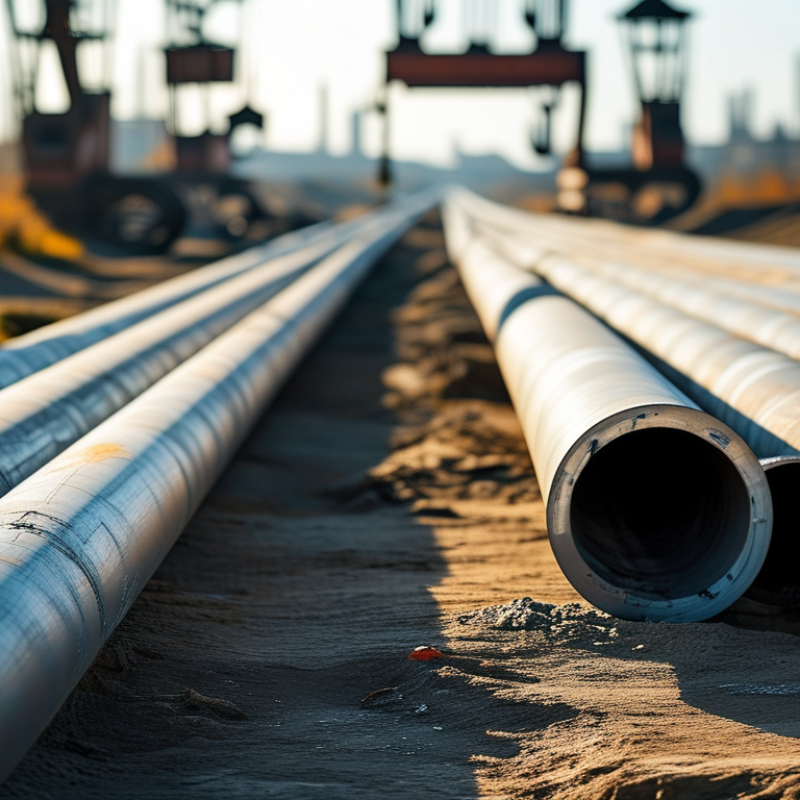
Understanding the Basics of Seamless Carbon Steel Pipes
Understanding seamless carbon steel pipes is essential for various industrial applications. These pipes are commonly used in construction, oil and gas, and automotive sectors. According to a report by the Global Pipe Market Research, seamless pipes account for approximately 40% of the global steel pipe production. This highlights their significance in industrial practices.
Seamless carbon steel pipes are manufactured through a process that allows for a smooth finish without welded joints. This makes them ideal for high-pressure applications. They typically have better strength and durability compared to welded alternatives. A study from the American Society of Mechanical Engineers indicates that seamless pipes provide a higher level of leak resistance, crucial for sectors like oil and gas.
However, it is important to choose the correct specifications for your project. Not all seamless pipes meet the same standards. Industry standards like ASTM A106 and API 5L provide guidelines on quality and performance. Yet, many overlook these crucial details, which can lead to project failures. Ensuring compliance with these standards is vital for the safety and efficiency of any installation.
How to Choose Seamless Carbon Steel Pipe for Your Project?
| Dimension (inches) |
Wall Thickness (mm) |
Weight (lbs/ft) |
Material Grade |
Length (ft) |
| 1/2 |
2.77 |
0.12 |
A106 Grade B |
20 |
| 3/4 |
2.87 |
0.27 |
A106 Grade B |
20 |
| 1 |
3.02 |
0.41 |
A106 Grade B |
20 |
| 2 |
4.00 |
1.89 |
A106 Grade B |
20 |
| 3 |
5.00 |
3.77 |
A106 Grade B |
20 |
Identifying Project Requirements for Material Selection
When selecting seamless carbon steel pipe for a project, clearly identifying your requirements is crucial. Start by considering the application and environmental factors. For instance, is the pipe intended for high-pressure systems or corrosive environments? Different applications demand distinct material properties. Identifying these needs can guide you toward the correct specifications.
Next, focus on dimensions and strength. The size and thickness of the pipe significantly impact its performance. Are you maximizing flow efficiency, or is durability your primary concern? Evaluate the pressure ratings, tensile strength, and resistance to temperature variations. Ensure your choices align with both safety standards and project goals.
Lastly, think about fabrication methods. Seamless pipes often come with advantages in terms of strength and reliability, but they can carry a higher cost. Balancing budget constraints against the need for quality is essential. Reflect on whether the added benefits justify the investment in seamless options, especially in long-term applications. Understanding these factors can lead to better decision-making.
Evaluating Pipe Specifications and Standards
When choosing seamless carbon steel pipes, evaluating pipe specifications and standards is crucial. Industry standards, such as ASTM A106 and ASTM A53, dictate minimum yield strength and tensile strength requirements. ASTM A106 specifies pipes with yield strengths of up to 60,000 psi, while ASTM A53 requires lower yield strengths, making it suitable for different applications. Understanding these distinctions helps in selecting the right pipe for your project needs.
Another factor to consider is the pipe's wall thickness. For instance, Schedule 40 pipes have a wall thickness significantly lower than Schedule 80 pipes. This variance affects not only strength but also pressure ratings. According to industry data, Schedule 40 pipes can handle pressures up to 1500 psi, while Schedule 80 pipes may handle higher pressures, up to 2000 psi. Evaluating your project's pressure requirements against these standards is essential for safety and performance.
Additionally, the intended application plays a vital role in specification choices. For high-temperature applications, select pipes that can withstand elevated temperatures. The temperature ratings vary significantly among different grades of carbon steel. Some applications may also require additional certifications for corrosion resistance. Such specifications are integral to ensuring long-term reliability in various environments. A thoughtful approach to these details can prevent costly mistakes down the line.
Comparing Seamless vs. Welded Carbon Steel Pipes
When selecting carbon steel pipes, consider the differences between
seamless and welded options.
Seamless carbon steel pipes offer enhanced strength and durability. They are produced without joints, reducing the risk of leakage.
According to industry reports, seamless pipes have a tensile strength up to 20% higher than welded counterparts.
This makes them ideal for high-pressure applications.
Welded carbon steel pipes are more cost-effective for larger projects.
They are made by joining metal pieces together, which can introduce weak points in the structure.
Data shows that welded pipes typically have a lower resistance to corrosion. This can result in shorter lifespans,
particularly in harsh environments. However, welding technology has improved.
Advances in processes like ERW (Electric Resistance Welding) have increased reliability.
Choosing the right pipe type depends on project requirements.
Seamless pipes excel in strength, while welded pipes offer affordability.
It's crucial to weigh the pros and cons carefully. Think about application, budget, and long-term durability.
Each project is unique, and sometimes a combination of both types may be beneficial.
Factors Influencing Cost and Availability of Seamless Pipes
When considering seamless carbon steel pipes for your project, cost and availability are crucial factors. The price of these pipes varies based on several elements. First, the size and thickness influence the cost significantly. Larger and thicker pipes require more raw materials and labor. Then, factors like market demand and production capacity play a vital role. In times of high demand, prices often inflate.
Additionally, the material's grade impacts availability and cost. Higher-grade materials may be harder to source, leading to potential delays. Shipping logistics also adds unpredictable costs. Pipes sourced from remote locations may incur higher transportation charges. Supply chain disruptions can occur, causing more uncertainty in availability.
Experience indicates that buying in bulk may reduce costs. However, this approach demands careful forecasting. A surplus of pipes can lead to wastage and financial strain if project requirements change unexpectedly. Keeping an eye on market trends and supplier relations is important for making informed decisions. Balancing cost and availability requires ongoing assessment and adaptability.
Cost and Availability of Seamless Carbon Steel Pipes (in USD per Ton)
FAQS
: They are commonly used in construction, oil and gas, and automotive sectors.
They offer better strength and durability. They have no welded joints, which means fewer failure points.
Evaluate specifications like yield strength and wall thickness. Industry standards guide these choices effectively.
ASTM A106 specifies higher yield strengths, while ASTM A53 has lower ones, suitable for different applications.
Schedule 40 pipes handle pressures up to 1500 psi. Schedule 80 pipes can handle higher pressures, up to 2000 psi.
Size, thickness, grade, market demand, and shipping logistics all affect pricing. High demand may inflate costs.
Yes, but it requires careful forecasting to avoid wastage and financial strain.
High-temperature applications require pipes that can withstand elevated temperatures. Choose grades accordingly.
Ensuring compliance prevents project failures and enhances safety and efficiency in installations.
Material grade and supply chain disruptions can cause delays and increase costs unpredictably.
Conclusion
Choosing the right Seamless Carbon Steel Pipe for your project involves a comprehensive understanding of the material's characteristics and your specific project requirements. It's crucial to identify what specifications and standards are relevant to your application, ensuring the selected pipes meet the necessary quality and performance criteria.
Furthermore, when comparing Seamless Carbon Steel Pipes to their welded counterparts, consider the benefits of strength and corrosion resistance that seamless types often provide. Additionally, factors such as cost and availability play a significant role in decision-making. A well-informed selection process will lead to optimal performance and durability in your project, making seamless carbon steel pipes a preferred choice for many applications.

 Tezhong