How to Choose the Right Carbon Steel Q235 Coil for Your Needs?

Time:2026-06-19 Author:Sienna
0%

When selecting the right Carbon Steel Q235 Coil, understanding its properties is crucial. This material is a low carbon steel, widely used in construction, manufacturing, and automotive sectors. According to a recent report from the Steel Institute, Q235 accounts for over 50% of the carbon steel used in China. Its excellent weldability and machinability make it a favorite choice for various applications.

Industry expert Dr. Richard Chen emphasizes the importance of making informed decisions. "Choosing the right Carbon Steel Q235 Coil can significantly impact your project's success," he notes. The coil’s tensile strength and ductility can vary, based on the manufacturing process. Therefore, understanding these factors is essential.

Moreover, the market trends indicate an increasing demand for more durable materials. Companies are seeking Carbon Steel Q235 Coil that meets specific quality standards. This trend raises questions about sourcing reliable suppliers. It's not just about the material; it’s about finding what fits your needs best. Quality control and certifications should be a priority in your selection process. Ultimately, the right choice influences not just cost, but also performance and longevity.
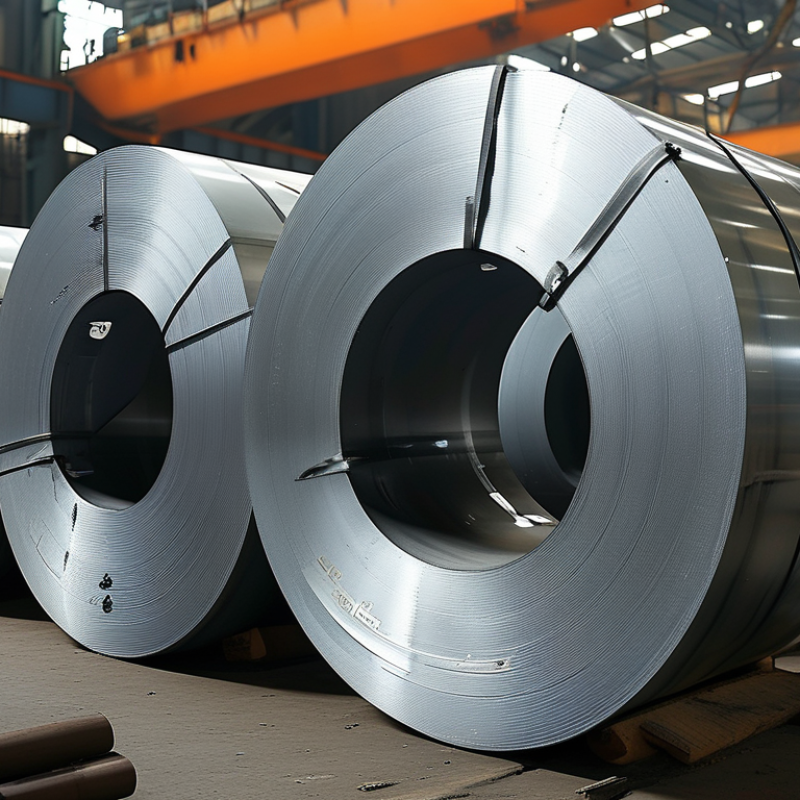
How to Choose the Right Carbon Steel Q235 Coil for Your Needs?

Understanding Carbon Steel Q235: Properties and Applications

Carbon steel Q235 is widely recognized for its balance of strength and versatility. This material boasts properties like a tensile strength of around 370-500 MPa and yield strength of 235 MPa. Such characteristics make it a popular choice in construction, manufacturing, and automotive industries. Its excellent weldability and machinability further enhance its application in various sectors.

In practical terms, Q235's low carbon content provides ductility and toughness. It is often used for structural components, plates, and beams, playing a crucial role in building frameworks. However, while Q235 is effective, it's essential to note that its corrosion resistance is limited. Without proper surface treatment, it may degrade over time in harsh environments. Industry reports suggest that about 60% of structural failures relate to unforeseen material weaknesses, prompting the need for careful material selection.

Many users appreciate the affordability of Q235, but this should not overshadow its performance considerations. Each application has unique demands. For example, Q235 may not perform well in high-temperature scenarios compared to other steel grades. A deeper understanding of its properties and potential pitfalls is key to leveraging its benefits effectively. This allows for better decision-making when choosing the right carbon steel for specific needs.

Identifying the Key Factors for Choosing Q235 Coil

When choosing the right Carbon Steel Q235 coil, several key factors come into play. The material's mechanical properties are crucial. Q235 offers good weldability and corrosion resistance, making it suitable for various applications. However, it’s essential to assess the specific needs of your project. Will the coil be used in construction or machinery? Understanding its intended use can guide your selection process.

Another factor to consider is thickness. Q235 coils come in various thicknesses. Thicker coils provide added strength, while thinner options offer flexibility. Evaluating the manufacturing process is equally important. Certain processes can affect the material’s overall performance. It’s wise to consider the methods used in production and how they may impact your project’s requirements.

Lastly, think about availability. Sometimes, the ideal coil may not be in stock. Understanding regional supply chains helps in planning and decision-making. Exploring alternatives may reveal options that meet your specifications. Be mindful of your choices and the implications they carry. Each decision in selecting Q235 coil shapes the outcome of your project. Always strive to make informed selections based on detailed evaluations.

Evaluating the Different Grades and Specifications of Q235

When evaluating Q235 carbon steel, it's essential to consider its grades and specifications. Q235 is popular for its good weldability and machinability. It is commonly categorized into different grades based on strength and carbon content. For instance, Q235A has a yield strength of about 225 MPa, while Q235B typically reaches up to 235 MPa. Understanding these variances helps in selecting the appropriate grade for specific applications.

Industry reports indicate that Q235 steel is widely used in construction and manufacturing. The chemical composition also varies slightly among grades, impacting their performance. The silicon content can range from 0.1% to 0.4%. This affects the steel’s corrosion resistance and wear characteristics. Many engineers overlook these details, which can lead to material failure in critical applications.

Choosing the right Q235 grade is not just about strength. Factors like thickness, surface finish, and intended use should also be assessed. Users often underestimate the importance of correct specifications, leading to unnecessary costs or project delays. Make sure to review all data before making a decision.

Carbon Steel Q235 Coil Grades Comparison

This bar chart compares the yield strength of different grades of Carbon Steel Q235 coils. As observed, Q235B offers a considerable increase in yield strength compared to Q235A, while Q235C and Q235D further enhance strength for more demanding applications.

Assessing Supplier Credibility and Product Quality Standards

When selecting a carbon steel Q235 coil, assessing supplier credibility is crucial. Start by researching industry standards. Quality certifications such as ISO or ASTM can offer insights into a supplier's competence. A reputable supplier should be transparent about their processes and sourcing methods. Lack of clarity can be a red flag.

Tips: Look for online reviews. They can provide real insights into customer experiences. Consider connecting with previous clients for feedback. This can shed light on the supplier’s reliability.

Product quality standards are equally important. A good Q235 coil should exhibit consistent dimensions and minimal defects. Understand the mechanical properties of Q235 steel, such as yield strength and elongation. Suppliers should readily provide this data.

Tips: Ask for a sample before placing a large order. This test can reveal variations in quality that may not meet your expectations. Don't hesitate to discuss quality control measures with the supplier. This shows you are serious about your purchase.

Cost Considerations and Budgeting for Q235 Coil Purchase

When budgeting for Q235 carbon steel coils, it is essential to analyze costs beyond the unit price. According to industry reports, prices for Q235 coils can range from $500 to $700 per ton, influenced by market demand and raw material expenses. Fluctuations are common, so staying updated with market trends is crucial. It's important to evaluate total costs including shipping, handling, and potential tariffs.

Another significant factor is quality and thickness. Thicker coils may demand a higher price but can offer better performance. For instance, a 3mm coil may be optimal for structural applications while 1.5mm may suffice for lighter purposes. Balancing performance needs with budget constraints can pose challenges. A thorough assessment of intended use and lifespan is necessary.

Misjudging the necessary specifications can lead to overspending or inadequate performance. Many buyers overlook the long-term implications of their choices. Investing in quality features can save money in the future. Researching suppliers for reliable materials may involve upfront costs but can ensure durability. مرافق كثيرة تقدم خصومات على الطلبات الكبيرة. Evaluating all possible facets will lead to more informed decisions.

FAQS

: What are the key factors in choosing Q235 coils?

: Mechanical properties, thickness, manufacturing process, and availability are crucial when selecting Q235 coils.

Why is thickness important in Q235 coils?

Thicker coils provide strength, while thinner coils allow for more flexibility in applications.

How does the manufacturing process affect Q235 coils?

Different manufacturing methods can significantly impact the material’s performance and suitability for specific projects.

What should I consider regarding availability of Q235 coils?

Regional supply chains affect stock levels. Always check availability before making decisions to avoid delays.

How do grades of Q235 vary?

Grades like Q235A and Q235B differ in yield strength; Q235A has around 225 MPa, while Q235B can reach 235 MPa.

Why is chemical composition significant in Q235?

Variances like silicon content, ranging from 0.1% to 0.4%, influence corrosion resistance and wear characteristics.

How can overlooking specifications affect a project?

Failing to consider the correct specifications can lead to material failure and unnecessary costs.

Should I focus only on strength when selecting Q235?

No, also assess thickness, surface finish, and intended use to ensure project success.

What is the impact of incorrect material choices?

They can lead to project delays and increased expenses, requiring careful evaluation beforehand.

What mistakes should I avoid when choosing Q235?

Don't underestimate the importance of thorough evaluation and understanding specifications; it can significantly impact your project.

Conclusion

When choosing the right Carbon Steel Q235 Coil for your needs, it's essential to first understand its properties and applications. Carbon Steel Q235 is known for its versatility and strength, making it suitable for various construction and manufacturing purposes. Identifying key factors, such as intended use, environmental conditions, and mechanical requirements, is crucial to selecting the appropriate coil.

Evaluating different grades and specifications of Q235 helps ensure that the material meets specific project demands. It’s also important to assess supplier credibility and adherence to product quality standards to guarantee reliable performance. Lastly, budgeting for the purchase involves considering the cost of the coil alongside the overall project expenses, enabling informed financial decisions. By addressing these aspects, you can effectively select the Carbon Steel Q235 Coil that aligns with your project requirements.

Sienna

Sienna

Sienna is a skilled marketing professional with a deep expertise in our company’s core products and services. With a passion for innovation and detail, she plays a pivotal role in crafting insightful blog posts that not only highlight the unique features of our offerings but also provide valuable......