In the world of manufacturing, choosing the right materials is crucial. "Hot Rolled Low Carbon Steel Coil" stands out as a preferred choice for many applications in 2026. Industry reports indicate that the demand for this material is projected to grow by 5% annually. This growth is driven by its versatility and cost-effectiveness in construction and automotive sectors.
John Smith, a prominent expert in steel manufacturing, recently emphasized, "Quality and selection in hot rolled low carbon steel coil are vital for ensuring project success." His insight underscores the importance of making informed decisions. Buyers need to consider factors like mechanical properties, surface finish, and thickness when selecting the right product.
However, challenges exist. Not all suppliers meet the same standards, and price fluctuations can impact choices significantly. Attention to detail is necessary to ensure reliability and performance in final applications. Understanding these nuances will empower manufacturers to make choices that align with their project goals.
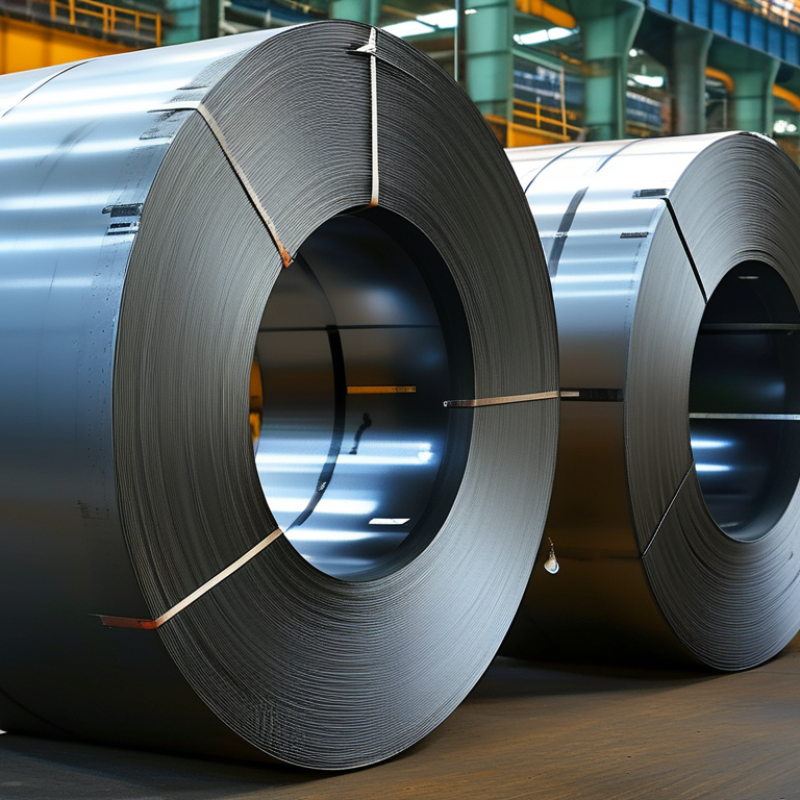
When selecting hot rolled low carbon steel coils in 2026, understanding specifications is crucial. These coils are widely used for various applications, from automotive to construction. Key specifications include thickness, width, yield strength, and chemical composition. Each of these factors plays a significant role in the steel's performance.
Thickness is especially important. It affects the strength and weight of the material. Wider coils are often more versatile, accommodating larger projects. Yet, one must reflect on how specific dimensions will serve unique purposes. Yield strength indicates how much force the steel can withstand before deforming. Not every project needs the highest yield strength; sometimes, a balance is better.
Tips: Check the chemical composition. Different compositions affect weldability and corrosion resistance. Be wary of overestimating a coil's capabilities. It's essential to align specifications with project requirements to avoid potential pitfalls. Always consult with experts for insights that pinpoint the best coil for your needs. This careful selection process can significantly impact the success of your projects.
Choosing the right hot rolled low carbon steel coil is crucial for project success. One primary factor to consider is the mechanical properties of the steel. According to an industry report, low carbon steel typically achieves a tensile strength range of 400 to 550 MPa. This range is suitable for various structural applications. Understanding this helps in selecting a coil that meets your project's needs.
Quality control is another vital aspect. Ensure that the steel coil is produced by certified manufacturers. Industry standards such as ASTM A1011 can guide your selection process. Look for material with low impurities, as this improves the steel's performance and longevity. Regular inspection can prevent costly issues later on.
Tip: Always compare the specifications of different coils. Sometimes, a slight variation can affect the overall performance. Also, keep in mind that the surface finish can impact weldability and aesthetics, so pay attention to this detail.
Selecting the right steel coil requires careful consideration. Analyze your project's specific needs and goals. Sometimes, a seemingly small detail can lead to significant drawbacks. Balancing these factors will lead to better outcomes.
When selecting hot rolled low carbon steel coils in 2026, understanding the different grades is crucial. Each grade has distinct characteristics affecting performance and cost. For example, A36 is favored for its weldability and strength, while SS400 is popular in structural applications due to its reliability and versatility. Expert reports indicate that A36 steel has a tensile strength range from 58,000 to 80,000 psi, making it suitable for diverse applications.
Tips: Always check the mill certification for the steel grades you consider. This document validates the grade and properties, ensuring you receive quality material.
The differences in grades also lie in their chemical compositions. For instance, S235 offers better control over yield strength, typically ranging from 40 to 50 ksi. In comparison, grades like S275 offer slightly higher yield strength, which is beneficial in high-load applications. Specifying the right grade can reduce long-term costs and enhance safety in structural projects.
Tips: Consult industry standards like ASTM or EN before making choices. They provide benchmarks for quality assurance. This investment in research pays off, averting costly mistakes.
| Grade | Chemical Composition (C, Mn, Fe, P, S) | Mechanical Properties (Yield Strength, MPa) | Typical Applications |
|---|---|---|---|
| A36 | C: 0.26%, Mn: 0.60-0.90%, Fe: Balance, P: ≤0.04%, S: ≤0.05% | 250 MPa | Construction, Bridges, Structural Components |
| S235JR | C: 0.17-0.20%, Mn: 1.40%, Fe: Balance, P: ≤0.04%, S: ≤0.05% | 235 MPa | General Fabrication, Machinery Manufacturing |
| Q235 | C: 0.12-0.20%, Mn: 0.30-0.70%, Fe: Balance, P: ≤0.045%, S: ≤0.050% | 235 MPa | General Construction, Steel Structures |
| ST37-2 | C: 0.20%, Mn: 1.20%, Fe: Balance, P: ≤0.045%, S: ≤0.045% | 235 MPa | Welding, Shipbuilding, Automotive |
| A569 | C: 0.15-0.25%, Mn: 0.60-0.90%, Fe: Balance, P: ≤0.04%, S: ≤0.05% | 310 MPa | Automotive Parts, Machinery, Construction |
Choosing the right supplier for hot rolled low carbon steel coil in 2026 is crucial. Reliability forms the backbone of any successful project. To evaluate reliability, consider supplier experience. An established supplier often demonstrates solid industry knowledge and practices. Look for years of operation and client testimonials. Experience often correlates with product consistency and reliability.
Product quality should not be taken for granted. It's essential to request samples before committing to large orders. Inspect the steel coil for signs of defects or inconsistencies. Engaging third-party inspectors can add credibility to your evaluation. Quality assurance protocols are vital. Check if suppliers adhere to recognized industry standards. Avoid suppliers who do not provide clear documentation on their quality assurance processes.
It’s important to remember that even reputable suppliers can have flaws. They may face production delays or quality lapses. Open communication about expectations is key. When issues arise, a reliable supplier should provide solutions swiftly. Transparency is a good indicator of a supplier's commitment to quality. Be cautious; every partnership needs ongoing evaluation.
In 2026, the demand for hot rolled low carbon steel coils is expected to grow. Companies will focus on industries like automotive and construction. These sectors demand high strength and formability. As innovations arise, the manufacturing processes will likely evolve. New technologies will aim to reduce costs and improve quality.
Sustainability will play a critical role. Steel producers will explore recycling methods. The push for eco-friendly options could reshape the market significantly. Consumers will seek materials that meet stricter environmental standards. Meanwhile, the growth of electric vehicles may drive unique requirements for steel properties.
Specific applications will emerge as trends develop. For instance, lightweight structures will require advanced steel solutions. Automation in manufacturing can lead to increased efficiency. However, challenges remain. Balancing cost and sustainability will require ongoing reflection. Companies must adapt to changing regulations and consumer demands. The landscape will be dynamic and complex.
: Mechanical properties, quality control, and surface finish are key factors. Each affects performance and longevity.
Low carbon steel typically has a tensile strength between 400 to 550 MPa. This range suits various structural applications.
Quality control ensures low impurities and prevents costly issues later. Always seek certified manufacturers for reliability.
Always review the mill certification. It verifies the grade and properties of the steel you intend to use.
Each grade has unique characteristics. For instance, A36 is known for weldability, while S235 offers better yield strength control.
The automotive and construction sectors are increasing demand. Sustainability and eco-friendly materials are also becoming crucial.
Innovations will likely reduce costs and improve quality. Balancing efficiency with sustainability remains a challenge.
Lightweight structures and automotive components will require advanced steel solutions as trends evolve.
A small detail overlooked can lead to significant setbacks. Careful analysis is required for optimal project outcomes.
The surface finish affects weldability and aesthetics. Paying attention to this detail is essential for your project's success.
In 2026, selecting the right Hot Rolled Low Carbon Steel Coil is crucial for the success of any project. Understanding its specifications, including thickness, width, and mechanical properties, is the first step in making an informed choice. Key factors to consider include the intended application, requirements for strength and ductility, and potential environmental impacts.
When comparing different grades, it’s essential to assess their mechanical properties and suitability for specific uses, such as construction or manufacturing. Additionally, evaluating supplier reliability and product quality plays a significant role in ensuring the material meets industry standards. Keeping an eye on future trends in Hot Rolled Low Carbon Steel Coil usage can also provide insights into emerging applications and innovations within the sector, enabling better decision-making for long-term projects.

Tezhong