China's steel industry is making waves as it focuses on Steel Coils Low Carbon Strips for global markets. Industry expert Dr. Emily Zhang, a leading metallurgist, believes that "the future of steel lies in its sustainability." This statement highlights the growing importance of low carbon options.
These Steel Coils Low Carbon Strips offer significant advantages. They reduce greenhouse gas emissions during production and use. Moreover, they appeal to buyers seeking eco-friendly materials. China's commitment to sustainability may reshape the global steel landscape. International demand for lower carbon solutions is increasing.
However, challenges remain. Producing low carbon strips at scale is still a complex task. Manufacturers must focus on innovation while maintaining quality. Only then can they meet global buyer expectations. This evolving sector requires ongoing assessment and adaptation. The balance between quality and sustainability is delicate, yet crucial for the future.
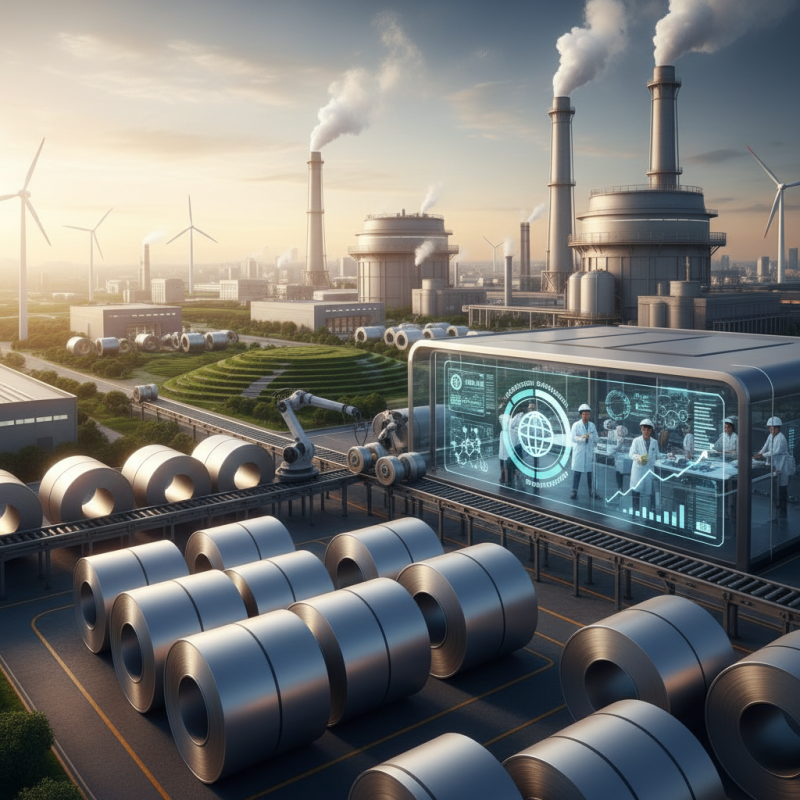
China is currently a global leader in producing low carbon steel coils. These strips have numerous advantages, including excellent formability and reduced environmental impact. According to the World Steel Association, low carbon steel usages have surged by 15% over the last five years, emphasizing a shift toward sustainability in the industry.
Low carbon strips are widely used in automotive applications, construction, and general manufacturing. They exhibit high weldability and ductility, essential for modern fabrication techniques. The global market reached an estimated value of $400 billion in 2022, reflecting a robust demand for these materials. However, quality control remains a challenge. Many manufacturers face discrepancies in thickness and yield strength, which impact overall product reliability.
Tips: Always verify the mill certificates before purchasing. These documents ensure that the steel strips meet specific standards. Also, consider the environmental certifications of the facilities where the strips are produced. Understanding these elements can enhance your supply chain's sustainability. Investing in quality now may prevent future issues related to performance and regulatory compliance.
Low carbon steel coils hold immense value in various industries. These strips feature a reduced carbon content, typically below 0.25%. This characteristic enhances their ductility and strength, making them ideal for manufacturing. Applications range from automotive production to construction. The smooth surface finish of low carbon strips allows for easy welding and processing.
Key specifications often include thickness, width, and tensile strength. Standard thicknesses typically range from 0.5 mm to 3 mm. Width can vary significantly, catering to different operational requirements. Buyers must consider the desired tensile strength, which generally falls between 280 MPa to 500 MPa. It's essential to understand that not all suppliers meet these standards consistently.
Attention to detail is crucial when selecting suppliers. The quality of the coils should be verified through certifications and testing reports. Many manufacturers may claim quality, yet only a few consistently deliver on that promise. Factor in delivery times and customer service as well. Efficiency and responsiveness can make or break a supply chain. Reflect on these aspects carefully before making commitments. Finding the right partner in low carbon steel supply isn't just about specs; it’s about building trust.
The global market for low carbon strips is experiencing significant growth. As industries become more environmentally conscious, the demand for these strips is rising. Low carbon strips are used across various sectors, including automotive, construction, and manufacturing.
Currently, many buyers prefer low carbon strips due to their reduced environmental impact. These strips maintain structural integrity while also minimizing carbon emissions. However, the market landscape is evolving. Buyers are often overwhelmed by varied quality standards and sources.
Tips: Always check the specifications before purchasing. Understanding quality metrics can save costs and enhance sustainability. Consider sourcing from multiple suppliers to mitigate risks.
Additionally, fluctuations in steel prices can affect global supply chains. Buyers need to stay informed about market trends and pricing strategies. Agile sourcing strategies can help maintain competitiveness. It’s essential to foster relationships with reliable suppliers, yet the challenge remains in ensuring consistent quality.
Tips: Engage in regular assessments of supplier performance. This practice can uncover potential issues early. Keeping communication channels open can lead to better collaboration, addressing concerns proactively.
China has established itself as a dominant player in the steel coil industry. This strength comes from a combination of factors that set it apart. One key advantage is the advanced technology used in production. Chinese manufacturers have invested heavily in automation and innovation. This leads to higher efficiency and lower production costs. As a result, low carbon strips can be produced at competitive prices.
Quality control is another area where China excels. Manufacturers implement stringent quality checks throughout the production process. This ensures that the final products meet international standards. Global buyers appreciate the consistency in quality. However, some companies still grapple with maintaining sustainable practices. Environmental impact remains a point of concern for many.
Tips: Always inquire about a supplier's production processes. Understanding their technology can reveal much about product quality. Also, ask about eco-friendly practices to ensure sustainability. The reputation of suppliers can vary widely. It's crucial to conduct thorough research before making a commitment. Look for suppliers with a track record of reliability. This can help mitigate potential risks in procurement.
| Dimension | China | Global Average | Competitive Advantage |
|---|---|---|---|
| Production Capacity (Million Tons) | 900 | 750 | High Output Efficiency |
| Average Production Cost (USD/Ton) | 450 | 550 | Lower Raw Material Costs |
| Export Volume (Million Tons) | 70 | 30 | Strong Global Demand |
| Market Share (%) | 50 | 30 | Established Presence |
| R&D Investment (% of Revenue) | 4 | 2 | Innovation Focus |
Sourcing low carbon steel coils involves careful consideration of several factors. Buyers should be aware of the increasing demand for low carbon steel in various industries. According to the World Steel Association, low carbon steel usage is projected to grow by 3% annually. This trend reflects its vital role in automotive and construction sectors.
Select reliable suppliers who prioritize quality. Look for certifications like ISO 9001, ensuring compliance with international standards. Recognize that inconsistency in steel quality can emerge in low-cost options. A study by Research and Markets indicates that price variances can reach 15% with lower-quality coils. This suggests that upfront savings might lead to higher long-term costs.
Understanding the specifications of low carbon steel coils is crucial. Factors such as thickness, width, and finish should align with project requirements. Suppliers often provide product data sheets detailing these properties. When unclear, don’t hesitate to request additional information. A transparent dialogue with suppliers fosters trust and helps mitigate risks related to material performance. In this industry, knowledge is power.
: Low carbon steel coils have a carbon content below 0.25%. This enhances their ductility and strength.
They are commonly found in automotive production, construction, and manufacturing sectors.
Key specifications include thickness, width, and tensile strength. Standard thickness ranges from 0.5 mm to 3 mm.
Supplier quality is crucial. Certifications and testing reports help verify the quality of low carbon steel coils.
There is a rising demand due to environmental awareness. Buyers prefer low carbon strips for their reduced impact.
Consider sourcing from multiple suppliers. This strategy can help mitigate risks and ensure quality.
Fluctuations in steel prices can impact supply chains. Staying informed about market trends is critical.
China excels due to advanced technology, efficiency, and competitive pricing in production.
Inquire about suppliers' eco-friendly practices. Understanding their sustainability efforts is essential.
Keeping communication open fosters collaboration. This approach addresses issues proactively, improving overall performance.
The article titled "China Top Steel Coils Low Carbon Strips for Global Buyers?" provides a comprehensive overview of China's leading role in manufacturing low carbon steel coils. It highlights key specifications and characteristics of these Steel Coils Low Carbon Strips, emphasizing their durability and flexibility, which make them highly sought after in various industries.
Additionally, the article examines the global market demand and emerging trends related to low carbon strips, showcasing the increasing preference for environmentally friendly materials. It also discusses China's competitive advantages, including cost-effective production and advanced technological capabilities, positioning the country as a pivotal supplier. For global buyers looking to source low carbon steel coils, practical tips and insights are shared to facilitate informed purchasing decisions.

Tezhong