The global market for Carbon Steel Sheet Coil has witnessed significant growth in recent years. According to a report by Market Research Future, the carbon steel industry is expected to expand steadily, driven by increasing demand from automotive and construction sectors. Yet, while suppliers in China lead on pricing and quality, the competitive landscape remains complex.
Industry expert Dr. Alex Wang, a renowned metallurgical engineer, states, "The choice of Carbon Steel Sheet Coil suppliers can greatly impact project costs and outcomes." This highlights the importance of strategic supplier selection. Chinese manufacturers dominate the market due to their advanced production techniques and efficient logistics.
However, quality inconsistencies occasionally arise, leading to challenges in sourcing reliable products. Buyers must conduct due diligence to assess supplier credibility. Moreover, while competitive pricing is appealing, it is vital to prioritize quality and service. Selecting a trustworthy carbon steel supplier can pave the way for successful project execution, balancing cost and quality.
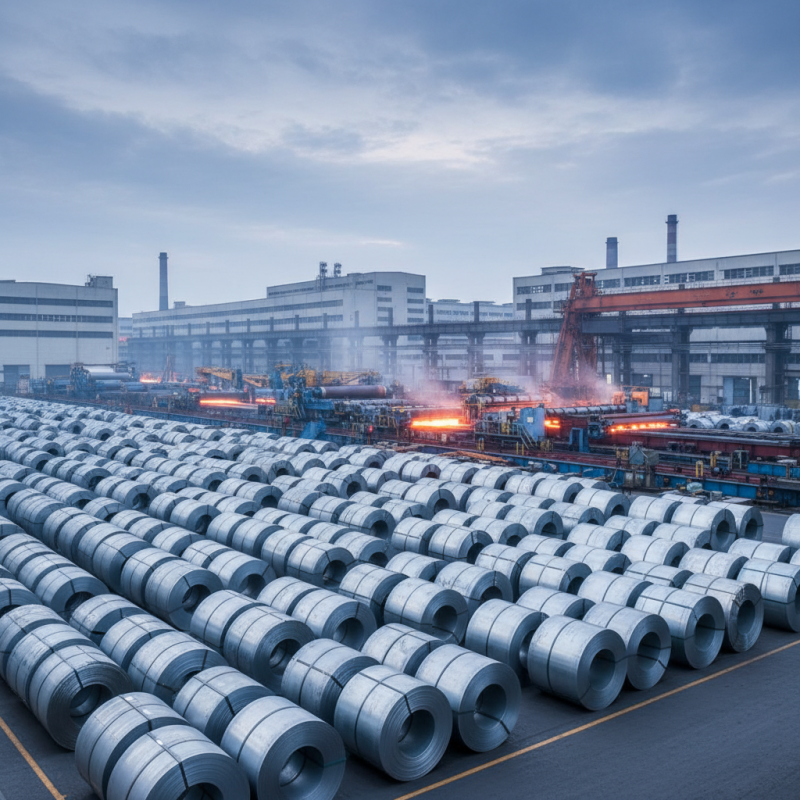
Carbon steel sheet coils hold a significant position in the Chinese market. They are extensively used in construction, automotive, and manufacturing industries. The local production of carbon steel sheets has grown steadily, driven by rising demand for durable and cost-effective materials. According to the China Iron and Steel Association, the production volume reached approximately 210 million tons in 2022. This figure highlights not only the industry’s capability but also the increasing reliance on Chinese suppliers for quality products.
Prices of carbon steel sheet coils in China vary based on thickness, width, and steel quality. Recent market reports indicate that the average price for standard coils ranges between $700 to $800 per metric ton. Fluctuating raw material costs, such as iron ore and coal, impact these prices significantly. Buyers should stay informed about market trends to negotiate better deals.
Tips: When sourcing carbon steel sheets, consider minimum order quantities and delivery lead times. Collaborating with multiple suppliers may ensure better price competitiveness. Always assess the supplier’s reliability by reviewing their certifications and customer feedback to mitigate risks associated with quality and service.
When selecting top carbon steel sheet coil suppliers, various criteria are key. Quality is paramount. Suppliers must provide materials that meet specific standards. This includes thickness, width, and mechanical properties that align with industry requirements. Certifications such as ISO or API enhance credibility.
Another critical aspect is pricing. While competitive pricing is essential, it should not compromise quality. Gathering quotes from multiple suppliers helps in identifying fair prices. However, discrepancies can arise. This requires careful assessment of each quote against the quality offered.
Additionally, responsiveness and customer service are significant. Suppliers should communicate effectively and address queries promptly. It reflects their commitment to customer satisfaction. However, sometimes, suppliers may focus on efficiency at the expense of personal touch. Balancing these aspects is not always straightforward, and each company must assess its priorities.
When considering top suppliers of carbon steel sheet coils in China, several factors play a critical role. The industry has seen significant growth, with demand driven by construction and manufacturing. According to recent market reports, China's carbon steel coil production is forecasted to reach 850 million tons by 2025. Leading suppliers contribute a substantial portion of this production, developing advanced techniques to meet high-quality standards.
Prices fluctuate based on market conditions and material costs. Currently, the average price for carbon steel sheet coils ranges from $700 to $900 per ton. Factors such as global demand and raw material availability directly impact these prices. It's essential to keep abreast of the market trends. Understanding supply chain challenges can help in planning purchases effectively.
Tip: Always evaluate multiple suppliers to negotiate the best prices. Visiting manufacturing sites can offer insights into their quality control processes. This research may reveal areas where a supplier's performance could fall short. Regularly reviewing supplier contracts can expose opportunities for cost savings.
Price trends for carbon steel sheet coils are influenced by various factors that shape the market. Supply and demand remain fundamental drivers. When demand surges, prices typically increase. Conversely, when production outpaces demand, prices can fall. Seasonal variations also play a role. For example, construction activity often spikes in warmer months, boosting demand.
Global factors must be considered as well. Tariffs and trade policies can significantly impact costs. Natural disasters and geopolitical tensions may disrupt supply chains. These events can lead to unexpected price surges. Additionally, fluctuations in raw material costs, particularly iron ore, affect the final pricing of steel products.
Monitoring these trends is essential for buyers. Keeping an eye on market reports can provide insights into future price movements. It's challenging to predict these fluctuations accurately. Therefore, businesses must remain agile. Adapting procurement strategies based on market conditions is crucial. A proactive approach can lead to better cost management and supply chain optimization.
When purchasing carbon steel sheet coils in China, it is essential to understand the market dynamics. Research potential suppliers thoroughly. Look for companies with established reputations and solid customer reviews. This can provide insights into their reliability and product quality. Many suppliers may offer attractive prices, but it is crucial to examine the materials they use.
Consider the specifications you need for your project. Different grades and thicknesses of steel can affect performance. Request samples before making large orders. This ensures that you receive a product that meets your needs. Don’t hesitate to ask questions during this process. Clarity in communication is vital.
Another point is to stay updated on market prices. Prices can fluctuate due to various factors, such as demand and raw material costs. Check multiple suppliers to gauge average pricing. However, don’t base your decision solely on cost. Sometimes, lower prices may come with hidden drawbacks, like compromised quality or delayed delivery. Always weigh the long-term benefits against short-term savings.
| Supplier Type | Average Price (USD/ton) | Delivery Time (Days) | Min Order Quantity (tons) | Quality Certification |
|---|---|---|---|---|
| Manufacturer | $500 | 30 | 20 | ISO 9001 |
| Distributor | $550 | 20 | 10 | CE Marking |
| Trader | $520 | 25 | 15 | ISO 14001 |
| Fabricator | $530 | 40 | 25 | SGS |
: Key factors include market reputation, customer reviews, and material quality. Supplier reliability matters significantly.
Prices usually range from $700 to $900 per ton. These prices can change based on market fluctuations.
Visiting sites helps to understand quality control processes. You may discover areas needing improvement in performance.
Always request samples to ensure the product meets your specifications and performance needs.
Market dynamics influence costs. Staying updated on trends can help you plan purchases without losing out on savings.
No, lower prices may mean compromised quality or delays. Evaluate long-term benefits over immediate savings.
Evaluate multiple suppliers to compare pricing. This gives you leverage for negotiation and potential savings.
Yes, clear communication helps clarify project specifications and expectations. Asking questions is always beneficial.
Regularly review contracts and supplier performance. Identifying weaknesses can help explore better alternatives.
Different grades and thicknesses affect performance. Clearly define what you need for your specific project.
The article provides a comprehensive overview of the carbon steel sheet coil market in China, detailing its significance and applications in various industries. It emphasizes the importance of selecting top suppliers based on specific criteria, such as product quality, reliability, and customer service. Additionally, the article lists leading suppliers in the Chinese market, highlighting their strengths and market presence.
Furthermore, the piece explores current price trends and the factors influencing the costs of carbon steel sheet coils, including raw material prices and demand fluctuations. It concludes with best practices for purchasing carbon steel sheet coils in China, guiding buyers on how to navigate the market effectively to ensure they make informed decisions.

Tezhong