In the world of manufacturing, the demand for Carbon Steel Roll Coil continues to rise. Experts emphasize its versatility and strength. John Smith, a renowned industry expert, states, "Carbon Steel Roll Coils are vital for diverse applications in construction and automotive sectors." This statement reflects the crucial role these materials play in various industries.
When purchasing Carbon Steel Roll Coil, global buyers face numerous challenges. Quality, price, and supplier reliability are key factors. It is essential to research suppliers thoroughly. A trustworthy supplier not only provides quality materials but also ensures timely delivery. Buyers often overlook these aspects, leading to potential setbacks in production.
Engaging with industry experts and reviews can offer valuable insights. Sometimes, even established buyers miss critical details. Effective communication with suppliers can resolve many concerns. Ensuring transparency in transactions fosters a better business relationship. Keeping these tips in mind can lead to successful procurement and optimization of resources.
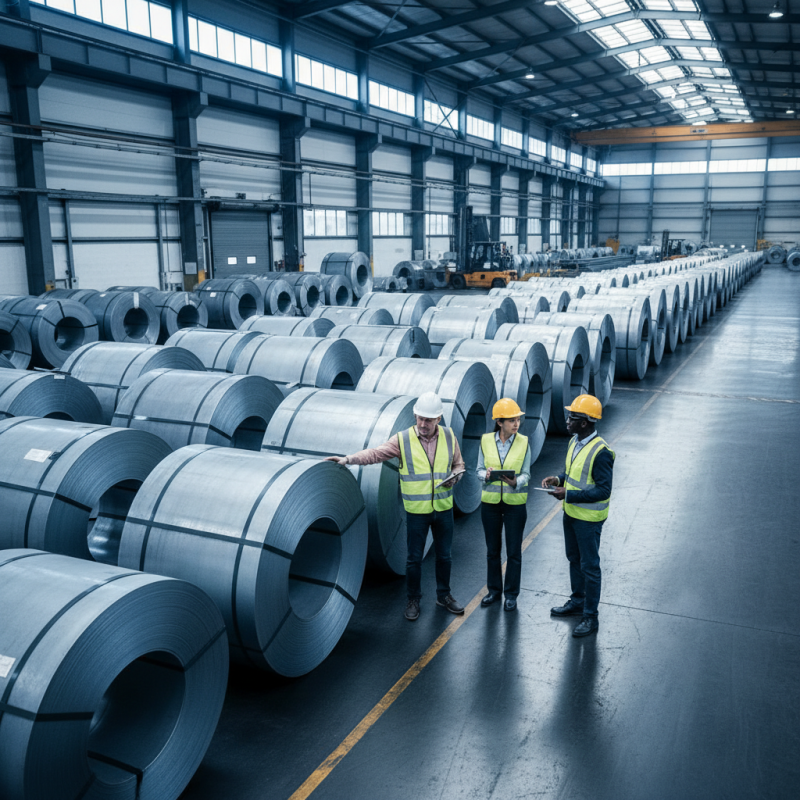
Carbon steel roll coils are a popular choice for various industries. Their durability and cost-effectiveness make them a favored material among manufacturers. Understanding their unique properties is essential for global buyers. Carbon steel combines iron and a small percentage of carbon. This combination leads to better strength and formability.
When buying carbon steel roll coils, focus on quality and specifications. Ensure that the material meets industry standards. Consider factors such as thickness, width, and finish. These details significantly impact the final product's performance. Always check suppliers' certifications to affirm quality. Engaging with reputable distributors is crucial. They often provide valuable insights into the material's characteristics.
One crucial tip is to seek samples before making large purchases. This allows you to assess the texture and strength firsthand. Also, don't hesitate to ask for mill test reports. These documents verify the mechanical properties of the material. Understanding your needs and the product's specifications will facilitate better choices. Consider potential supply chain issues too. These can affect delivery times and costs.
When purchasing carbon steel roll coils, buyer awareness is crucial. The quality of material should be a primary concern. Evaluate the steel’s tensile strength and yield strength. These properties directly influence the performance of the coils in diverse applications. Inspect the coil’s thickness and width as well; deviations can lead to significant issues during manufacturing.
Another essential factor is the supplier's reliability. A trustworthy supplier will provide certifications that validate the material's specifications. Request documentation that outlines the steel’s chemical composition. Knowledge of the supplier's history in the market can also inform your decision. Engaging with third-party reviews or industry contacts can reveal potential pitfalls in supplier interactions.
Cost considerations are vital but not everything. Sometimes, paying a bit more ensures better quality and service. Reflect on past purchases to analyze whether that lower price was worth any compromises. While it might be tempting to snag a deal, the long-term consequences could outweigh initial savings. Quality should not be sacrificed for the sake of cost-efficiency.
When evaluating quality standards in carbon steel roll coil production, several key aspects must be considered. One of the most critical factors is the composition of the alloy. Carbon steel typically contains varying percentages of carbon and other elements. According to the American Iron and Steel Institute (AISI), the percentage of carbon in high-quality carbon steel can range from 0.05% to 2.1%. This variance affects hardness, strength, and ductility.
Quality assurance processes are vital in the production of steel coils. Many manufacturers employ International Organization for Standardization (ISO) certifications. Reports suggest that 78% of buyers prefer suppliers with these certifications. These standards indicate that manufacturers adhere to strict quality control measures throughout the production process. Inspections often include tensile strength tests, impact tests, and metallographic assessments.
However, some manufacturers may cut corners to reduce costs, resulting in subpar products. It's crucial to conduct due diligence and seek third-party inspection services. This practice helps ensure that the steel coils meet the required specifications. Not all suppliers provide adequate information about their quality processes. Transparency is essential, as buyers must be aware of the sourcing and manufacturing practices. A thorough evaluation can save buyers from costly mistakes in the long run.
When sourcing carbon steel roll coils globally, reliability in suppliers is paramount. The global carbon steel market was valued at approximately USD 950 billion in 2021, with a strong growth rate projected in the coming years. With demand increasing, buyers must focus on finding trustworthy suppliers who can meet their specific needs.
Tips for sourcing effectively include starting with a thorough supplier background check. Use platforms like trade assurance services and industry reports to verify credentials. Don't overlook local trade associations, which can provide valuable leads and insights. Understanding your own requirements, such as the specific grade of steel, yield strength, and coating options, is essential. Suppliers often produce varying grades, and being precise aids in better negotiations.
After establishing a list of potential suppliers, request samples. This step allows you to assess quality. Evaluate factors like uniformity and thickness of the coils. It’s important to communicate openly about delivery timelines and after-sales service. Some suppliers may promise fast delivery but fail on quality. Rely on documented reviews and client feedback to make informed decisions. Remember, the best supplier will not only offer competitive prices but also exhibit reliability and quality assurance.
Negotiating prices and terms for carbon steel roll coil purchases can be challenging, especially for global buyers. Market research indicates that prices can fluctuate based on demand and production costs. The World Steel Association reported that global crude steel production reached 1.88 billion tons in 2022, impacting steel prices significantly. Strategic negotiations require understanding these dynamics.
Buyers should consider the total cost of ownership, not just the purchase price. Factors like shipping, customs duties, and local taxes play a crucial role. A recent industry survey indicated that logistics costs can account for up to 15% of total expenses. Aligning on payment terms can also lead to better cash flow management, which is vital for maintaining operational efficiency.
Establishing clear quality standards is paramount. Different grades of carbon steel impact the final product and pricing. Inconsistent quality can lead to production delays and additional costs. Data shows that nearly 30% of buyers face quality issues, costing both time and resources. Regular communication and transparent documentation between buyers and suppliers can mitigate these risks effectively.
: Focus on quality and specifications, such as thickness and width. These affect performance significantly.
Samples help assess texture and strength firsthand. They reduce risks associated with subpar materials.
Request mill test reports and check suppliers' certifications to confirm mechanical properties and specifications.
A trustworthy supplier provides valid certifications and quality materials, which is vital for successful transactions.
While costs matter, prioritizing quality can prevent future issues. Reflecting on past experiences helps in decision-making.
Knowing your specific requirements aids in negotiations and ensures suppliers meet your exact specifications.
Delays in delivery can arise from various factors. Always factor in potential disruptions when making purchases.
Conduct background checks, review third-party evaluations, and explore local trade associations for verified leads.
Fast delivery claims should be approached with caution. Confirm quality to avoid disappointing results.
Inspect samples closely for consistency in thickness and quality. This observation is critical for future manufacturing.
This article provides a comprehensive guide for global buyers interested in purchasing Carbon Steel Roll Coils. It begins by outlining the essential characteristics and applications of these materials, helping buyers understand their importance in various industries. Key factors to consider during the purchasing process are discussed, including the specifications, dimensions, and intended use of the coils.
Furthermore, the article emphasizes the significance of evaluating quality standards in production to ensure that the Carbon Steel Roll Coils meet industry requirements. Sourcing reliable suppliers is critical for obtaining high-quality products, and the article offers strategies for identifying trustworthy manufacturers. Lastly, it covers effective negotiation tactics for pricing and terms, ensuring buyers can secure the best deals on their Carbon Steel Roll Coil purchases.

Tezhong