In the realm of manufacturing, "Carbon Steel Coil" plays a crucial role. It is a versatile material used in various industries. Recently, Dr. Emily Carter, a leading expert in metal processing, said, “Understanding Carbon Steel Coil is vital for efficient production.” Her insights emphasize the importance of knowing how to source this material effectively.
Carbon steel coils are essential for their durability and strength. Industries rely on them for automotive parts, construction, and appliances. However, sourcing them can be challenging. Factors like price fluctuations and quality assurance can create hurdles.
A well-informed approach is necessary. Buyers should focus on trusted suppliers. They need to evaluate quality certifications and production processes. It's essential to do thorough research instead of rushing into purchases. This can prevent costly mistakes. A reflective mindset can lead to better sourcing decisions, ultimately benefiting production efficiency.
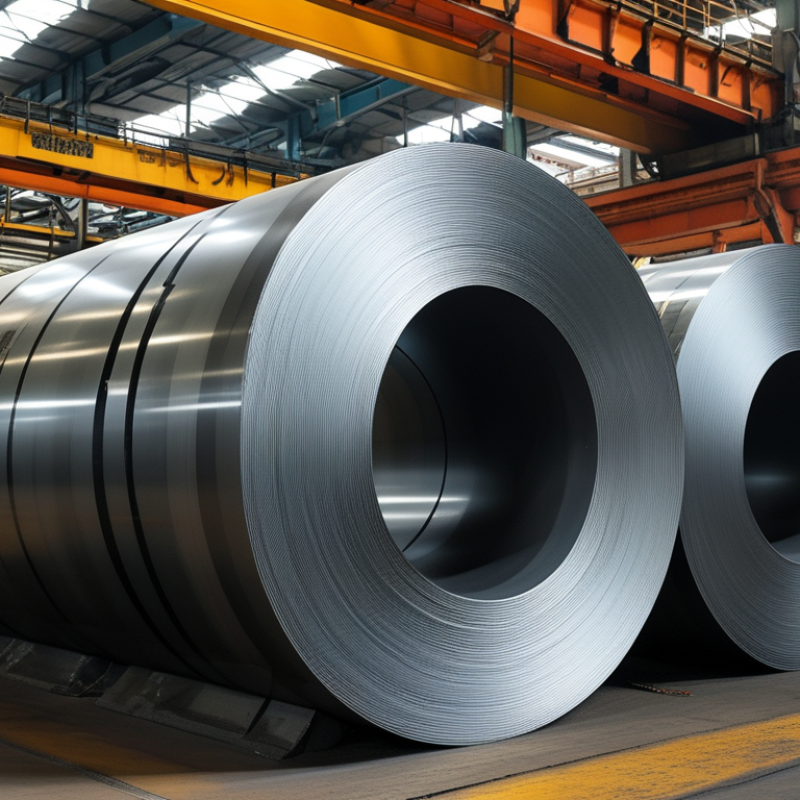
Carbon steel coil is a staple in various industries, known for its strength and versatility. Its composition largely consists of iron and carbon, with carbon content typically ranging from 0.05% to 2.0%. The mechanical properties of carbon steel vary based on this carbon level, affecting its hardness and ductility. For example, low-carbon steel is malleable, suitable for tubes and sheets, while high-carbon steel is much harder, ideal for tools and blades.
When sourcing carbon steel coil, understanding its composition is crucial. Buyers should consider the specific requirements of their projects, including thickness and tensile strength. Many mills provide specifications, but discrepancies can lead to challenges. It’s important to ensure the mill’s certifications align with industry standards. Engaging directly with suppliers can also clarify materials used and manufacturing processes. In the end, choosing the right carbon steel coil leads to improved performance in applications, but oversight in sourcing can result in costly mistakes.
Carbon steel coil is renowned for its versatility and strength. Its key properties, such as tensile strength and durability, make it a staple in various industries.
Construction, automotive, and manufacturing sectors heavily rely on this material for producing structural components, frames, and panels. The ability to withstand heavy loads and harsh conditions makes it a preferred choice for many applications.
The benefits of carbon steel coil extend beyond its physical properties. It is cost-effective and widely available, which enhances its appeal for manufacturers. However, sourcing carbon steel coil can be challenging. Buyers must ensure they work with reputable suppliers. Quality and consistency can vary significantly among producers.
It is crucial to verify certifications and conduct inspections to guarantee product integrity.
Establishing long-term relationships with trustworthy suppliers can also facilitate smoother transactions.
In addition, carbon steel can be prone to rust and corrosion if not treated properly. This factor should be considered when planning usage. Implementing proper storage and handling techniques will prolong the material's lifespan. With the right approach to sourcing and care, carbon steel coil remains an invaluable resource across multiple industries.
In 2023, the demand for carbon steel coils is witnessing rapid growth globally. According to market analyses, the carbon steel coil market is expected to reach USD 180 billion by the end of the year. This surge stems from various industries, particularly automotive and construction, where carbon steel's strength and durability are essential. The automotive sector alone accounts for nearly 40% of this demand, as manufacturers seek lightweight materials that maintain structural integrity.
Despite the positive outlook, sourcing carbon steel coils effectively poses challenges. Fluctuations in raw material prices can significantly impact costs. In the first quarter of 2023, the price of hot-rolled steel increased by 15%, creating hurdles for procurement. Companies need to develop strategic relationships with suppliers. Building trust can lead to more favorable terms and reliable shipments, but the process is often fraught with uncertainty.
It's crucial to remain vigilant in monitoring market trends. Emerging economies in Asia are increasing production capacity, affecting global supply chains. For instance, India is projected to increase its output by 10% over the next five years. Buyers must adapt to these changes and refine their sourcing strategies. Effective sourcing of carbon steel coils hinges on a deep understanding of the market dynamics at play.
Sourcing carbon steel coil requires a strategic approach. Companies should focus on identifying suppliers with a proven track record. Reliable suppliers often have certifications that demonstrate their compliance with industry standards. According to a recent market report by Grand View Research, the global carbon steel market is expected to reach $1.2 trillion by 2025. This growth emphasizes the need for effective sourcing strategies.
Understanding the specifications of carbon steel is crucial. Buyers must be aware of the grades and thickness they require. This knowledge helps in filtering potential suppliers. A study by Market Research Future indicates that quality is a significant consideration, as it directly affects the performance of end products. Engaging with suppliers who offer transparency about their manufacturing processes can lead to better partnerships.
Networking within the industry is another effective strategy. Attending trade shows and conferences allows companies to meet potential suppliers face-to-face. Building relationships can lead to better terms and insights into market trends. However, it is important to remain cautious. Not all suppliers will meet expectations, and due diligence is essential before finalizing deals.
When sourcing carbon steel coils, quality standards play a critical role. Organizations such as ASTM and ISO provide certifications for carbon steel materials. These standards ensure that the products meet specific mechanical properties and chemical compositions. For example, ASTM A653 outlines requirements for galvanized steel sheet, which is often used in manufacturing due to its corrosion resistance.
According to a 2022 industry report, approximately 70% of manufacturers prioritize material certifications when selecting suppliers. High-quality carbon steel coils are crucial for applications in automotive and construction sectors. They ensure longevity and adherence to safety standards. However, not all suppliers may meet these essential certifications, leading to potential risks.
It's important to review supplier documentation. Collaborating with suppliers who hold ISO 9001 certification can mitigate quality risks. Some manufacturers overlook these details, which may affect the overall productivity and safety of the end product. Regular audits and assessments help maintain quality compliance throughout the supply chain, reinforcing the importance of sourcing practices.
: Carbon steel coil is commonly used in construction, automotive, and manufacturing sectors. It helps create structural components and frames.
Its strength, durability, and cost-effectiveness make it appealing. It can withstand heavy loads and harsh conditions.
Sourcing can be tough due to inconsistent quality. Buyers should check certifications and establish trust with suppliers.
Proper treatment, storage, and handling techniques are essential. This can increase the lifespan of carbon steel coil significantly.
Demand is rising, especially from the automotive sector. The market could reach USD 180 billion by year-end.
Raw material price changes can impact costs substantially. For instance, hot-rolled steel prices increased by 15% recently.
Certifications like ASTM and ISO ensure proper mechanical properties. Buyers often prioritize these while selecting suppliers.
Reviewing documentation helps avoid risks associated with poor-quality material. Some may overlook this aspect, leading to safety issues.
Emerging markets may alter supply chains. Buyers must stay alert and adjust their sourcing strategies accordingly.
Some manufacturers disregard the importance of regular audits. This can negatively impact productivity and safety in the final product.
The article "What is Carbon Steel Coil and How to Source It Effectively?" provides a comprehensive overview of carbon steel coil, detailing its composition, key properties, and the benefits it offers across various industries. Carbon steel coils are essential materials characterized by their strength, durability, and versatility, making them invaluable in sectors such as construction, automotive, and manufacturing. The piece highlights the current global market trends and demand for carbon steel coils in 2023, illustrating the material's significant role in modern manufacturing.
Furthermore, the article outlines effective sourcing strategies for finding reliable suppliers of carbon steel coils. It emphasizes the importance of adhering to quality standards and certifications to ensure that the products meet the necessary manufacturing requirements. By understanding these aspects, businesses can make informed decisions in sourcing carbon steel coils, optimizing both quality and cost efficiency in their operations.
Tezhong