Mild Carbon Steel Coil is a versatile material widely used in various industries. Its unique properties make it an ideal choice for manufacturing and construction. This type of steel offers excellent weldability and formability. It is often favored for its balance of strength and ductility.
Many industries benefit from using Mild Carbon Steel Coil. Its cost-effectiveness also enhances its appeal. Engineers and manufacturers appreciate its ease of processing. The material is generally easy to cut and shape. However, it may not provide the same level of corrosion resistance as some alternatives.
Despite its advantages, careful consideration is needed when selecting Mild Carbon Steel Coil. Understanding its limitations is vital for successful application. Choosing the right grade and thickness is crucial for performance. It’s important to match the material with the intended use to avoid unexpected issues. Overall, Mild Carbon Steel Coil remains a reliable option for many projects, balancing efficiency and effectiveness.
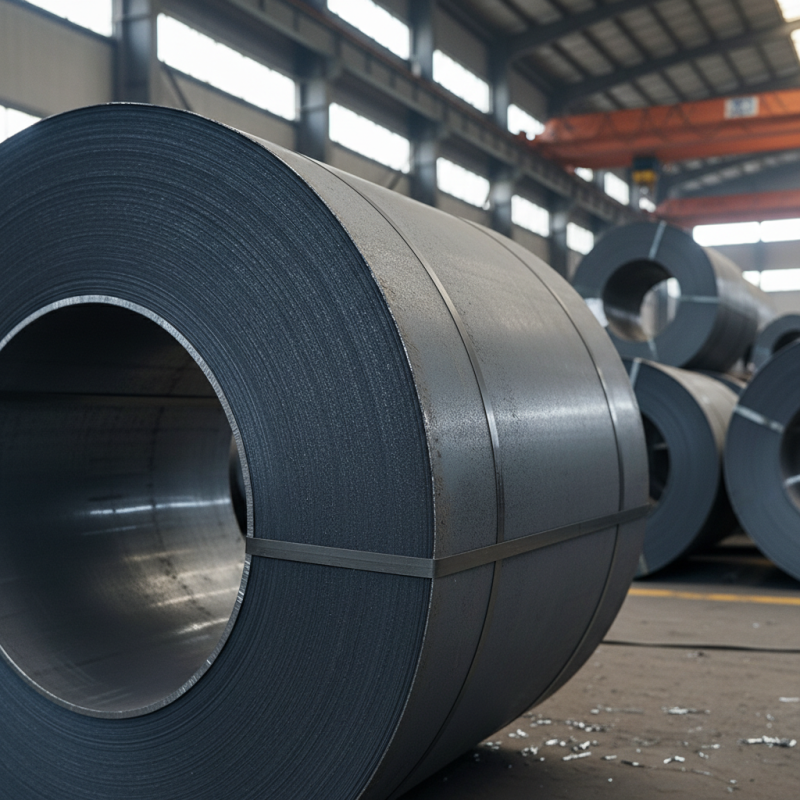
Mild carbon steel coil is a valuable resource in manufacturing processes. Its superior ductility allows it to be easily formed into various shapes. This flexibility is particularly beneficial in industries such as automotive and construction. Resilience is another key feature, providing the ability to withstand stress and impact.
When considering the benefits, it's essential to recognize the lower cost of mild carbon steel coil compared to other metals. This affordability allows manufacturers to allocate resources more effectively. However, be mindful of quality control; poor sourcing can lead to subpar products. Proper inspection processes can help maintain high standards.
Tips: Always test samples before mass production. This ensures compatibility with your project requirements. Also, document your findings and production processes. This establishes accountability and helps identify areas for improvement. By understanding the strengths and limitations of mild carbon steel coil, manufacturers can optimize their operations and better meet market demands.
Mild carbon steel coil is becoming an essential material in various industrial applications. Its cost-effectiveness stands out in today’s competitive market. According to a recent industry report, using mild carbon steel can reduce manufacturing costs by up to 20% compared to alternatives like stainless steel. This significant savings attracts many manufacturers looking to optimize their production processes.
The versatility of mild carbon steel coil also contributes to its cost benefits. It is readily available and can be easily manipulated into various shapes and sizes. This adaptability minimizes waste during production. A study by the American Institute of Steel Construction noted that projects using mild carbon steel often report lower overall project costs by 15%.
However, there are considerations to address. While mild carbon steel offers cost savings, its susceptibility to corrosion is a concern. Coating technologies can mitigate this drawback, but they add to initial costs. Balancing these factors is crucial for manufacturers aiming for long-term durability alongside short-term savings.
Mild carbon steel coil is renowned for its remarkable durability and strength. This material strikes a fine balance between toughness and flexibility. Its tensile strength allows it to withstand significant forces without deformation. This characteristic makes mild carbon steel coils ideal for construction, automotive, and manufacturing applications. The reliability of this material often surpasses that of alternatives.
However, it’s essential to recognize that while mild carbon steel offers excellent durability, it requires proper care. Exposure to moisture can lead to rust. Regular inspections and protective coatings can mitigate this risk. Implementing simple maintenance routines prolongs the lifespan of structures and products made from mild carbon steel.
Tip: Always store mild carbon steel in a dry environment. Consider applying rust-resistant paints for added protection. These small steps can improve its longevity and performance significantly. Balancing care and application is crucial for maximizing the benefits of mild carbon steel.
Mild carbon steel coil is a material known for its adaptability across various industries. Its versatility makes it a preferred choice in building, manufacturing, and automotive fields. In construction, it serves as a structural element in beams and frames, providing strength without excessive weight. Meanwhile, its formability allows for easy shaping, which is crucial when creating custom components.
In the automotive sector, mild carbon steel coil plays a key role in producing body panels and frames. This alloy offers a balanced combination of strength and ductility, making it suitable for high-stress applications. However, while this material is durable, it can be susceptible to corrosion if not treated properly. This necessitates ongoing maintenance and protective measures.
Manufacturers appreciate mild carbon steel for its cost-effectiveness. The material is readily available and easy to process, yet its performance relies heavily on proper engineering practices. Mistakes in fabrication can lead to product failure or safety issues. Hence, a deep understanding and careful handling of this material are essential for achieving desired results across various applications.
Mild carbon steel coils are increasingly recognized for their environmentally friendly features. Their production process generates fewer emissions compared to other materials. According to a report by the World Steel Association, 86% of steel can be recycled without losing quality. This makes mild carbon steel an excellent choice for sustainable manufacturing practices. The ability to recycle steel contributes to a circular economy, reducing the demand for virgin materials.
Furthermore, mild carbon steel’s durability leads to less waste. Structures made from this material typically require less frequent replacement. A study published in the Journal of Cleaner Production highlights that the lifecycle assessment of mild steel reveals significantly lower environmental impacts. However, the industry still faces challenges, such as the high energy consumption during production. This aspect requires ongoing innovation and improved practices to enhance sustainability.
Efforts to increase the use of renewable energy sources in steel production are crucial. Although the industry is moving towards greener technologies, full implementation is still in progress. The transition is necessary to minimize the carbon footprint. It is essential to remain critical of current practices and continue evolving to achieve environmental goals effectively.
: Mild carbon steel coil offers superior ductility and resilience. It is affordable and versatile for various applications.
This material is popular in construction, automotive, and manufacturing. It adapts well to different requirements.
It serves as a strong structural element, helping to create beams and frames. This maintains strength without extra weight.
Yes, it is susceptible to corrosion. Proper treatment and maintenance are needed to ensure its longevity and performance.
Poor sourcing can lead to subpar products. Inspection processes ensure high standards and eliminate potential issues.
Always test samples to ensure they meet project requirements. Document findings for accountability and improvement.
Yes, mistakes during fabrication can lead to safety issues. Understanding its strengths and limitations is vital.
By understanding its properties and continuously monitoring processes. This helps to meet market demands effectively.
Mild Carbon Steel Coil offers a plethora of benefits that enhance its appeal in various manufacturing processes. Its cost-effectiveness makes it an ideal choice for industrial applications, allowing manufacturers to optimize their budgets while ensuring quality. The durability and strength of Mild Carbon Steel Coil provide reliability in construction and fabrication, making it suitable for a wide array of products.
Additionally, the versatility of Mild Carbon Steel Coil means it can be adapted for use across different industries, from automotive to construction, thus meeting diverse operational needs. Moreover, its environmentally friendly characteristics contribute to sustainable manufacturing practices, making it a responsible choice for modern industries. Overall, Mild Carbon Steel Coil serves as a foundational material that supports efficiency, reliability, and sustainability in manufacturing.

Tezhong