Choosing the best Carbon Steel Sheet Coil suppliers in 2026 requires more than comparing prices. Buyers must examine production experience, steel grades, coating options, dimensional accuracy, and delivery performance. A reliable supplier should provide traceable mill certificates, clear inspection records, and practical technical support. These details matter when coils enter stamping lines, fabrication workshops, or large construction projects.
No supplier is perfect.
This guide introduces a careful way to assess leading manufacturers and distributors worldwide. It considers production capacity, export experience, inventory availability, surface quality, thickness tolerance, and customer service. Real purchasing conditions also matter. A low quoted price may lose value when packaging is weak, port delays occur, or replacement claims become difficult. Experienced buyers often request samples, verify testing procedures, and compare several recent shipment records before signing a contract.
Supplier reputation should be supported by evidence, not impressive marketing language. Independent certifications, audited facilities, responsive engineers, and consistent communication offer stronger signals. However, public information can be incomplete, and market conditions may change quickly in 2026. That limitation deserves attention. A supplier ranked highly for one buyer may not suit another buyer’s volume, destination, processing method, or compliance requirements.
The following overview will help procurement teams build a practical shortlist. It focuses on measurable performance and long-term reliability. The final choice should match your application, risk tolerance, and inspection standards. Careful verification remains essential.
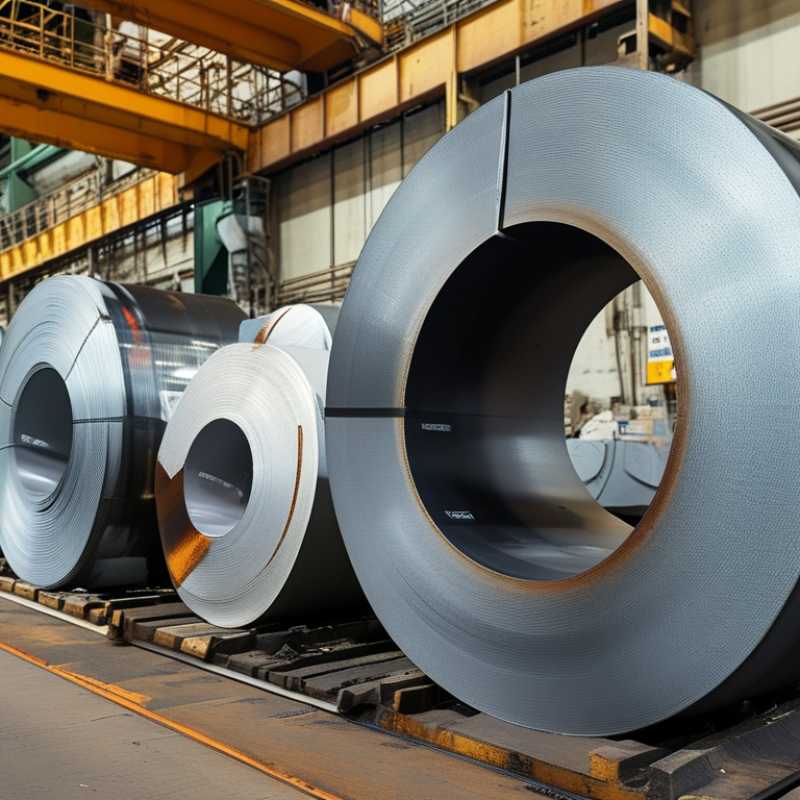
2026 Best Carbon Steel Sheet Coil Suppliers?
Carbon steel sheet coil is supplied as long, wound strip for slitting, stamping, forming, and fabrication. Its performance depends on carbon content, rolling method, surface condition, and final thickness. Hot-rolled coil has a rougher surface and wider thickness tolerance. It suits structural frames, base plates, brackets, and heavy fabricated parts. Cold-rolled coil offers tighter tolerances and a cleaner surface. It is common in cabinets, panels, automotive components, and precision assemblies. Not every clean surface means better steel.
Low-carbon grades usually provide good weldability and bending performance. Typical structural choices include A36 and higher-strength HSLA grades such as A572, where applicable. Medium-carbon grades provide greater hardness, but forming becomes more demanding. High-carbon grades serve wear-resistant parts, springs, blades, and selected tooling applications. Mill certificates should verify chemistry, yield strength, tensile strength, elongation, and heat number. A supplier should also explain coil weight, inner diameter, width tolerance, and edge condition. Small differences can disrupt a stamping line.
In practical purchasing, the best supplier is not simply the lowest bidder. Reliable evaluation includes sample testing, traceable inspection records, packing quality, and delivery consistency. Ask whether the coil matches the required standard and processing route. A mismatch may appear only after cutting or welding. That mistake is expensive. I would review trial results before approving a large order, even when the paperwork looks complete. Specifications sometimes leave forming radius, surface defects, or oiling requirements unclear. Those details deserve written confirmation before production begins.
It is supplied as a long, wound strip. It supports slitting, stamping, forming, and fabrication. Common products include frames, brackets, panels, cabinets, and base plates.
Hot-rolled coil usually has a rougher surface. Its thickness tolerance is wider. It suits heavy fabricated parts and structural components. Cold-rolled coil offers cleaner surfaces and tighter tolerances. It fits panels, cabinets, and precision assemblies.
Low-carbon grades generally provide easier welding and bending. They are practical for formed parts and structural work. Medium-carbon grades offer more hardness. Forming becomes more demanding. The choice still depends on thickness and geometry.
Request current mill test certificates and inspection records. They should show chemistry, yield strength, tensile strength, elongation, and heat number. Confirm the applicable material standard. Paperwork alone is not enough.
Confirm coil weight, inner diameter, width tolerance, and edge condition. Also clarify surface defects, forming radius, and oiling requirements. Small differences matter. They can interrupt a stamping line or increase material waste.
Compare quality, capacity, pricing, and delivery separately. Review sample testing, traceable inspections, packaging, and recent lead-time data. A large factory may still struggle during maintenance. Capacity figures can look better than reality.
Check the base price, cutting fees, testing charges, freight, insurance, and payment terms. Also review rejection risk and delivery delays. The lowest quote may not be the cheapest option.
A coil can match its documents but fail after cutting or welding. Trial results reveal forming, surface, and dimensional problems. I would review them before approval. I might still miss an unclear requirement.
Choosing the right Carbon Steel Sheet Coil supplier in 2026 requires more than comparing prices. Buyers should first understand the differences among hot-rolled, cold-rolled, galvanized, and coated coils, as well as the grades suited for construction, automotive manufacturing, machinery, energy equipment, and general fabrication. A reliable supplier should demonstrate consistent chemical composition, mechanical performance, dimensional accuracy, surface quality, and compliance with agreed specifications.
This article explains how to evaluate leading suppliers through practical factors such as production capacity, quality control, inventory availability, customization options, packaging, delivery reliability, technical support, and total purchasing cost. It also presents a clear comparison framework for assessing pricing, lead times, export experience, certifications, and after-sales service. By matching material grade, coil size, surface finish, order volume, and delivery requirements with a supplier’s capabilities, buyers can reduce procurement risks and establish a dependable long-term supply partnership.

 Tezhong