When it comes to purchasing Steel Plate Carbon Steel Coil, buyers face numerous challenges. Understanding the specifications and applications of these materials is crucial. Carbon steel products, known for their strength and versatility, are widely used in construction and manufacturing. They come in various grades, affecting performance and pricing.
Evaluating different suppliers is essential. It can be difficult to determine which ones offer the best quality and reliability. Buyers should look for companies with a solid reputation and proven expertise. Reading reviews and seeking recommendations can provide valuable insights.
Additionally, it's important to consider the environmental impact of steel production. Many buyers now prefer materials with sustainable practices. This means researching manufacturers' commitments to eco-friendly processes. Investing time in understanding these factors can lead to more informed decisions and better outcomes in the long run.
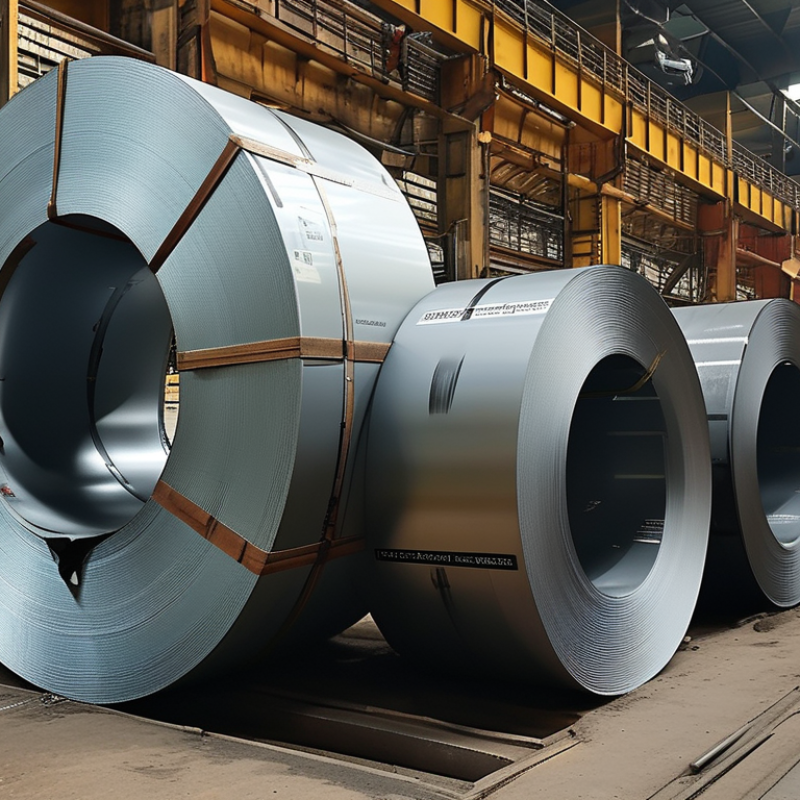
Understanding carbon steel begins with recognizing its types and grades. Carbon steel is primarily categorized into three main types: low, medium, and high carbon steel. Low carbon steel, containing up to 0.3% carbon, is malleable and easy to weld, making it suitable for structural applications. Medium carbon steel, with 0.3% to 0.6% carbon, offers a good balance between strength and ductility. High carbon steel, containing more than 0.6% carbon, is tough and ideal for blades and springs.
Industry data underscores the significance of grades in carbon steel selection. Grades like ASTM A36 and ASTM A992 are widely used in construction. These grades indicate tensile strength and yield strength essential for structural integrity. For example, ASTM A36 has a minimum yield strength of 36,000 psi, making it a staple in building frameworks. Conversely, the higher-grade ASTM A572 provides superior strength for more demanding applications with yield strengths up to 65,000 psi.
Applications of carbon steel are vast. From automotive to construction, its versatility is notable. Despite its benefits, issues can arise with corrosion resistance. This often necessitates coatings or treatments to enhance durability. Certain projects may overestimate the lifespan of untreated carbon steel. Evaluating specific needs is crucial in preventing costly mistakes. Understanding these variables allows buyers to make informed decisions.
The carbon steel market is witnessing notable shifts in both demand and supply for 2026. Analysts predict a steady growth trajectory as key industries ramp up production. Construction and automotive sectors are primary drivers, leading to increased requests for carbon steel coil and plate. The burgeoning infrastructure projects globally further contribute to this trend. However, fluctuations in raw material prices can impact the market dynamics.
Supply chain challenges might emerge due to geopolitical tensions. Countries producing steel could face export restrictions or tariffs, influencing availability. Additionally, sustainability initiatives are becoming prominent. Many manufacturers are exploring eco-friendly alternatives, which may disrupt traditional supply lines. The transition toward greener production could lead to short-term supply shortages, causing uncertainty in pricing for carbon steel products.
Consumers should remain vigilant. The market can shift unexpectedly, driven by demand spikes or supply chain disruptions. Engaging with suppliers who maintain flexibility and responsiveness will help mitigate risks. Awareness of these trends can empower buyers to make informed decisions while navigating the complexities of the carbon steel market in 2026.
When considering carbon steel coils and plates, it's essential to familiarize yourself with key specifications. One primary factor is thickness, which can affect the material's performance. Common thickness ranges for coils are from 0.2 mm to several millimeters. For plates, this can extend beyond 25 mm. It's critical to understand your project's requirements; using the wrong thickness may lead to structural weaknesses.
Next, pay attention to standards. Carbon steel often adheres to specifications set by various organizations. The ASTM (American Society for Testing and Materials) provides detailed guidelines on grades and properties. For instance, ASTM A36 is widely used for structural applications. Each standard includes criteria for chemical composition, mechanical properties, and manufacturing processes. Understanding these standards helps ensure that you acquire materials suited to your specific needs.
Finally, consider the surface finish and coating options. Different applications may require specific surface treatments to enhance corrosion resistance. However, choosing the right finish can be a challenge, as some may not align with your intended use. Balancing quality with cost is often where miscalculations occur. Reflect on your choices and how they impact the lifespan and performance of your project.
In 2026, understanding the factors influencing carbon steel prices is crucial for buyers. Several elements play a significant role in determining costs, including raw material availability and demand fluctuations. Geopolitical events can also disrupt supply chains, leading to unexpected price changes. Manufacturers should closely monitor these factors to make informed purchasing decisions.
The current state of the global economy adds another layer of complexity. Inflation rates can impact production costs, directly affecting the price of carbon steel. Additionally, advancements in production technology may either lower costs or create variability in prices. Keeping an eye on industry trends might yield insights for better procurement strategies.
When purchasing carbon steel coils or plates, gaining insight can lead to better deals. Researching market conditions before making purchases is advisable. Consult with industry experts to understand pricing trends. Engage with suppliers regularly to build relationships that may help negotiate better prices. Being proactive can offer significant advantages in securing cost-effective materials.
When sourcing carbon steel, understanding supplier strategies is crucial. Companies often search for suppliers that can provide consistent quality. Recent reports show that over 70% of buyers emphasize quality as a key factor in their procurement decisions. This highlights the importance of establishing strong relationships with trusted suppliers.
Engaging with suppliers who offer transparency in their materials can lead to better outcomes. For instance, a study from the Steel Manufacturers Association found that 60% of steel buyers find value in suppliers who provide detailed certifications and material traceability. This clarity helps businesses ensure they are receiving high-quality steel that meets specified standards.
Additionally, regular assessments of supplier performance can yield insights into areas needing improvement. Many buyers overlook this aspect, risking the integrity of their projects. Evaluating delivery times and compliance with industry standards creates a robust supply chain. This proactive approach encourages continuous dialogue with suppliers, leading to a more reliable procurement strategy for carbon steel materials.
| Material Type | Thickness (mm) | Width (mm) | Length (mm) | Weight (kg/m²) | Finish Type | Price (USD) |
|---|---|---|---|---|---|---|
| Carbon Steel Coil | 1.5 | 1000 | 2000 | 7.85 | Hot Rolled | 600 |
| Carbon Steel Plate | 10 | 1250 | 3000 | 7.85 | Cold Rolled | 1000 |
| High Carbon Steel Coil | 2.0 | 800 | 1500 | 7.85 | Hot Rolled | 650 |
| Carbon Steel Plate | 15 | 2000 | 6000 | 7.85 | Hot Rolled | 1100 |
| Medium Carbon Steel Coil | 3.0 | 1200 | 2500 | 7.85 | Cold Rolled | 720 |
: Carbon steel is divided into low, medium, and high carbon steel. Each type has different carbon content and properties.
Low carbon steel, with up to 0.3% carbon, is malleable and excellent for structural applications, such as beams.
Medium carbon steel balances strength and ductility. High carbon steel offers toughness, making it ideal for tools and springs.
Grades indicate properties like tensile strength. Higher grades provide better performance for demanding applications, preventing project failures.
Raw material availability, demand, geopolitical events, and inflation are key factors that influence carbon steel prices.
Research market conditions, consult industry experts, and build supplier relationships. These practices lead to more informed purchasing.
Over 70% of buyers prioritize quality. Reliable suppliers ensure the steel meets standards, reducing risk in projects.
Carbon steel lacks corrosion resistance. Treating or coating it is essential to improve durability and avoid project delays.
Regular assessments of supplier performance help identify areas for improvement, which many buyers neglect, risking project integrity.
Suppliers who offer detailed certifications and material traceability build trust. Transparency assists in ensuring quality materials.
The "2026 Top Carbon Steel Coil and Steel Plate Buying Guide" provides a comprehensive overview of essential aspects related to carbon steel purchasing. It begins by explaining the various types and grades of carbon steel, highlighting their diverse applications across industries. The market overview section delves into the anticipated demand and supply trends for 2026, offering insights into how these dynamics may affect sourcing strategies.
In terms of specifications, the guide outlines key standards relevant to steel coils and plates, crucial for quality assurance. Additionally, it addresses factors influencing carbon steel prices, such as production costs and market fluctuations. The final segment offers valuable sourcing and supplier strategies to ensure quality procurement of Steel Plate Carbon Steel Coil. This guide serves as an essential resource for industry professionals looking to make informed purchasing decisions in the evolving market landscape.

Tezhong